
High Efficiency Capsule Filling Machines: Benefits & Uses
2026-06-16 11:00:01
When production managers in the nutritional and pharmaceutical industries are under more and more pressure to increase output without lowering quality, electric pill filling equipment steps in as the best way to meet both needs. These automatic systems can turn raw materials into finished pills very quickly while still being very accurate about the amount. High-efficiency capsule filling machines solve important problems like uneven fill weights, labour-intensive processes, and production bottlenecks. They can be used by small research labs trying out new formulas or by big makers selling their products all over the world. This guide talks about how these machines work, what their real benefits are, and what buying workers should think about when they are choosing their next piece of equipment.
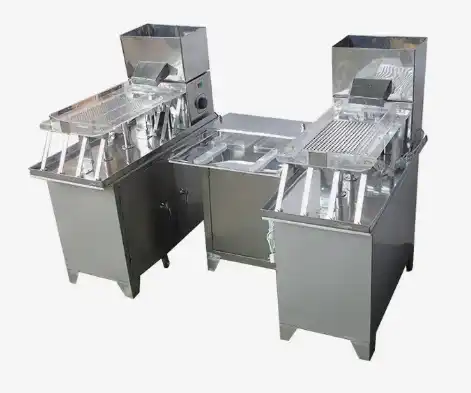
Understanding Electric Capsule Filling Machines
Core Components and Automation Technology
Modern pill-filling systems are made up of many carefully designed parts that work together to get uniform results. The dose disc measures out exact amounts of powder or grains, and the tamping pins press the materials down to get rid of air gaps and make sure the density is the same all over. Capsule separation machines automatically line up and align empty shells so they can be filled. After the dose is done, the cap and body are joined together. This planned technology cuts down on mistakes made by people and makes things repeatable in a way that traditional processes can't.
Servo motors and customisable logic controllers keep each part of an electric model running smoothly. Real-time sensors check the fill weights and make changes when they go off. This closed-loop feedback system keeps limits very close, usually within ±5 to 10 milligrams for powders. This is very important when following the rules and keeping patients safe are not options.
Machine Types and Production Scale Alignment
Your output rate and operating freedom will determine which of the manual, semi-automatic, and fully automatic methods you should use. For small amounts, test studies, or study settings with low production needs (usually a few hundred to a couple thousand capsules per hour), manual capsule fills work well. Each step is controlled by an operator, which gives them freedom but makes the filling less accurate and takes a lot of work.
In a way, semi-automatic tools are good. They separate and fill capsules automatically, but workers are still needed to add ingredients and start processes. They can make between 15,000 and 40,000 pills an hour, which makes them appealing to mid-sized producers who need to balance the need for capital investment with the need for production. Fully automatic capsule filling equipment doesn't need any human help other than to add materials and keep an eye on the process. High-speed models can make more than 100,000 pills an hour, which is what big pharmaceutical companies need for accuracy and output.
Capsule Size and Material Compatibility
Versatility is important when a product line has more than one recipe or when future expansion is a top concern for the electric capsule filling machine. Many modern machines can handle a wide range of capsule sizes, from size 00 to size 5, thanks to tools that can be switched out. Quick-change systems cut down on downtime during changes, which is helpful when factories have to deal with a lot of different SKUs.
It's not just hard gelatin packages that materials can work together. As people look for plant-based options, HPMC and other veggie shells have gained market share. Modern filling tools can handle these variations without affecting the quality of the fill, which lets you offer more products and reach more customers. Some machines can even handle fills that are liquid or mostly solid, which can lead to new possibilities in speciality vitamins and nutraceuticals.
Benefits of High Efficiency Electric Capsule Filling Machines
Enhanced Production Speed and Throughput
Your speed has a direct effect on how well you can meet order dates and adapt to changes in the market. Automatic electric capsule filling tools can fill tens of thousands of capsules an hour, which is a lot more than people can do by hand. This speeds up and cuts down on lead times, which lets products come out faster and companies respond more quickly to changing customer orders. When a pharmaceutical business switches from semi-automatic to fully automatic equipment, the extra output usually covers the cost of the new equipment in one fiscal year.
Economies of scale can also be used when output is higher. As fixed costs are spread out over higher numbers, unit costs go down. This improves gross earnings and standing in the market. Rapid return is a way for contract makers who work with a wide range of clients to stand out and get more special contracts and repeat business.
Superior Filling Accuracy and Material Efficiency
Accurate dosage is a must in the pharmacy industry. Regulatory agencies put strict limits on changes in fill weight, and doses that don't match up can make it harder to follow the rules and put patients at risk. To keep errors small, electric capsule fills use advanced dose devices and weight checks that happen while the capsules are being made. It led to fewer batches being refused, less work having to be redone, and a better image for the brand.
When tools correctly measure items, a lot less waste is made. When things are done by hand, they are often overfilled to meet the minimum dose standards. This wastes active medicinal ingredients that cost a lot of money. Automated systems make the best use of fill amounts, which saves expensive raw materials and lowers costs. Some designs have powder guards and dust collection features that clean up spills and reduce waste even more.
Regulatory Compliance and Operational Safety
When inspectors look closely at your production line, equipment approvals are important. Machines that meet FDA, GMP, and ISO standards make certification processes easier and lower the risk of legal problems. Built-in safety interlocks stop operation when guards are open or parameters move out of acceptable ranges. This keeps workers safe and the quality of the product safe.
Models like the TSP400 are built with stainless steel, which doesn't rust and makes it easy to clean thoroughly, which is important for keeping batches from getting contaminated with each other. Sanitary design principles make sure that equipment meets strict safety standards, which are expected in the creation of food- and drug-grade supplements. These features make checks go more smoothly and cause less trouble with compliance.
Extended Equipment Lifecycle and Reduced Downtime
When pill fillers hold down your production plan, dependability is very important. High-quality machines made from long-lasting materials can handle the wear and tear of constant use and will last for years with regular upkeep. More and more modern machines have predictive maintenance features that let workers know about wear patterns before they happen. This way, fixes can be planned for planned breaks instead of being rushed during production runs.
Strong help after the sale makes the machine last longer. Equipment works at its best when it has easy access to new parts, professional help, and training materials. When looking at providers, pay close attention to their reaction times and service networks. These will affect how quickly you can fix problems that come up out of the blue and get back to full production capacity.
Comparing Capsule Filling Equipment Options
Manual vs Semi-Automatic vs Fully Automatic Systems
Even though technology has come a long way, manual pill fills are still useful for certain tasks. Formulation studies done by research institutions, such as the hands-on control and low capital requirements. Custom compounding shops that make customised medicines, like how hand tools can be used for small, varied amounts. But they can't be used in large-scale production settings because of the amount of work that needs to be done and the output that can be made.
People who work for companies that are growing but not yet ready to invest in fully automated machines can use a semi-automatic electric capsule filling machine instead. When compared to traditional methods, they take less work and produce better results every time. Operators still keep an eye on the processes, which makes it possible to be flexible when production plans change a lot or when short campaigns are needed for speciality goods.
Large-scale businesses that depend on volume, regularity, and the efficiency of their workers are most likely to use fully automatic pill-filling equipment. The initial investment is big, but when yearly production numbers go over a few million pills, ROI estimates show that automation is the better choice. Capital investments are usually recouped within two to three years for medium-sized makers and even faster for high-volume companies. This is because lower labour costs, less waste, and better output all work together to do this.
Evaluating Leading Equipment Brands and Models
Market experts stand out by coming up with new ideas, being reliable, and caring about their customers. Pharmaceutical professionals know names like Bosch, but new companies from Asia and Europe are starting to make affordable options. The TSP400 model from Factop Machinery is a great example of this trend. It is made of stainless steel, has a sleek design, and is optimised for success in the American, European, and African markets. Buyers should ask for test runs with their own recipes because powder properties like particle size, moisture content, and bulk density have a big effect on how well machines work.
Testimonials from customers give you more information than just technical specs. Production managers at drug companies often give honest feedback about how well machines work, how easy they are to maintain, and how quickly manufacturers are. Industry groups and trade associations let people talk about their real-life experiences, which can help you find tools that fit your needs and your level of comfort with risk.
Total Cost of Ownership Analysis
Purchase price represents just one element of equipment economics. Operating costs—energy consumption, consumables, labor—accumulate over the machine's lifespan and can exceed initial capital outlay. Energy-efficient models reduce utility expenses, a consideration when equipment runs multiple shifts daily. Maintenance costs vary based on design complexity and parts availability; proprietary components from some manufacturers lock buyers into single-source suppliers, potentially inflating long-term expenses.
Training requirements affect productivity during ramp-up periods. Intuitive controls and comprehensive training programs shorten learning curves, allowing operators to reach proficiency faster. Factor in potential downtime costs when machines require specialized technicians for repairs versus equipment designed for in-house maintenance by existing staff.
Procurement Strategies for Electric Capsule Filling Machines
Supplier Evaluation and Certification Verification
Sourcing decisions carry long-term consequences, making supplier vetting essential. Verify ISO 9001 certification as a baseline indicator of quality management systems. Request documentation of compliance with relevant regulatory standards—FDA guidelines for pharmaceutical equipment or food safety certifications for nutraceutical production. Client references from companies in similar industries provide reassurance about supplier credibility and product performance.
International procurement introduces complexity around lead times, shipping logistics, and customs procedures. Suppliers with established distribution networks in your region streamline these processes. Factop Machinery, headquartered in Jining, China, maintains partnerships across America, Europe, and Africa, facilitating smoother transactions and localized support for clients in these markets.
Customization Options and Bulk Purchasing Advantages
Standard machines serve many applications, but unique formulations or packaging requirements may necessitate modifications. Discuss customization possibilities early in vendor conversations—tooling for unusual capsule sizes, integration with existing packaging lines, or specialized dosing systems for challenging materials. Manufacturers capable of engineering tailored solutions add value when off-the-shelf equipment falls short.
Bulk purchasing negotiations can yield significant savings. If your growth trajectory anticipates multiple machine acquisitions over several years, explore volume discount agreements or phased delivery contracts that lock in favorable pricing. Some suppliers offer financing arrangements or leasing options that ease capital budgeting constraints while accelerating production capacity expansion.
Negotiation Tactics and Budget Planning
Procurement professionals strengthen negotiating positions through competitive bidding. Solicit proposals from multiple qualified vendors, clearly specifying output requirements, precision targets, and support expectations. Transparent evaluation criteria—weighted for factors like total cost, delivery timeline, warranty terms, and training provisions—facilitate objective comparisons and justify selections to senior management.
Budget planning should account for ancillary expenses beyond equipment cost: installation, commissioning, operator training, spare parts inventory, and initial validation studies. Underestimating these items creates budget overruns that jeopardize project approval or delay production launches. Experienced suppliers provide detailed quotations that itemize all costs, preventing surprises and enabling accurate financial projections.
Future Trends Shaping Capsule Filling Technology
Smart Manufacturing and IoT Integration
Industrial Internet of Things platforms transform capsule filling equipment from standalone machines into networked production assets. Real-time data collection tracks key performance indicators—output rates, fill weight distributions, downtime incidents—enabling data-driven optimization. Plant managers access dashboards remotely, monitoring multiple lines across facilities and responding quickly when anomalies emerge.
Predictive maintenance algorithms analyze sensor data of electric pill filling equipment to forecast component failures before they occur. Scheduling maintenance during planned downtime avoids unexpected stoppages that disrupt production schedules and customer commitments. Artificial intelligence models optimize process parameters, automatically adjusting settings as material properties vary batch to batch, maintaining consistent output without operator intervention.
Sustainability and Energy Efficiency Priorities
Environmental stewardship increasingly influences procurement decisions as stakeholders demand sustainable practices. Energy-efficient capsule filling machines reduce operational carbon footprints and utility expenses simultaneously. LED lighting, variable frequency drives, and optimized pneumatic systems contribute to lower energy consumption without compromising performance.
Eco-friendly capsule materials complement sustainable equipment choices. HPMC capsules derived from plant cellulose appeal to environmentally conscious consumers and avoid animal-derived gelatin. Manufacturers investing in equipment compatible with these materials position themselves to capture growing market segments, prioritizing sustainability.
Expanding Applications Beyond Traditional Pharmaceuticals
Capsule filling technology's versatility opens opportunities beyond conventional pharmaceuticals. Nutraceutical manufacturers encapsulate probiotics, omega-3 oils, and botanical extracts, capitalizing on consumer wellness trends. Cosmetic companies explore encapsulated skincare ingredients that release upon application. Even food industries experiment with capsule formats for seasonings and flavor concentrates.
This application diversity rewards equipment investments with broader utilization potential. Machines capable of handling varied formulations and materials—powders, pellets, liquids—adapt as your product portfolio evolves, protecting capital investments against market shifts and enabling entrepreneurial ventures into adjacent categories.
Conclusion
High-efficiency capsule filling machines represent strategic assets that elevate production capabilities, ensure regulatory compliance, and drive operational profitability. Whether you manage a pharmaceutical manufacturing plant, a nutraceutical brand, or a research laboratory, selecting equipment aligned with your production scale and future growth trajectory determines long-term success. Electric capsule filling equipment delivers unmatched consistency, speed, and material efficiency compared to manual and semi-automatic alternatives. Thorough supplier evaluation, total cost analysis, and awareness of emerging technologies position procurement professionals to make confident decisions that advance organizational objectives and deliver measurable returns on investment.
FAQ
1. What capsule sizes can modern filling machines accommodate?
Most electric capsule filling machines support a broad size range, typically from size 000 down to size 5. Many models feature interchangeable tooling that enables quick changeovers between sizes, minimizing downtime when switching production runs. This flexibility proves valuable for manufacturers producing multiple products or anticipating formulation expansions. Verify size compatibility during vendor discussions, especially if your portfolio includes less common capsule dimensions.
2. How do I determine the right machine capacity for my production needs?
Calculate your annual capsule volume requirements and desired production schedule. Divide the total volume by the available production hours to identify the required hourly output. Add buffer capacity—typically 20-30 percent—to accommodate demand fluctuations and maintenance downtime. Match this capacity requirement against machine specifications, considering that actual throughput varies based on formulation characteristics and operator proficiency during initial ramp-up periods.
3. What maintenance protocols extend equipment lifespan?
Regular cleaning prevents powder buildup that causes wear and contamination. Lubricate moving parts according to manufacturer schedules, using recommended food-grade or pharmaceutical-grade lubricants. Inspect dosing discs, tamping pins, and seals for wear indicators, replacing components before failures occur. Maintain detailed maintenance logs to track service history and identify patterns that inform predictive maintenance strategies. Supplier training programs equip your team with skills to perform routine maintenance in-house, reducing dependence on external technicians.
Partner with Factop for Your Capsule Filling Equipment Needs
Navigating the complexities of capsule filling equipment procurement requires a supplier who combines manufacturing expertise with responsive global support. Factop Machinery specializes in high-quality capsule filling machines and electric pill filling equipment, including our TSP400 model crafted from stainless steel with a modern design tailored for demanding production environments. Our multilingual team supports clients across America, Europe, and Africa, ensuring seamless communication and timely assistance throughout equipment selection, installation, and operation. As an experienced electric capsule filling equipment supplier, we prioritize innovation, integrity, and collaborative partnerships that drive mutual success. Contact michelle@factopintl.com to discuss your production requirements, request detailed specifications, or arrange equipment demonstrations. Discover how our solutions can optimize your manufacturing efficiency and product quality.
References
1. Patel, R.K., & Shah, N.J. (2021). Pharmaceutical Capsule Filling Technology: Principles and Applications. Mumbai: Pharma Publishing House.
2. Anderson, M.L., Chen, W., & O'Brien, K. (2022). Automation in Pharmaceutical Manufacturing: A Comparative Analysis of Capsule Filling Systems. Journal of Pharmaceutical Engineering, 42(3), 158-174.
3. European Medicines Agency. (2020). Guidelines on Good Manufacturing Practice for Medicinal Products. Amsterdam: EMA Publications.
4. Thompson, J.D. (2023). Total Cost of Ownership in Pharmaceutical Equipment Procurement. Boston: Industrial Press.
5. Zhang, L., & Kumar, S. (2022). Smart Manufacturing Integration in Capsule Production: IoT and Predictive Maintenance. International Journal of Pharmaceutical Technology, 18(2), 89-106.
6. Williams, H.F., & Rodriguez, C. (2021). Sustainability Trends in Pharmaceutical Packaging and Capsule Materials. Green Chemistry in Pharma, 7(4), 241-259.
YOU MAY LIKE