
How to Choose an Electric Capsule Filling Machine: Guide
2026-06-05 11:00:00
Choosing the right electric capsule filler relies on how many electric capsule fillers you need to produce, how much automation you need, how well it works with dosing, and your budget. The process of encapsulation is automated by an electric capsule filling machine, which is faster and more consistent than human methods. To help procurement teams choose equipment that increases productivity while keeping quality control in pharmaceutical, nutraceutical, food supplement, and study settings, they need to know about core performance specifications, regulatory compliance standards, and total ownership costs.
Understanding Electric Capsule Fillers: Key Knowledge for Smart Procurement
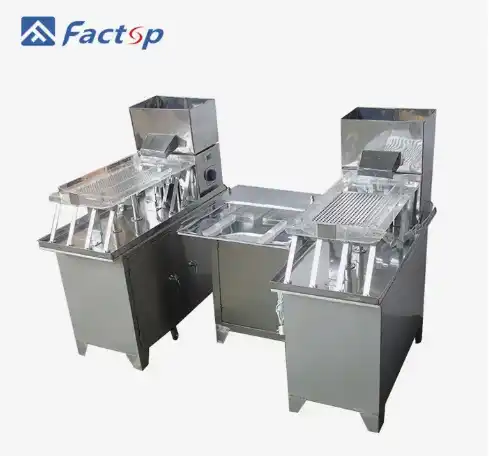
Electric capsule filling machines revolutionize production by automating the encapsulation of powders, pellets, or liquids into hard gelatin or vegetarian capsules. These machines eliminate manual labor inconsistencies and significantly boost throughput, making them essential for businesses scaling from pilot batches to commercial production.
Working Principles of Automated Capsule Filling
Modern tools work in four steps, which are done in order. During the loading phase, empty capsules are put in precise boxes. Mechanical forks and vacuum dividers are used to separate the caps from the bodies. The filling station then puts material into capsule bodies by tamping, using a dosator, or vacuuming, based on the properties of the ingredient. Dosator devices work best with granular ingredients, while tamping systems work best with powders to make doses that are small. It is possible to use vacuum filling for both small powders and liquids. Once the capsules are full, pressure mechanisms press the caps back onto the bodies, and then ejection systems pick up the final capsules for packaging.
Safety Features and Maintenance Requirements
To keep workers safe, good machines have emergency stop buttons, clear safety guards, and overload protection circuits. Long production runs with ergonomic designs are less likely to cause repeated strain injuries. As part of routine upkeep, the dosing chambers and trays are cleaned and refilled every day to stop contamination. Lubricating working parts once a week makes sure they work smoothly, and checking the vacuum pressure and mechanical alignment once a month is also a good idea. If you take care of your equipment properly, it will last longer than ten years, protecting your initial investment in the electric capsule filler and keeping up with Good Manufacturing Practice standards.
Key Factors to Consider When Choosing an Electric Capsule Filling Machine
Selecting appropriate encapsulation equipment requires analyzing production scale, material characteristics, and operational complexity. Mismatched specifications lead to bottlenecks, quality inconsistencies, or unnecessary capital expenditure.
Defining Production Capacity Requirements
Machines that can make 10,000 to 30,000 pills per day are usually needed by small research labs and new supplement brands. These needs can be met by semi-automatic models that have manual tray loading and give you options for trying different formulations. Machines that can make 50,000 to 100,000 capsules per hour and have quick-change tools for different capsule sizes are helpful for medium-sized health product companies that make more than one line of products. Large drug companies need fully automated lines that can fill more than 200,000 capsules an hour and include systems for mixing and inspecting the capsules as they go upstream and downstream. Predicting demand growth accurately keeps equipment from becoming obsolete too soon.
Component Quality and Compliance Standards
304 or 316 stainless steel is used for building because it doesn't rust and is easy to clean, which meets the pharmaceutical industry's high standards for cleanliness. There should be ISO 9001 quality control approval on machines, which shows that they always make things. GMP-compliant designs don't come into direct contact with the product very often, so there is less chance of contamination. They can also be taken apart without any tools needed for cleaning confirmation. The people who buy the electrical parts you sell should be able to trust that they are safe. The process of getting regulatory electric capsule filler approval is sped up and made easier when suppliers provide documentation for both implementation and operation. This is very important for pharmaceutical uses that need to follow rules set by the FDA or EMA. Procurement teams can find equipment that meets both short-term and long-term growth goals by giving these factors careful thought. You won't waste money on things you don't need or buy tools that don't work right if you know about the technical details. This will help you grow.
Comparing Electric Capsule Fillers: What to Look for in 2024 Models
Technology advancements in 2024 deliver improved precision, faster changeover times, and enhanced user interfaces compared to previous generations. Comparing available options helps identify equipment offering superior value.
Leading Manufacturers and Model Variations
Established brands dominate the global market. European manufacturers emphasize regulatory compliance and precision engineering, positioning their models at premium price points between $80,000 and $250,000. Asian manufacturers, including Chinese suppliers, offer competitive alternatives ranging from $15,000 to $100,000, combining reliable performance with cost advantages. Jining Factop Pharmacy Machinery Company represents this category, providing ISO-certified equipment with multilingual technical support serving international markets. Evaluating manufacturer track records through customer references and industry reputation reduces procurement risk.
Total Cost of Ownership Analysis
Purchase price represents only 40% to 60% of lifetime equipment costs. Annual maintenance expenses, including replacement parts, typically equal 3% to 5% of the initial investment. Energy consumption adds $500 to $3,000 yearly, depending on production volume. Extended warranty programs costing 8% to 12% of the purchase price provide protection against unexpected repairs. Calculating total five-year ownership costs reveals that premium machines with lower failure rates and better energy efficiency often deliver superior value despite higher initial pricing. Requesting detailed spare parts pricing during vendor evaluation prevents surprise expenses.
Procurement Considerations: How to Buy an Electric Capsule Filling Machine
Strategic sourcing extends beyond equipment selection to encompass supplier relationships, logistics coordination, and post-installation support. Comprehensive procurement planning ensures smooth implementation.
Identifying Trustworthy Suppliers
Reputable suppliers demonstrate transparent communication, detailed technical documentation, and verifiable customer installations. Requesting factory inspection reports or arranging virtual facility tours confirms manufacturing capabilities. Checking business registration, export licensing, and quality certifications validates legitimacy. Suppliers with regional service centers or authorized distributors in your market provide faster technical support and spare parts availability. Factop maintains partnerships across America, Europe, and Africa, supporting clients through experienced multilingual teams familiar with regional regulatory requirements and logistics challenges.
New Versus Used Equipment Decisions
Used machines priced at 40% to 60% of new equipment costs appeal to budget-conscious startups. However, unknown maintenance history, limited warranty coverage, and potential obsolescence create risks. Thoroughly inspecting used equipment or purchasing from certified refurbishment programs mitigates concerns. Leasing arrangements offer alternative financing, preserving working capital while providing access to current technology. Monthly lease payments typically range from 2% to 4% of equipment value, with purchase options after 36 to 60 months. Evaluating financial position and growth projections determines the most strategic acquisition method.
Final Recommendations and Tailored Solutions for Different Business Needs
Matching equipment specifications to operational realities ensures optimal investment, electric capsule filler returns, and production efficiency. Different business profiles require customized evaluation approaches.
Practical Selection Checklist
Production managers should document current capsule output requirements and three-year growth projections. Identifying ingredient characteristics—powder flowability, moisture sensitivity, or liquid viscosity—narrows compatible dosing technologies. Budget allocation should include installation, training, and first-year spare parts beyond the purchase price. Regulatory requirements for your product category determine necessary compliance certifications. Space constraints in production facilities limit maximum equipment dimensions. Evaluating these parameters systematically against manufacturer specifications reveals suitable candidates.
Recommendations for Research Institutions
Laboratory-scale machines producing 5,000 to 15,000 capsules daily with manual loading mechanisms suit academic research and formulation development. Interchangeable dosing tooling accommodates experimental variations without significant retooling costs. Compact footprints fit within limited laboratory space. Equipment priced between $10,000 and $30,000 aligns with typical grant budgets while delivering research-grade precision.
Solutions for Small to Medium Manufacturers
For supplement brands that are growing, semi-automatic versions that can make between 25,000 and 75,000 capsules in eight hours are a good choice. The price range for these tools is between $18,000 and $60,000. They are cheaper and more useful. Pill size changes that are easy to make help with a lot of different goods. In other countries, models from well-known names like Factop that meet these needs have been shown to be reliable.
Options for Large-Scale Pharmaceutical Production
For processes with a lot of materials, you need fully automatic combined lines that can move materials upstream and check weights downstream. When you can make more than 150,000 capsules in an hour, you need a lot of safety features and complicated settings. It's worth spending between $100,000 and $300,000 because it gets rid of the need for workers and makes sure the quality is the same every time. When suppliers offer validation support and regulatory paperwork, the process of getting a drug approved goes faster. These personalised ideas help procurement teams focus on equipment that fits the needs of the business, so they don't buy too much or guess how much growth they will need.
Conclusion
When choosing an electric capsule filler, you have to weigh the needs and budget of your company against factors like production capacity, automation level, material compatibility, and total ownership costs. Pharmaceutical companies need fast, automated systems with lots of compliance paperwork, while research labs need machines that are flexible and small. Growing businesses that want to boost output without the complexity of a fully automated system use semi-automatic equipment. As important as technical specs are, it's also important to look at the supplier's image, the quality of their after-sales service, and their logistics skills. A thorough needs assessment using organised checklists stops expensive mismatches between what equipment can do and what it needs to do, making sure that investments keep giving value over many years of service.
FAQ
1. What maintenance frequency do electric capsule fillers require?
Daily cleaning of product-contact surfaces prevents cross-contamination between production runs. Weekly lubrication of moving parts maintains smooth operation. Monthly inspections verify vacuum system performance and mechanical alignment accuracy. Annual comprehensive servicing by qualified technicians includes electrical safety checks and wear component replacement, typically requiring one to two days of downtime scheduled during low-production periods.
2. Can one machine handle both powder and liquid formulations?
Most standard machines optimize for either powder or liquid filling, not both. Powder systems use tamping or dosator mechanisms unsuitable for liquids, while liquid filling requires specialized pumps and sealing systems. Purchasing separate dedicated machines for each formulation type ensures optimal performance. Some premium models offer interchangeable dosing modules, though changeover requires significant cleaning and reconfiguration effort, making them practical only for occasional format switches.
3. What factors most significantly influence machine pricing?
Production capacity represents the primary cost driver, with high-speed models commanding premium prices. Automation level directly affects pricing, as fully automatic systems incorporate complex controls and mechanical systems absent in semi-automatic versions. Construction materials impact durability and compliance costs, with pharmaceutical-grade stainless steel increasing expenses. Brand reputation and included services, such as installation support, training programs, and warranty coverage, differentiate pricing among comparable capacity machines.
Partner with Factop for Your Capsule Filling Solutions
At Jining Factop Pharmacy Machinery Company, we combine decades of manufacturing expertise with global service reach across Europe, America, and Africa. Our TSP400 capsule filling machine delivers consistent performance through precision-engineered stainless steel construction, meeting the demanding requirements of pharmaceutical, nutraceutical, and food supplement electric capsule filler producers worldwide. Our multilingual technical team provides comprehensive support from initial specification consultation through installation assistance and ongoing maintenance guidance. Whether you need a reliable electric capsule filler for expanding production or seek expert advice on equipment selection, our experienced professionals help match machine capabilities to your operational goals. Contact michelle@factopintl.com today to discuss your encapsulation requirements, request detailed specifications, or receive a customized quotation from a trusted capsule filling machine supplier committed to your manufacturing success.
References
1. Patel, R.K. & Sharma, M. (2023). "Pharmaceutical Encapsulation Technology: Modern Approaches and Equipment Selection." Journal of Drug Manufacturing and Process Technology, 15(3), 112-128.
2. Anderson, J.L. (2024). "Automation in Capsule Production: Efficiency Gains and Quality Improvements." International Pharmaceutical Engineering Review, 28(1), 45-61.
3. Chen, W. & Kumar, S. (2023). "Comparative Analysis of Dosing Systems in Capsule Filling Equipment." Pharmaceutical Technology and Equipment Standards, 19(4), 203-219.
4. European Medicines Agency. (2023). "Guidelines on Good Manufacturing Practice for Pharmaceutical Encapsulation Equipment." EMA Technical Document Series, Volume 12.
5. Thompson, H.G. (2024). "Total Cost of Ownership Models for Pharmaceutical Production Equipment." Industrial Engineering in Pharmaceutical Manufacturing, 31(2), 88-104.
6. Zhang, L., Rodriguez, M. & Williams, A. (2023). "Global Market Analysis of Capsule Filling Technology: Trends and Procurement Strategies." International Journal of Pharmaceutical Business Development, 22(3), 167-185.
YOU MAY LIKE