
Everything You Need to Know About Bilayer Tablet Press
2026-04-06 11:00:00
In today's competitive pharmaceutical manufacturing landscape, the double-layer tablet press machine represents a revolutionary advancement that enables the precise production of complex multilayer tablets with distinct active ingredients. These sophisticated machines have become essential equipment for pharmaceutical companies, nutraceutical manufacturers, and research institutions seeking to develop innovative drug delivery systems. This comprehensive guide explores the fundamental technology behind bilayer tablet presses, their diverse industry applications, maintenance requirements, and procurement considerations. We'll examine how these machines compare to single-layer alternatives, highlight trusted manufacturers, and provide practical insights for global B2B procurement professionals. Whether you're evaluating equipment for large-scale production or laboratory research, understanding these advanced tablet compression systems will help you make informed decisions that align with your production goals and quality standards.
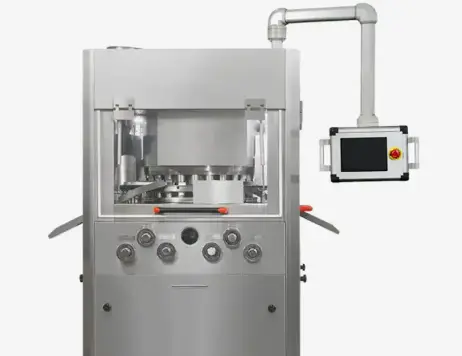
Understanding Bilayer Tablet Press Machines: Technology and Applications
Operating Principles and Layer Pressing Technology
The complex compression principles used by bilayer tablet press tools let two separate layers form at the same time inside a single tablet. Powder feeding systems carefully put materials into special dies that have upper and lower punches. This is the first step in the basic process. The machine makes the first layer by carefully compressing it, and then it carefully applies the second layer of material. Advanced systems for controlling the compression force make sure that the stiffness and density are just right while keeping the layers clearly separated. To keep the tablet's structure and stop cross-contamination between layers, this two-layer formation process needs precise time and pressure coordination. The layer pressing method uses several compression stations that work together to carefully build each tablet layer. Material flow systems use complex feed frames and paddle devices to make sure that the material is spread out evenly inside the die. Each layer's compression settings can be changed separately, which lets makers make the best tablets for a variety of formulations. This technology makes it possible to make combinations of drugs that don't work well together, drug combinations that work well together but look good together, and color combinations that make patients more likely to take their medicine as prescribed.
Key Machine Features and Automation Capabilities
Modern versions of the double-layer tablet press machine have advanced automatic features that make production much more efficient and improve quality control. Programmable logic controllers (PLCs) are often part of these systems. They keep an eye on important factors like layer thickness, tablet weight, and compression force in real time. Multi-station press setups let you make tablets at the same time, and high-end models can make up to 1.2 million tablets an hour while keeping the weight and hardness consistent. Touchscreen controls on user-friendly interfaces let operators change compression settings, keep an eye on production data, and quickly fix problems. In more advanced types, faulty tablets are automatically thrown away if their weight, thickness, or hardness changes. Tooling switching systems make it easy to switch quickly between different tablet formulas, which cuts down on downtime and increases the freedom of production.
Industry Applications Across Multiple Sectors
Pharmaceutical businesses are the main buyers of bilayer tablet presses. They use these tools to make complicated drug formulations that need to separate active ingredients that don't work well together. Bilayer technology helps extended-release medicines because it combines immediate-release and sustained-release layers into a single dose form. A lot of painkillers use this technology to help with both quick relief and long-lasting effects. Nutraceutical companies use bilayer pressing to make new vitamin and supplement products that blend different nutrients or give benefits that are released over time. These machines are used in the food processing business to make specialty candy tablets, coffee tablets, and throat lozenges that need different tastes or functional layers. Bilayer technology is used by chemical companies to make catalyst tablets, cleaning products, and other specialized industrial uses that Bilayer Tablet Press Machine benefit from controlled-release formulas.
Comparing Bilayer vs Single-Layer Tablet Press Machines: Making the Right Choice
Technological Differences and Product Quality Impact
The main difference between single-layer and bilayer tablet presses is how they squeeze the materials and how they can be made. Single-layer machines use simple compression processes to make tablets from powder mixes that are all the same. Bilayer systems, on the other hand, need complex ways to handle materials and progressive compression processes that make it possible to create layers that are separate and have different qualities. This level of technological complexity means that more products are possible, but they need more advanced control systems and skilled operators to use. There are big differences between these two systems when it comes to quality. Single-layer pills offer regular uniformity and simple quality control measures, like weight, hardness, and time to disintegrate. When it comes to quality control, bilayer pills need to be checked for things like layer binding strength, individual layer integrity, and the ability to stop contamination from spreading. The double-layer tablet press machine technology makes it possible for better drug delivery patterns, but it also needs stricter quality control and approval procedures.
Performance Metrics and Efficiency Considerations
The production speed is very different between single-layer and bilayer systems. Usually, single-layer machines can achieve higher throughput rates because their compression processes are easier. Bilayer machines make up for their slower speed by making products more valuable and giving formulators more options. When doing a cost-effectiveness study, you need to look at more than just the initial investment in tools. You also need to think about ongoing operating costs, upkeep needs, and the product's selling potential. The ways that these technologies use energy are different. For example, bilayer systems need more power because they have more compression stations and more complex control systems. But being able to put together different tasks on one tablet could get rid of the need for separate production lines, which could lower the overall cost of the building and the amount of energy used.
Manual versus Automatic Bilayer Press Selection
When freedom and low capital investment are more important than high-volume output, manual bilayer presses are a good choice for small-scale production and study. These systems need skilled workers, but they give you great control over the compression settings and make it easy to change the formulation. Automatic bilayer presses work great in large-scale factory settings that need regular quality, high throughput, and little help from the user. When choosing a supplier, you should think about how much you need to produce, how skilled the operators are, how well the quality system needs to work, and how you plan to expand in the future. For formulating, research institutions usually like manual systems better, while commercial makers need automatic systems to follow rules and make output go more smoothly.
Maintenance and Troubleshooting for Bilayer Tablet Press Machines
Essential Maintenance Routines and Preventive Care
For the split tablet press to work well, it needs thorough Bilayer Tablet Press Machine repair plans that cover both the mechanical parts and the complex control systems. All working parts, like turret bearings, cam tracks, and compression systems, need to be oiled on a regular basis. Because these machines are so complicated, they need special oils that can keep working under high pressure and still meet standards for pharmaceutical manufacturing. As part of daily upkeep, all surfaces that come into contact with the product should be cleaned thoroughly, the condition of the punch and die should be checked, and the compression force settings should be confirmed. As part of weekly processes, wear parts are carefully looked over, weight control systems are calibrated, and safety interlocks are tested. Maintenance that is done once a month includes full motor checks, tests of the electrical system, and keeping track of performance trends that could mean problems are starting to appear. Schedules for replacing parts must take into account the tough working conditions that come with making bilayer tablets. Punches and dies get very worn out because they have to go through a lot of compression processes to make layers. High-quality replacement parts keep tablet quality uniform and stop unplanned breaks that could throw off production plans.
Common Issues and Troubleshooting Strategies
One of the most common problems in making bilayer tablets is that the weight of the tablets changes. This is usually because the powder doesn't flow evenly or the feed systems are worn out. To fix a problem, you have to carefully look at the paths that materials move, change the feed paddles, and check the die cavities. Calibration of weight tracking tools on a regular basis keeps small differences from turning into big quality problems. Layer separation issues can happen when the compression force is set incorrectly, the tool's surfaces are dirty, or the formulation properties don't work well together. To fix these problems, we need to carefully look at the compression settings, clean the parts well, and maybe make changes to the recipe. Cross-contamination between layers needs to be fixed right away to avoid rejecting batches and possibly having problems with following the rules. Vibrations and noise levels in machines are often signs of technical problems that need to be fixed right away. These signs are caused by worn bearings, parts that aren't lined up right, and worn cam tracks. Systematic diagnostic methods used early on can stop small problems from getting worse and turning into major equipment breakdowns that could cause extended downtime and expensive fixes.
Procurement Guide: How to Buy the Perfect Bilayer Tablet Press Machine
Critical Evaluation Factors and Technical Specifications
When choosing a double-layer tablet press machine, capacity needs Bilayer Tablet Press Machine to be the most important thing you think about. The amount of output directly affects machine size, level of automation, and prices. Buyers need to look at both present output needs and growth estimates for the future to make sure that investments in equipment will pay off over the long term. Technical specs should include ranges of compression forces, the largest tablet sizes that can be made, and requirements for tool compatibility that are specific to the recipes that are being planned. Quality approvals are very important when choosing tools, especially for pharmacy uses, where following the rules is necessary. Certification as an ISO 9001 quality management system is the basic requirement, and cGMP compliance makes sure that the system is suitable for use in pharmaceutical manufacturing settings. Extra approvals, like the CE mark, make foreign trade easier and show that safety standards are being met. Concerns about warranties go beyond normal coverage periods and include things like the availability of parts, the speed with which services are provided, and the quality of technical help. Full warranty plans should include services for setting up and starting, training for operators, and advice on how to do preventative maintenance. Extended warranty choices are often a good way to protect expensive, complex technology that can be hard to fix.
Pricing Structures and Investment Analysis
The price of equipment changes a lot depending on how much it can produce, how automated it is, and what features it comes with. For study purposes, entry-level manual systems usually require modest investments, while high-capacity automatic systems require large capital investments. To find out what the real value of an item is, you should look at its total cost of ownership, which includes its upkeep costs, operating costs, and possible efficiency gains. Traditional equipment loans, lease agreements, and lease-to-own programs are all possible ways to finance your business. These choices can help you better control your cash flow and lower your initial capital needs. Some makers let customers choose how and when they pay, so that it fits with their cash flow and project schedules. When looking at their financial options, international buyers should think about the risks of currency fluctuations and the effects that might have on import duties. Customization options from OEMs let you change equipment to meet unique production needs that normal configurations can't meet. Customized tools, special control systems, and special material handling features can make equipment much better at what it's supposed to do. But tailoring usually comes with extra costs and longer delivery times that need to be planned for in the project plan.
Logistics and After-Sales Support Considerations
Heavy industrial equipment that needs to be shipped internationally needs to be handled in a certain way and may need customs paperwork and possibly supervision during installation. Reputable makers offer full logistics support, which includes designing, packing, coordinating shipping, and planning installation. Different countries have different rules and standards for certifications that must be taken into account early on in the buying process to avoid delays. Quality of service after the sale is an important part of choosing tools, especially when it comes to multilayer tablet press systems, which are very complicated. To keep output going, you need quick technical help, spare parts that are easy to find, and skilled service technicians. Response times and service quality are directly affected by the service network's presence in your area. Operator training, repair routines, and troubleshooting methods that are specific to your equipment should all be part of your training programs. Comprehensive training lowers practical risks, makes better use of tools, and increases its useful life by teaching the right way to use it.
Trusted Brands and Suppliers: Finding Reliable Bilayer Tablet Press Manufacturers
Leading Certified Manufacturers and Market Innovations
The bilayer tablet press market features several established manufacturers with proven track records in pharmaceutical equipment production. These companies distinguish themselves through technological innovation, quality certification, and comprehensive customer support. Leading manufacturers typically maintain ISO certifications, FDA registrations, and adherence to international standards for pharmacy tools up to date. Factop is a well-known company in this industry that specializes in high-tech pharmacy equipment, such as double-layer tablet press machine systems, that can be used for a variety of production needs. Their production skills include both standard and unique designs that can be used in chemical, pharmaceutical, and nutraceutical settings. Because the company cares about quality and new ideas, it has built strong relationships in places around the world. Leading makers have come up with new technologies like advanced control systems, better tooling designs, and better automation powers that make work easier for operators while also making the quality of the products better. New developments focus on connecting data, predicting maintenance needs, and integrating with industrial execution systems that make output more efficient as a whole.
Supplier Evaluation Criteria and Risk Mitigation
To figure out how reliable something is, you have to look at the past of the manufacturer, how stable their finances are, and customer examples from similar apps. Manufacturers that have been around for a long time and have a lot of knowledge usually offer more stable long-term relationships and better support. Customer reviews and case studies are great ways to learn about how well technology really works and how responsive a seller is. Compliance licenses show that a maker is committed to meeting quality standards and legal requirements. Pharmaceutical equipment providers should have more than just basic quality standards. They should also keep up with current good manufacturing practice (cGMP) compliance and show that they understand the requirements for regulatory validation. Regular audits by a third party and programs for ongoing progress show a strong dedication to quality excellence. Excellent customer service includes many things, double-layer tablet press machinesuch as how quickly technical help responds, how easy it is to get replacement parts, and how good the training programs are. Effective suppliers have customer service teams that are only responsible for their equipment lines and have technical knowledge about those lines. Global sellers should have local support options or networks of approved distributors that can help quickly.
Regional Distribution Networks and Support Infrastructure
North American markets are helped by well-established networks of distributors who offer local stock, technical support, and service. Most of the time, these networks keep spare parts on hand and hire trained repair technicians who know the rules in their area. Regional wholesalers often offer credit options and trade-in programs that make it easier to get new tools. European markets have complex regulatory settings that require equipment providers with specialized compliance knowledge. In this part of the world, authorized wholesalers usually keep detailed records and the validation support tools that are needed for pharmaceutical manufacturing. Technical help usually includes being able to speak more than one language and knowing how to meet the rules in different countries. As local production grows, emerging markets expect higher and higher levels of pharmaceutical equipment. In these areas, supplier networks rely on sharing technology, training operators, and setting up local service skills that keep equipment running for as long as it's needed.
Conclusion
Bilayer tablet press technology is a big step forward in the pharmaceutical industry. It makes it possible to make new drug delivery methods and complicated formulas that meet the changing needs of the market. When choosing the right tools, technical specs, output needs, and long-term operational goals must all be carefully thought through. Knowing the differences between manual and automatic systems, as well as the upkeep needs and provider abilities, is important for making smart purchasing decisions that last. As personalized medicine and complicated therapeutic combinations become more common in the pharmaceutical business, double-layer tablet press machine technology will become more and more important in making these changes possible. Choosing reliable sources, following thorough working procedures, and investing in training programs that make the most of equipment's capabilities while keeping consistent product quality are all important parts of a successful application.
FAQ
1. What are the primary benefits of bilayer tablet presses over single-layer systems?
Bilayer tablet presses make it possible to make complicated mixtures with active ingredients that don't work well together. They also make controlled-release profiles possible and improve patient compliance by making the differences between the layers visible. With these methods, drug companies can put together instant and extended-release formulations in one tablet, which lowers the number of pills needed and improves therapeutic results.
2. How do I determine the appropriate production capacity for my operations?
Choosing the right production capacity relies on how much is needed now, how much is expected to grow, how complicated the formula is, and how much time is available for production. When figuring out how much power you actually need, you should think about things like batch sizes, how often switchovers happen, and how long quality control tests take. Most manufacturers do better when they choose equipment that has 20–30% more capacity than they need to allow for growth and operating freedom.
3. What should I expect from after-sales service for bilayer tablet press equipment?
Full after-sales service should include help with setting up and starting, training for operators, preventative maintenance plans, and quick expert support. Quality suppliers provide readily available spare parts, remote diagnostic capabilities, and field service technicians trained on your specific equipment configuration.
Contact Factop for Your Double-Layer Tablet Press Machine Needs
Factop has modern bilayer tablet press options that are built to be reliable, precise, and efficient, and they are ready to help you reach your goals for making medicines. For your unique production needs, our experienced engineering team offers full advice services to help you choose the best double-layer tablet press machine design. We are a reliable company with experience doing business all over the world. To make sure your business runs smoothly for a long time, we offer full expert help, training programs, and spare parts. Our team will help you every step of the way through the buying process, whether you need standard production tools or custom solutions for unique uses. Get in touch with michelle@factopintl.com right away to talk about your needs and get a full quote that fits your production needs.
References
1. Smith, J.R., K.L. Johnson & Co. (2023). The basics of advanced tablet compression technology and how it can be used in modern pharmaceutical production. Press for Pharmaceutical Engineering.
2. This is Chen, M., Rodriguez, A., and Thompson, D. (2022). In the Journal of Pharmaceutical Sciences (111(8)), 2245–2258, it is written about "Bilayer Tablet Formulation Strategies for Incompatible Drug Combinations."
3. Anderson and P.K. (2024). Tablet Press Technology: A Guide to Choosing the Right Equipment for Making Medicines. Publications for Manufacturing Excellence.
4. Khan, V., Williams, S.R., & Lee, H.J. (2023). Drug Technology, 47(3), 34–42. "Quality Control Strategies in Multilayer Tablet Production: A Comprehensive Review."
5. International Association for Pharmaceutical Equipment. (2023). Guidelines for compliance and certification for global standards for tablet compression equipment. Technical Reports from IPEA.
6. Brown, R.M. & Davis, K.S. (2022). Maintenance and fixing problems with equipment used to make drugs. Publishing for the Industrial Press.
YOU MAY LIKE