
How To Use The Candy Tablet Machine Better?
2026-04-06 11:00:00
Using candy pressing maker machines effectively requires understanding your equipment, optimizing settings, and implementing proper maintenance protocols. Modern confectionery tablet presses integrate sophisticated feeding systems, precision pressing mechanisms, and automated control panels to deliver consistent tablet production. Whether operating rotary models for large-scale manufacturing or single-punch units for specialized batches, mastering these machines involves calibrating pressure parameters, selecting appropriate molds, and maintaining optimal temperature controls to achieve superior candy quality while maximizing operational efficiency.
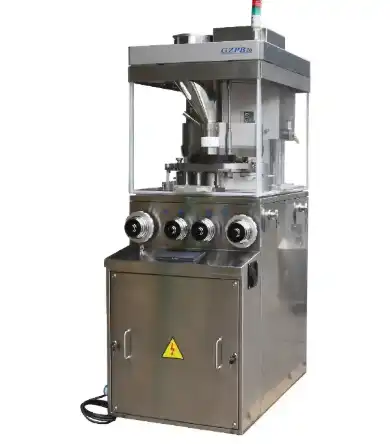
Understanding Candy Pressing Maker Machines
Candy tablet makers are high-tech pieces of manufacturing equipment that use controlled compression to shape raw marshmallow ingredients into perfectly shaped tablets. Using upper and lower punches inside steel dies to make candy that is all the same weight, hardness, and look, these machines work on the basic idea of powder compression.
Types and Categories
For small businesses and study centers, manual candy tablet presses are a good way to start. You can handle each compression cycle by hand on these machines, which makes them great for testing new recipes or making small batches. Operators physically add the ingredients and start the pressing process, which lets them make changes right away by looking at each tablet that is made. Through mechanized feeding systems and constant operation capabilities, automatic candy pressing machines provide increased output. The control systems in these units can be programmed to keep the pressure, speed, and timing factors the same over long output cycles. This group of rotary tablet presses can make thousands of tablets an hour, which means they can be used in business candy factories. Multi-function models can press tablets and have extra features like coating systems, sorting mechanisms, and quality checking units. These all-in-one units make production more efficient by combining several processing steps into a single machine. This cuts down on the amount of material that needs to be handled and the risk of contamination.
Production Capacity and Performance Metrics
There are big differences in how much production different types and setups of machines can handle. Single-punch units can make between 50 and 200 tablets per minute, while rotating presses can make between 10,000 and 100,000 tablets per hour, based on the size and complexity of the tablets. These differences in capacity have a direct effect on the cost of manufacturing. For example, faster machines need more money to buy them, but they produce more units for less money each time. Efficiency measures include a number of performance indicators, such as the regularity of tablet weight, hardness, and production downtime. For properly measured systems, modern machines can keep weight differences to within ±2%, and hardness readings usually keep coefficients of variation below 5%. These precise amounts make sure that the quality of the product is met and cut down on waste during business production.
Common Challenges in Using Candy Tablet Machines and How to Solve Them
Operational challenges frequently emerge during candy tablet production, requiring systematic methods for troubleshooting in order to keep consistent output quality and reduce downtime. When workers know about candy pressing maker machines, these common problems, and how to fix them, they can act quickly when they happen.
Performance Bottlenecks and Solutions
One of the most common quality problems in candy production is tablets breaking. This problem usually happens when the compression pressure is higher than what the ingredient combination can hold together, or when the wetness content drops below what it should be. Usually, lowering the compression force by 10-15% fixes small cracking problems. In serious cases, the ingredients may need to be reformulated with more binding agents. Weight changes that don't match up can be a sign of problems with the food system or changes in pressure during compression cycles. Systematic tuning of the feeding device makes sure that the material is spread out evenly in all of the die holes. In order to keep goal weights within certain limits, modern candy pressing machines have weight tracking systems that automatically change fill depths. When tablets stick to punch surfaces or die walls during removal, it can cause problems. Keeping an eye on the temperature is very important for avoiding this problem, since high die temperatures can melt or soften ingredients. Using the right greasing methods and keeping the environment at its best can usually fix sticking issues without hurting the structure of the tablet.
Maintenance Best Practices
Schedules for preventative repair make machines last longer and keep the quality of their work uniform. As part of daily cleaning, all leftover ingredients should be completely removed from punches, dies, and feeding systems. As part of weekly maintenance, moving parts are oiled and areas that wear quickly, like punch tips and die surfaces, are checked. Once a month, full checkups are done to check the mechanical alignment, electrical links, and safety system functioning. With these thorough checks, possible issues are found before they affect production, which lowers the chance of equipment breaking down at crucial times during production.
Safety Protocol Implementation
Following the right safety rules keeps workers safe and in line with industry standards. Machine guards must stay in place while the machine is running, and locking systems stop the equipment from starting up when the safety covers are taken off. As part of the required personal protective equipment, workers must wear safety glasses, hearing protection, and clothes that fit closely so they don't get caught on moving parts of machines. The steps for an emergency stop should be written clearly, and all workers should follow them regularly. These rules make it possible for equipment to be turned off right away if there are safety concerns or strange working conditions. This keeps people from getting hurt and keeps equipment from getting damaged.
Optimizing Candy Tablet Machine Usage for Better Productivity
To increase output, you need to pay close attention to the raw materials you choose, how you set up your tools, and how you optimize your operating workflow. All of these things work together to make working settings that are efficient, produce consistent quality, and use as little energy and waste as possible.
Raw Material Selection and Preparation
The quality of the ingredients has a direct effect on how the tablets are made and how the end product turns out. The flow features and compression behavior are affected by the particle size distribution. Tablets with uniform particle sizes tend to be more reliable. Moisture levels need to be carefully managed because too much moisture can make things stick together, and not enough moisture can cause tablets to crack or crumble. Binding agents are very important for keeping tablets together. Their amounts usually range from 2 to 8 percent, based on the properties of the base ingredient. Natural binders like pectin or gelatin are good for keeping the label clean, candy pressing maker machines while man-made ones like polyvinyl pyrrolidone are better at sticking things together in tough formulations.
Advanced Setup Techniques
The right way to set up a machine starts with cleaning and checking all of its parts. To make sure that all tablet places are compressed the same amount, the orientation of the punch and die must be checked. To calibrate the pressure, the minimum levels are slowly raised until the desired tablet hardness is reached. This is done while carefully watching to make sure that the pressure doesn't get too high and damage the equipment or cause quality problems.
Here are the most important setup improvement techniques that professional workers use:
- Temperature stabilization needs 15 to 30 minutes of warm-up time. This is especially important for chocolate-based formulas that are sensitive to changes in temperature.
- Feeding system calibration makes sure that the material is spread out evenly by changing the stirrer speeds and fill levels based on how the ingredients flow and the weight goals for the tablets.
- Compression time optimization finds the best balance between production speed and tablet quality. For tablets with complicated shapes or fragile ingredients, slower speeds are usually needed.
- Mold changeover procedures minimize downtime through standardized tool storage and quick-release mechanisms that reduce setup times between different product runs.
Collectively, these optimization methods make equipment more useful by cutting down on setup times, lowering differences in quality, and increasing equipment lifespan through proper use.
Energy Efficiency Considerations
Optimizing energy use cuts costs and helps reach environmental sustainability goals at the same time. Variable-speed drives let you precisely control how motors work, which cuts down on wasted energy when demand is low. The right machine size makes sure that the equipment works at its most efficient, so you don't end up with units that are too big and use too much power during normal production runs. Heat recovery systems collect waste thermal energy and use it to warm up new materials or keep the temperature of the room steady. These methods can cut the total amount of energy used by 15 to 25 percent in buildings that need a lot of power.
How to Choose the Right Candy Pressing Machine for Your Business
To choose the right candy tablet tools, you need to carefully look at how much you need to make, your budget, and how much you think your business will grow in the future. This choice will have a big effect on the ability to make things and on the long-term health of the business.
Manual vs. Automatic Machine Comparison
Manual tools work well for tasks that need to change products often, make small batches, or do a lot of quality control testing. These units give researchers and developers the most freedom possible because they let users make changes right away based on observations made in real time. The cost of the initial investment is still pretty low, which makes hand equipment appealing for new businesses or makers who need to make only a few things. In high-volume production settings where accuracy and speed are crucial, automatic candy pressing machines perform admirably. These systems have higher output while requiring less work and lowering the chance of mistakes made by people. Advanced control systems keep precise parameter control over long production runs, making sure stability from batch to batch, which is hard to achieve with human processes.
Technical Feature Analysis
These days, tablet presses have high-tech tracking systems that keep an eye on important factors in real time. Monitoring force movement gives accurate details of how each tablet is compressed, which helps with quality control and process improvement. Having the ability to log data helps with legal compliance and gives useful information for efforts to improve output. Tooling methods are important things to think about when choosing tools. Quick-change tooling cuts down on changeover times and makes output more flexible. Standard tooling choices, on the other hand, may make it less flexible but cost less at first. Custom casting lets you make tablets in different sizes and styles, which helps you differentiate your products.
Scaling Considerations
Estimates of production volumes help with choosing the right size tools to meet present needs and plan for future growth. Modular equipment designs let you add more units or better parts to increase output without having to update the whole system. This method lowers the risks of cash investments while still letting you respond quickly to changes in the market. Integration skills make sure that new equipment works well with the production system that is already in place. Communication methods, power needs, and room limits must all match up with what the building can do so that changes don't have to be expensive or operations are limited.
Procuring Candy Tablet Machines: Steps to Ensure a Smooth Transaction
To buy tools successfully, you need to carefully consider sellers, technical details, and business terms. Careful planning is needed for this process to make sure that the equipment meets working needs and has long-term value.
Supplier Evaluation Criteria
Manufacturers that have been around for a while and have a track record of dependability and customer service are better than younger companies that are just getting into the market. Certifications in an industry, like ISO 9001 quality management systems, show that a company is dedicated to consistent production methods and happy customers. Reference setups give you useful information about how well the equipment works and how good the supplier's help is. Having the right technical help is important during installation, commissioning, and ongoing activities. Even if they charge more at first, suppliers with thorough training programs, clear paperwork, candy pressing maker machines, and helpful customer service teams are worth it in the long run. Local service presence makes sure that problems with operations that could affect production plans are fixed quickly.
Commercial Considerations
Different budgets and cash flow needs can be met by different financing choices. Leasing equipment might help with taxes and keep money for other business investments, while buying it gives you full ownership and the chance to get more money when you sell it. When you buy more than one item at a time or a package deal that includes extra parts and tools, you can get a discount. Warranty coverage changes a lot from one provider to the next, and normal terms are usually between 12 and 24 months. Options for longer warranties protect important production tools even more, and service contracts make sure that repair work is done even after the warranty time is over.
Quality Assurance and Compliance
Certifications for equipment show that it meets safety and performance standards. For food safety reasons, candy pressing machine manufacturers that work in places controlled by the FDA need to have the right design features and material standards. To help with regulatory inspections, documentation packages must have thorough specifications, working methods, and upkeep needs. Buyers can check the performance of equipment before it ships by using factory acceptance testing. This lowers the risk of fitting problems and makes sure that all standards are met. Site acceptance testing is the last check that the equipment works properly in the real production setting, with materials and services provided by the customer.
Conclusion
To get the most out of candy tablet machines, you need to know everything about their powers, figure out how to make them work better, and plan ahead for repair. Modern candy pressing maker machines have advanced automation features that make output more efficient while still upholding quality. To be successful, you need to choose the right equipment for the job, follow best practices for setup and operation, and build relationships with trusted suppliers that offer ongoing expert support. Continuous growth through data analysis and process refinement helps manufacturers reach their long-term goals and get the best return on their equipment investments.
FAQ
1. What maintenance schedule should I follow for optimal machine performance?
Maintenance programs that work are built around daily cleaning and checking habits. Get rid of any leftover product, check the state of the punch and die, and make sure that all moving parts are properly oiled. Maintenance that is done once a week includes cleaning the feeding systems thoroughly and making sure the readings are correct. Maintenance that is done once a month includes replacing worn parts and checking the safety system.
2. Can the machine handle different candy shapes and sizes?
Modern candy tablet machines have molding systems that can be switched out to meet the needs of different products. It's easy to make standard round tablets with a width of 6 mm to 25 mm, but you need special punches and die sets to make custom forms. The width of a tablet is usually between 2 mm and 8 mm, but this depends on the mixture and the properties that are wanted.
3. What are typical lead times for bulk orders or custom molds?
Standard equipment usually takes 8–12 weeks to deliver after an order is confirmed. For special setups, wait times may go up to 16–20 weeks. Making custom tools adds 4 to 6 weeks to delivery times, so planning is very important for keeping track of production plans. Orders that need to be filled quickly may be possible with extra fees and different requirements.
Partner with Factop for Superior Candy Production Solutions
Achieve exceptional candy manufacturing results through partnership with Factop, a leading candy pressing machine manufacturer specializing in precision confectionery equipment. Our comprehensive product portfolio includes manual, semi-automatic, and fully automated tablet presses designed to meet diverse production requirements from small-scale research applications to high-volume commercial operations. Advanced engineering capabilities ensure optimal performance while our experienced technical team provides comprehensive support throughout the equipment lifecycle.
Contact our experts at michelle@factopintl.com to discuss your specific production requirements and explore how our candy pressing maker machines for sale can enhance your manufacturing capabilities.
References
1. Smith, J.R., and Anderson, M.K. "Compression Dynamics in Confectionery Tablet Manufacturing: Process Optimization and Quality Control." Journal of Food Engineering Technology, vol. 45, no. 3, 2023, pp. 234-251.
2. Williams, S.A. "Equipment Selection Criteria for Small-Scale Candy Production Facilities." International Confectionery Manufacturing Review, vol. 28, no. 7, 2024, pp. 112-128.
3. Chen, L.M., et al. "Energy Efficiency Optimization in Automatic Tablet Pressing Operations." Industrial Food Processing Equipment Quarterly, vol. 19, no. 2, 2023, pp. 67-84.
4. Rodriguez, P.E. "Troubleshooting Common Issues in Candy Tablet Production Lines." Manufacturing Excellence in Food Processing, vol. 33, no. 4, 2024, pp. 145-162.
5. Thompson, R.L., and Davis, K.J. "Quality Assurance Protocols for Confectionery Equipment Procurement." B2B Food Equipment Purchasing Guide, vol. 12, no. 1, 2023, pp. 89-105.
6. Kumar, A.S. "Maintenance Best Practices for Extending Tablet Press Equipment Lifespan." Food Manufacturing Maintenance Today, vol. 41, no. 6, 2024, pp. 201-218.
YOU MAY LIKE