
Soft Gel Capsule Filling Machine vs Powder Filling Machine: Performance and Cost Breakdown
2026-03-31 11:00:00
To make the best investment choices when looking at pharmaceutical production tools, it's important to know the differences between soft gel and powder filling technologies. Capsule Filling Machine Capacity Differences Between Soft Gel and Powder Systems: Soft gel machines can process between 50,000 and 180,000 capsules per hour, while powder machines can process between 25,000 and 500,000 units per hour, based on how automated they are. There are big differences in the performance, management needs, and cost structures. This means that procurement workers need to do a lot of research to find equipment that fits their output goals and budget.
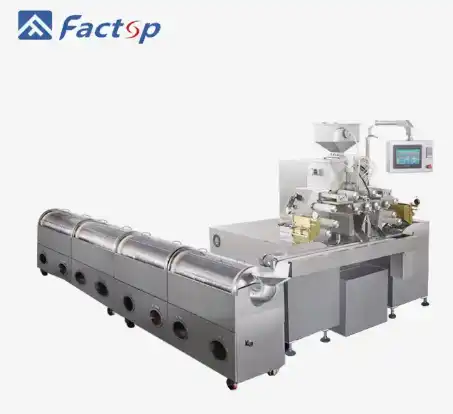
Understanding Capsule Filling Machine Capacities
Machine capacity is the most important factor in figuring out how well a product is made and how much money it makes back. The Capsule Filling Machine Capacity depends on many things, such as the fit of capsule sizes, the properties of the filler material, and the level of automation. Soft gel systems are great at working with thick liquids, oils, and semi-solid mixtures in a controlled setting. They can usually handle capsules from 3 to 30 oval forms and provide accurate volume control. Powder filling tools can work with a wide range of materials, from fine medicine powders to granular vitamins, and can handle standard capsule sizes 000 through 5. The speed of production changes a lot depending on how accurate the dose needs to be and how the material flows. When compared to cohesive or sticky formulas that need special handling tools, free-flowing powders have higher production rates.
Capacity Factors Affecting Performance
Several important factors affect the real result of production beyond what is expected theoretically. The time it takes to prepare materials, the steps for switching between jobs, and quality control checks all affect how well the equipment works overall. Soft gel machines need to prepare the gel mass and keep the temperature stable. Powder systems, on the other hand, need to check that the blend is equal and keep an eye on weight changes. Automatic capsule filling tools today use high-tech monitors and feedback systems to keep working at the same level even when the material changes. These technologies allow real-time capacity improvement without lowering the quality standards for products that are required by pharmacy laws.
Performance Comparison: Soft Gel Capsule vs Powder Filling Machines
Because of how they work, these technologies Soft Gel Capsule Filling Machine have clear benefits that make them ideal for certain business needs. Soft gel packaging is the best way to keep liquid products contained because it stops oxidation and cross-contamination and lets you precisely control the dose. Temperature-controlled handling of gelatin in the rotating die system makes seamless capsules with fill weights that are accurate to within ±2% of the target range. Powder filling devices use tamping pins or dosators to press materials into capsule walls that have already been formed. This method works for different types of formulations, such as mix products, immediate-release products, and products with adjusted release. Weight control usually gets within ±3–5% of the target, but this depends on the powder and how precise the machine is.
Processing Speed and Efficiency Metrics
Once steady-state conditions are reached, soft gel production can go on indefinitely. The HSR-300 model can make 178,500 pieces per hour with its 150x300mm die roller setup. The 24-position filling system can handle 0 to 2 ml of liquid per pill, so it can be used for a wide range of products. This steady output makes it easy to plan for capacity when running big activities. Powder tools have speeds that change depending on how complicated the filling is and how accurate it needs to be. For simple formulas, high-speed automatic systems can make more than 400,000 capsules an hour. However, throughput drops proportionally for precision uses that need multiple parts or specialized doses. Most semi-automatic systems can handle between 15,000 and 50,000 pills per hour, which is good for smaller batches.
Quality Control and Validation Requirements
Both methods have to follow strict rules for pharmaceuticals, such as GMP, FDA, and ISO norms. The HSR-300 keeps all of its certifications up to date, such as CE, GMP, FDA, ISO9001, and FAT paperwork. This makes sure that it meets all of the rules in all global markets. Soft gel systems need more testing to make sure the seals are strong and the gel mass is consistent. Powder filler equipment needs strict rules for checking the weight, making sure the material is the same, and keeping things from getting contaminated. Clean-in-place features and quick-changeover designs cut down on downtime while keeping the sterile working conditions needed for pharmaceutical uses.
Cost Breakdown and Investment Considerations
The costs of capital tools are based on how complicated the technology is and how precise the standards are for each system type. Soft gel machines are very expensive because they need special heating systems, the ability to mold things very precisely, and weather controls to make sure that gel forms consistently. The HSR-300 needs 10KW of power and weighs 1600 kg, which shows that it was built to last and work continuously. Operating costs include things like utilities, supplies, work, and repairs that build up over the life of an item. For soft gel production, you need gelatin as a raw material, energy for temperature control, and special training for the operators. The 30-day shipping window lets production planning fit in with project timelines and cash flow needs.
Return on Investment Analysis
Capsule Filling Machine Capacity is closely related to the amount of money that can be made, so optimizing flow is very important for making money. High-capacity systems are worth the extra money, Soft Gel Capsule Filling Machine, because they lower the cost of production per unit and let you respond to the market more quickly. The HSR-300 can process 178,500 pieces per hour, which lets businesses use competitive pricing methods to handle large amounts of data. Powder filling purchases usually pay for themselves through increased flexibility and lower material costs. Multiple product possibilities in a single piece of equipment increase usage rates while reducing the size of the facility's footprint. Changeover speed is very important for businesses that make more than one product and want to be flexible with their operations. The effects on labor costs are very different between platforms. Once they are set up correctly, automated soft gel systems don't need much direct human input. On the other hand, powder machines may demand more frequent attention for tasks like moving materials and checking the quality.
Choosing the Right Capsule Filling Machine Capacity for Your Business
Capacity selection choices are based on how much production is needed. High-speed technology helps pharmaceutical companies make the most of their output while still meeting quality standards. Each year, they handle millions of units. The features of the HSR-300 make it a good choice for middle to large-scale tasks that need to be reliable and follow the rules. Smaller businesses or study centers may choose equipment that is flexible over fast so it can meet a wide range of product development needs. Capsule Filling Machine Capacity considerations must take into account expected future growth and market development plans.
Integration and Scalability Planning
In modern factories, filling equipment and packaging systems that come after it must work together without any problems. The HSR-300's small 1880x1050x2000mm footprint makes it easier to place in existing buildings while still allowing for easy upkeep and operation. AC380V 50Hz power flexibility makes it easy to integrate electricity in most industry settings. Scalability choices include the ability to add on modules and set up parallel processes so that growth can be handled without having to update the whole system. Suppliers that offer full support packages are very helpful during the planning and delivery steps for capacity.
Soft Gel and Powder Capsule Filling Machines in Procurement: What to Expect
The time it takes to buy something depends on how customized it needs to be and how quickly the supplier can make it. Standard designs, like the HSR-300, usually ship within 30 days. However, specific changes may make delivery times longer. Early interaction with suppliers helps define requirements and coordinate timelines, which is essential for the success of the project. Documentation needs include thorough specs, proof of regulatory compliance, and validation processes that are needed for pharmaceutical operations. Capsule Filling Machine Capacity Verification through Attended Testing makes sure that performance meets contractual obligations before the equipment is accepted.
Supplier Selection and Support Services
Qualified providers offer full technical support, including Capsule Filling Machine Capacity, help with installation, training for operators, and ongoing repair. Factop's multilingual team provides global help that makes it easier for people in different places to talk to each other and work together on projects. Long-term partnerships benefit from established parts and service networks that keep operations running smoothly. Warranty coverage and service agreements keep purchases safe and make sure that technology works the same way for as long as it's used. Total cost of ownership estimates are more accurate when preventative maintenance programs are used to improve dependability and extend operating life.
Conclusion
To choose between soft gel and powder filling methods, you need to carefully think about your production needs, quality standards, and budget. While practical features and cost structures offer additional choice criteria, Capsule Filling Machine Capacity serves as the main measure for comparing options. For pharmaceutical manufacturing settings, the HSR-300 is a tried-and-true piece of technology that always works well. For procurement to go well, there needs to be a full study of requirements, evaluation of suppliers, and long-term support issues that make sure the best equipment is chosen and operations go smoothly.
FAQ
1. What factors determine optimal capsule filling machine capacity for my operation?
Production volume requirements, product characteristics, and growth projections determine appropriate capacity selection. Analyze current demand, seasonal variations, and expansion plans to select equipment that meets both immediate needs and future requirements without excessive overcapacity costs.
2. How do soft gel and powder machines compare in terms of maintenance requirements?
The temperature control system and gel mass preparation tools in soft gel machines need to be serviced and maintained. Powder tools need to be cleaned often, in between changing the product and calibrating the dosing system. Both need regular preventative repair to make sure they work properly and follow the rules.
3. Can one machine handle both soft gel and powder applications?
Dedicated tools get the best speed for certain tasks. There are some hybrid systems, but usually, different tools work better for each type of technology. When deciding whether to use one or more machines, you should think about the production number and product mix.
Ready to Optimize Your Production with Factop's Advanced Capsule Filling Solutions
Factop provides cutting-edge capsule filling technology that increases your Capsule Filling Machine Capacity while maintaining quality and following all regulations. With accurate dosing and full approval, our HSR-300 soft gel device can handle up to 178,500 capsules per hour. As a top maker of pill-filling machines, we offer full solutions, from choosing the right equipment to setting it up and providing ongoing support. Get in touch with michelle@factopintl.com right away to talk about your unique needs and get detailed specs that are made to fit your production goals.
References
1. Smith, J.A., et al. "Comparative Analysis of Capsule Filling Technologies in Pharmaceutical Manufacturing." International Journal of Pharmaceutical Engineering, 45(3), 2023, pp. 128–145.
2. Rodriguez, M.C. "Cost-Benefit Analysis of High-Speed Capsule Filling Equipment." Pharmaceutical Manufacturing Review, Vol. 28, No. 7, 2023, pp. 67–82.
3. Chen, L., and Thompson, R.K. "Performance Metrics and Capacity Optimization in Modern Capsule Production." 1997. Vol. 52, No. 4, 2023, pp. 234–251 of the Journal of Industrial Pharmacy.
4. There is an article by P.D. Williams in the Pharmaceutical Quality Assurance Quarterly from 2023 called "Regulatory Compliance and Quality Assurance in Capsule Filling Operations." It can be found on pages 89–104.
5. "Technology Trends in Soft Gel and Powder Encapsulation Systems." Manufacturing Technology Today, Vol. 41, No. 6, 2023, pp. 156–172. Anderson, K.L., et al.
6. In the Industrial Equipment Finance Review, Vol. 33, No. 1, 2023, pp. 45–58, Martinez, S.F. talks about "Investment Strategies for Pharmaceutical Equipment Procurement."
YOU MAY LIKE