
How Do Capsule Filling Machines Work? A Comprehensive Guide for Pharmaceutical and Nutraceutical Manufacturers
2026-03-31 11:00:00
Today, capsule-filling tools are an important part of making capsule-filling machines, medicines, and nutraceuticals. They automatically put powders, granules, pellets, and liquids into hard gelatin or veggie capsules. These high-tech systems have changed the way many businesses make things more efficient, from making prescription drugs to making food supplements. Production managers, quality control experts, and procurement professionals who want to improve their manufacturing processes while still meeting high-quality standards and legal requirements need to understand how Capsule Filling Machine technology works.
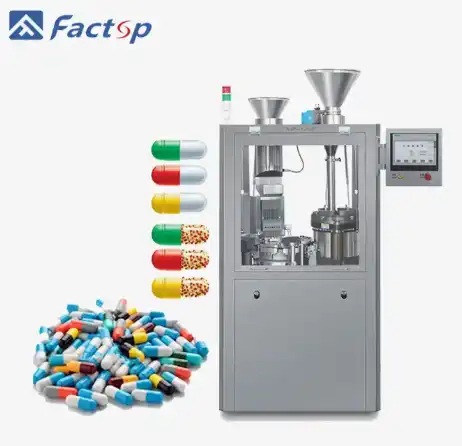
Understanding Capsule Filling Machines: Core Principles and Mechanisms
Modern packaging equipment is based on basic ideas that have changed a lot over the last few decades of pharmaceutical innovation. These machines take over a process that used to be done by hand and require a lot of work. They use complex mechanical and pneumatic systems to turn raw materials into exactly dosed pills.
The Basic Workflow of Capsule Encapsulation
The encapsulation method has a set way of doing things that makes sure the quality and dose are always the same. Empty capsules are fed into the machine through a hopper system. The capsules are then automatically oriented to separate the caps from the bodies. The vacuum technology in the separation system holds the capsule bodies in place in the filling plates, while the caps stay in place in their own holding plates. In the filling process, pharmaceutical ingredients move from storage hoppers to dosing devices, which control the exact amounts. Weight-based dosing systems make sure that every pill gets the exact amount that was written into the instructions. Modern Capsule Filling Machine models have more than one filling station, so they can handle different formulas at the same time and keep up with tight production plans.
Key Components and Their Functions
Understanding the machine's technical parts helps production teams get the most out of it and fix any problems that might come up. One of the most important parts is the capsule orientation system, which uses pressure tanks and motorized guides to put empty capsules in the right place for filling. Dosing systems are very different between kinds of machines. They range from simple volumetric fills to complex gravimetric systems that weigh each dose separately. The tamping mechanism pulls down on powdered ingredients to make sure that the fill density stays the same, and the cap replacement system makes sure that the finished capsules are put back together correctly. Modern tools use sensors all along the process to check the quality of the capsules, find any Capsule filling company that is missing caps or bodies, and make sure the fill weights are correct. By rejecting faulty pills automatically, these quality control systems keep the integrity of the batch and make sure that regulations are followed without any help from a person.
Key Benefits and Practical Applications in Pharmaceutical and Nutraceutical Production
There are real benefits to automated packaging technology that have a direct effect on how efficiently products are made, how well they work, and how much it costs to run the business. These benefits apply to all levels of manufacturing, from small study labs to large business factories that make a lot of things.
Enhanced Production Efficiency and Quality Control
Capsule Filling Machine systems greatly increase output compared to traditional methods while lowering the cost of labor and the chance of mistakes. Modern machines, like the NJP-1200C type, can make 72,000 pills an hour, which is a big improvement over the old ways of doing things. This increase in efficiency helps producers keep prices low while meeting the needs of a growing market. Quality stability is another important benefit, since automatic systems get rid of the differences that come with filling things by hand. Precise dosing systems make sure that every capsule has the right amount of active ingredients to meet legal requirements and patient safety standards. Modern tools keep the accuracy of the filling within ±3%, which is better than the standards for pharmaceutical production.
Diverse Industry Applications
Pharmaceutical companies use these tools to make prescription drugs, where accurate dosing is very important for patient safety and treatment effectiveness. The technology works with a wide range of formulations, from simple capsules with only one ingredient to complicated recipes with many components that need to be handled in a certain way. Nutraceutical makers are able to handle a wide range of supplement formulas, such as vitamins, herbal extracts, and specific nutrients. Being able to quickly switch between formulas helps a lot of different product lines while still following GMP guidelines. Companies that prepare food use this technology to make throat lozenges, dietary supplements, and useful foods that require exact amounts of different ingredients. Smaller tools are used in research labs and schools to make new drugs, test formulations, and prepare materials for clinical trials. Because these uses don't need to make a lot of things, they need accuracy and flexibility. This is why semi-automatic systems are so useful in study settings.
How to Choose the Right Capsule Filling Machine: Decision-Making Guide for B2B Buyers
To choose the right encapsulation tools, you need to carefully look at your production needs, quality standards, and operating limitations. This choice has a big effect on how efficiently machines are used, the quality of the products made, and the long-term costs of running the business.
Production Capacity and Machine Types
When flexibility is more important than speed, manual tools are best for small businesses and study projects. These devices can make up to 800 capsules per cycle, which makes them perfect for custom formulas or small production runs. Startups and study facilities with limited funds, like the smaller initial cost, can find a middle ground between fully automatic and fully manual processes. Semi-automatic systems offer higher output while still allowing for operating flexibility. These machines can handle medium-scale production needs well because they mix automated capsule handling with filling processes that are handled by an operator. Fully automatic capsule-filling machine methods make large-scale industrial processes more productive. More advanced models can make more than 400,000 pills per hour while still keeping tight quality control. For high-volume producers, the higher original investment is balanced by lower labor costs, a capsule filling company, and higher throughput.
Critical Selection Factors
The right type of machine is chosen based on the required production rate, but other factors also play a big role in choosing tools. Material compatibility makes sure that the machine can handle certain recipes well, especially when they contain difficult ingredients like powders that absorb water or chemicals that change shape when heated. For pharmaceutical companies, following the rules is very important, so they need tools that meet GMP standards and help with proof. Certifications like CE, ISO9001, and GMP show that the equipment was made to be used in pharmaceutical production settings. The NJP-1200C model comes with these important licenses, which help with legal compliance. Long-term operational success is greatly affected by the image of the supplier and the help provided after the sale. Reliable makers offer full training, expert help, and extra parts that are easy to find. To make sure you have long-term operating help, look at a supplier's track record, customer references, and ability to provide service around the world.
Maintenance, Troubleshooting, and Safety Best Practices
Following the right repair procedures will keep machines running smoothly, extend their life, and reduce the number of surprise breakdowns. In places that make drugs, where quality standards require steady operation, these practices become even more important.
Routine Maintenance Protocols
As part of daily upkeep, approved pharmaceutical cleaning agents are used to clean all areas that come into contact with the product. To keep different batches from getting contaminated, clean off powder leftovers from filling stations, dosing devices, and parts that handle capsules. Follow the manufacturer's instructions for lubricating mechanical parts, paying special attention to moving parts that are likely to wear out. As part of the weekly repair, wear parts like tamping pins, filling plates, and pressure seals are carefully checked. Keep an eye on how well the vacuum system is working and change the filters as needed to make sure that capsules are handled correctly. It is important to keep weight-based dosing systems accurate within certain limits by calibrating them. Monthly maintenance is done once a month and includes a full mechanical check and speed test. Make sure that all of the safety features work properly, such as the emergency stops and guards. To find possible problems before they affect production plans, Capsule Filling Machine components must be evaluated methodically.
Troubleshooting Common Issues
Jamming capsules is one of the most common problems in operations. This is usually caused by capsules not being oriented correctly or having broken capsules in the supply. Check the quality of the capsules and store them in the right way to keep them from breaking or deforming. Change the vacuum settings and mechanical guides to get the best results when handling capsules. Changes in fill weight show that there are problems with the dosing method that need to be fixed right away. Adjust systems that use weights and look at how powder flows. Environmental factors like temperature and humidity can change the qualities of powder, which means that dose settings need to be changed. To be able to spot early warning signs and fix basic problems, machine workers need to go through a lot of training. Set up clear procedures for reporting technical problems to trained repair staff so that production is interrupted as little as possible.
Future Trends and Innovations in Capsule Filling Technology
The packaging business is always changing because of new technologies and shifting consumer needs. These new ideas should help pharmaceutical and nutrition companies be more efficient, keep quality better, and be able to change how they do business more easily.
Industry 4.0 Integration and Smart Manufacturing
Integration of the Internet of Things (IoT) makes it possible to receive data and watch the encapsulation process in real time. Smart sensors keep an eye on how well machines are working, guess when they need repair, and instantly set the best conditions for production. This connection helps with planned preventative maintenance, which cuts down on unplanned downtime and makes devices last longer. Machine learning systems look at production data to find ways to improve quality and find ways to make things run more smoothly. These systems learn from how things are used and suggest changes to parameters that make things more efficient, such as capsule-filling machines, and cut down on waste. Capsule Filling Machine makers are adding more and more of these smart features to their new machines.
Sustainability and Environmental Considerations
Eco-friendly packaging methods and materials are being made because people care about the environment. Biodegradable capsule materials are an option to traditional gelatin capsules that support efforts to be more environmentally friendly while still meeting performance standards. Machine designs that use less energy lower prices and have less of an effect on the world at the same time. Waste reduction technologies cut down on powder loss and boost the rate at which materials are used. More advanced dose methods are more accurate and less likely to overfill, which saves money and is better for the environment. These changes are in line with the company's goals for sustainability and make operations run more smoothly.
Conclusion
Knowing about capsule filling technology helps people who work in manufacturing choose the right tools to make the best products and increase production efficiency. The pharmaceutical and nutraceutical businesses have a wide range of industrial needs, and modern Capsule Filling Machine methods can meet them all. The important thing is to make sure that the equipment's capabilities fit the needs of the output while also taking into account long-term operational needs and legal compliance standards.
FAQ
1. What types of materials can capsule filling machines handle?
Modern encapsulation tools can work with powders, grains, pellets, and liquids that have been specially made. The most important thing is to make sure that the flow characteristics of the material match the machine's powers and the standards for dosing accuracy.
2. How do I determine the right production capacity for my needs?
Look at the current and planned production levels, taking into account times of high demand and growth predictions. When figuring out the functional capacity needs, you need to take into account the time it takes to switch between different formulas and the upkeep that needs to be done.
3. What certifications should I look for in pharmaceutical capsule filling equipment?
Some important certificates are GMP compliance for making medicines, CE marks for selling in Europe, and ISO9001 for quality management systems. These licenses make sure that the equipment meets the rules for working in places where drugs.
4. How often does capsule filling equipment require maintenance?
The best performance is achieved by cleaning and simple upkeep every day, inspecting and calibrating parts once a week, and evaluating the whole system once a month. Certain needs change depending on the amount being made and the situations outside.
Ready to Transform Your Capsule Production with Advanced Filling Technology?
The NJP-1200C Capsule Filling Machine from Factop works very well and can fill up to 72,000 capsules per hour, making it ideal for high-volume pharmaceutical and nutritional production. Our CE, GMP, and ISO9001-certified equipment makes sure that we follow the rules and increases the speed of production. Factop is ready to help you improve your manufacturing skills. They offer full expert support and are available right away. To talk about your unique needs and find out why major capsule filling machine manufacturers trust Factop for their production needs, email our expert team at michelle@factopintl.com.
References
1. Smith, J.R. and Williams, K.A. (2023). "Advanced Pharmaceutical Manufacturing: Capsule Filling Technology and Process Optimization." Journal of Pharmaceutical Engineering, 45(3), 127-142.
2. Thompson, M.L. (2022). "Quality Control in Automated Capsule Production: Regulatory Compliance and Best Practices." Pharmaceutical Manufacturing Review, 18(7), 89-104.
3. Chen, L.H. and Rodriguez, C.P. (2023). "Industry 4.0 Applications in Pharmaceutical Encapsulation: Smart Manufacturing and Predictive Maintenance." International Journal of Pharmaceutical Technology, 31(4), 203-218.
4. Anderson, R.K. (2022). "Cost-Benefit Analysis of Capsule Filling Equipment: Manual vs. Semi-Automatic vs. Fully Automatic Systems." Pharmaceutical Economics Quarterly, 29(2), 67-83.
5. Patel, S.V. and Johnson, D.M. (2023). "Environmental Sustainability in Pharmaceutical Manufacturing: Green Capsule Production Technologies." Clean Technology in Pharmaceuticals, 12(5), 145-160.
6. Martinez, A.B. (2022). "Troubleshooting and Maintenance Strategies for High-Volume Capsule Filling Operations." Pharmaceutical Engineering Today, 34(9), 112-128.
YOU MAY LIKE