
What Certifications Should a Capsule Filling Company Have?
2026-03-30 11:00:00
When selecting a capsule filling company, procurement managers must understand that industry licenses are important for quality, safety, and following the rules. Good Manufacturing Practice (GMP), ISO standards, FDA registration, and CE marking are all important licenses that show a company is dedicated to making reliable capsule filling tools and keeping quality standards high throughout all of their operations.
Introduction to Capsule Filling Company Certifications
Certifications are very important in the capsule filling business because they build trust and authority with clients around the world who buy pharmaceuticals and nutraceuticals. They make sure that businesses follow strict international rules and regulations, which have a direct effect on the safety and quality of the products they make. For procurement managers and OEM clients to successfully navigate global supply chains, they need to know about standard certifications like GMP, ISO, and FDA registration. Regulatory monitoring is very strict in the pharmaceutical equipment business. Even small problems with quality can lead to big financial losses and fines from the government. When looking at possible providers, people in charge of quality control need to make sure that manufacturing partners have full portfolios of certifications that match their unique production needs. As a business proves it can provide high-quality, compliant capsule filling services, these certifications are the basis of seller qualification processes and have a big impact on important buying choices. Large companies that buy fast automatic equipment like the NJP-1200C capsule filler, which can fill an amazing 72,000 capsules per hour, need to make sure that the certification is verified even more to make sure that the equipment will work reliably in the long term.
Key Certifications Every Capsule Filling Company Should Possess
To make sure that quality standards are always met and that regulations are followed, companies that fill capsules need to have a number of important licenses that show they follow international manufacturing standards. These licenses give buying teams reliable standards to use when judging suppliers and figuring out how risky they are.
Good Manufacturing Practice (GMP) Certification
GMP certification sets strict rules for designing tools, creating work areas, Capsule filling company, and teaching employees that make sure cleanliness and quality control are maintained during the manufacturing process. This approval shows that makers keep the sterile conditions needed to make pharmaceutical-grade tools and use strong quality control measures all the way through their processes. Manufacturing facilities must consistently follow rules for cleanliness, proper paperwork, and production methods that have been tested and proven to work. Companies that are GMP-certified usually have to go through regular tests to keep their certification. This makes sure that they keep up with changing industry standards.
ISO Quality Management Standards
ISO certifications show that quality control systems for medical equipment and drugs are strong. ISO 9001 sets the standards for managing quality across all business processes, and ISO 13485 is specific to the needs of companies that make medical devices. These standards set up organized ways to handle quality control, manage risks, and make improvements all the time. Companies with ISO licenses show that they are dedicated to keeping regular quality levels and putting in place effective ways to fix problems when they happen.
Regulatory Compliance Certifications
When something is registered with the FDA, it means that it meets the rules set by the US government for importing and making things. The European CE mark means that the product meets the safety and efficiency standards of the European Union. More certifications, like HACCP, meet the needs of making food-grade capsules and boost the reputation in the foreign market. With these regulatory certifications, businesses can sell their goods all over the world, knowing that their equipment meets the safety and efficiency standards of each area. When these certificates are put together, they give procurement teams full confidence in the skills of suppliers and their ability to get into new markets.
How to Assess the Certification Validity and Relevance When Choosing a Capsule Filling Supplier
Evaluating certification authenticity and relevance requires systematic verification processes to mitigate risks of fraud and ensure supplier reliability. Managers of procurement must set up thorough due diligence processes that go beyond a quick look at certificates.
Certificate Verification Procedures
Teams in charge of buying things should check certificates on official websites run by regulatory groups and licensing authorities. A lot of certification bodies have public files where unique ID numbers or information about how the company was registered can be used to check the validity of a certificate. Staying alert for red flags like papers that are out of date, have a strange design, or certificates from authorities that aren't recognized can help you avoid making mistakes that cost a lot of money when qualifying suppliers. Real certificates usually have clear dates for when they were issued, when they expire, and long descriptions of the actions and goods they cover.
Alignment with Product Requirements
By matching certificates to the needs of a particular product, like a pharmaceutical, nutraceutical, or food supplement, it is possible to find the right provider for a wide range of manufacturing needs. Different fields need different levels of licensing and training. Regional governmental compliance issues, like FDA rules for getting into the US market or EMA rules for selling in Europe, must be taken into account during the certification review process. Suppliers that work with more than one market usually have a wider range of certifications to meet the needs of different legal environments.
Integration with Quality Assurance Frameworks
Certifications are the basis for supplier audits and Capsule Filling Company's ongoing quality assurance programs. They determine the scope and frequency of audits within strong standards for qualifying suppliers. These frameworks set clear performance measures and processes for monitoring that go beyond the original certification check. Regularly checking the state of certifications helps find possible quality problems before they affect production schedules and makes sure that suppliers continue to follow the rules. Tracking license renewals and analyzing performance trends are important parts of quality assurance systems that work.
Impact of Certifications on Capsule Filling Process and Final Product Quality
Certifications have a direct effect on how well capsule filling technologies and operating processes work. They make sure that the manufacturing tools and methods meet established industry standards. The link between certification standards and output quality shows why these marks need to be carefully looked at when choosing a capsule filling company.
Manufacturing Process Compliance
Certified makers use tested production methods that make sure the quality and performance of their products are always the same. These steps include choosing the raw materials, making the parts, putting the whole thing together, and trying it. Checkpoints for quality control that are set up at different stages of production help find problems before they affect the produced goods. Most certified companies keep full records of their processes, which makes them easier to track and helps with efforts to keep improving.
Equipment Reliability and Performance Standards
Certifications set standards for how to maintain machines and how to improve processes, which makes output more reliable over the long term. For machines like the NJP-1200C capsule filler, which can make 72,000 pieces per hour, strict quality control is needed to make sure they keep working well for long periods of time. Certified makers use thorough testing methods to make sure that their products work well in a range of situations. These testing procedures make sure that equipment meets certain standards for accuracy, capacity, and sturdiness before it is sent to customers.
Material Handling and Contamination Prevention
Certified ways of handling materials keep raw materials like pill shells and medicinal powders from getting contaminated and maintain their purity. Material management systems that work correctly make sure that parts of equipment maintain their quality while they are being stored and shipped. Environmental controls in approved production sites keep workers from coming into contact with contaminants that could harm the quality of the products or the way the equipment works. These controls also include shipping and packing methods that keep equipment safe while it's being sent to customer sites.
Why Choose Certified Manufacturers Like Factop for Your Capsule Filling Equipment Needs
When global sourcing clients work with certified makers, they have access to reliable compliance partners who are committed to upholding the highest quality standards. Jining Factop Pharmacy Machinery Company is a great example of how complete certification packages help customers in a wide range of market groups get better results.
Comprehensive Certification Portfolio
Important certificates that Factop keeps up to date include CE, GMP, and ISO9001. These show that the company is dedicated to high excellence and following the rules. These approvals help make sure that equipment works well and is compatible with a wide range of regulatory settings around the world. The company's international staff has a lot of experience with doing business around the world, which helps customers deal with the complicated rules that apply to each market. This knowledge is very helpful when buying teams need to make sure that the equipment meets the rules and standards in a certain area.
Advanced Equipment Capabilities
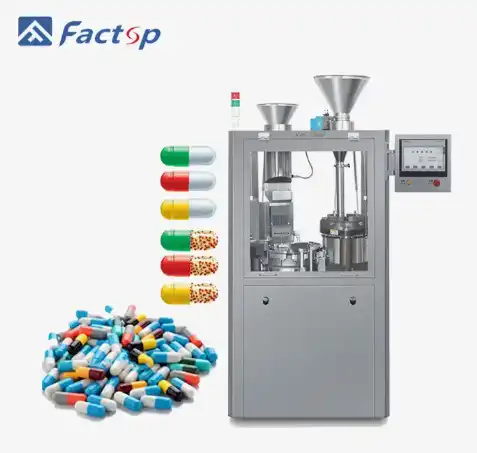
The NJP-1200C capsule filler shows that capsule filling company Factop is dedicated to making high-performance machines that meet strict production needs. With small measurements (1100 x 900 x 2100 mm) and a large capacity of 72,000 pieces per hour, this equipment is very productive while still meeting quality standards. The fact that the equipment is in stock means that it can be quickly used for urgent production needs. The machine's weight of 1100 kg shows that it is built to last. These standards show how authorized makers balance the need for efficiency with the needs of installation and operation.
Customer-Centric Service Approach
Factop's customer-centered mindset stresses the ability to customize, openness in operations, and strict quality control processes that are designed to meet the needs of a wide range of clients. The company's dedication to honesty, new ideas, and working together in a way that benefits both sides makes relationships that last longer than just buying tools. The company's long-term relationships in the US, Europe, South Africa, and Asia show that it can help customers throughout the lifecycle of their tools. This global presence makes sure that all installations can get expert help and extra parts.
Conclusion
To find a capsule filling company with the right certifications, you need to look at their GMP, ISO, and regulatory compliance qualifications that match your production needs. These certifications give important peace of mind about the quality of the equipment, the manufacturing methods, and the ongoing assistance that is available. Procurement teams have to use formal routes to make sure that the certifications are real and that they meet their business needs and legal responsibilities. In the competitive market for pharmaceutical equipment, certified makers like Factop offer the knowledge, quality certification, and global support that are needed for long-term relationships to work well.
FAQ
1. What is the difference between GMP and ISO certifications for capsule filling equipment manufacturers?
GMP licensing is all about making sure that production areas are clean and that methods are tested and proven to work when making medicines. ISO certifications offer more comprehensive quality management systems that cover all business processes. For example, ISO 13485 addresses the special needs of medical devices.
2. How often do capsule filling companies need to renew their certifications?
Most licenses need to be checked every year, and every three years, the whole process has to be done again. GMP certifications are inspected by regulators more often, while ISO certifications have regular renewal processes with tracking requirements every so often.
3. Do I need to verify certifications when outsourcing capsule filling internationally?
To make sure that both the rules in the source country and the rules in the target market are followed, international outsourcing needs to go through a thorough approval check. As a result, different areas may accept different certification bodies. This makes proof necessary for successful market entry.
Partner with Factop for Certified Capsule Filling Solutions
Factop, a leading capsule filling company, blends a wide range of certifications with years of experience to provide reliable pharmaceutical equipment options. Our NJP-1200C capsule filler meets high-quality standards and can produce 72,000 pieces per hour. It is approved by CE, GMP, and ISO9001. Get in touch with michelle@factopintl.com to talk about your unique needs and find out how our certified manufacturing methods can help you reach your production goals.
References
1. International Organization for Standardization. "ISO 13485:2016 Medical Devices Quality Management Systems." Geneva: ISO Publications, 2016.
2. World Health Organization. "WHO Technical Report Series: Good Manufacturing Practices for Pharmaceutical Products." Geneva: WHO Press, 2018.
3. U.S. Food and Drug Administration. "Code of Federal Regulations Title 21: Current Good Manufacturing Practice in Manufacturing." Washington: FDA Publications, 2019.
4. European Medicines Agency. "EU Guidelines for Good Manufacturing Practice for Medicinal Products for Human and Veterinary Use." London: EMA Publications, 2017.
5. Pharmaceutical Research and Manufacturers Association. "Quality Systems Approach to Pharmaceutical Current Good Manufacturing Practice Regulations." Washington: PhRMA Publications, 2020.
6. International Society for Pharmaceutical Engineering. "ISPE Baseline Guide: Commissioning and Qualification of Pharmaceutical Manufacturing Equipment." Tampa: ISPE Publications, 2019.
YOU MAY LIKE