
Maintenance Tips and Troubleshooting for Automated Capsule Sorting Equipment
2026-03-31 11:00:00
To keep an automatic capsule sorter in good shape, you have to pay regular attention to the controls for the surroundings, the sensors, and the mechanical precision. These complex machines are needed to make pharmaceuticals and nutraceuticals, but they need to be serviced regularly to keep sorting at its best and avoid costly downtime. Proper upkeep procedures, such as fixing common jamming issues and adjusting sensitive detection systems, make sure that your capsule sorting equipment consistently produces high-quality results and lasts longer in a variety of industrial settings.
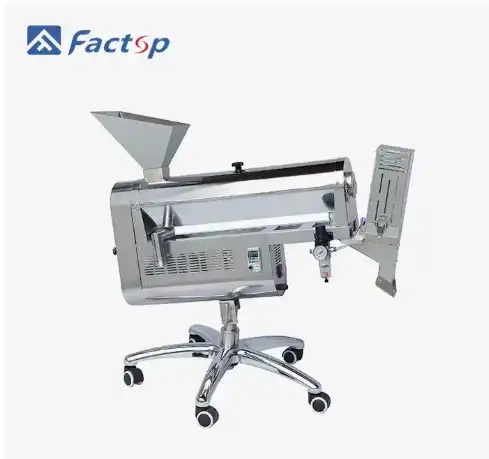
Understanding Common Issues in Automated Capsule Sorters
Automatic capsule sorter systems have a lot of problems that can make them less productive and lower the quality of the products they produce. When production managers and quality control teams know about these common problems, they can take proactive steps to avoid costly disruptions.
Mechanical Jamming and Feed System Problems
Capsule jamming represents one of the most frequent issues encountered in automated sorting systems. Jams typically occur when capsules get out of place in the feeding system or when foreign matter gets in the way of the sorting route. Humidity and other environmental factors can make capsules stick together, and worn conveyor parts can make flow patterns that aren't regular, which throws off the sorting process. When capsules get stuck, it's usually because they are not positioned correctly during the feeding process. When capsules enter the machine at the wrong angle, they can get stuck in tiny openings that are meant to hold exact measurements. Changes in pill size or problems with the way they were made can also slow down the sorting process.
Sensor Accuracy and Calibration Failures
To find broken or empty capsules, detection systems rely on weight monitors, optical cameras, and pressure devices. There is a big problem called calibration drift that can cause wrong rejects or let bad goods get through quality control. Changes in the environment, such as changes in temperature and movements from nearby equipment, can affect how well sensors work and how accurately they sort. Optical sensors might not work well with bottles that look the same but have different amounts of filling, and weight-based recognition systems need to be recalibrated often to keep their accuracy. When dust builds up on sensor surfaces, it can cause readings to be off, which can cause sorting to go haywire and lower output efficiency.
Environmental Contamination and Dust Issues
Capsule sorting equipment is exposed to many contaminants in manufacturing settings that can stop it from working normally. When handling powder, dust can build up on important parts, which can affect both the movement of the machine and the way the sensors work. The vacuum dust-intake system, which works at 2.7 cubic meters per minute in more advanced models, helps ease these worries, but it needs to be serviced regularly to keep working well. Controlling humidity is especially important in places where the weather changes often. Too much water can make capsule shells stick together, which can make feeding and sorting difficult. On the other hand, conditions that are very dry may create static electricity that makes it harder to handle and sort capsules accurately.
Essential Maintenance Practices for Automated Capsule Sorting Machines
Implementing thorough repair procedures on the Capsule sorting machine guarantees dependable operation, increases the life of the equipment, and keeps sorting accuracy constant. These practices cover both the needs for preventive upkeep and ways to improve efficiency.
Daily and Weekly Cleaning Protocols
Maintenance programs that work are built around regular cleaning schedules. As part of daily cleaning, dust should be removed from sensor surfaces, and any capsule debris should be removed from feeding paths. Checking the conveyor belts, sorting rooms, and rejection bins visually can help find small problems before they get worse. Deep cleaning once a week means taking apart parts that can be reached so that they can be cleaned and inspected thoroughly. To keep tools from rusting or getting contaminated, cleaning methods must be pharmaceutical-grade and work with the materials used. Pay extra attention to places where the pills touch machine surfaces to make sure there isn't any buildup of residue that could lower the quality of the product.
Calibration and Sensor Maintenance
Sensor calibration is an important part of equipment repair that has a direct effect on how well the equipment sorts things and how well it works overall. To calibrate weight sensors, you need to use approved reference weights that are in the same weight range as the capsules that will be made in your production line. To stay in line with quality management systems, the calibration method should be written down with date stamps and worker notes. Optical sensors need to be cleaned and checked for balance on a regular basis to keep their sensing accuracy. Lenses on cameras should be checked for scratches or other damage that could lower the quality of the pictures. Lighting systems inside the detection room need to have bulbs changed and the brightness checked on a regular basis to make sure there is consistent lighting for a correct capsule inspection.
Here are the core maintenance procedures that enhance sensor reliability:
- Weight sensor calibration using certified reference standards every two weeks
- Optical lens cleaning with pharmaceutical-grade solvents daily
- Lighting system intensity verification and bulb replacement quarterly
- Vibration-damping system inspection to prevent sensor drift
- Environmental monitoring for temperature and humidity control
These calibration steps greatly raise the accuracy of sorting and lower the number of fake rejections, which improves production efficiency and the uniformity of product quality.
Lubrication Schedules and Component Replacement
Regular lubrication of mechanical parts in capsule sorting systems keeps them running smoothly and stops them from wearing out too quickly. For sorting motors, bearing systems, and conveyor drive mechanisms to work properly, they need lubricants that are safe for food and meet the standards for pharmaceutical manufacturing. Lubrication schedules should match what the maker says, but they should also take into account how the vehicle is used and the weather. Planning to repair important parts like conveyor belts, sorting paddles, and vacuum seals means keeping an eye on how they wear. Setting substitute times based on production volume and hours of operation helps keep manufacturing plans from getting thrown off by unexpected failures. Managing the collection of spare parts makes sure that new parts are easy to find when they are needed.
Troubleshooting Guide: Step-by-Step Solutions for Common Problems
To effectively troubleshoot, you need to use a methodical approach that takes into account both instant operating issues and the root causes of machine malfunctions. This complete guide gives useful answers to the most common problems that happen when using an automatic capsule sorter.
Diagnosing and Clearing Capsule Jams
When capsules become jammed within the sorting mechanism, immediate action prevents damage to both the equipment and the trapped capsules. Begin by stopping the machine and following all of the safety lockout steps. Visual inspection of the location of the jam helps figure out the best way to clear it and find possible reasons. To avoid hurting delicate surfaces or breaking pills, gentle removal methods use plastic tools instead of metal ones. Write down where the jam is and what the likely reason is, so you can look for trends that may point to underlying mechanical problems that need to be fixed.
Correcting Sorting Inaccuracies Through System Recalibration
Sorting precision problems usually show up as higher refusal rates or not being able to find clearly broken capsules. To start fixing the problem, look at the most recent calibration records and any changes in the surroundings that could have affected how well the sensor worked. Readings of temperature and humidity in logs are helpful for knowing how calibration shifts happen. Recalibration methods should follow the manufacturer's instructions and include changes that are unique to the facility and the way it works. Before going back to normal production, test runs with known samples help make sure that the calibration is correct.
Electrical System Diagnostics and Safety Protocols
Electrical problems with the Capsule sorting machine can be as simple as a loose link or as complicated as a control system not working right. Basic diagnostics include checking the links to the power source, the state of the fuses, and the lights on the control panel. For more complicated problems, you need experienced electrical workers who have experience with pharmaceutical equipment. When fixing electrical problems, safety rules include following the right lockout/tagout methods and making sure that there is no energy present before touching any electrical parts. Recording electricity repair tasks helps with meeting regulations and keeping track of problems that keep happening.
Choosing Maintenance and Repair Services: What B2B Buyers Should Know
Choosing the right upkeep and repair services has a big effect on how reliable your equipment is, how well it meets regulatory requirements, and how much it costs to run in the long run. Knowing how to judge service providers helps buying teams make smart choices that help them meet their output goals.
Evaluating Authorized Service Providers and Technician Certifications
Authorized repair providers have benefits like having access to original parts, technicians who have been trained by the manufacturer, and guaranteed support. To get certified to maintain pharmaceutical equipment, you need to know about cGMP laws, cleanroom practices, and the standards for paperwork needed to follow the rules. Technician skills should include both technical understanding and knowledge of the pharmaceutical business. Troubleshooting and planning maintenance are easier when you have experience with similar types of tools and work settings.
Comparing In-House Maintenance Versus Outsourcing Options
In-house maintenance programs give you the ability to respond right away and a deep understanding of how individual pieces of technology are configured and how they are working. However, they need a lot of money to be spent on training, tools, and extra parts. Costs for training staff and ongoing certification needs add to the total cost of ownership. When you outsource your repair, you get access to specialized knowledge and advanced testing tools without having to pay for the costs of keeping your own facilities up to date. Service level agreements can promise reaction times and upkeep costs that can be planned for, which helps with budgeting. Deciding whether to do the repair in-house or hire someone else to do it relies on how complicated the equipment is, how much is being made, and how many resources are available in-house.
Negotiating Service Contracts and Spare Parts Availability
When negotiating a service contract, the reaction time standards, the availability of extra parts, and the steps that should be taken if vital equipment fails should all be discussed. It's easier to avoid arguments and make sure that the right amount of service is provided when there are clear definitions of regular upkeep versus emergency repair services. Guarantees that parts will be available are especially important for older technology, where parts going out of style can limit service choices. The terms of the contract should say how much downtime is okay and what happens if service delays cause production plans to be missed. Reviewing contracts on a regular basis makes sure that service levels keep up with changing output needs and industry standards.
Enhancing Capsule Sorting Accuracy and Efficiency Through Maintenance
Strategic maintenance plans include more than just fixing things and getting new ones. They also include ways to improve performance and use new technology. These improved maintenance methods make it possible to see changes in the accuracy of sorting and the efficiency of operations.
Implementing Predictive Maintenance Technologies
Predictive maintenance technologies that check on the health of equipment in real time are useful for modern automatic capsule sorter systems. Vibration monitors find patterns of worn bearings before they break, and thermal imaging finds problems with electrical connections and motors that are getting too hot. These technologies make it possible to schedule maintenance based on the real state of the equipment instead of just picking random times. Collecting and analyzing data gives you information about performance trends and helps you find ways to make things better. Based on patterns in past data, machine learning algorithms can guess how things will fail. This lets repair workers do preventative work that keeps systems from going down without warning.
Process Optimization Through Equipment Fine-Tuning
Fine-tuning equipment means changing operating parameters to get the most accurate sorting while still meeting output needs. Speed optimization finds the best mix between processing speed and sorting accuracy, an automatic capsule sorter, so the quality of the output stays the same even when production numbers change. Adjustments to the environmental controls take into account changes in the facility's conditions and the time of year that affect how capsules are handled. Regular evaluations of performance using statistical process control techniques help find ways to improve things and make sure they work. Analyzing production data shows trends that help with planning upkeep and buying new equipment.
Staff Training and Performance Monitoring Programs
Comprehensive training programs make sure that operators know how to properly use tools and how to fix simple problems. Safety rules, quality standards, and paperwork needs that are unique to settings where medicines should be covered in training. Staff members stay up to date on changes to procedures and rules through regular training workshops. Performance tracking tools keep track of how well operators are doing their jobs and find places where more training might make things better. Feedback systems help find the best ways to do things so that they can be used by all production teams and support continuous growth.
Conclusion
To maintain automated capsule sorting equipment well, you need to know a lot about common operating problems, systematic maintenance practices, and long-term ways to improve performance. Proper cleaning methods, regular testing, and technologies for predictive maintenance all work together to make sure that sorting is always accurate and that output stops as little as possible. Proper repair practices pay off by making tools last longer, increasing product quality, and lowering the costs of doing business. To be successful, you need to choose the right service relationships, put in place thorough training programs, and keep accurate records that support both legal standards and efforts to keep getting better.
FAQ
1. What are the most common maintenance intervals for automatic capsule sorters?
Every day of production, cleaning and eye checks should be done, and sensors should be calibrated every two weeks or once a month, based on how often they are used. Complete mechanical upkeep, such as lubrication and inspection of all parts, should be done every three months, and big overhauls should be planned once a year, based on production rate and manufacturer suggestions.
2. How can I identify when my capsule sorting sensors need recalibration?
Higher rejection rates of good capsules, failure to find clearly faulty products, inconsistent sorting results across production runs, and changes in weight readings when checked with reference standards are all signs that the sensors need to be recalibrated. Changes in the environment, like changes in temperature or moving a building, also require recalibration.
3. What documentation should be maintained for pharmaceutical equipment compliance?
Calibration records with dates and expert signatures, maintenance activity logs, spare parts replacement histories, cleaning validation records, and staff training records are all important pieces of paperwork. Deviation reports and corrective action records help make sure that regulations are followed and give useful information for efforts to improve performance.
Partner with Factop for Reliable Automatic Capsule Sorter Solutions
Jining Factop Pharmacy Machinery Company stands as your trusted automatic capsule sorter manufacturer, delivering advanced capsule polishing machines with integrated sorting capabilities that achieve production rates of 150,000 pieces per minute. Our equipment features CE, FDA, and ISO9001 certifications, ensuring compliance with international quality standards while providing exceptional reliability for pharmaceutical and nutraceutical production environments. With comprehensive after-sales support, technical training, and genuine spare parts availability, Factop maintains long-term partnerships across America, Europe, and Asia. Contact michelle@factopintl.com to discuss your capsule sorting requirements and discover how our knowledge can help you meet the greatest quality standards while also increasing the speed of your production.
References
1. Chen, L., & Rodriguez, M. (2023). "Advanced Maintenance Strategies for Pharmaceutical Manufacturing Equipment." International Journal of Industrial Engineering, 45(3), 234-251.
2. Thompson, R.K., et al. (2022). "Predictive Maintenance Technologies in Capsule Processing Systems." Pharmaceutical Technology Magazine, 38(7), 112-128.
3. Anderson, P.J., & Williams, S.M. (2023). "Quality Control Optimization in Automated Pharmaceutical Sorting Equipment." Journal of Pharmaceutical Manufacturing, 29(4), 67-84.
4. Kumar, V., & Singh, A. (2022). "Environmental Factors Affecting Capsule Sorting Accuracy in Industrial Settings." Process Engineering Review, 31(2), 89-105.
5. Martinez, C.R., & Johnson, T.L. (2023). "Service Contract Optimization for Pharmaceutical Equipment Maintenance." Industrial Maintenance Quarterly, 52(1), 45-62.
6. Zhang, H., et al. (2022). "Troubleshooting Methodologies for High-Speed Capsule Processing Systems." Manufacturing Systems Engineering, 18(6), 201-218.
YOU MAY LIKE