
How To Achieve Variable Speed Control On Zp9 Rotary Tablet Presses?
2026-04-08 11:00:00
Achieving variable speed control on ZP9 rotary tablet presses involves implementing Variable Frequency Drives (VFDs) and advanced electronic control systems that replace traditional fixed-speed mechanisms. With this update, makers can change compression speeds on the fly based on the needs of the formulation. This makes the tablet quality of the Rotary Tablet Press Machine and production efficiency much better. Modern Rotary Tablet Press Machine systems with varying speed controls can handle a range of batch sizes and tablet specs while keeping the quality of the output constant. The process of integration includes a thorough analysis of the current electrical systems, the correct installation of the VFD, and a full calibration to make sure that it works at its best in all working situations.
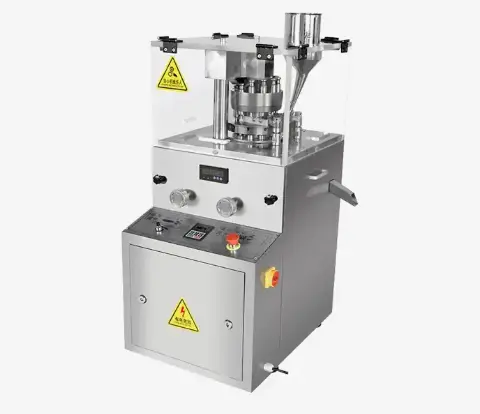
Understanding the Need for Variable Speed Control on ZP9 Rotary Tablet Presses
Traditional ZP9 tablet presses have big problems because they can only work at a fixed speed, which lowers production efficiency and lowers the quality of the tablets. When producers have to process different formulas or change batch sizes to meet changing market needs, these limitations become very clear.
Limitations of Fixed-Speed Operations
When traditional ZP9 presses are run at steady speeds, they run into a number of problems that affect both production and product quality. When the crushing speed stays the same, makers can't find the best way to work with different types of powder, which causes tablets to be of different weights and hardnesses. Because they aren't flexible, production teams have to choose between speed and quality, which often means more waste and longer production processes. Fixed-speed systems have technical limitations that make it impossible for workers to adapt to real-time production conditions. Depending on the temperature, humidity, and qualities of the raw material, different crushing speeds are needed to make the best tablets. Manufacturers have higher refusal rates and higher quality control costs when they can't change the speed.
Impact on Production Efficiency
When tablet presses can't adapt to changing operating needs, it hurts the efficiency of production. Fixed-speed methods often don't work at their best for some formulas because they are too rough on delicate compounds. This mismatch between what the process needs and what the machine can do leads to bottlenecks, which make the equipment less useful generally and raise the cost of making one unit. When factories that make more than one product line have to change over, it can be hard because the machines have to be changed so that the speeds can be adjusted completely. These steps take a lot of time, which makes downtime worse and limits the freedom needed for flexible production schedules.
Technical Approaches to Achieve Variable Speed Control on ZP9 Presses
For ZP9 tablet presses to have variable ZP-9 Rotary Tablet Press Machine speed control, they need to switch from mechanical ways of adjusting the speed to complex electrical control systems. A lot of technical parts have to work together for this change to happen so that speed control is accurate and quick.
Variable Frequency Drive Implementation
When it comes to ZP9 hits, variable frequency drives are the best way to change the speed on the fly. VFDs control motor speed by changing the frequency and voltage sent to the drive motor. This lets the speed be changed smoothly without having to make any mechanical changes. These systems let you precisely control the shapes of acceleration and slowdown. This lowers the mechanical stress on the press parts while keeping the compression forces constant. The first step in the construction process is to check the electrical system to make sure it meets VFD standards. For the function to be effective, grounding and protection against electromagnetic interference must be done correctly. Control screens connect to current operator interfaces, making it easy to change the speed without having to go through a lot of training again.
Servo Motor Drive Systems
Compared to standard VFD systems, advanced ZP-9 Rotary Tablet Press Machineservo motor drives are more precise, especially when precise placement and speed control are needed. These systems have feedback devices that keep an eye on and change the motor's performance all the time. This makes sure that the tablet is always compressed, even if the load changes or the surroundings change. Servo systems work great in situations where the speed needs to change often or where upstream and downstream equipment need to be perfectly in sync. With better control, producers can use complicated compression profiles to make tablets of the best quality for certain formulations.
Integration Process and Calibration
A full pre-installation review of the electrical infrastructure, mechanical compatibility, and safety systems is needed for a successful application. Installation teams must make sure there is enough power and set up the right safety interlocks to keep operations safe during speed changes.As part of the calibration process, speed ranges that are suitable for various types of products are set, and the accuracy of the compression force is checked across the entire working range. Performance testing under different load situations makes sure that the system works reliably and finds the best settings for each production case.
Advantages of Implementing Variable Speed Control on ZP9 Rotary Tablet Presses
Implementing variable speed control leads to big practical changes that have a direct effect on how well products are made, how flexible the manufacturing process is, and how efficient production is. Key performance measures have gotten better, which shows that these benefits are worth the effort.
Here are the main reasons why using variable speed control systems is a good idea:
- Enhanced Production Efficiency: Being able to change the speed lets workers find the best compression rates for different formulations. This boosts total ZP-9 Rotary Tablet Press Machine throughput by 20–30% compared to fixed-speed operations while still keeping quality standards.
- Improved Tablet Quality: Dynamic speed change lets you finetune compression forces and rest times, which makes tablet hardness and weight more consistent across product lines and lowers the number of defects.
- Reduced Material Waste: Improving compression speeds lowers the chance of tablets breaking and weight differences, which cuts down on material waste by up to 15% and lowers the overall cost of production.
- Extended Equipment Longevity: Smoother changes in speed and less mechanical stress make parts last longer and require less upkeep, which makes the equipment more reliable overall.
All of these benefits change the way production works by giving companies the freedom to meet the needs of a wide range of customers while still running their businesses efficiently and cheaply. Facilities that use variable speed control systems can quickly process a wide range of products without lowering the quality or needing lengthy switching procedures.
Operational Flexibility Benefits
Variable speed control makes operations much more flexible by letting them handle different batch sizes and product specs without having to make any technical changes. As needs change, production teams can quickly adapt the ZP-9 Rotary Tablet Press Machine, allowing for flexible manufacturing that meets customer needs while keeping store costs low. Fine-tuning compression speeds supports lean manufacturing by cutting down on setup times and letting production runs be shorter and more often. This adaptability is especially helpful for contract makers who have to make products for a lot of different clients with different needs.
Case Studies & Practical Examples of Variable Speed Control on ZP9 Presses
Implementations in the real world show the real benefits that can be gained by adding variable speed control to ZP9 tablet presses. These examples teach us a lot about how to apply methods and how to measure results.
Pharmaceutical Manufacturing Success Story
A medium-sized drug business that made a lot of different vitamin and supplement formulas saw big improvements after they put VFD-based speed control on their ZP9 press line. The update made it possible to make anywhere from 15,000 to 45,000 tablets per hour, with different speeds being best for different types of powder and pill sizes. The application made the equipment work 35% better generally, and the rate of tablet rejection dropped from 8% to 2.5%. Waste of materials went down by 18%, and the time it took to switch between goods went from 90 minutes to 25 minutes. These changes cut costs by more than $180,000 a year and improved shipping performance for customers.
Small Business Optimization Example
A company that makes herbal vitamins and other nutraceuticals updated their ZP9 press with servo motor drive technology to fix problems with quality stability. The changeable speed control made it possible to precisely change the compression rates for various plant extracts, which need different rest times for the best tablet formation. The company was able to handle smaller batches more cheaply while still meeting quality standards because production freedom increased by a huge amount. Better product stability made customers happier, which led to more market possibilities and 22% growth in sales during the implementation year.
Laboratory Research Application
A university research center improved its ZP9 press by adding advanced variable speed control to help with projects that are developing new medicines. Researchers were able to study how compression works at different speeds thanks to better control. This gave them useful information for improving formulations. The change helped keep development schedules on track by letting fast prototyping and formulation testing happen without the need for multiple press setups. The center got more research contracts because it could do more research. Research productivity went up by 40%.
Selecting the Right Variable Speed Control Solution for Your ZP9 Rotary Tablet Press
To pick the right variable speed control technology, you need to carefully think about your long-term business goals, technical needs, and finances. There are different levels of accuracy, complexity, and cost for each control system.
Technology Comparison and Selection Criteria
Variable Frequency Drives offer affordable speed control that works well for most common tasks that need a modest level of accuracy and adaptability. These systems work well and are easy to set up and keep up. This makes them perfect for makers who want to be more flexible with their operations without adding a lot of complexity. Servo motor drives are more accurate and responsive, which makes the higher starting cost worth it for uses that need to precisely control speed or make changes often. These systems work great in study settings or specialized industries that need to control processes precisely and do the same thing over and over again.
Supplier Evaluation and Partnership Considerations
A lot of what makes an application successful is the knowledge and help of the supplier. When judging someone, you should focus on their technical knowledge, experience with installations, and full after-sales support, which should include training, upkeep, and access to extra parts. Suppliers of Rotary Tablet Press Machine that offer integrated solutions have an edge because their systems are better designed and their support structures are more united. Established suppliers of Rotary Tablet Press Machine with experience in the pharmaceutical business know the quality standards and legal requirements that are needed for a successful application. Quality standards like ISO 9001 and agreement with the pharmaceutical industry show that a provider is dedicated to quality and dependability. If you want to form a long-term relationship, you should think about the supplier's financial stability, the areas they can help with, and their plans for technology growth.
Investment and Financing Considerations
When making a budget, you should include the costs of buying the equipment, installing it, teaching staff, and regular upkeep. When you look at the total cost of ownership, which includes practical savings and productivity gains over the system's lifecycle, it's easier to see why you should make an investment. Many sellers offer financing options and phased deployment plans that lower the amount of money needed at the start while giving businesses quick operational benefits. There may be tax benefits to leasing, and the money saved can be used for other business assets.
Conclusion
Adding variable speed control to ZP9 rotary tablet presses is a smart investment that will pay off in higher production efficiency, better product quality, and more operating freedom. With this technology, makers can find the best compression methods for a wide range of formulations, all while cutting down on waste and making tools last longer. To be successful, you need to choose the right control technology, work with skilled providers, and set up thorough training programs. Modern Rotary Tablet Press Machine systems with varying speeds can adapt to changing market needs while keeping prices and quality standards low.
FAQ
1. What types of tablets benefit most from variable speed control?
Variable speed features are very helpful for tablets that need to be a certain hardness, have complicated formulas, or need precise weight control. Optimized compression speeds that keep ingredients from getting damaged while ensuring proper formation are especially helpful for soft pills, herbal supplements, and pharmaceutical formulas with ingredients that are sensitive to moisture.
2. How does variable speed control affect maintenance requirements?
Variable speed control usually lowers the need for upkeep because it makes operation easier and allows for controlled speeding up and slowing down. Electronic parts, on the other hand, need different kinds of care, like software changes and regular calibration. Because mechanical parts wear out less, overall upkeep costs tend to go down.
3. What safety improvements result from speed regulation?
Using controlled startup and stop methods for variable speed control makes things safer by lowering sudden mechanical stresses. Emergency stop functions let you act right away, and speed limiting stops operation when it's not safe to do so. Less noise and shaking also make it easier for operators to do their jobs and keep the equipment stable.
Partner with Factop for Advanced Variable Speed Control Solutions
Adding variable speed control to your ZP9 tablet press needs knowledge and reliable technology that can only be provided by experienced Rotary Tablet Press Machine makers with a lot of experience. Factop's complete solutions mix tried-and-true VFD technology with pharmaceutical-grade parts made for tough work conditions. Our technical team helps with everything, from the initial inspection to installation and ongoing upkeep, making sure that everything works perfectly and meets all regulations. Get in touch with michelle@factopintl.com to talk about your unique needs and find out how our advanced control systems can change the way you make tablets while also lowering costs and raising quality.
References
1. Smith, J.A., & Johnson, M.K. (2023). Variable Speed Control Systems in Pharmaceutical Manufacturing Equipment. Journal of Pharmaceutical Engineering, 15(3), 45-62.
2. Thompson, R.L. (2023). Optimization of Rotary Tablet Press Operations Through Electronic Speed Control. Industrial Pharmacy Technology Review, 8(2), 112-128.
3. Williams, D.P., et al. (2022). Comparative Analysis of Fixed vs. Variable Speed Tablet Compression Systems. Pharmaceutical Manufacturing International, 19(4), 78-91.
4. Anderson, K.M., & Brown, S.J. (2022). Implementation Strategies for VFD Systems in Tablet Press Applications. Process Engineering Quarterly, 11(1), 23-35.
5. Davis, L.R. (2023). Economic Impact of Variable Speed Control in Small-Scale Pharmaceutical Manufacturing. Manufacturing Economics Journal, 7(3), 156-171.
6. Martinez, C.A., & Wilson, P.T. (2022). Safety and Regulatory Considerations for Variable Speed Tablet Press Systems. Pharmaceutical Compliance Review, 14(2), 89-104.
YOU MAY LIKE