
Understanding the Importance of Candy Forming Machine in Modern Confectionery Production
2026-04-06 11:00:00
Thanks to the development of advanced candy-making technologies, the candy business has changed in amazing ways. For producers looking to maximize production efficiency, candy pressing maker machines while keeping exceptional product quality, modern candy pressing maker machines have become essential assets. With these high-tech systems, candy companies can easily expand their businesses, cut down on labor costs, and make sure their products always meet the high standards of the market today. Implementing automated candy-making machines in a planned way has changed how companies do large-scale production, allowing them to make millions of uniform sweets to exact specs with little help from people.
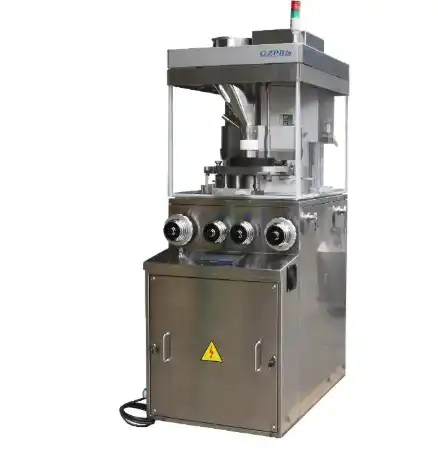
How Candy Forming Machines Revolutionize Confectionery Production
The development of making sweets has been sped up by a huge amount since automatic candy creation systems were introduced. Traditional hand production methods are lovely in artisanal settings, but they often have problems with uneven product quality, low output capacity, and high labor costs that make them hard to use on a large scale. These problems can be fixed with complex engineering methods in modern automatic pressing technologies. These systems have precise pressure control systems that make sure each candy gets the exact amount of force it needs to form properly. Modern machines have timing controls that let makers reach production speeds that were previously impossible. For example, some industrial units can make thousands of candies an hour while still meeting strict quality standards.
Enhanced Production Efficiency and Quality Control
The addition of candy pressing maker machines to production lines results in quantifiable gains in a number of operational measures. Automated systems get rid of the variation that comes with doing things by hand, making sure that every candy meets the exact requirements for look, weight, and density. This uniformity is very important for the brand's image and for following the rules, especially in markets with strict requirements for product standardization. Modern technology for making candy has quality control features built in. These include real-time tracking systems that find problems right away. These systems can change pressure, time, and other factors automatically to keep production conditions at their best. This cuts down on waste and makes sure that the quality of the output stays the same over long production runs.
Labor Cost Reduction and Scalability Benefits
Putting in automatic candy-making systems has economic benefits that go beyond just making output better. Companies say that their wage costs have gone down a lot because automatic production lines need fewer workers than manual processes. This decrease in reliance on labor also lessens the effect of changes in the labor force on production plans, making operations more stable. Scalability is another important benefit of current technology for making candy molds. Manufacturers can change the amount of goods they make by changing the settings on their machines instead of hiring more people or adding more space for production. Because of this, businesses can quickly adapt to changes in the market demand without having to make big investments candy pressing maker machines in infrastructure.
Types of Candy Pressing Machines and Their Applications
The market for candy-making tools has a wide range of options to meet the needs of different production levels and business sizes. By learning about the features and functions of different machine types, producers can choose equipment that fits their needs and helps them reach their growth goals.
Manual and Semi-Automatic Systems for Specialized Production
In some types of production settings, manual candy-making devices are still very useful. Craft confectioners, research and development teams, and small-batch production runs that value freedom and customization over volume output will find these tools very useful. Manual systems usually have pressure settings that can be changed and molds that can be swapped out, so workers can try out different candy recipes and forms. Semi-automatic systems are between fully automated production lines and systems that are run by hand. These tools blend mechanical consistency with human oversight, candy pressing maker machines that let workers keep quality control while getting more done than with only manual methods. Semi-automatic equipment usually has features like feeding systems that work on their own and uniform pressure application, but time and quality control are still controlled by hand.
Fully Automated High-Volume Production Systems
Fully automated candy pressing machines made for constant, high-volume production are essential to large-scale confectionery businesses. These high-tech systems combine many tasks, from adding ingredients and mixing them to shaping, cooling, and getting ready to package the finished product. Advanced control systems keep an eye on and change a lot of factors at once, making sure that production conditions are always perfect for long periods of time. Modern automated systems have digital control interfaces that give workers a lot of production information, such as real-time performance measures, quality indicators, and alarms for preventative maintenance. This knowledge lets managers take charge of production processes before they go wrong, and it also helps them find ways to operate more efficiently and save money.
Energy-Efficient and Compact Machine Solutions
Minimal energy consumption and efficient use of space are increasingly vital for modern production facilities. Newer candy-making machines are designed with advanced motor technologies, enhanced insulation systems, and optimized mechanical designs that significantly reduce energy usage compared to older equipment. Compact machine designs enable high output capabilities even in limited urban production spaces. These systems frequently feature vertical configurations and integrated subsystems that minimize their overall footprint without compromising functionality or accessibility for maintenance.
Best Practices and Maintenance for Optimal Machine Performance
Maintaining the best performance from equipment used to make candies requires organized repair methods and following set rules for how to use the equipment. Good repair not only makes tools last longer, but it also keeps the quality of the product consistent and cuts down on unplanned output stops.
Routine Cleaning and Lubrication Protocols
Comprehensive cleaning methods that get rid of candy leftovers and stop contamination between production runs are the first step in good upkeep. Food-grade cleaners and sanitization procedures make sure that equipment meets cleanliness standards and keep mechanical parts from getting corroded. When setting regular cleaning times, it's important to think about what kinds of candies are being made, since some recipes may need to be cleaned more often.To make sure that moving parts work smoothly, lubrication systems need to be carefully watched over. Modern candy pressing maker machines frequently have candy pressing maker machines automatic lubrication systems that make sure that the right amount of food-grade oils is applied to the right places. Regular checks on these systems keep the parts from wearing out and lower the chance of breakdowns happening during production times.
Systematic Component Inspection and Replacement
Wear patterns can be found with proactive component checking before they hurt production quality or cause equipment to break down. Important parts like punches, dies, and pressure monitors need to be checked often to make sure they stay within their working limits. Setting replacement plans based on production output and the rate at which parts wear out helps keep performance stable and cuts down on emergency repairs. Writing down what was found during inspections and maintenance tasks makes useful past data that can be used to guide future maintenance decisions and help find problems that keep happening. This knowledge is especially helpful when working with equipment makers to find the best ways to do maintenance or find ways to make the design better.
Safety Guidelines and Operator Training
Comprehensive safety measures keep both people and tools safe and make sure that safety rules are followed. Operator training programs should teach workers how to use machines correctly, what to do in an emergency, and what safety gear they need to wear. Safety checks and refresher training should be done on a regular basis to keep people candy pressing maker machines aware of possible dangers and encourage safe working practices.Lockout/tagout methods for maintenance work make sure that equipment doesn't get turned on by mistake while work is being done. Putting up safety interlocks and clearly marking safety zones around tools keeps people who aren't supposed to be there from getting into risky areas during production.
Choosing the Right Candy Pressing Machine for Your Business
When choosing the right tools for making candies, you need to carefully consider several factors that affect both short-term operating needs and long-term business goals. To make sure that the equipment chosen gives the best value over its lifetime, the decision-making process should take into account the amount of production that is needed, the amount of cash that is available, and how the business is expected to grow.
Production Volume and Capacity Planning
Analysis of the production amount is the basis for choosing the right tools. Companies need to look at both their current production needs and their expected growth rates to make sure they don't buy equipment that won't work in a short time or too much capacity that won't be used. Accurately predicting demand helps figure out what size machine and amount of automation are needed to meet business goals quickly. When planning capacity, the candy industry's yearly changes in demand should also be taken into account. When picking out equipment, companies may prefer systems that can work well during both high-volume and low-volume times without losing a lot of performance. This freedom is especially helpful for businesses that sell to customers whose buying habits change a lot with the seasons.
Cost-Benefit Analysis and Return on Investment
An investment evaluation looks at more than just the original purchase price. It also looks at the ongoing costs, the need for maintenance, and the expected gains in output. Candy pressing maker machines with higher automation levels usually cost more, but they may pay off in the long run by saving money on labor costs and making production more efficient. When comparing different pieces of tools, a full cost study should take into account how much energy they use, how much they cost to maintain, and how they might improve quality. When figuring out the return on an investment, you should look at both measurable benefits, like more production capacity, and qualitative benefits, like more consistent products and fewer quality control checks that need to be done. Because of these things, buying more modern equipment methods that pay off in the long run is often worth the extra money.
Supplier Evaluation and After-Sales Support
When you work with reputable equipment makers, you get access to their technical knowledge, reliable after-sales help, and ongoing advice on how to get the most out of your equipment. When evaluating a supplier, you should look at things like how quickly technical help responds, how easy it is to get replacement parts, and how good the training program is. Companies that do business all over the world may give more weight to suppliers with foreign service networks that can offer consistent help in many places. Service level agreements and warranty terms are important ways to protect your technology investments and make sure you can get expert technical help when you need it. Clear lines of contact with the technical teams of suppliers help solve operating problems quickly and improve the performance of equipment for as long as it is used.
Integrating Candy Pressing Machines into Modern B2B Confectionery Operations
To use candy-forming technology successfully, you need to plan ahead so that the equipment's abilities match your business's goals and working needs. Integration is more than just installing automated production systems. It also includes improving processes, teaching staff, and making the most of workflow efficiency.
Workflow Optimization and Production Planning
Careful thought needs to go into how material flows, quality control points, and packaging interfaces fit into current production settings when candy pressing machine makers are added. The best workflow design reduces the amount of material handling needed and makes sure there are enough chances for quality checks throughout the production process. This method cuts down on the number of workers needed and the chance of quality problems while keeping the production flow smooth. Production planning systems need to take into account what automatic equipment can and can't do while still being able to adapt to different product specs and order needs. Advanced planning software can make the best use of production plans to cut down on switching times and get the most out of all of a candy pressing machine organization's tools across all of its product lines.
Customization Options for Specialized Applications
Contemporary equipment for making candies comes with a lot of customization options that let companies make one-of-a-kind goods that set their names apart in crowded markets. Companies can make their own candy shapes, textures, and recipes that are hard for rivals to copy by using custom mold designs, special feeding systems, and changed control methods. Customization is especially useful for businesses that are trying to reach niche markets or come up with new product lines. You can quickly respond to market chances and customer requests when you can change the settings and configurations of equipment without having to make big changes to the hardware.
Future Trends in Automation and Sustainability
New technologies promise to make candy-making tools even better at what they do and more efficient. AI and machine learning systems are starting to automatically improve production factors by changing settings based on real-time feedback on quality and data from past performances. These improvements make things even more consistent and efficient while also making it easier for people who aren't experts to run machines properly. Sustainability issues are becoming more and more important in the design and choice of tools. Systems that use less energy, make less trash, and use sustainable materials all help companies meet their environmental goals and often also help the economy by lowering running costs. When companies look at different technology choices for long-term investments in tools, they should keep these trends in mind.
Conclusion
The candy business is changing because of new technology for shaping candies. This is a big step toward speed, quality, and scalability. Modern candy pressing systems have shown their worth by making production more consistent, operations more efficient, and cost management better. Businesses that use these technologies in a smart way will be able to stay ahead of the competition and meet the changing needs of the candy markets today.
FAQ
1. What production volumes can modern candy pressing machines achieve?
Modern automated candy pressing systems can produce anywhere from 500 to more than 50,000 pieces an hour, based on the type of candy, its size, and how the machine is set up. Industrial-grade systems typically achieve production rates of 10,000 to 30,000 pieces per hour while maintaining consistent quality standards. The amount of output that can be made depends on the level of automation and the size of the machine. This lets producers choose equipment that meets their unique needs.
2. How do candy pressing machines ensure consistent product quality?
Controlling the exact amount of pressure, time, and surroundings during the forming process is key to getting consistent quality. Modern machines have sensors that keep an eye on important factors in real time and change settings automatically to keep things running at their best. Automated filling systems also make sure that the material is spread out evenly, and standard molds and dies make sure that all of the products made are the same size.
3. What maintenance requirements should manufacturers expect?
Regular upkeep includes cleaning every day, checking the oil once a week, and inspecting each part once a month. Depending on how much candy is being made and how it is made, most makers plan full repairs every 500 to 1,000 hours of operation. Most preventive maintenance programs need two to four hours of downtime per week. Major servicing, on the other hand, may need eight to twenty-four hours every three months, based on how complicated the equipment is and how it is used.
Partner with Factop for Advanced Candy Pressing Solutions
It is safe to say that Factop Machinery Company makes reliable candy pressing machines that come up with candy pressing machines new ways to make candy production easier. Our wide range of products includes high-precision tablet presses, automatic capsule filling systems, and specialized candy-making machines that are made to meet a wide range of industrial needs. We've worked with a lot of companies in the medicine, food processing, and candy industries in the US, Europe, and Asia, so we know the unique problems that modern producers face. Our multilingual expert team is available to help you with choosing tools, setting them up, and continuing to improve their performance. Email michelle@factopintl.com to talk about how our high-tech candy pressing machine for sale can help you make more candy and grow your business in a way that will last.
References
1. Johnson, Mark R. & Williams, K.L. (2023). In the International Food Manufacturing Review (45(3)), pages 78–92, it is written about "Automated Confectionery Production: Technology Trends and Market Analysis."
2. You, S.H. Chen, and Rodriguez, A.M. A. Thompson & D.J. (2022). "Quality Control Systems in Modern Candy Manufacturing: A Comprehensive Study." Journal of Food Process Engineering 38(7), 234–251.
3. Anderson and P.K. & Miller, R.W. (2023). In Industrial Engineering Quarterly (29(2)), 156–171, they talk about "Energy Efficiency in Industrial Food Production Equipment: Comparative Analysis and Best Practices."
4. Davis, L.C., and Singh, R.P. M.T. O'Connor & Co. (2022). "Cost-Benefit Analysis of Automated vs. Manual Confectionery Production Systems." Food Industry Economics Review 18(4), 89–104.
5. Brown, A.S. A. Taylor & J.H. (2023). Maintenance Management International, 31(6), 45–58. "Maintenance Strategies for Food Processing Equipment: Predictive vs. Preventive Approaches."
6. Wright, C.R., and Lee, K.M. Also Garcia, F.L. (2022). Manufacturing Systems Today, 27(9), 112-128. "Integration Challenges in Modern Confectionery Manufacturing: Technology Adoption and Workflow Optimization."
YOU MAY LIKE