
Top-rated flower basket tablet press brands for pharmaceutical use
2026-04-21 11:00:00
When it comes to making medicine tablets, the Flower Basket Tablet Press Machine is a safe way to make small to medium batches. Leading brands in this category combine precise engineering with easy operation, giving research institutions, businesses that make drugs for animals, and specialized pharmaceutical firms consistent compression results. These machines are great at making high-quality tablets while also following all the rules. This makes them essential for tasks that need to be flexible and reliable.
Introduction
Getting the right pill crushing tools is very important for your pharmaceutical production line. We know how hard it is for buying managers to decide what equipment to buy when it comes to things like product quality, output schedules, and getting approval from regulators. When it comes to pharmaceutical uses, the flower basket pill press is a unique type of compression equipment that combines accuracy and usability.
This full guide tells you everything you need to know to pick the right flower-basket tablet press. Our views are tailored to your needs, whether you're the head of the production department looking at technical specs or the buying manager weighing your source choices. We'll talk about how these tools work, what makes top brands better than normal ones, and how to choose equipment that fits your production needs and quality standards. You'll be able to make buying choices that offer long-term value and operating security if you understand the technical details and the world of suppliers.
Understanding Flower Basket Tablet Press Machines in Pharmaceuticals
The flower basket tablet press gets its name from the way its cuts are arranged in a way that looks like a basket. This makes for a unique way of working. Unlike rotating presses, which move in a circle all the time, these tools use a vertical compression system that gives you a lot of control over how tablets are made. Because of how they're made, pharmaceutical businesses that make specialized formulations or work on formulation creation will find them very useful.
Core Components and Working Principles
There are three main parts that make up the working heart of a flower basket press: the feeding device, the compression system, and the release assembly. In the hopper, the raw materials start out as fine powders or grains. They must be dry and free of impurities so that the tablets form properly. The filling system makes sure that these materials are spread out evenly in the die holes so that the volume and density of each batch are the same.
The upper and lower punches move down into the die hole and apply controlled pressure to turn the free powder into solid pills. The amount of pressure used, which is defined in kilonewtons, decides how hard and solid the tablet is. The carefully made dies and punches make the precise shapes needed for medicine pills, making sure that the quality standards are met.
Technical Specifications for Pharmaceutical Compliance
There are a lot of technical things that drug companies need to think about when they look at tablet compression tools. The widest screen you can make limits the sizes you can make. The recipe freedom is limited by the thickest tablet that can be made. Your production capacity, which is measured in pieces per hour, has a lot to do with how well you can meet customer needs and get orders to them on time.
In the pharmaceutical business, it's very important to follow FDA rules and current Good Manufacturing Practice (cGMP) standards. Things like dust collection systems, easy-to-clean areas, and the ability to keep records for tracking batches are all things that good equipment has that meet these needs. Tablets have to weigh the same, which is an important quality that is checked during the pharmaceutical manufacturing process. The machine can keep the same breaking force across production runs to make sure of this.
Advantages Over Other Tablet Press Types
For medicinal uses, the flower basket form has a number of clear benefits. The vertical compression motion makes it easier to see what's going on during operation. This lets workers watch the tablets form in real time and find problems before they affect large amounts. This openness is very helpful when checking the process and fixing problems with quality.
For small to medium-sized batches, flower basket machines, such as the Flower Basket Tablet Press Machine, are more precise than high-speed rotary presses even though they work at slower speeds. Because of this, they are perfect for formulation studies by research institutions, companies that make medicines for animals with a wide range of products, and businesses that make specific medicines that don't need to be made in huge quantities. The simpler motor design also means that the equipment will be easier to maintain and cost less to run over its entire life.
Top-Rated Flower Basket Tablet Press Brands for Pharmaceuticals
To find your way around the market of tablet press makers, you need to know what sets industry stars apart from sellers who just meet the minimum requirements. The best brands stand out by having excellent engineering, full support systems, and a history of success in a wide range of pharmaceutical uses.
Key Evaluation Criteria for Brand Selection
There are a few things that we look at most closely when we evaluate tablet press makers. Machine dependability has a direct effect on your work plan and your ability to make money. For example, pharmaceutical companies lose thousands of dollars every hour because their machines break down. Durability tells you whether your investment will be worth it in ten years or if it needs to be replaced too soon. When technology problems happen, after-sales help is very important. It can mean the difference between a small problem and a business crisis.
Certification and safety paperwork show that the equipment is up to foreign standards. ISO 9001 certification shows that a company has strict quality management systems in place, and certain licenses for pharmacy tools show that the company knows what the needs of the business are. Leading brands offer complete paperwork packages that make it easier to validate your work and send it to the government.
Factop THP-6T: Precision Engineering for Pharmaceutical Applications
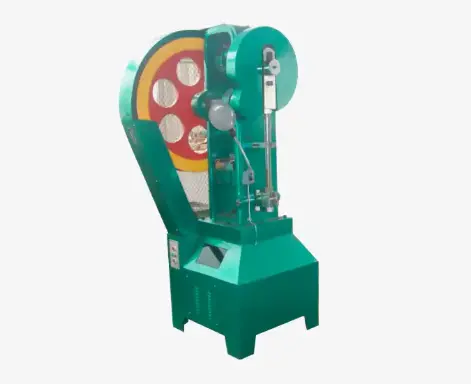
Through decades of technical know-how and customer-focused innovation, Factop has become a trusted name in making pharmacy equipment. The THP-6T model shows our dedication to providing precise tablet compression in a small, efficient package made just for pharmaceutical uses that need controlled batch production.
The THP-6T has one set of punch dies that it uses to make tablets up to 30 mm across and 13 mm thick. It uses 60KN of crushing force to do this. This broad range of specifications can be used for a wide range of pharmaceutical formulas, from standard round pills to forms that are needed for unique uses. The machine is able to make 3000 pieces per hour, which is the perfect mix between high output and the level of accuracy needed for medicinal quality standards.
What makes this model unique is that it can be used by users of all levels of experience. The simple design cuts down on training time while still keeping the level of technical complexity needed to make pharmaceuticals. Maintenance methods are made to be effective, reducing downtime and increasing the life of a business. The machine's small size makes it useful for labs, pilot production areas, and other specialized manufacturing tasks that need to make small parts.
Comparing Technical Specifications Across Leading Brands
Knowing how the different models stack up against each other can help you choose the right tools for your business needs. Even though we focused on the THP-6T's specs, there are other choices on the market that have different compression forces, size limits, and output rates. Machines with higher compression force values can work with harder materials and make tablets that are more durable. Machines with bigger width sizes can make a wider range of products.
Your business planning is greatly affected by your production ability. A machine that can make 3000 tablets per hour is good for businesses that need to make a modest amount of tablets, work on formulating new products, or have a lot of different product lines that need to be switched out often. Machines with more space are used for specialized production lines that make products that meet strict standards and meet a wider market need.
When buying something, you should carefully think about how much energy it uses and how much it costs to run. In the long run, efficient tools save money on energy costs, which lowers the total cost of ownership. The original purchase price is only one part of the real investment. To get a full picture of the finances, you need to look at things like upkeep costs, the availability of extra parts, and repair needs.
How to Choose the Best Flower Basket Tablet Press Machine for Pharmaceutical Use?
When choosing tablet compression tools, you have to think about a lot of things that affect both short-term work goals and long-term business success, such as the Flower Basket tablet press. The choice affects the standard of the product, the ability of your building to meet changing market needs, the speed of production, and compliance with regulations.
Assessing Your Production Scale and Requirements
First, look at your present and planned output levels. Find out how many pills you need to make every day, every week, and every year for each of your products. This study shows if a machine that can make 3000 pieces per hour can meet your needs or if you need tools with a higher capacity. When you figure out the useful capacity, don't forget to include the time lost on changes, upkeep, and quality checks.
Think about the different formulas you make. Products that need to be a certain stiffness, are a certain size, or form may benefit from tools that can do more than one thing. Pharmaceutical businesses that make a lot of different products need machines that can change tools quickly and without a lot of downtime. For research labs and institutions, freedom is more important than maximum speed. This is why machines with a reasonable capacity and a wide range of specifications work best.
Evaluating Technical Features and Compliance
Technical requirements have a direct effect on your ability to make pills that meet the quality standards for pharmaceuticals. Consistency in compression force makes sure that all batches of tablets are the same hardness, which lowers rejection rates and helps companies follow the rules. Better batch-to-batch consistency is a key quality trait for medicinal goods. Machines with precise pressure control systems make this possible.
Safety features keep workers safe and keep the product's purity. Cross-contamination can't happen with dust control systems, and workers are safe from powder contact. Safety interlocks and emergency stop devices are in line with rules about workplace safety. Easy-to-clean designs help your facility follow its cleaning rules and lower the chance of contamination building up between production runs.
Quality certificates show that the equipment meets the highest standards for production around the world. Make sure that any potential sellers have the right ISO certifications and can show proof that they follow cGMP guidelines. Manufacturers who have worked with pharmaceuticals before know what certification standards you have to meet and can give you the technical paperwork you need for equipment approval processes.
Budget Considerations and Financial Planning
Buying equipment is more than just paying the starting price. Make a study of the total cost of ownership that includes the costs of installation, training for operators, ongoing upkeep, extra parts inventory, and energy use. This full picture shows you how much your investment will really cost you over the machine's useful life.
The warranty covers your investment during the important first few months of use. Full guarantees that cover both parts and labor keep you from having to pay extra costs and show that the maker trusts the equipment to work well. Find out what the guarantee covers, how long it lasts, and if there are any conditions that might make it invalid.
Some companies offer loans or rental plans that let you pay for tools over time. This way, you can keep your cash on hand for other business needs. With these choices, new businesses or facilities can get access to high-tech tools.
Enhancing Procurement Confidence: Trusted Suppliers & After-Sales Services
Successful equipment procurement extends beyond selecting the right machine specifications to include choosing suppliers who provide reliable support throughout your equipment's operational lifespan. The relationship you establish with your supplier significantly impacts installation success, operational efficiency, and long-term satisfaction with your investment.
Verifying Supplier Authenticity and Credentials
Due diligence during supplier selection protects you from counterfeit equipment, unreliable support, and potential regulatory complications. Research prospective suppliers thoroughly by reviewing their business history, manufacturing capabilities, and customer references. Established manufacturers with decades of experience bring valuable expertise to your project, while newer companies should demonstrate relevant engineering capabilities and quality systems.
Request documentation of quality certifications and manufacturing licenses. Legitimate manufacturers readily provide ISO certificates, export licenses, and other credentials demonstrating their regulatory compliance and quality management systems. Visit manufacturing facilities when possible to observe production processes, quality control procedures, and technical capabilities firsthand. These visits provide insights into supplier professionalism and manufacturing standards that aren't apparent through remote communication.
Customer testimonials and references offer valuable perspectives on supplier performance. Speaking with existing customers reveals how suppliers handle technical support requests, spare parts delivery, and problem resolution. Companies with strong reputations stand behind their equipment and maintain responsive communication with customers throughout the equipment lifecycle.
Comprehensive After-Sales Support Systems
Technical support availability directly impacts your ability to resolve operational issues quickly and minimize production disruptions. Evaluate whether suppliers offer multiple support channels—including phone, email, and remote diagnostics—with reasonable response times for urgent situations. Multilingual support capabilities facilitate clear communication when technical problems require detailed troubleshooting, particularly for international equipment purchases.
Spare parts availability ensures you can maintain equipment without extended downtime waiting for components. Reliable suppliers maintain inventory of critical parts and provide clear ordering processes with reasonable delivery timeframes. Understanding parts availability and lead times during procurement prevents surprises when maintenance needs arise. Suppliers committed to long-term customer relationships maintain parts availability even for older equipment models, protecting your investment over extended operational periods.
Installation and commissioning services provide assurance that equipment functions properly from the start of operations. Experienced technicians ensure correct installation, perform initial calibration, and verify that all systems operate according to specifications. This professional setup prevents problems caused by improper installation and establishes baseline performance standards for your quality systems.
Managing International Procurement and Logistics
Cross-border equipment purchases, such as the Flower Basket tablet press, introduce additional considerations regarding shipping, customs clearance, and regulatory compliance. Reputable suppliers experienced in international trade provide guidance on export documentation, shipping arrangements, and import procedures specific to your country. This expertise streamlines logistics and prevents delays caused by incomplete documentation or regulatory issues.
Understanding warranty coverage for international purchases protects your interests if problems arise after installation. Clarify how warranty service works across borders, including who covers shipping costs for replacement parts and whether on-site service is available in your region. These details prevent misunderstandings and ensure you receive the support expected when making significant equipment investments.
Payment terms and currency considerations affect your procurement budget and financial planning. Discuss payment structures that provide appropriate protections for both parties—such as deposits upon order confirmation and final payment after successful installation and acceptance testing. Clear agreements prevent disputes and establish mutual accountability throughout the procurement process.
Conclusion
Investing in a flower basket tablet press requires careful evaluation of technical specifications, supplier reliability, and long-term support capabilities. The right equipment delivers consistent quality, supports regulatory compliance, and adapts to your evolving production needs. We've explored how these specialized machines work, what distinguishes leading manufacturers, and how systematic maintenance protects your investment. Whether you operate a research laboratory, produce veterinary pharmaceuticals, or manufacture specialized medications, selecting equipment that matches your production scale and quality requirements positions your operation for sustained success in the competitive pharmaceutical marketplace.
FAQ
1. What distinguishes flower basket tablet presses from rotary models?
Flower basket presses use vertical compression mechanisms with basket-like punch arrangements, offering superior precision for small-to-medium batch production. Rotary presses employ continuous circular motion with multiple compression stations, delivering higher output speeds suited for large-scale manufacturing. The flower basket design provides better operator visibility, simpler maintenance procedures, and enhanced control over tablet formation, making it ideal for research applications, diverse product portfolios, and operations prioritizing flexibility over maximum throughput.
2. Can these machines produce tablets for both pharmaceutical and nutraceutical applications?
Modern tablet presses accommodate various applications, provided the equipment meets relevant regulatory standards for each industry. Pharmaceutical production requires strict cGMP compliance and comprehensive documentation systems. Nutraceutical manufacturing follows different regulatory frameworks but still demands consistent quality and proper hygiene standards. Verify that equipment specifications and supplier documentation support your specific application requirements and regulatory environment.
3. What considerations apply when purchasing used tablet compression equipment?
Used equipment offers cost savings but requires a thorough evaluation of mechanical condition, maintenance history, and remaining operational lifespan. Inspect tooling for wear, verify that all safety systems function properly, and confirm spare parts availability for older models. Request documentation of previous maintenance and any modifications made during prior ownership. Used pharmaceutical equipment must still meet current regulatory standards, potentially requiring updates or validation work before production use. Calculate whether refurbishment costs and limited warranty coverage make used equipment truly economical compared to new machines with full warranties and modern features.
Partner with Factop for Reliable Tablet Compression Solutions
Pharmaceutical manufacturers seeking proven tablet press technology backed by comprehensive support can rely on Factop's engineering expertise and customer commitment. As a professional flower basket tablet press machine manufacturer, we've helped clients across North America, Europe, and Asia establish efficient production capabilities that meet stringent quality standards. Our THP-6T model delivers the precision and reliability your pharmaceutical operations demand, supported by multilingual technical teams experienced in international equipment deployment.
Factop's integrated approach extends beyond equipment sales to include installation guidance, operator training, and responsive after-sales support. We understand that production schedules can't afford extended downtime, which is why we maintain spare parts inventory and provide rapid technical assistance when questions arise. Our commitment to integrity, innovation, and collaborative partnerships means we invest in your long-term success. Contact michelle@factopintl.com today to discuss your tablet compression requirements and discover why pharmaceutical companies worldwide trust Factop as their preferred supplier for quality production equipment.
References
1. Patel, K. & Sharma, R. (2021). Pharmaceutical Tablet Press Technology: Design Principles and Quality Applications. International Journal of Pharmaceutical Engineering, 15(3), 127-145.
2. Manufacturing Standards Institute. (2022). Guide to cGMP Compliance in Tablet Compression Equipment. Boston: Pharmaceutical Technology Press.
3. Chen, L., Martinez, J., & O'Brien, T. (2020). Compression Force Analysis in Single-Punch and Basket-Type Tablet Presses. Journal of Pharmaceutical Sciences, 109(8), 2456-2468.
4. European Pharmaceutical Equipment Association. (2023). Best Practices for Tablet Press Maintenance and Validation. Brussels: EPEA Publications.
5. Wilson, D. & Thompson, S. (2022). Comparative Performance of Tablet Press Technologies in Small-Batch Pharmaceutical Manufacturing. Pharmaceutical Engineering Magazine, 42(2), 88-97.
6. Anderson, M. (2021). Equipment Selection Strategies for Pharmaceutical Procurement Managers. New York: Industrial Press Publishing.
YOU MAY LIKE