
How to operate a laboratory tablet press machine safely
2026-04-21 11:00:00
Five things must be done to keep a pharmaceutical laboratory tablet press safe to use: check the machine's state before each batch, make sure the key settings are correct, wear the right safety gear, watch the compression while the press is running, and clean and maintain the press after each use. Safe operation does more than just keep people from getting hurt. It also helps with R&D or small-batch production, keeps tablet quality high, reduces downtime, and supports compliance. When business tools are reviewed, safety isn't just a job on the shop floor; it's looked at as a whole.
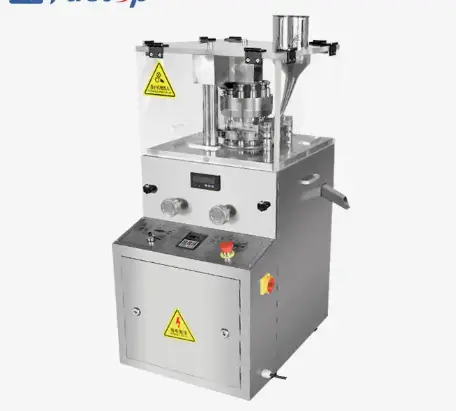
Understanding the Pharmaceutical Laboratory Tablet Press Machine
A lab tablet press machine flattens powder or grains into pills with controlled force. The basic idea is that a certain amount of material goes into the die hole, punches squeeze the material, and the final tablet gets the right shape and stiffness. In the lab, this process needs to be closely watched because even small changes can affect the weight, breakage, dissolution, and consistency of the study.
Core components that affect safety and output
When judging a machine, you should pay special attention to the parts that have a direct effect on how stable it is to use:
- Punches and dies shape the tablet and make sure it is the right size. Tooling that is worn out can get stuck, stop working, and change weight, all of which require more human help and raise safety risks. When buying something, teams should always ask about the safety standards for the tools, how easy they are to clean, and how easy it is to get replacements. These things have an effect on cost and usefulness over time.
- The compression system and pressure plates decide how much power is used. Stable pressure is important for preparation work because it helps keep hardness and thickness the same from batch to batch. A machine with clear change points and consistent force control makes it safer for workers and easier for quality teams to check.
- Feeding and control systems change how materials move and how visible the process is. These days, lab machines often have computer screens, alarms, and other tracking features that help workers find problems quickly. When there is better sight, there are usually fewer mistakes made when fixing things by hand, fewer jams, and less risk during operation.
Manual vs automatic and single-function vs multi-function
A single-punch press is often used for small tests, training labs, and checking early drafts of recipes. Rotary types are good for jobs that need to be done in big batches and with a high output. Manual machines are easier to use and cost less to buy at first, but automatic machines are more consistent and depend less on the skill of the operator. Instead of just looking at the budget, choosing a machine should be based on batch size, certification needs, staff skill levels, and plans for future growth.
Safe Operation Guidelines for Laboratory Tablet Press Machines
Buyers and managers of labs need clear answers that can be used to run the Pharmaceutical Laboratory Tablet Press safely and without harming people, materials, or output. Before the machine starts is the best time to take safety precautions.
Pre-operation checks and calibration
To make sure there are no missing parts or extra products, the machine should be cleaned, put together properly, and checked before each use. Make sure that the power lines, feeding area, emergency stop button, guards, punches, and dies are all in good shape. Calibration is very important before every run in pharmaceutical studies, where pill accuracy is very important.
A pre-run list should have the following items:
- Making sure that the tools fit the size and composition of the tablets that are wanted
- Making sure the turret or press speed, fill level, and compression force choices are correct
- Checking the emergency stop and safety interlocks
- Making sure that the records of earlier cleaning and queue clearance are full
- Doing a short test with no or little load to listen for strange noises or sounds
Safe operating habits during compression
Someone needs to keep a close eye on the machine while it works. It is very important to keep real-time records of changes in powder flow, compression force, and release force, as these can quickly lead to quality issues and mechanical stress.
When the job or the noise level calls for it, operators should wear gloves, safety glasses, and earplugs. Parts that work shouldn't be near clothes that are too big or too small. Hands should never go into the breaking area when the machine is running. If there is a jam, the machine needs to be turned off and stopped before the problem is fixed. A well-designed desk also makes things safer. For example, having the buttons in the right place, the screen at the right height, and the loading height all help keep workers from getting tired and making mistakes.
Maintenance and Troubleshooting for Optimal Performance
A laboratory tablet press performs reliably over time only with regular maintenance, not through reactive repairs. Many recurring problems stem from inadequate cleaning, worn tooling, or missed preventative maintenance.
Daily care and preventive maintenance
After each batch, all product-contact parts should be thoroughly cleaned and inspected for any residue buildup. Stainless steel contact surfaces and dust-handling designs improve cleanliness but do not replace regular cleaning. Lubrication should follow the equipment manual precisely, as over-lubrication can be as detrimental as under-lubrication.
Regular preventive maintenance should include:
- Punch and die wear checks – Worn tooling can alter dimensions and cause sticking while also placing additional stress on the machine over time. Buyers should determine the availability of standard tooling, whether the machine complies with standard tooling specifications, and how easily the technical team can perform changeovers.
- Inspection of feed frame, tube, and compression assembly – Material flow problems often originate from misalignment or excessive material buildup in these components. Early detection helps preserve batch yield, reduce scrap, and minimise unexpected downtime that could disrupt validation plans or critical development work.
- Electrical and control system checks – These include verifying sensor function and display accuracy. Digital monitoring systems are only as useful as the accuracy of their measurements. During procurement reviews, factors such as service support, spare parts lead times, and documentation quality should be evaluated.
Common issues and practical fixes
If tablet weight varies consistently, powder flow, feed settings, machine wear, fill depth, and the laboratory tablet press machine itself should be checked. If lower punches stick, material buildup should be inspected and the cleaning procedure reviewed. If the press produces unusual noise, the operation should be stopped, and the balance, lubricant, and moving parts should be checked before restarting. Genuine OEM spare parts are the preferred choice because they ensure proper fit, function, and compliance with original specifications.
Comparing Laboratory Tablet Press Machines for Informed Procurement
Selecting the right machine is the first step toward safe operation. Procurement decisions often focus closely on initial price comparisons, but the more relevant question is the total cost over the machine’s entire lifespan.
What B2B buyers should evaluate?
When evaluating a laboratory tablet press supplier, four factors should be prioritised:
- Precision and Stability: The machine’s ability to produce tablets of consistent weight and hardness for R&D and trial work.
- Capacity and Scalability: Whether the machine can handle current laboratory workloads while accommodating future growth.
- Ease of maintenance: How easily the machine can be cleaned, have parts changed, and be set up correctly.
- Support quality: Whether the supplier provides service, spare parts, training, and commissioning assistance.
Supplier assessment beyond the machine
Attention should be given to certifications, customer references, training capabilities, and service response times. Supplier reliability translates directly into business outcomes rather than remaining a purely technical consideration. If support is slow or spare parts are difficult to obtain, a lower-cost machine can end up costing more overall.
Jining Factop Pharmacy Machinery Company is a professional company that designs and manufactures pharmaceutical equipment, including grinders, mixers, granulators, packing lines, tablet presses, and capsule filling machines. With skilled, bilingual staff experienced in international business operations, the company has established long-term relationships in Asia, the Americas, Europe, and South Africa. Truthfulness, innovation, and mutually beneficial collaboration guide Factop as they create long-term value for clients worldwide who need reliable equipment and practical support.
Case Study: Implementing Safe Operation Practices at a Pharmaceutical Lab
A small pharmaceutical laboratory producing batches for clinical trials experienced difficulties due to inconsistent setup methods across different workers. Tablet weight varied between runs, minor issues caused delays, and new employees lacked confidence during shifts. The equipment itself was functional, but operational controls were insufficient.
What changed, and what improved?
The laboratory implemented standardised setup sheets, pre-batch testing, operator certification, and a written stop-and-lock procedure for troubleshooting. Management also shortened the interval between preventive maintenance checks and established a plan for maintaining spare tooling inventory.
Within several months, laboratory interruptions decreased, tablet consistency improved, and operator confidence increased, supported by the laboratory tablet press machine. From a procurement perspective, the lesson is clear: safe operation and productivity are mutually reinforcing. Structured training and maintenance, combined with appropriate equipment, support both compliance and business success.
Conclusion
Safe tablet press operation requires control, consistency, and preparedness. Pre-batch checks, precise calibration, careful monitoring, appropriate PPE, and regular maintenance together produce optimal results. Business buyers should seek the best machine for their needs, not merely the least expensive option. Over the long term, the right machine provides reliable compression, easy cleaning, thorough documentation, and dependable support. With the appropriate pharmaceutical laboratory tablet press, worker safety, product quality, and production goals can all be protected simultaneously.
FAQ
1. How often should a laboratory tablet press machine be calibrated?
Calibration should be performed before every production batch. Even small variations can affect tablet quality and data reliability in R&D and small-scale pharmaceutical work.
2. What PPE is needed to operate a tablet press safely?
Operators should typically wear gloves, safety glasses, and hearing protection when noise levels or conditions require it. Hair restraints and fitted work clothing also help reduce contamination risk and mechanical injury.
3. Should a manual or automatic laboratory tablet press be chosen?
The choice depends on workload, personnel availability, and budget. Manual presses are best suited for small tests and simple operations. Automatic presses are often the best choice when laboratories are scaling up or when validation work requires speed and accuracy.
4. What causes tablet weight inconsistency?
Common causes include poor powder flow, worn punches or dies, incorrect fill level, feeder problems, and unstable compression settings. These factors should be checked before restarting production. dissolution,
Partner with Factop for Laboratory tablet press machine Solutions
FACTOP is ready to help you if you need a reliable Pharmaceutical Laboratory Tablet Press maker, seller, or lab tablet press for sale. You can talk to a group that knows about how equipment works, how to keep operators safe, and how to provide help after the sale. You can talk to Factop about your product, ask for specs, or get a custom quote by emailing michelle@factopintl.com.
References
1. United States Pharmacopeia, General Chapter <1062> Tablet Compression Characterization
2. U.S. Food and Drug Administration, Guidance for Industry: PAT—A Framework for Innovative Pharmaceutical Development, Manufacturing, and Quality Assurance
3. European Commission, EudraLex Volume 4, EU Guidelines for Good Manufacturing Practice for Medicinal Products for Human and Veterinary Use
4. World Health Organization, WHO Good Manufacturing Practices for Pharmaceutical Products
5. Remington: The Science and Practice of Pharmacy
6. The Theory and Practice of Industrial Pharmacy by Lachman, Lieberman, and Kanig
YOU MAY LIKE