
Features to look for in a quality laboratory tablet press machine
2026-04-21 11:00:00
When evaluating a quality laboratory tablet compaction machine, the focus is on a short list of features that directly affect tablet accuracy, repeatability, and daily lab efficiency: precise compression force control, stable punch and die performance, easy cleaning, flexible tooling, reliable digital controls, and strong after-sales support. In a research or pilot environment, the machine must do more than make tablets. It needs to help test formulas, document results, reduce downtime, and enable scaling from early trials to small-batch production with confidence. That is what separates a basic tablet press from a smart long-term investment.
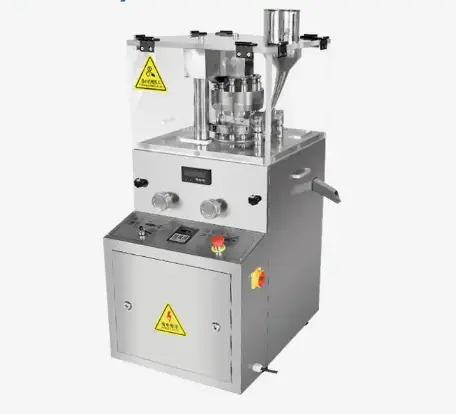
Understanding Core Features of Laboratory Tablet Press Machines
When evaluating a laboratory tablet compaction machine, certain features directly affect tablet accuracy, repeatability, and daily lab efficiency: precise compression force control, stable punch and die performance, easy cleaning, flexible tooling, reliable digital controls, and strong after-sales support. In a research or pilot environment, the machine needs to support formula testing, result documentation, downtime reduction, and confident scaling from early trials to small-batch production. These factors distinguish a basic tablet press from a long-term investment.
Punch and die system accuracy
A laboratory tablet press is built around a punch and die device. If this area lacks precision, achieving downstream quality goals becomes more difficult. Key aspects include smooth punch movement, proper equipment fit, and consistent dimensions. Standardised tools are important because they reduce procurement risk and provide flexibility when trying different tablet sizes and types.
Single-station pill presses are useful in labs due to their small size and ease of use for new drug development. They allow controlled small-batch runs and formula changes with less waste. This makes them suitable for research and development teams, research centres, and health product developers who need frequent testing rather than high-volume production.
Compression force control and repeatability
Accurate compression control is necessary for reliable hardness and friability testing. If pressure varies significantly from one tablet to the next, test results can be inconsistent, leading to more tests, extra work, and delays. Consistent results, especially when testing different formulas, are supported by digital force displays and adjustable compression settings.
Fill level and ejection performance also matter. The sequence of filling, pressing, and ejecting must remain stable during tablet production. Poor ejection can damage tablet edges and generate dust, while poor fill control can cause tablet weight variation.
Digital vs. analogue controls
Digital tools generally provide better process visibility. They allow monitoring of force, thickness, speed, and alarms. Data logging aids in debugging and process improvement. Analogue systems may work adequately for simple tasks, but in modern labs, digital displays often improve repeatability and reduce human error.
Types of Laboratory Tablet Compaction Machines and Their Features
Manual and semi-automatic models
For early-stage tests and low-volume research work, manual presses are a viable option. These machines often appeal to smaller labs because they require lower initial investment and are easy to operate. A hand or semi-automatic press may be suitable when only a few screens for feasibility studies are needed.
These tools are most useful in the following scenarios:
- Tight control over very small trial runs where material cost is high, and every gram matters. This supports testing compressibility, tablet shape, and hardness before investing in more automated equipment for pharmaceutical and nutraceutical development. Process engineers can directly observe how a mixture behaves during compaction.
- A small footprint for labs with limited workspace, such as those already containing mixers, granulators, grinders, and testing equipment. Crowded labs can slow cleaning, changeovers, and documentation processes, which may delay projects and complicate compliance efforts.
Automatic and higher-productivity models
Automatic lab presses, including the Laboratory Tablet Compaction Machine, are better suited for multiple batches, new recipe testing, or small sample productions. They streamline work and improve consistency. Some motorised single-station machines can produce tens of thousands of tablets per hour, sufficient for many research labs that do not require a large rotary system.
Single-station vs. multi-station
In laboratories, single-station types are common because they are simpler, easier to clean, and well-suited for development work. Multi-station or rotary presses increase output but also add complexity, require more maintenance, and occupy more space. When drug formulation is the primary concern, accuracy and adaptability typically take priority over yield alone.
Compact and energy-efficient designs are receiving more attention. Factors such as size, energy use, and operational efficiency affect the total cost of ownership.
Key Performance and Quality Indicators to Evaluate
Hardness, weight, and thickness consistency
Tablet performance can be measured by hardness and weight uniformity. These factors affect product acceptance and process reliability in regulated industries and quality-driven food or chemical applications. If the machine cannot produce stable tablets during a test run, development slows and batch rejection risk increases.
Key considerations include:
- Machine stability during continuous operation, especially when powder flow varies between batches. A good press should maintain consistent weight and strength without frequent manual adjustment. This is particularly important when working with challenging ingredients, herbal extracts, moisture-sensitive blends, or fine powders with poor flow.
- Compatibility with laboratory testing tools, whether external or built-in. Integration with hardness testers, thickness gauges, and weight checks facilitates formulation replication and provides better data for quality and production managers evaluating process performance and formula readiness for pilot scale.
Material versatility
A laboratory tablet compaction machine should handle more than one simple recipe. Many business buyers need a machine that can process pharmaceutical powders, lozenges, nutraceutical blends, veterinary products, and some chemical tablets. This flexibility is important when the same lab works on projects across multiple product lines or for contract manufacturing clients.
Maintenance and troubleshooting support
Ease of cleaning affects changeover time, environmental control, and labour costs. Designs with clear service points, accessible contact parts, and stainless steel construction, where appropriate, are advantageous. Downtime in a research lab can delay multiple projects, so diagnostic alerts, spare parts availability, and responsive service support are also valuable.
How to Choose the Right Laboratory Tablet Press Machine: Decision-Making Criteria?
Buyers should consider not only the budget or brochures but also the specific laboratory tasks to be performed, including the laboratory tablet press machine.
Throughput versus precision
In recipe research, accuracy is generally more important than speed. Moderate throughput may become more relevant when supporting test supplies or customer samples. The right balance depends on whether the lab is primarily used for R&D, process improvement, QC support, or pre-production validation.
Space, budget, and scalability
Purchasing teams should look beyond the initial price. A smaller machine might save money upfront, but could incur higher long-term costs due to fewer tooling options, limited service coverage, or more frequent problems. Consideration should also be given to whether the machine can adapt to changing business needs through upgrades, tooling changes, or expanded application types.
Brand and supplier reliability
Supplier reliability is as important as machine specifications. Clear information about technical issues, proper documentation, training support, transparent lead times, and spare parts planning should be sought. Manufacturer expertise plays a key role here.
Jining Factop Pharmacy Machinery Company designs and manufactures pharmacy equipment, including grinders, mixers, granulators, packing lines, tablet presses, and capsule filling machines. With bilingual staff experienced in global business, the company has established long-term relationships in Asia, America, Europe, and South Africa. Factop operates on principles of honesty, innovation, and mutual benefit and focuses on global cooperation and delivering value to clients worldwide.
Procurement Tips and Best Practices for Global B2B Buyers
Source verification and documentation
Working with manufacturers or authorised distributors who can provide machine documentation, specifications, testing records, certifications, and trial support is recommended. Quality certifications, material information for product-contact parts, and plant acceptance data help reduce uncertainty before shipping.
Shipping, service, and total landed cost
International buyers should verify packing standards, spare parts lists, customs documentation, and shipping timelines. Service response time is also important. A lower price could result in a higher overall cost if installation support is inadequate or critical parts take too long to arrive.
Payment terms and warranty protection
Laboratory tablet press machine: Payment terms affect purchasing risk. Warranty terms, online support options, training availability, and service agreements should be reviewed alongside the machine price. This provides a fuller picture of cost-effectiveness and purchase security.
Conclusion
A good laboratory tablet compaction machine should be accurate, repeatable, flexible, and reliable. Development goals, batch size, lab space, and long-term business plans determine the best option. When comparing machines, compression force control, tooling quality, ease of cleaning, material handling capability, and source reliability should be evaluated. A machine that performs well for daily lab work saves money by improving data quality, reducing downtime, and enabling confident scaling.
FAQ
1. What is the most important feature in a laboratory tablet press machine?
One of the most important features is the ability to adjust compression force, which directly affects tablet hardness, thickness, and uniformity. A stable punch and die method and accurate fill control are also essential.
2. Is a single-station tablet press enough for laboratory use?
In most cases, yes. A single-station press is often well-suited for R&D, small-batch trials, and recipe screening because of its small size, ease of use, and quick changeover capability.
3. Should I choose digital controls over analog controls?
Digital controls are generally the better option when repeatable development data, faster troubleshooting, and greater process insight are needed. They support smoother lab operations and more accurate recordkeeping.
4. How do I evaluate supplier reliability?
Supplier reliability can be assessed by reviewing technical support, documentation, training, spare parts availability, warranty terms, and export experience. A reliable provider should answer technical questions clearly and offer post-delivery machine support.
Partner with Factop for Laboratory tablet press machine Solutions
We can help you find the best Laboratory Tablet Compaction Machine manufacturer, supplier, or machine for sale. Factop is ready to help you evaluate the right solution for your lab or test line. Email our team at michelle@factopintl.com for technical help, quotes, and help with buying things. Factop can help you pick out the right tools for your budget, quality standards, and output goals.
References
1. United States Pharmacopeia, General Chapter <1217> Tablet Breaking Force
2. United States Pharmacopeia, General Chapter <905> Uniformity of Dosage Units
3. European Medicines Agency, ICH Q8 Pharmaceutical Development
4. Food and Drug Administration, Guidance for Industry: PAT — A Framework for Innovative Pharmaceutical Development, Manufacturing, and Quality Assurance
5. Remington: The Science and Practice of Pharmacy
6. Encyclopedia of Pharmaceutical Technology
YOU MAY LIKE