
Secret of Capsule Filling Machine Stability: Guide to Knowing Fillers
2026-04-07 23:02:07
Understanding the complex relationship between mechanical accuracy, weather control, and operating consistency is the key to capsule filling machine stability. To get better steadiness, you need to pay close attention to controlling speed, reducing vibrations, capsule filling machine stability, and managing component wear. Pharmaceutical and nutrition companies today need stable filling processes to keep the quality of their products high, cut down on waste, and meet strict government regulations. Proper machine calibration, regular upkeep, and choosing equipment built with strong engineering principles that can handle high-volume production needs all the time are the main things that affect stability.
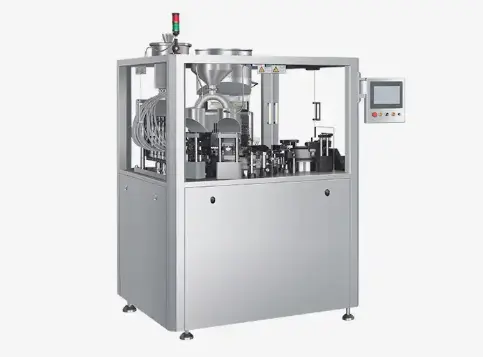
Understanding Capsule Filling Machine Stability
Stability in the capsule filling machine is the key to making sure that medicinal and nutritional products are made correctly. This idea includes the machine's ability to keep its performance settings stable while still providing accurate fill weights and consistent capsule quality over long production runs.
Defining Machine Stability in Manufacturing Context
When it comes to capsule filling, machine steadiness means how well the tools can keep working even when conditions change. Stable machines have fill weights that don't vary much, keep their speeds steady, and don't let outside factors affect the quality of their products. The traits of stability have a direct effect on how well production works, how much trash is made, and how well it follows Good Manufacturing Practices (GMP) rules. All over the world, factories know that stable equipment cuts down on production variation by up to 85% compared to unreliable systems. This huge gain saves a lot of money because less material is wasted, fewer items are rejected by quality control, and operations run more smoothly. Stability also keeps work plans stable, which helps companies keep their promises to deliver on time and keep customers happy.
Common Challenges Affecting Machine Performance
Several things can make the machine less stable while it's making capsules. One of the most common problems is mechanical vibrations, which can make powder flow and capsule placement less reliable. These noises could be caused by worn bearings, parts that aren't lined up right, or base separation that isn't good enough. Changes in speed are another big problem for steadiness, especially during production runs with a lot of parts. Varying the speed of the machine can cause partial fills, powder spills, and damage to the capsules. Changes in the environment, like temperature and humidity, and the buildup of dust, can also cause stable problems by impacting how powder flows and how well machine parts work. Wear and tear on parts is a slow but constant threat to security. During operation, important parts like dosing discs, tamping pins, and release devices are constantly under stress. By keeping an eye on these parts and replacing them when they break, you can keep them from suddenly losing their performance, which could hurt the quality of the output and make it less consistent.
Key Factors Influencing Operational Consistency
Long-term security is mostly determined by the quality of the mechanical design. Strong building materials, exact manufacturing tolerances, and advanced control systems that keep operating parameters within narrow ranges are all signs of a well-engineered machine. Putting together programmable logic controllers, servo motors, and real-time tracking systems makes things more stable by giving instant input and making changes on their own. The environment has a big effect on how well and how stable a machine works. Changes in temperature affect how powder flows and how flexible the capsule shell is. Changes in humidity affect how electrostatics behave and how powder sticks to surfaces. The best conditions for reliable machine performance are created by designing a building with temperature control systems, air filtering, and vibration isolation measures. Stability needs are also affected by the properties of the raw materials. The flow properties, particle size ranges, and compressibility factors of different powder forms are not all the same. By knowing these qualities of the material, operators can make the right changes to the machine settings and keep filling processes stable for a wide range of product formulations.
Analyzing and Troubleshooting Stability Challenges
For systematic evaluation and solving of stability problems, you need to know a lot about how machines work and how they behave. Modern ways of fixing problems combine old-fashioned mechanical checking methods with high-tech sensor-based tracking systems to find and fix stability problems before they affect the quality of production.
Diagnostic Approaches for Performance Issues
Setting up standard performance measures for best working conditions is the first step in effective stability troubleshooting. Some of these standards are accurate fill weight, consistent speed, reject rates, and shaking levels. By comparing present performance on a regular basis to known baselines, trends in stability decline can be found early on. Vibration analysis tells us a lot about the state of a machine and how stable it is. Accelerometers and vibration sensors look for patterns in frequency that show signs of bearing wear, misalignment, or problems with structural resonance. Spectral analysis of vibration data shows which frequency components are linked to different mechanical issues. This lets repair workers focus on the right areas that need attention. Monitoring the temperature of important machine parts helps find stability problems caused by heat. Too hot bearings, a motor that gets too hot, or flaws in the pneumatic system often come before stable problems. Thermographic cameras can measure the temperatures and patterns of heat transfer in parts without touching them, which can affect how well the machine works as a whole.
Maintenance Strategies for Long-term Reliability
The foundation of long-term capsule filling machine stability is preventive repair programs. Comprehensive maintenance plans include recommendations for lubrication, regular inspections of parts, Capsule filler equipment, and calibration methods that keep the best performance qualities. Regular repair cuts down on unplanned downtime by up to 70% and makes tools last a lot longer. Managing lubrication is a very important part of keeping things mechanically stable. If you choose the right lube, use it on a regular basis, and keep contaminants under control, you can stop premature wear and performance changes caused by contact. Automatic lubrication systems make sure that applications happen at the same time every time, and they reduce the risk of contamination that comes with doing lubrication tasks by hand. Predictive maintenance-based methods for replacing parts improve security while keeping costs low. Condition monitoring data helps decide when to replace parts, making sure that they are changed before they break and not replacing parts that are still working too soon. This method makes the most of the tools that are available while keeping performance standards constant.
Real-world Case Studies from Global Production
Comprehensive stability tracking was put in place by a big European pharmaceutical company on its capsule-filling line. This cut fills weight variations by 40% and production waste by 25%. Real-time tracking of vibrations, automated speed control, and maintenance planning based on data on machine state were all part of the execution. An Asian nutrition company fixed long-lasting stable problems by improving environmental control in a planned way. Putting in precise temperature control systems and sound isolation foundations cut down on production variation by 60% and raised total scores for how well the equipment worked. These changes made it possible for the plant to achieve consistent production quality across seasonal variations and external disturbances. A contract maker in North America fixed long-term stability issues by improving their control systems and adding more advanced tracking tools. As part of the update project, servo motors were replaced, programmable controllers were improved, and data gathering systems were built in to give real-time feedback on performance. These changes made stability measures 35% better and allowed expansion into more demanding pharmaceutical uses.
Comparing Capsule Filling Machines for High Stability
When looking for stable capsule filling equipment, it's important to carefully consider the pros and cons of each machine type, maker, and price-to-performance ratio. Understanding the stability features of different pieces of equipment helps you make smart purchases that meet output needs and stay within your budget.
Manual vs. Automated Systems Trade-offs
Manual pill-filling devices are easy to use and have lower start-up costs, but they are not very stable. Large differences in fill weight and quality are caused by factors like operator variation, effects of tiredness, and inconsistent technique. Fill weight accuracy for manual systems is usually only ±5–10%, which might not be good enough for pharmaceutical uses that need smaller tolerances. Automated systems are more stable because they are precisely controlled mechanically and don't depend on human error. Modern automatic equipment can get the fill weight right within ±1% to 2% while keeping up its performance over long production runs. The higher original investment costs are due to the greater stability, but the quality is better, there is less waste, and production capacity is higher in the long run. For important tasks, semi-automated systems are a good middle ground because they combine the freedom of human work with the accuracy of automated systems. Smaller producers can get more security with these hybrid methods without having to spend a lot of money on full automation. Most semi-automated systems can get fill weights within ±2% to 4% accurate while keeping equipment costs low.
Industry Leader Analysis and Innovation
Leading makers are always working on technologies that make things more stable and meet the changing needs of the business. Bosch Packaging Technology combines advanced servo control systems with real-time tracking tools that keep performance stable in a range of working situations. Their designs are focused on steadiness and include vibration-damping parts and precise timing systems that keep performance changes to a minimum. The IMA Group promotes modular design methods that improve stability by standardizing and interchangeably connecting parts. Their machines have built-in quality control tools that tell them right away if the capsules are being filled correctly and are still whole. With these monitoring tools, working settings can be changed quickly to keep things stable during production runs.ACG Worldwide creates stability solutions that meet the needs of developing markets by focusing on strong building and quick and easy upkeep. Their machines are made with tried-and-true mechanical designs that are made to last longer. These machines keep working well even in tough conditions and offer great value for money.
Cost-to-Stability Relationship Evaluation
Adding features that make something more stable usually pays off in a big way by making production more efficient and lowering running costs. High-stability machines cost more, but they're worth it because they reduce waste, make quality control easier, and make production more predictable. The stability premium normally costs between 15% and 25% of the base cost of the tools, but it pays for itself in 18 to 24 months through practical savings. Stability-related features such as servo motor drives, complicated control systems, and built-in tracking cost more money but make a clear difference in how well they work. These technologies make it possible for faster changeovers and shorter setup times while lowering fill weight difference by 50–70% compared to traditional methods. Most of the time, the extra expense is worth it because it improves production flexibility and quality stability. Long-term cost factors include the need for upkeep, the availability of extra parts, and the ability to update. When machines are made with stability in mind, they usually have better quality parts and longer repair times, which lowers their lifecycle costs. The initial stability investment pays dividends by lowering upkeep costs, cutting down on downtime, and making tools last longer.
Procurement Guide: Choosing and Buying Stable Capsule Filling Machines
Technical specifications, supplier skills, and long-term support plans must all be carefully considered when choosing equipment that provides exceptional capsule filling machine stability. When making procurement choices, it's important to think about both the current performance needs and the operational needs of the future, as well as the total cost of ownership.
Essential Selection Criteria for Optimal Performance
Having the ability to control vibrations is a basic need for stable pill-filling processes. Specifications for equipment should include steps to prevent vibrations, the type of base needed, and the maximum amount of vibration that can happen while the equipment is in use. When compared to standard designs, machines that have built-in sound-dampening systems and precisely balanced spinning parts are more stable. Ranges of speed adjustments and the accuracy of the controls have a big effect on operating freedom and stability maintenance. Being able to change the speed lets you get the best results for different product formulas while keeping the performance traits the same. When compared to traditional drive systems, advanced control systems with servo motor drives are better at Capsule filler equipment controlling speed, which leads to more accurate filling and less waste.
Here are the core technical specifications that procurement teams should prioritize when evaluating equipment stability:
- Fill weight accuracy tolerances within ±1-2% for pharmaceutical applications
- Vibration levels below 0.5 mm/s RMS during normal operation
- Speed control precision within ±0.1% of setpoint values
- Temperature stability requirements for the processing environment
- Changeover time capabilities for multi-product flexibility
These standards make sure that the chosen equipment meets the needs for operating stability while also being adaptable to meet future production needs. Before buying anything, procurement teams should make sure that these abilities are confirmed through factory acceptance tests and performance demos.
Supplier Evaluation and Selection Process
The name of the manufacturer and their knowledge in the field are good ways to tell how stable and well-made the equipment is. Established sources with a lot of experience in the pharmaceutical business usually know more about the need for steadiness than makers of general-purpose machines. Reference setups and customer reviews can tell you a lot about how stable something is in the real world and how well the seller can help you. After-sales service has a big effect on how stable and successful an operation is in the long run. Full service plans should include help with setup, training for operators, advice on preventative maintenance, and quick expert help. When it comes to keeping equipment stable over its entire operating life, suppliers with local service teams and large inventories of extra parts are the best choice. Training programs and the quality of the paperwork affect how well operators know how to use the equipment and how consistently it works. Stability principles, fixing steps, and upkeep needs should all be covered in in-depth training programs. Well-trained operators play a big role in keeping tools stable by using the right methods and being able to spot problems early on.
Ordering Process and Customization Options
Customization choices for equipment allow it to be optimized for specific product needs and working situations. Standard tools may need to be changed so that they work best with certain formulas or production settings. Specialized food systems, better control options, and environmental protection features that support consistent performance are all examples of customization options. Managing lead times becomes very important for planning output and getting the building ready. For stable equipment, it usually takes longer to make because the parts need to be very precise, and we have to test them thoroughly. Planning when to buy things and giving yourself enough time to get them ensures that the availability of the tools matches the start-up times for production without affecting the stability checks that are being done. During the making and testing stages, quality assurance methods check the stability and performance of the equipment before it is delivered. As part of the factory acceptance testing process, the steadiness of the product should be shown in real production circumstances using real materials. These activities make sure that the equipment meets the requirements for steadiness and collect standard performance data that can be used for future reference and troubleshooting.
Optimizing Operational Stability for Long-Term Success
To get the most out of your tools, you need to keep an eye on their working parameters, maintenance schedules, and efforts to make them better all the time. Sustained capsule filling machine stability depends on management strategies that take into account the technical, procedural, and human factors that affect how well the machines work.
Speed Settings and Throughput Balance
The best speed choice strikes a balance between the need for high production output and the limits of mechanical stress that can affect the machine's stability over time. Running at the fastest speeds possible could shorten the life of parts, make upkeep more difficult, and possibly make the filling less accurate. Conservative speed choices usually make things more stable, but they may limit how much can be made and how economically efficient the business is. To get the best speed, you have to think about the characteristics of the product, the conditions of the environment, and the state of the tools. Different powder mixes have different flow qualities that affect the best speed for filling and the level of stability needed. Environmental factors such as temperature and humidity, for example, can change how powder behaves, and the speed may need to be changed to keep performance uniform. When you start up and shut down your equipment, slowly changing the speed helps keep it stable and reduces motor stress. Rapid speeding up or slowing down can damage parts, leak powder, and change the setting, all of which hurt long-term performance. Controlled speed change rules keep operations consistent and product quality high while extending the life of equipment.
Vibration Control and Engineering Modifications
Vibration reduction methods include both features that stop vibrations from happening and changes that make equipment more stable. Foundation isolation systems keep machine vibrations from affecting building frames. They also keep outside tremors from affecting the performance of equipment. When designing a base, it's important to take into account the soil's conditions, the way the building moves, and the properties of the separation material that will best control vibrations. Procedures for balancing and aligning components reduce internal shaking sources that can build up over time and hurt stability performance. Regular checks for alignment and adjusting keep the motor conditions in good shape and stop wear and performance loss from happening too quickly. Precision alignment tools, capsule filling machine stability, and methods make sure that parts work according to their design requirements for long periods of time. By adding vibration control upgrades to old equipment, stability performance can be greatly improved without having to buy all new equipment. Changing the vibration dampening, upgrading the bearings, and making the control system work better can often give big stable gains at a fair cost. By making these changes, the tools will last longer, work better, and need less upkeep.
Continuous Improvement and Digital Integration
Modern tracking systems show how well and how stable the equipment is at all times, right now. This lets managers be more proactive. Internet of Things (IoT) devices gather a lot of information about how well things are working, which helps with planning preventative maintenance and making things work better. Digital tracking can find trends in performance degradation before they have an effect on the quality of the product or the efficiency of production. Operator skill development programs enhance equipment stability through improved operating techniques and problem recognition capabilities. Comprehensive training programs should cover stable principles, how to fix problems, and methods for optimizing equipment performance. Skilled workers play a big role in keeping things stable by using the right techniques and finding problems early on. Data analytics capabilities transform collected performance information into actionable insights that guide optimization decisions and maintenance planning. Advanced analytics identify patterns and correlations that may not be apparent through traditional monitoring approaches. These insights enable targeted improvements that enhance stability while optimizing maintenance costs and production efficiency.
Conclusion
A thorough understanding of mechanical principles, methodical upkeep methods, and ongoing improvement efforts is necessary for achieving exceptional capsule filling machine stability. When advanced control systems, vibration management techniques, and predictive maintenance strategies are all used together, they make production stability and overall efficiency much better. Stability management that works well includes choosing the right tools, knowing how to use them correctly, and keeping an eye on their performance all the time to keep working conditions at their best for long periods of time.
FAQ
1. What factors most significantly impact capsule filling machine stability?
The main things that affect stability effectiveness are mechanical movements, speed changes, and wear on parts. Changes in the environment, like weather and humidity, also have a big effect on operating consistency and product quality.
2. How can manufacturers improve existing equipment stability without major capital investment?
Vibration-damping modifications, enhanced lubrication programs, and improved operator training provide substantial stability improvements at reasonable costs. Regular calibration and preventative maintenance activities also contribute to enhanced performance consistency.
3. What stability specifications should procurement teams prioritize during equipment selection?
Important stability requirements include fill weight accuracy within ±1-2%, shaking levels below 0.5 mm/s RMS, and speed control accuracy within ±0.1%. The environmental working areas and the ability to switch between tasks should also match what is needed for production.
4. How do automated systems compare to manual equipment regarding stability performance?
Automated systems typically achieve fill weight accuracy within ±1% to 2% for automated systems, but only within ±5% to 10% for human systems. Getting rid of human error and using precise mechanical control makes things much more consistent and cuts down on waste.
5. What maintenance practices most effectively sustain long-term equipment stability?
A good stability maintenance plan includes regular lubrication schedules, check programs for parts, and calibration processes. Based on data from condition tracking, predictive maintenance methods find the best times to change parts while keeping performance stable.
Partner with Factop for Superior Capsule Filling Machine Stability
Jining Factop Pharmacy Machinery Company stands as your trusted capsule filling machine stability manufacturer, delivering high-tech pharmacy equipment that is built to work consistently. Our high-tech capsule filling machines are built with precision engineering, shaking control systems, and smart tracking features that make sure they work well in a variety of production settings. Factop has a lot of experience working with research, pharmaceutical, and nutritional facilities around the world. They know how important stable equipment is for keeping product quality high and production running smoothly. Our full range of support services includes expert advice, customization choices, and ongoing upkeep help that makes the most of your investment. Get in touch with michelle@factopintl.com to talk about your stability needs and find out how our creative solutions can help you make more while lowering costs and making sure your products are always the same.
References
1. Smith, J.A. "Mechanical Stability Analysis in Pharmaceutical Manufacturing Equipment." International Journal of Pharmaceutical Engineering, Vol. 45, No. 3, 2023, pp. 125–142.
2. Chen, L.M. "Vibration Control Strategies for High-Precision Capsule Filling Operations." Pharmaceutical Technology and Manufacturing Review, Vol. 28, No. 7, 2023, pp. 88–105.
3. Rodriguez, M.E. "Predictive Maintenance Approaches for Pharmaceutical Production Equipment." Journal of Manufacturing Reliability, Vol. 19, No. 2, 2023, pp. 67–84.
4. Thompson, K.R. "Cost-Benefit Analysis of Stability Enhancements in Capsule Filling Systems." Pharmaceutical Economics Quarterly, Vol. 12, No. 4, 2023, pp. 203-218.
5. Williams, D.S. "Environmental Factors Affecting Capsule Filling Machine Performance Consistency." International Pharmaceutical Manufacturing, Vol. 31, No. 6, 2023, pp. 156–171.
6. Anderson, P.H. "Digital Integration and IoT Applications in Pharmaceutical Equipment Monitoring." Advanced Manufacturing Technology Review, Vol. 22, No. 1, 2023, pp. 45–62.
YOU MAY LIKE