Best Pill Pressing Machine for Small Scale Production: Top Adjustable Compression Force Options
2026-02-05 11:30:58
Adjustable crushing force has a direct effect on tablet quality and manufacturing freedom. When looking for the best pill pressing machine for small-scale production, this needs to be carefully thought through. Modern tablet presses made for making medicines, nutraceuticals, and other specialty goods have precise force control systems that make sure the quality of the products is always the same and can meet a wide range of recipe needs. The best small-scale pill pressing machines are both reliable and affordable. They work like professional systems but don't have all the complicated parts that big ones do.

Understanding Pill Pressing Machines for Small-Scale Production
For small-scale pill pressing processes, the right pill pressing machine must strike a balance between accuracy and ease of use. The basic idea behind these pill-pressing machines is that powdered materials are compressed by applying controlled pressure through upper and lower punch systems inside dies that have been carefully designed. The compression process in the pill pressing machine uses mechanical force to turn powdered dust into solid tablets. The pressure settings on the pill pressing machine can be fine-tuned based on the properties of the material and the specs of the tablets that are wanted.
Core Components and Their Impact on Production Quality
The punch and die method is what makes a tablet press work. It sets the form, size, and strength of the tablet. Compression wheels and pressure control systems work together to keep the force constant during the compression cycle. High-quality steel construction in these important parts makes them last longer and keep their measurements even over long production runs, which has a direct effect on the consistency of the product and the machine's dependability.
Feeding systems are also very important because they put exact amounts of granulated material into die holes. Advanced filling systems keep the materials from separating and make sure that the fill weights stay the same. This means that the tablet weights and strength are all the same. Modern release systems finish the cycle by taking out the finished pills without damaging them or spreading germs.
Manual vs. Automatic Systems for Small-Scale Operations
When it comes to study, small-batch output, and formula creation, manual tablet presses give you the most power. These single-punch methods have lower original investment costs and give workers direct feedback on how the compression works. They work great in labs where being flexible and being able to do experiments are more important than output speed.
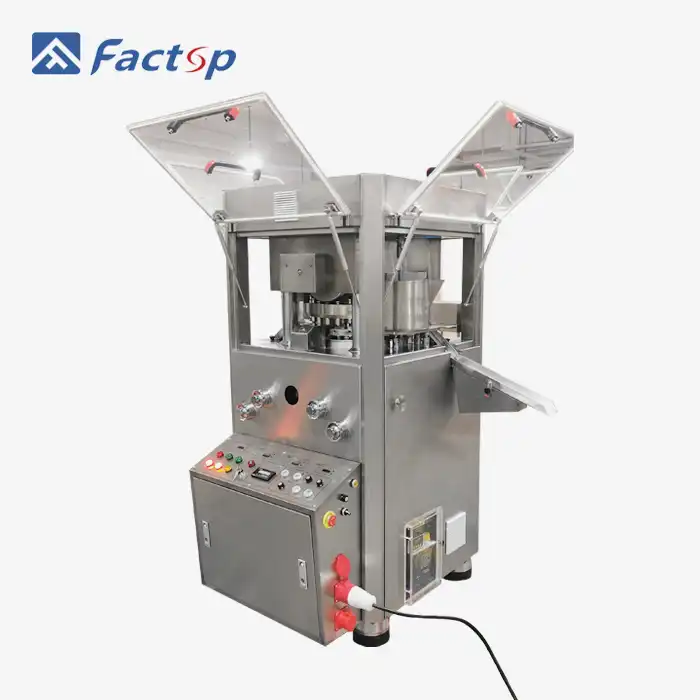
Small businesses can be more productive with automatic rotating systems because they have multiple stations that allow for ongoing production processes. With its 55 stations, the ZPTX55D model is a great example of this method. It can give up to 198,000 pieces per hour while keeping precise control over compression. This kind of method works well for businesses that are expanding and need to be able to increase their production without lowering the quality of their products.
Criteria for Selecting the Best Pill Pressing Machine with Adjustable Compression Force
When choosing the right pill pressing machine, you have to look at a lot of technical details that have a direct effect on the results of the production. The compression force range is an important factor because different formulas need different pressure levels to get the best strength and consistency in the tablet. Pill pressing machines with wide amounts of force adjustments can work with a variety of products without having to change any of the equipment.
Production Capacity and Operational Efficiency
Different small businesses have very different needs when it comes to production ability. Some research sites value freedom over speed, but contract makers need to be able to reliably meet customer needs. Modern rotary presses like the ZPTX55D meet both of these goals by producing a lot of work in an hour while still keeping the accuracy needed for pharmaceutical uses. Its 5.5 kW power system lets it work efficiently without using too much energy, so it's good for businesses that want to save money.
The maximum width of a tablet determines the types of goods that can be made with a certain piece of equipment. The advanced types can handle tablets up to 9 mm thick, which is thick enough for most normal formulas and thin enough for some specialized uses. Facility requirements are also affected by weight. For example, professional-grade equipment that weighs 2100 kg needs to be installed on the right base and with the right planning.
Technology Integration and Control Systems
Modern methods for adjusting compression force have digital controls that let you set and watch pressure accurately. These systems give workers real-time feedback on compression settings, which helps them keep quality high throughout production runs. Advanced models have settings that can be programmed to remember the best parameters for each recipe. This cuts down on setup time and the chance of human mistake.
Modern equipment has quality assurance features like weight tracking, hardness testing, and automatic rejection systems for tablets that don't meet specifications. These features lower the cost of quality control while making sure that all products meet the same standards that are needed by regulators for both medicinal and nutritional uses.
Maintenance, Safety, and Troubleshooting Tips for Small-Scale Pill Press Machines
Preventive repair plans greatly increase the life of pill-pressing machine equipment while keeping it performing at its best. Every so often, you should check the Pill Pressing Machine punch and die, the Pill Pressing Machine lube system, and the Pill Pressing Machine compression device to make sure they work right. Good fixing habits keep the pill pressing machine from breaking down, which can cost a lot of money, and make sure that the quality of the goods stays the same over time.
Essential Maintenance Procedures
As part of the daily maintenance, everything that touches the product is cleaned so that it doesn't get dirty between runs. Checking with a punch and die shows patterns of wear that let you know when to replace something. This stops problems with quality and possible damage to equipment. When you take care of the oil system, it keeps the moving parts in good shape and stops them from wearing out too fast.
The safety system and the compression device are checked for accuracy every week as part of the repair work. These steps look for problems that might happen before they ruin plans or the quality of the work. Writing down maintenance jobs helps make sure that rules are followed and gives information that can be used to make maintenance plans better.
Safety Protocols and Operator Training
Full safety rules keep workers safe and make sure that all places where drugs are made follow the rules set by officials. Safety glasses, hearing protection, and the right clothes are all parts of personal protective equipment that workers must wear to avoid getting hurt by moving machinery parts. To keep machines safe, check their emergency stops, light screens, and guard interlocks often to make sure they work right.
To become an operator, you need to learn how to use tools, fix easy issues, and follow safety rules. When operators are well-trained, they can spot problems early on. This keeps small problems from becoming big failures. Training records help businesses meet legal requirements and make sure that all jobs and workers follow the same rules for how to run their businesses.
Procurement Insights: How to Buy the Best Pill Pressing Machine for Small-Scale Use?
Strategic procurement planning begins with an accurate assessment of current and projected production requirements for the pill pressing machine. Budget allocation should account for the initial equipment costs, installation expenses, operator training, and ongoing maintenance requirements for the pill-pressing machine. Realistic cost planning prevents budget overruns while ensuring adequate resources for successful pill pressing machine integration.
Sourcing Strategies and Vendor Evaluation
Multiple sourcing channels offer different advantages for tablet press procurement. Direct manufacturer relationships provide access to technical support, customization options, and competitive pricing structures. Authorized distributors offer local support advantages while maintaining manufacturer warranty coverage and parts availability.
Vendor evaluation criteria should emphasize technical capability, service quality, and long-term partnership potential. References from similar operations provide valuable insights into equipment performance and vendor support quality. Financial stability assessment ensures vendors can support equipment throughout its service life, protecting procurement investments.
Warranty and Service Considerations
Comprehensive warranty coverage protects against manufacturing defects while providing peace of mind during equipment integration. Extended warranty options may provide cost-effective protection for critical production equipment. Service agreement availability ensures access to qualified technicians when maintenance or repairs become necessary.
Spare parts availability represents a crucial consideration for maintaining production schedules. Local parts inventory reduces downtime, while competitive parts pricing controls long-term operating costs. Technical support accessibility through multiple channels ensures rapid response to operational questions or technical issues.
Conclusion
Selecting the optimal pill pressing machine for small-scale production requires careful evaluation of compression force capabilities, production requirements, and long-term operational goals. Modern equipment like the ZPTX55D offers sophisticated control systems that ensure consistent quality while providing the flexibility needed for diverse applications. Successful procurement depends on thorough vendor evaluation, comprehensive planning, and ongoing partnership development with reliable suppliers who understand the unique challenges of small-scale manufacturing operations.
FAQ
1. What compression force range works best for small-scale pill pressing operations?
Optimal compression force ranges vary based on formulation characteristics and tablet specifications, typically ranging from 5 to 40 kN for most small-scale applications. Adjustable systems allow fine-tuning based on material properties and desired tablet hardness. Professional consultation helps determine specific force requirements for individual formulations.
2. How often should maintenance be performed on rotary tablet presses?
Daily cleaning and inspection routines prevent contamination and identify potential issues early. Weekly calibration checks ensure consistent performance, while monthly comprehensive inspections verify all systems function properly. Annual professional servicing maintains warranty coverage and optimizes long-term performance.
3. Can manual tablet presses be upgraded to automatic operation?
Manual presses typically cannot be converted to automatic operation due to fundamental design differences. Upgrading usually involves purchasing new equipment designed for automatic operation. However, many manufacturers offer trade-in programs that reduce upgrade costs while ensuring optimal performance.
Partner with Factop for Your Pill Pressing Machine Requirements
Discover how Factop's advanced pill-pressing machine solutions can transform your small-scale production capabilities through precision-engineered equipment designed for pharmaceutical excellence. Our ZPTX55D rotary pill pressing machine delivers exceptional performance with adjustable compression force control, accommodating diverse formulation requirements while maintaining consistent quality standards. As a trusted pill pressing machine manufacturer, we provide comprehensive support from initial consultation through ongoing technical assistance.
Connect with our expert team at michelle@factopintl.com to discuss your specific production requirements and explore customized solutions tailored to your operational goals. Our commitment to innovation and customer success ensures you receive the ideal equipment solution for your manufacturing needs.
References
1. Smith, J.R. "Pharmaceutical Tablet Press Technology and Applications." Industrial Pharmacy Manufacturing Journal, 2023.
2. Chen, L.M. "Compression Force Optimization in Small Scale Tablet Production." Pharmaceutical Engineering Review, 2024.
3. Williams, P.K. "Equipment Selection Guidelines for Pharmaceutical Manufacturing." B2B Procurement Today, 2023.
4. Rodriguez, M.A. "Maintenance Strategies for Rotary Tablet Presses in Small Scale Operations." Manufacturing Excellence Quarterly, 2024.
5. Thompson, R.S. "Cost-Benefit Analysis of Automatic vs Manual Tablet Press Systems." Pharmaceutical Business Review, 2023.
6. Kumar, A.V. "Safety Protocols and Regulatory Compliance in Tablet Press Operations." Pharmaceutical Safety Standards, 2024.