Best Pill Tablet Makers for Supplements: High Efficiency and Automatic Models for Sale
2026-02-06 17:35:23
Every step of the production process has to be precise, quick, and reliable in the supplement-making business. Choosing the right pill tablet maker for a business is one of the most important tool decisions they have to make. Modern, high-efficiency automatic pill presses have changed the way supplements are made, making it easier for companies to meet growing market demand while maintaining uniform quality. These high-tech tools take raw supplement powders and turn them into regular pills with exact dosages. This has a direct effect on the quality of the product and the ability to make more of them.

Understanding Pill Tablet Makers: Types and Applications
Pill tablet makers are the most important part of making supplements. They use controlled compression processes to turn raw powders and pellets into regular pills. The compression mechanism works by putting ready-made material into die holes. Upper and lower punches then use exact force to make tablets that are the same weight, hardness, and ability to dissolve.
Manual Tablet Presses for Small-Scale Operations
For labs and small supplement makers, manual pill presses are the best way to get started. For each pill creation cycle, these machines need to be operated by a person. This makes them good for research institutions that are working on new formulas or small makers that are making specialized supplements. Although they can't make a lot of tablets at once, hand presses give you great control over each one's properties and make it easy to change the recipe while the tablet is being developed.
Semi-Automatic Systems for Growing Businesses
Between fully automated machines and ones that are run by hand, semi-automatic tablet machines are a good middle ground. The compression process is done automatically by these devices, but a person is still needed to feed the material and receive the tablets. They can make anywhere from 1,000 to 15,000 pills an hour, which makes them perfect for medium-sized supplement companies that need regular quality but don't want to spend a lot of money on fully automatic systems.
Fully Automatic High-Efficiency Models
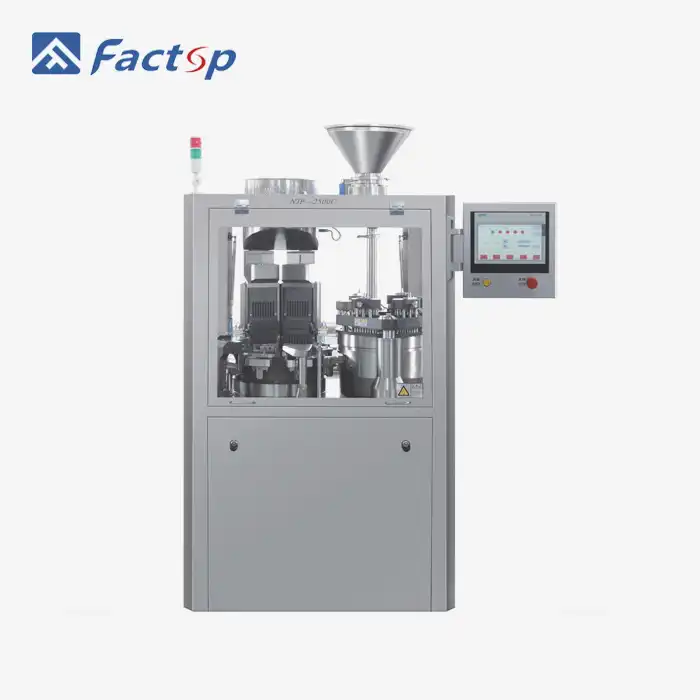
Fully automatic pill presses are the most advanced technology used to make supplements today. These high-tech tools handle the whole production process, from loading the materials to ejecting and collecting the tablets. More advanced models have multiple tracking systems, automatic weight control, and quality checking built right in. They are necessary for big supplement companies that sell their products all over the world because they can make more than 45,000 pills an hour.
The supplements that these tools can be used for are very different. To keep their effectiveness and make sure they dissolve at the right rate, vitamin pills need to be precisely compressed. Herbal pills often have special problems because the powder they come in has different properties, which means that the compression settings need to be variable. Mineral supplements, like calcium pills, need to have a certain toughness to make sure they are bioavailable and to keep their shape while they are being packed and shipped.
How to Choose the Best Pill Tablet Maker for Your Supplement Business?
To choose the best tablet compression tools, you need to carefully consider a number of practical and strategic factors. The most important thing for a pill tablet maker to think about is production capacity, which has a direct effect on how efficiently products are made and how well they can meet market needs.
Production Capacity Assessment Framework
The F-1 structure is based on what is needed for instant output and growth. Manufacturers need to look at how many tablets they need to make every day, when demand is highest, and how much more they plan to make over the next three years. A vitamin business that makes 100,000 tablets every day would need machines that can handle this many pills while still keeping quality standards high during long production runs.
The F-2 approach looks at how long-term equipment skills and business growth goals are aligned. This includes looking at plans to grow the market, timelines for making new products, and possible changes in supplement formulas that could need different compression settings.
Material Compatibility and Formulation Considerations
Different supplement formulas pose different crushing problems that directly affect the choice of tools. Protein powders don't usually flow well, so they need pill presses with modern feeding systems and shaking mechanisms. Herbal extracts often have chemicals that are sensitive to wetness and need precise environmental controls while they are being compressed. Vitamin blends may have ingredients with different crushing qualities, so they need tools that can work with complicated mixes.
Modern tablet presses can handle tablets with a width of up to 50 mm, so they can make big extra tablets or many smaller tablets at the same time. The range of compression forces must match the needs of the product. For example, some vitamins need light compression to keep the active ingredients safe, while others need strong compression to properly join.
Automation Level and Operational Integration
The decision between fully automatic, semi-automatic, and human methods is based on the amount of work that needs to be done, the supply of workers, and the need for quality control. GMP compliance standards can be met by automatic systems like the ZPTX15D type, which can make 45,000 pieces per hour. These tools work well with equipment further down the line, like dust catchers, tablet dedusters, and belt feeding systems.
Integrating quality control is especially important for supplement makers who have to follow FDA rules. Automatic tablet presses can have systems that check the hardness of tablets, keep track of their weight in real time, and throw out tablets that don't meet the specifications. This technology cuts down on the cost of work while also making things more consistent and in line with regulations.
Top-Rated High-Efficiency and Automatic Pill Tablet Makers in 2026
There are a lot of high-performance pill compression options on the market right now that are made especially for making supplements. Leading models have high levels of dependability, accuracy, and production efficiency, all of which directly lead to better operating performance.
ZPTX15D: Premium Automatic Tablet Press
The ZPTX15D is the latest in tablet compression technology, and it works best in settings that make supplements. This model has an amazing production capacity of 45,000 pills per hour while still following strict GMP guidelines. The machine can handle pill sizes of up to 50 mm, so it can make both big extra tablets and many smaller ones at the same time.
Manufacturing sites can expect delivery within 25 days, which means that production won't be interrupted as much during projects to update equipment or add on. The full approval package makes sure that pharmaceutical production standards are met, which meets the legal needs of supplement makers in global markets.
Integrating optional tools improves the standard and speed of operations. The available dust catcher system keeps the work area clean and keeps workers from being exposed to powder. Tablet deduster accessories get rid of extra powder on finished tablets, which makes them look better and lowers the risk of cross-contamination. Continuous material supply is made possible by conveyor feeding systems, which increase production efficiency and decrease the need for human handling.
Comparative Analysis of Leading Models
A study of the market shows that different types of tablet presses have clear benefits. Portable units give companies that make more than one line of supplements in shared buildings more options. With little downtime, these tools can be moved from one production area to another and rearranged for different formulas.
Stationary high-capacity systems work best in specialized supplement production areas that focus on high efficiency and regular output. These setups usually have combined systems for moving materials, controlling the air, and checking the quality of the work that make the whole process better.
Real-World Implementation Success
A big drug company just recently added automatic pill pressing technology to meet the needs of a growing market and improve product consistency. Before, the building used a number of semi-automatic units that needed a lot of human work and made tablets of varying quality. When high-efficiency automatic equipment was put into use, production time was cut by 60%, and pill weight difference was cut to less than 2%.
By spending money on new pill tablet maker technology, the company was able to increase the number of products they made and confidently enter new foreign markets. Return on investment was seen within 18 months thanks to less work being needed and better efficiency. This shows that switching to current tablet compression equipment is a good financial move.
Maintenance, Safety, and Troubleshooting for Pill Tablet Makers
Systematic maintenance protocols ensure optimal performance and extend equipment lifespan while maintaining compliance with pharmaceutical manufacturing standards. Regular maintenance activities directly impact production reliability, product quality, and operational costs.
Preventive Maintenance Procedures
Daily maintenance routines include thorough cleaning of all product-contact surfaces using approved pharmaceutical cleaning agents. Dies and punches require careful inspection for wear patterns, damage, or residue buildup that could affect tablet quality. Lubrication points must be serviced according to manufacturer specifications using food-grade lubricants appropriate for supplement manufacturing environments.
Weekly maintenance extends to mechanical systems, including drive components, electrical connections, and safety systems. Calibration verification ensures weight control systems maintain accuracy within specified tolerances. Comprehensive documentation of all maintenance activities supports regulatory compliance and helps identify potential issues before they impact production.
Monthly maintenance includes detailed inspection of wear components, replacement of consumable parts, and performance verification testing. This systematic approach prevents unexpected failures and maintains consistent tablet quality throughout the equipment's lifespan.
Safety Protocols and Regulatory Compliance
Operator safety requires comprehensive training on equipment operation, emergency procedures, and personal protective equipment requirements. Lockout/tagout procedures must be established and followed during all maintenance activities to prevent accidental equipment startup. Emergency stop systems require regular testing to ensure immediate response capability.
GMP compliance demands detailed documentation of all equipment operations, maintenance activities, and quality monitoring results. Change control procedures must be implemented when modifying equipment settings or replacing components. Validation protocols ensure equipment continues meeting pharmaceutical manufacturing standards throughout its operational life.
Common Troubleshooting Solutions
Tablet weight variation often results from inconsistent material flow or worn feeding mechanisms. Regular calibration of weight control systems and inspection of feed frames typically resolves these issues. Material flow problems may require adjustment of vibration settings or modification of powder blending procedures.
Tablet capping or lamination indicates improper compression parameters or material preparation issues. Gradual adjustment of compression force and dwell time usually corrects these problems. Persistent quality issues may require reformulation consultation to optimize material characteristics for tablet compression.
Equipment manufacturers provide technical support services that include remote diagnostics, on-site service, and replacement parts supply. Establishing relationships with qualified service providers ensures rapid response to equipment issues and minimizes production disruption.
Where and How to Procure High-Quality Pill Tablet Makers?
Successful pill tablet maker equipment procurement requires careful evaluation of supplier capabilities, product quality, and long-term support commitments. The selection process directly impacts pill tablet maker manufacturing efficiency, regulatory compliance, and operational costs throughout equipment lifespan.
Supplier Evaluation and Selection Criteria
Reputable manufacturers demonstrate proven experience in pharmaceutical and supplement equipment design and manufacturing. Quality certifications, including ISO 9001 and pharmaceutical equipment standards, indicate systematic quality management and regulatory awareness. Customer references from similar supplement manufacturing operations provide valuable insights into equipment performance and supplier support quality.
Geographic proximity or established service networks ensure timely technical support and parts availability. International suppliers must demonstrate the capability to provide local service support or partner with qualified service organizations. Language capabilities and time zone coverage affect communication efficiency during equipment installation and ongoing support.
Pricing Structures and Payment Terms
Equipment pricing varies significantly based on automation level, production capacity, and optional features. Basic manual presses may cost several thousand dollars, while high-capacity automatic systems represent investments of hundreds of thousands of dollars. Total cost of ownership includes initial purchase price, installation costs, training expenses, and ongoing maintenance requirements.
Flexible payment terms accommodate different financial strategies and cash flow requirements. Leasing options may provide advantages for companies seeking to preserve capital for other investments. International transactions require consideration of currency fluctuation, import duties, and shipping costs that affect total project costs.
International Procurement Considerations
Global sourcing provides access to specialized equipment and competitive pricing but requires careful attention to regulatory compliance and support capabilities. Equipment imported from international suppliers must meet local electrical codes, safety standards, and pharmaceutical manufacturing requirements.
Documentation requirements include detailed specifications, quality certificates, and installation instructions translated into local languages. Training materials and operating manuals must be provided in appropriate languages to ensure safe and effective equipment operation.
Warranty terms and service agreements require special attention for international purchases. A clear definition of responsibilities for shipping costs, travel expenses, and parts availability prevents misunderstandings during warranty periods. Establishing local parts inventory or service partnerships reduces downtime risks associated with international supply chains.
Conclusion
Selecting the optimal pill tablet maker requires careful consideration of production requirements, quality standards, and long-term business objectives. High-efficiency automatic models like the ZPTX15D offer compelling advantages for supplement manufacturers seeking to improve productivity while maintaining strict quality control. The integration of advanced features, including GMP compliance, optional equipment compatibility, and substantial production capacity, positions these machines as strategic investments for growing supplement operations. Successful implementation depends on thorough evaluation of supplier capabilities, comprehensive maintenance planning, and alignment with regulatory requirements. The combination of advanced technology, reliable supplier partnerships, and systematic operational procedures enables supplement manufacturers to achieve sustainable competitive advantages in demanding global markets.
FAQ
1. How do automatic pill tablet makers enhance production efficiency compared to manual systems?
Automatic tablet makers dramatically increase production speed while reducing labor requirements and improving consistency. Modern automatic systems can produce 45,000 tablets per hour compared to a few hundred tablets hourly with manual equipment. The automation eliminates human variability in compression force and timing, resulting in superior tablet uniformity and reduced waste rates.
2. What material considerations are important when selecting tablet compression equipment?
Material flow characteristics, moisture content, and particle size distribution significantly impact compression success. Supplements containing herbal extracts or protein powders may require specialized feeding systems due to poor flow properties. Equipment selection must accommodate the specific compression requirements of planned formulations while providing flexibility for future product development.
3. Can tablet makers be customized for unique supplement formulations?
Modern tablet press manufacturers offer extensive customization options, including specialized tooling, modified feeding systems, and adjusted compression parameters. Custom solutions address unique formulation challenges such as moisture-sensitive ingredients, unusual tablet shapes, or specific hardness requirements. Collaboration with equipment manufacturers during formulation development ensures optimal results.
Partner with Factop for Advanced Tablet Manufacturing Solutions
Supplement manufacturers seeking reliable, high-efficiency tablet compression equipment benefit from Factop's comprehensive expertise and proven track record. Our ZPTX15D model delivers exceptional production capacity of 45,000 tablets per hour while maintaining GMP compliance standards essential for supplement manufacturing. With delivery available within 25 days and optional equipment including dust collectors and conveyor feeders, we provide complete solutions tailored to your operational requirements.
Contact our technical team at michelle@factopintl.com to discuss your specific tablet manufacturing needs and explore our range of pill tablet maker options. As a trusted pill tablet maker manufacturer, we offer competitive pricing, flexible payment terms, and comprehensive support services that ensure successful implementation and long-term operational success.
References
1. Smith, J.R. "Pharmaceutical Tablet Compression: Principles and Practice in Modern Manufacturing." Journal of Pharmaceutical Manufacturing, 2024.
2. Anderson, M.K. "Quality Control Systems in Supplement Tablet Production: Automation and Compliance Strategies." International Pharmaceutical Technology Review, 2024.
3. Chen, L.W. "Advanced Tablet Press Design for High-Volume Supplement Manufacturing." Pharmaceutical Engineering Quarterly, 2024.
4. Rodriguez, P.A. "Material Science Applications in Dietary Supplement Tablet Formulation." Supplement Manufacturing Technical Journal, 2024.
5. Thompson, R.S. "Economic Analysis of Automated vs. Manual Tablet Production Systems in Supplement Manufacturing." Industrial Pharmacy Economics, 2024.
6. Williams, D.M. "Regulatory Compliance and GMP Standards for Supplement Tablet Manufacturing Equipment." Pharmaceutical Compliance Review, 2024.
YOU MAY LIKE