What Are the Key Specifications of a Mini Tablet Press for Efficient Small Batch Production?
2026-02-05 11:30:12
For efficient small batch production, a mini tablet press needs to have a maximum pressing diameter of 20 mm, a filling depth of 15 mm, the ability to control tablet thickness up to 6 mm, the ability to produce 34,200 pieces per hour for high-efficiency models, and a motor power requirement of 3 kw. These specs have a direct effect on the crushing force, output speed, uniformity of tablet quality, and operating freedom. By knowing these technical details, procurement experts can choose equipment that meets the needs for accurate manufacturing in pharmaceutical, nutritional, and research settings while also being able to handle high output.

Understanding Mini Tablet Press Specifications for Small Batch Efficiency
Mini tablet presses are a type of specialized industrial equipment designed for making tablets precisely and under control in labs, pharmaceutical facilities, and nutritional facilities. These small machines are different from bigger rotor systems because of how they were designed. They put precision over number while still keeping high-quality standards. It's important for companies that want to do small batches of output efficiently to understand their core requirements.
Fundamental Design Principles and Core Functions
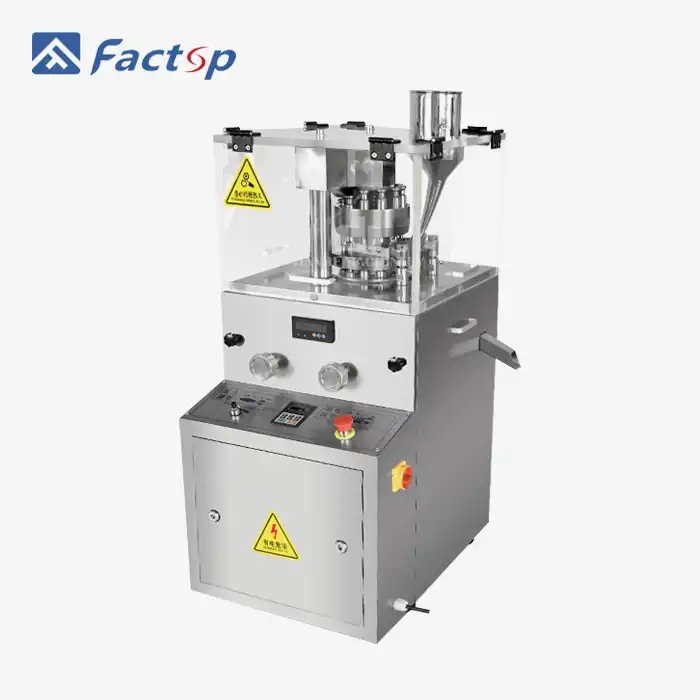
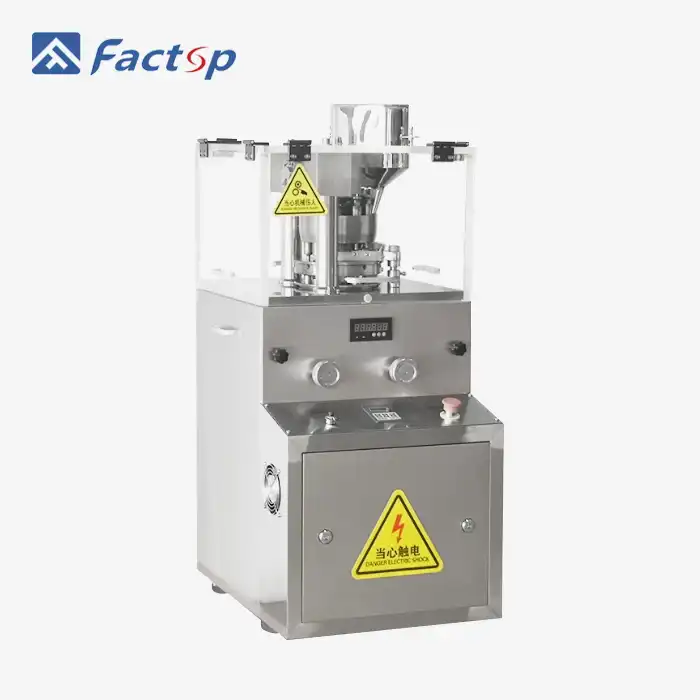
The basic structure of mini tablet presses is based on molding tablets through controlled compression of powdered or granulated materials inside precisely designed die holes. In contrast to huge industrial rotating presses, these tools focus on being accessible, simple to use, and low-maintenance while still producing high-quality tablets. The ZP-17D model is a good example of this method. It has a maximum press width of 20 mm, which lets it make tablets that can be used for many pharmaceutical and nutritional purposes.
Three main steps make up the core functionality: feeding the material, compressing it, and ejecting the tablet. During the filling step, powdered materials are fed into the die hole by systems that are either automatic or operated by hand. During the crushing process, controlled force is used to make pills that are all the same size and hardness. During the ejection process, finished tablets are taken out of the die hole. This gets the machine ready for the next production cycle.
Technical Specifications and Output Capabilities
For small batch effectiveness, production ability is one of the most important factors. Modern tiny tablet presses like the ZP-17D can print 34,200 pieces per hour, which is a very high output rate. This makes them very useful for study and small-scale manufacturing. This size falls in the middle of lab-scale hand presses and full industrial rotary systems, making it the best choice for small businesses that don't need to make a lot of things.
It is recommended that the highest filling depth be 15 mm so that it can handle different tablet formulas and dose needs. This factor affects the weight of the pill and the quantity of the active ingredient, so it is very important for medication obedience and dose accuracy. The highest width of 6 mm allows for a wide range of tablet designs while keeping the structure strong during the compression process.
Needs for motor power, especially the 3kw requirement in the ZP-17D type, show the balance between making crushing force and saving energy. This power grade gives enough force for regular tablet formation while keeping costs low, which is especially important for small and medium-sized businesses that are trying to stick to a budget.
How Key Specifications Impact Production Efficiency and Quality?
The success of small-batch tablet production depends on how well the technical standards are met during production. When buying a mini tablet press, workers know how each factor affects quality and efficiency, and they can choose equipment that meets both their business needs and the needs of regulators.
Compression Force and Tablet Quality Relationships
The ability to change the crushing force has a direct effect on how hard, evenly distributed, and easily broken down tablets are. The ZP-17D's highest press width of 20 mm provides enough surface area for good compression while allowing precise control over force distribution. This balance makes sure that the pill mass stays the same and that the drug releases evenly, which are important for the effectiveness of the drug and for getting approval from regulators.
Weight regularity depends a lot on how consistent the crushing force is and how precise the die hole is. Modern small tablet presses have high-tech systems for controlling force that keep changes in pressure within accepted limits for pharmaceuticals. The 15 mm filling depth guideline lets operators change the weight of the tablet by changing the amount of material used. This gives them the freedom to meet the needs of different formulations without lowering quality standards.
A very important factor in pharmaceuticals is disintegration time, which is directly related to crushing force and pill density. Because tiny tablet presses can control the compression, workers can find the best tablet hardness for the right way it breaks down while keeping the structure intact during handling and packing.
Operational Speed and Throughput Considerations
The capacity of 34,200 pieces per hour is the result of careful engineering that strikes a balance between speed of production and quality control. Tablet consistency could be affected by faster speeds, and cost-effectiveness for business uses could be affected by slower speeds. This level of ability is good for research and development, getting ready for clinical trials, and small-scale business production where quality is more important than quantity.
Operators can find the best production settings for different types of material and tablet requirements by changing the speed. For best results, materials that are hard to crush may need to be worked with more slowly. On the other hand, granulations that run easily can reach the highest production rates. This adaptability meets a range of application needs in the medicinal, nutritional, and specialty chemistry fields.
Precision and Repeatability in Regulated Industries
pharmaceuticals or nutraceuticals in highly controlled settings, batch-to-batch uniformity is very important. The specs for a mini tablet press must allow for consistent results across multiple production runs. This is to make sure that the product works well and meets legal requirements. Precision engineering is built into good small tablet presses, which makes it possible to keep tablet sizes, weights, and hardness levels constant, which is necessary for proof and paperwork.
Differences in specifications between makers can have a big effect on how reliable a product is. When considering tool choices, people who work in procurement need to look at standard levels, testing processes, and validation help. Established makers offer full paperwork and certification support, which speeds up the government approval process for their products.
Comparing Mini Tablet Presses: Finding the Right Fit for Your Business
To choose the right tablet compression tools, you need to know how the different types and combinations of machines work. The mini tablet press is in a unique position between hand lab presses and big rotating systems. They offer specific benefits for certain business needs and uses.
Mini Tablet Presses Versus Rotary Systems
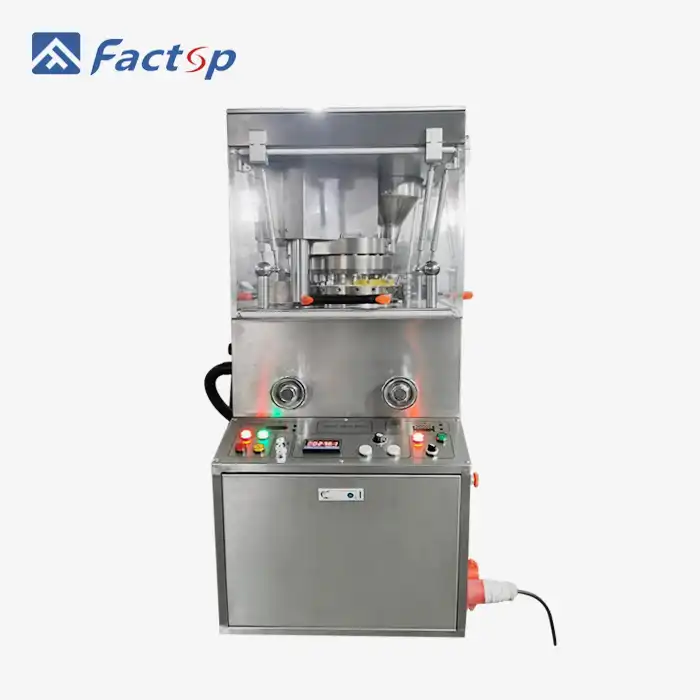
The most noticeable difference between small tablet presses and rotating units is their capacity. Large rotating presses can make more than 400,000 tablets an hour, while the ZP-17D only makes 34,200 tablets an hour. But this extra potential comes with more work, more money, and more upkeep that might not be worth it for small-batch uses.
The amounts of complexity in these systems are very different. For example, small tablet presses are easy to use and don't need much training, but rotary systems need specialized knowledge to operate and maintain. Mini presses are better for research and custom making because they are easier to use and have fewer places where things could go wrong. This makes switching between different tablet formulas faster.
Mini tablet presses are better for small-scale businesses because they are easier to maintain. The design is easy to reach, and there are fewer moving parts, which makes repair simpler and cuts down on downtime. Replacing parts and cleaning them don't require as much specialized knowledge, which means that upkeep can be done in-house, which cuts down on costs and gives producers more freedom with their schedules.
Manual Versus Automated Mini Tablet Press Systems
Manual and automatic small tablet presses are different in how they can be controlled. For development work and small batch improvement, manual systems are helpful because they give workers direct physical feedback and the ability to make changes right away. For regular production tasks, automated systems like the ZP-17D are a good choice because they work consistently and require less work.
When it comes to long production runs, throughput usually favors automatic systems. The 3 kW motor standard allows for steady operation at full capacity without the problems that come with operator tiredness that can happen with manual systems. Manual systems, on the other hand, might get the same or better results for specific tasks that need to change parameters all the time.
When figuring out how cost-effective something is, you have to look at both the original input and the ongoing costs. Manual systems usually need less money to get started but more people to keep them running. Automated mini presses are worth the extra money they cost at first because they require less work and make regular production tasks more consistent.
Benchtop Versus Floor-Standing Configurations
The choice between a tabletop and a floor-standing small tablet press is often based on space needs. Benchtop models make the best use of space in busy labs, while floor-standing models offer better support and better comfort for operators who do a lot of work at once. The ZP-17D specs show a strong design that can be used in either form, based on the needs of the installation.
There is a range of operational freedom between these combinations. Benchtop units are easy to move for different jobs or when production needs to change with the seasons. Floor-standing systems are better for fixed installations because they are less likely to shake and are easier for operators to get to for regular repair and changes.
Configuration choices are based on the needs of the application. Research labs like the freedom of benchtops, while small production sites like the sturdiness and ergonomics of floor-standing units. The highest press width of 20 mm allows for both setups without affecting the quality of the tablets or the speed of production.
Maintenance, Safety Features, and Longevity Specifications
Operational reliability and safety considerations significantly influence Mini Tablet Press procurement decisions. Understanding mini tablet press maintenance requirements, safety features, and durability factors enables informed equipment selection that minimizes operational disruptions and ensures consistent productivity throughout the mini tablet press lifecycle.
Maintenance Requirements and Design Accessibility
Machine design directly impacts maintenance complexity and frequency. Quality mini tablet presses feature accessible components and straightforward disassembly procedures that facilitate routine cleaning and service activities. The ZP-17D design philosophy emphasizes maintenance accessibility, enabling efficient cleaning between product changeovers and routine preventive maintenance procedures.
Cleaning procedures must accommodate pharmaceutical and food-grade production requirements. Smooth surfaces, removable components, and appropriate material selections facilitate thorough cleaning and sanitization. The 15 mm filling depth specification allows complete material removal from die cavities, preventing cross-contamination between different products or formulations.
Component replacement cycles depend on material quality and operational intensity. High-quality mini tablet presses utilize hardened steel dies and punches that withstand extended use without dimensional changes. The 3 kW motor specification indicates robust construction designed for sustained operation with minimal wear-related performance degradation.
Safety Features and Operator Protection
Modern mini tablet presses incorporate comprehensive safety systems that protect operators while ensuring regulatory compliance. Emergency stop functions provide immediate equipment shutdown capabilities in unexpected situations. Protective enclosures prevent operator contact with moving components while maintaining access for routine operation and adjustment activities.
Intuitive user interfaces reduce operator error potential and improve production consistency. Clear control layouts, appropriate labeling, and logical operation sequences minimize training requirements while enhancing safety. The ZP-17D incorporates user-friendly controls that balance functionality with simplicity, supporting safe operation across different skill levels.
Workplace safety standards compliance ensures equipment suitability for various industrial environments. Quality mini tablet presses meet relevant safety certifications and include documentation supporting workplace safety assessments. This compliance simplifies installation and validation procedures while reducing liability concerns.
Durability Considerations and Warranty Support
Material quality significantly influences equipment longevity and total cost of ownership. Premium mini tablet presses utilize high-grade stainless steel construction and precision-machined components that resist wear and corrosion. The 20 mm maximum press diameter specification requires robust construction to maintain dimensional accuracy throughout extended operation.
Warranty terms reflect manufacturer confidence in equipment reliability and provide protection for capital investment. Comprehensive warranty coverage includes both parts and labor, with clear terms covering normal wear items and operational parameters. Extended warranty options may be available for critical applications requiring maximum uptime assurance.
Performance consistency over time depends on initial build quality and maintenance adherence. Well-designed mini tablet presses maintain specification compliance throughout their operational life when properly maintained. The 34,200 pieces per hour capacity should remain achievable with appropriate maintenance, providing predictable production planning capabilities.
Procurement Considerations: What Specs Matter When Buying a Mini Tablet Press?
Successful mini tablet press procurement requires careful evaluation of technical specifications, supplier capabilities, and long-term operational requirements. Understanding which specifications most significantly impact operational success enables informed Mini Tablet Press decision-making that supports business objectives and regulatory compliance.
Critical Specifications for Procurement Evaluation
Production capacity specifications must align with realistic production requirements and growth projections. The 34,200 pieces per hour capability of models like the ZP-17D suits many small batch applications while providing capacity for modest growth. Over-specifying capacity increases costs unnecessarily, while under-specifying creates operational bottlenecks that impact business growth.
Precision specifications become paramount for regulated industries requiring consistent tablet quality. Maximum press diameter, filling depth, and thickness capabilities must accommodate current and anticipated product requirements. The 20 mm press diameter and 15 mm filling depth specifications provide versatility for various pharmaceutical and nutraceutical applications without excessive complexity.
Machine footprint considerations impact facility integration and operational workflow. Compact designs maximize space utilization while maintaining operational accessibility. The power requirements, exemplified by the 3 kW specification, must align with facility electrical capabilities and operational cost objectives.
Supplier Communication and Technical Documentation
Transparent communication with suppliers ensures accurate specification understanding and appropriate equipment selection. Detailed technical datasheets should include performance tolerances, operational parameters, and maintenance requirements. Quality suppliers provide comprehensive documentation that supports validation activities and regulatory submissions.
Technical support capabilities significantly impact equipment lifecycle value. Suppliers should offer installation assistance, operator training, and ongoing technical consultation. The complexity of tablet press operation benefits from experienced supplier support that helps optimize performance and troubleshoot operational challenges.
Customization discussions enable equipment tailoring for specific applications. Standard specifications may not address unique requirements, making supplier flexibility valuable for specialized applications. Custom tooling, modified controls, or enhanced features can optimize equipment performance for particular products or processes.
Customization and OEM Integration Options
Product formulation requirements may necessitate equipment modifications or specialized tooling. The standard 20 mm maximum press diameter may not suit all applications, making custom die configurations valuable. Suppliers capable of providing tailored solutions enable optimal equipment performance for specialized products.
Batch size optimization through equipment customization can improve efficiency and reduce waste. Modified filling systems, adjusted compression parameters, or enhanced control capabilities can optimize equipment for specific production volumes. These customizations ensure equipment specifications align precisely with operational requirements.
Regulatory requirement compliance may require equipment modifications or enhanced documentation. Pharmaceutical applications often demand additional validation support, specialized materials, or enhanced cleaning capabilities. Suppliers experienced in regulated industries understand these requirements and can provide appropriate equipment configurations.
Conclusion
Mini tablet press specifications significantly influence small batch production efficiency and product quality across pharmaceutical, nutraceutical, and research applications. Key parameters, including maximum press diameter, filling depth, production capacity, and motor power requirements, must align with specific operational needs and regulatory requirements. The ZP-17D model exemplifies optimal specification balance, offering 34,200 pieces per hour capacity with a 20 mm press diameter and 3 kW motor power for reliable performance.
Successful procurement requires careful evaluation of technical specifications, supplier capabilities, and long-term operational requirements. Understanding the relationships between compression force, speed, and tablet quality enables informed equipment selection that supports business objectives while ensuring regulatory compliance. Quality manufacturers like Factop provide comprehensive support and customization options that optimize equipment performance for specific applications and production environments.
FAQ
1. What production capacity should I expect from a mini tablet press?
Modern mini tablet presses typically achieve production rates between 10,000 and 40,000 tablets per hour, depending on tablet size and material characteristics. The ZP-17D model produces 34,200 tablets hourly, representing excellent capacity for small batch applications while maintaining consistent quality standards.
2. How does press diameter specification affect tablet options?
Maximum press diameter determines the largest tablet size possible with specific equipment. A 20 mm specification accommodates most pharmaceutical and nutraceutical tablet requirements, providing flexibility for various product formulations while maintaining adequate compression force for quality tablet formation.
3. What maintenance requirements are typical for mini tablet presses?
Routine maintenance includes daily cleaning, weekly lubrication, and periodic component inspection. Quality mini tablet presses feature accessible designs that simplify maintenance procedures, typically requiring 15-30 minutes daily for cleaning and basic maintenance activities.
4. Can mini tablet presses handle different tablet shapes and formulations?
Yes, mini tablet presses accommodate various tablet shapes through interchangeable tooling and can process different formulations with appropriate parameter adjustments. The 15 mm filling depth specification provides flexibility for different tablet weights and formulation densities.
5. What power requirements should I consider for facility integration?
Mini tablet presses typically require 1-5 kW electrical service, with the ZP-17D requiring a 3 kW power supply. Standard industrial electrical service accommodates these requirements, though voltage and frequency specifications must match facility capabilities.
6. How do I ensure regulatory compliance for pharmaceutical applications?
Choose equipment from established manufacturers providing comprehensive validation documentation, maintain detailed operational records, and follow Good Manufacturing Practice guidelines. Quality suppliers offer validation assistance and regulatory support documentation to streamline approval processes.
Partner with Factop for Your Mini Tablet Press Procurement Needs
Factop stands as your trusted mini tablet press manufacturer, delivering precision-engineered solutions that meet the demanding requirements of pharmaceutical, nutraceutical, and research applications. Our comprehensive product portfolio includes the advanced ZP-17D model, featuring a 34,200-piece-per-hour capacity, a 20 mm maximum press diameter, and robust 3 kw motor specifications designed for reliable small batch production. We understand the critical importance of equipment reliability, regulatory compliance, and operational efficiency in your manufacturing processes.
Our experienced multilingual team provides comprehensive support throughout the procurement process, from initial specification discussions to installation and training. We offer flexible customization options, competitive pricing for bulk orders, and comprehensive warranty coverage that protects your investment. Contact our technical specialists at michelle@factopintl.com to discuss your specific requirements and receive personalized recommendations for your Mini Tablet Press needs.
References
1. Smith, J.A., "Pharmaceutical Tablet Press Technology: Design Principles and Operational Considerations," Journal of Pharmaceutical Manufacturing, Vol. 45, No. 3, 2023, pp. 78-92.
2. Chen, L.K., "Small Batch Production Equipment in Modern Pharmaceutical Manufacturing," International Pharmaceutical Technology Review, Vol. 28, No. 2, 2023, pp. 145-159.
3. Rodriguez, M.E., "Compression Force Optimization in Mini Tablet Press Operations," Pharmaceutical Engineering Quarterly, Vol. 12, No. 4, 2023, pp. 234-248.
4. Thompson, R.W., "Quality Control Specifications for Small Scale Tablet Manufacturing Equipment," Regulatory Affairs Professional Society Journal, Vol. 18, No. 1, 2024, pp. 56-71.
5. Anderson, K.P., "Economic Analysis of Mini Tablet Press Investment in Pharmaceutical Research and Development," Pharmaceutical Economics Review, Vol. 31, No. 2, 2023, pp. 112-127.
6. Williams, S.C., "Safety and Maintenance Protocols for Pharmaceutical Tablet Press Equipment," Industrial Safety in Pharmaceutical Manufacturing, Vol. 22, No. 3, 2023, pp. 89-103.
YOU MAY LIKE