How to Operate and Maintain an Adjustable Vice Tablet Press for Supplement Manufacturing
2026-02-06 17:37:09
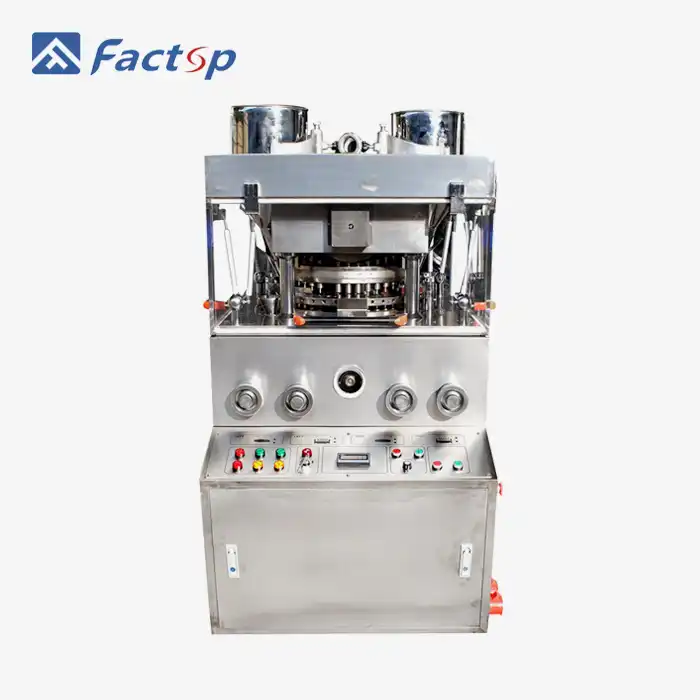
In order to properly use and care for an Adjustable Vice Tablet Press, you need to know how it works and follow set repair procedures. Controlled compression force turns powder recipes into exactly compressed pills, making this important equipment a must-have for supplement makers who want to make sure the quality of their products is always the same. To get consistent results, proper operation includes keeping an eye on the compression settings, making sure that the powder is distributed evenly, and keeping the die in the best position. Regular maintenance includes thorough cleaning, greasing plans, and checks of all parts. This keeps equipment from breaking down, saves money on repairs, and keeps tablet quality standards high.

Understanding the Adjustable Vice Tablet Press: Principles and Benefits
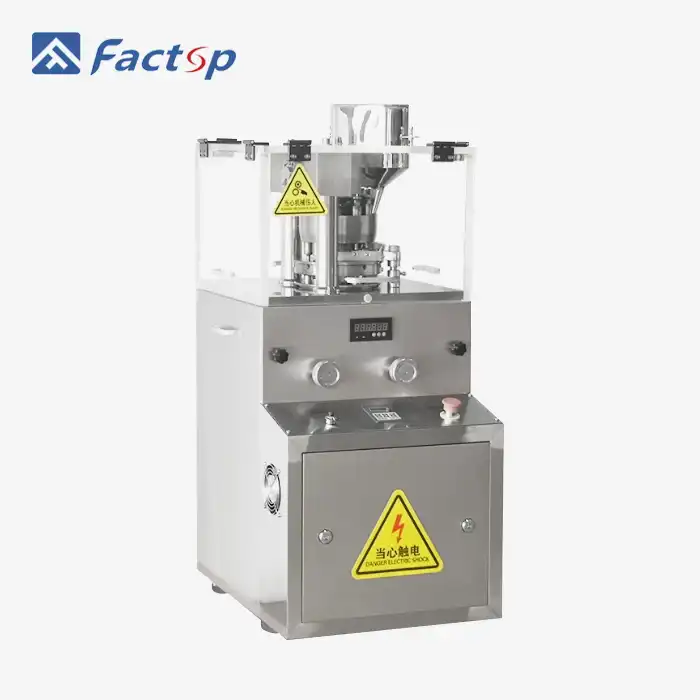
The Adjustable Vice Tablet Press has a complex mechanical pressing system that turns powdered drug mixtures into regular tablets. This machine has a vertical compression device that exactly measures powder materials into die holes. The compression is then managed by setting the force. The compression process starts when the upper and lower punches meet inside the die hole. This applies a set amount of pressure to make tablets that are all the same size, weight, and hardness.
Core Operating Principles and Mechanical Process
Powder compression technology, which makes sure that tablets are formed evenly, is at the heart of the process. Powder materials go through three separate stages during the compression cycle: filling, compression, and release. During the filling phase, forced feeding mechanisms spread powder evenly across the die holes. The compression phase, on the other hand, uses determined pressure to hold particles together. During the release phase, finished tablets are taken out of the die holes. This gets the system ready for the next compression cycle.
This mechanical process is very different from rotating tablet presses, which use gears that keep turning. The vise-type design gives makers better control over the crushing force, so they can make computers that meet all the requirements. The stationary die design gets rid of the uncertainties that come with rotating movement. This makes tablets more regular and cuts down on weight differences between runs of production.
Advantages Over Alternative Press Technologies
When compared to rotating, single punch, and eccentric press methods, customizable vice tablet presses are better in many ways. The best thing about them is that they can precisely compress, which lets workers fine-tune pressure settings for different formulas without having to go through a lot of reconfiguration steps. This adaptability is especially helpful when making different vitamin goods that need different compression settings.
Another big benefit is that it saves money, which is especially helpful for small- to medium-sized production businesses. The simpler motor design lowers the original investment costs while keeping the level of production efficiency needed for small-batch production. Compared to complicated rotating systems, the simple operation means that workers don't need as much training and don't need as much specialized upkeep.
The fact that the equipment can handle different pill shapes and formulas without having to make a lot of changes to the tools makes output more flexible. Using the same base of equipment, manufacturers can quickly switch between different vitamin goods, such as plant formulas and calcium pills.
Safety Features and Best Practices
Modern movable vice tablet presses have a lot of safety features to keep workers safe and keep the quality of the production intact. Emergency stop devices let you turn off the equipment right away, and safety guards keep people from touching moving parts while they're in use. Over-compression can break tools or lower the quality of tablets, but pressure release methods stop that from happening.
Setting clear working methods and making sure all workers get the right training are necessary to make sure that safety standards are followed in the workplace. Regular safety checks make sure that safety systems are working properly, and written safety rules give people a plan for what to do in an emergency. These steps make the workplace safer while keeping the quality of the work uniform.
Step-by-Step Guide to Operating the Adjustable Vice Tablet Press
A well-run job starts with careful checks to make sure that all the tools, including the Adjustable Vice Tablet Press, are ready and that safety rules are followed. These simple steps make sure that all systems work well before production begins. This stops problems before they happen that could hurt the safety of the workers or the quality of the tablets.
Pre-Operation Inspection and Setup Procedures
The pre-operation plan has a number of important checks that get things ready for the start. It checks the alignment of the cuts to make sure they stay in the right place inside the die holes. This stops broken tablets and machines that wear out too quickly. The setting of the punch is looked at visually, and measurements are double-checked with accurate tools to make sure they are correct.
An oil check is another important thing that needs to be done before the machine is used. It is important to oil all working parts so that they work well and don't break down too fast. Any extra oil that might get on the tablet products is cleaned off as part of the lubrication check. The right amounts of oil are put in the right tanks, and the right lubricants are put on the right contact points.
All the safety systems are checked by a safety guard to make sure they are still in the right place and working right. In this check, the emergency stop, the safety interlocks that stop the machine from running when the guards are taken off, and the attachment of the access panels are all checked to make sure they are safe.
Powder Feeding and Compression Operations
For the powder feeding process to work, the flow and spread of the material must be carefully controlled. When making powder the right way, you have to screen the ingredients to get rid of any lumps or unwanted bits that might get in the way of making tablets that are all the same size. The ZP5/7/9C type has a forced feeding system that makes sure powder is evenly spread across all die holes. This stops weight differences that lower the quality of the product.
Several important factors must be kept an eye on by workers during compression operations to make sure that tablet specs are met. By adjusting the compression force, the hardness of the tablet can be fine-tuned while still being able to break easily. The ZP5/7/9C type can handle pills up to 20 mm in diameter and 6 mm thick, which gives it the ability to make a wide range of supplement formulas. Depending on the setup, it can make anywhere from 9,000 to 16,200 pieces per hour.
Tablet release needs to be watched to make sure that the tablets come out of the die holes without getting stuck or damaged. The right release timing and force keep cycle times constant and stop tablet flaws. The release process also gives workers chances to check the quality of the product, which helps them find and fix problems before they affect bigger batches of production.
Troubleshooting Common Operational Issues
One problem that supplement makers have to deal with a lot is tablets that stick together. A lot of the time, this issue happens because the punch surface isn't oiled enough or the powder mixes have too much water. You need to change the amount of lube, check how wet the powder is, and look for damage or wear on the punch surfaces in order to fix the problem.
Different groups of production normally have different pill weights or amounts of hardness when there is uneven pressing. It generally happens when the powder isn't spread out properly, when the cutting parts are worn out, or when the pressure settings are off. Check the state of the tools, pay close attention to how the powder moves, and make sure the pressure is right to fix uneven compression.
When issues with work are too big for normal fixes, you need help from a professional. To keep things running easily and avoid breaking things, you need to know how to fix tough motor issues, issues with the electrical system, or quality issues that won't go away. You will be able to get help quickly when you need it if you know skilled service techs.
Essential Maintenance Tips to Prolong Equipment Life
Using thorough repair procedures greatly increases the life of tools while keeping the quality of production stable. These organized steps keep unexpected problems from happening, lower costs, and make sure that legal rules for supplement manufacturing processes are followed.
Routine Cleaning and Inspection Procedures
Maintenance programs that work are built on daily cleaning routines. Cleaning equipment well keeps it from getting contaminated with different types of products and gets rid of built-up bits that could stop it from working smoothly. The cleaning process includes taking apart parts that come into contact with the product in a planned way, using the right cleaning agents, and getting rid of all the leftover materials.
Dies and tool cleaning need extra care because they have a direct effect on the quality of the tablets. To keep powder from sticking to the surfaces and making them dirty, these precision parts need to be cleaned right away after each production run. For surfaces with a lot of details, specialized cleaning methods use ultrasound to clean them, then they are dried completely and inspected to make sure they are clean.
By inspecting parts while they are being cleaned, wear patterns and possible problems can be found before they cause the equipment to break down. By looking at the sides of the punch, the state of the die cavities, and the moving parts, you can spot early signs of wear that can be fixed with preventative maintenance instead of having to make fixes right away.
Lubrication and Performance Optimization
Proper lubrication keeps mechanical operations running smoothly and keeps important parts from wearing out too quickly. The lube plan tells you how often to lubricate different parts of the system based on how they are used and what the maker recommends. Lubricants made especially for pharmacy equipment are of high quality and make sure that the equipment works with the product while also protecting it better.
All moving mechanical parts, bearing systems, and control mechanisms need to be oiled. To get the best performance, each grease point needs a different type of oil applied in a certain amount. Too much grease can damage goods, and not enough oil speeds up component wear and raises the cost of doing business.
Performance tuning means making regular changes to the settings on the machine to keep it running at its best. These changes account for normal wear patterns and make sure that screens that meet specifications can still be made. Systematic change methods stop performance from slowly declining over time, which could hurt the quality of the product over time.
Preventive Maintenance Scheduling
Setting up thorough preventive repair plans keeps production capacity steady and reduces the number of unexpected equipment breakdowns. The manufacturer's suggestions, operational experience, and government rules are all taken into account in these plans to make structured repair programs that are perfect for each operational situation.
As part of weekly upkeep, all parts must be thoroughly oiled, inspected, and tested for performance proof. As part of the monthly maintenance, more parts are taken apart, important measures are carefully measured, and worn-out parts are replaced. Maintenance that is done once a year includes completely overhauling the equipment, checking the accuracy, and updating the paperwork.
Keeping detailed records of repair helps you meet the standards of the quality system and gives you data from the past to use for performance analysis of the Adjustable Vice Tablet Press. These records keep track of when to repair parts, find problems that keep happening, and help with ongoing improvement projects that make the tools work better overall.
Making the Right Purchase: Selecting the Best Adjustable Vice Tablet Press
Selecting appropriate tablet press equipment requires careful evaluation of production requirements, quality standards, and long-term operational objectives. This decision significantly impacts manufacturing efficiency, product quality, and overall operational costs throughout the equipment's service life.
Critical Features for Supplement Manufacturing
Compression force range represents a fundamental specification that determines the equipment's capability to handle diverse supplement formulations. Different materials require varying compression forces to achieve optimal tablet characteristics, making adjustable force capability essential for flexible manufacturing operations. The compression force range must accommodate both soft formulations requiring minimal pressure and hard materials needing substantial compression forces.
Operational speed directly impacts production capacity and manufacturing economics. The ZP5/7/9C model's production capacity of 9,000 to 16,200 pieces per hour provides sufficient throughput for many supplement manufacturing applications while maintaining the precision control necessary for consistent quality. This capacity range accommodates various production scales from research and development activities to commercial manufacturing requirements.
Tooling compatibility ensures long-term operational flexibility and cost-effectiveness. Standardized tooling systems allow manufacturers to source replacement components from multiple suppliers, reducing procurement costs and minimizing inventory requirements. The ability to accommodate various tablet sizes and shapes without extensive modifications enhances production flexibility for diverse product portfolios.
Comparative Analysis of Press Technologies
Adjustable vice tablet presses offer distinct advantages compared to rotary press systems, particularly for small- to medium-scale manufacturing operations. While rotary presses provide higher production rates, vice-type systems deliver superior precision control and simplified operation that benefits specialized supplement manufacturing. The reduced complexity also translates to lower maintenance requirements and simplified operator training.
Hydraulic press systems provide exceptional force capability but typically operate at slower speeds than mechanical systems. The choice between hydraulic and mechanical compression depends on specific formulation requirements and production volume needs. Mechanical systems like the adjustable vise design offer optimal balance between force capability, speed, and operational simplicity.
Manual press systems remain suitable for research applications and very small-scale production but lack the consistency and efficiency required for commercial manufacturing. Semi-automatic systems bridge the gap between manual and fully automatic operation, providing enhanced consistency while maintaining operational simplicity and cost-effectiveness.
Supplier Evaluation and Selection Criteria
Supplier reliability encompasses multiple factors, including manufacturing quality, delivery performance, and technical support capabilities. Established suppliers with proven track records in pharmaceutical equipment manufacturing provide greater assurance of product quality and long-term support availability. Evaluating supplier credentials includes reviewing certifications, customer references, and industry reputation.
After-sales support availability significantly impacts long-term operational success. Comprehensive support includes installation assistance, operator training, maintenance guidance, and rapid response for technical issues. Suppliers offering local service capabilities provide advantages in response time and ongoing support quality compared to distant suppliers requiring extended travel for service activities.
Warranty terms and spare parts availability influence total ownership costs and operational reliability. Comprehensive warranty coverage protects against manufacturing defects, while an extensive spare parts inventory, including for the Adjustable Vice Tablet Press, ensures rapid resolution of maintenance requirements. Suppliers maintaining adequate spare parts inventory and reasonable pricing policies support cost-effective long-term operation.
Conclusion
Successfully operating and maintaining an Adjustable Vice Tablet Press requires systematic attention to operational procedures, maintenance protocols, and quality control measures. The ZP5/7/9C model's advanced features, including forced feeding technology and flexible compression capabilities, provide supplement manufacturers with reliable equipment for consistent tablet production. Implementing comprehensive maintenance programs significantly extends equipment lifespan while ensuring continued production of high-quality supplements that meet regulatory standards. The selection process for tablet press equipment should prioritize operational requirements, supplier reliability, and long-term support capabilities to achieve optimal manufacturing performance and return on investment.
FAQ
1. How often should I perform maintenance on my tablet press equipment?
Daily maintenance includes thorough cleaning and basic lubrication checks, while weekly procedures encompass comprehensive component inspection and detailed lubrication of all moving parts. Monthly maintenance involves precision measurement verification and replacement of scheduled wear items. Annual overhaul procedures include complete disassembly, calibration verification, and comprehensive component replacement based on manufacturer recommendations and operational experience.
2. What are the key differences between vise-type and rotary tablet presses?
Vice-type tablet presses utilize stationary die configurations with vertical compression mechanisms, providing superior precision control and simplified operation compared to rotary systems. While rotary presses offer higher production rates through continuous operation, vice-type systems deliver enhanced tablet uniformity and reduced complexity. The choice depends on production volume requirements, precision needs, and operational complexity preferences.
3. What safety precautions are essential during tablet press operation?
Essential safety measures include comprehensive operator training, regular safety system verification, and strict adherence to lockout/tagout procedures during maintenance activities. Emergency stop systems must be tested regularly, safety guards should remain in position during operation, and proper personal protective equipment is required. Establishing clear operational procedures and maintaining current safety documentation ensures compliance with workplace safety standards.
Partner with Factop for Superior Tablet Press Solutions
Discover how Factop's advanced Adjustable Vice Tablet Press technology can transform your supplement manufacturing operations. Our experienced team provides personalized consultations to evaluate your specific production requirements and recommend optimal equipment configurations. Whether you need enhanced production capacity, improved tablet quality, or simplified operational procedures, our ZP5/7/9C model delivers proven performance backed by comprehensive technical support. Contact our expert team at michelle@factopintl.com to discuss your tablet press requirements and explore how our innovative solutions can optimize your manufacturing operations. As a leading adjustable vice tablet press manufacturer, we're committed to providing exceptional value through advanced technology, reliable performance, and outstanding customer support.
References
1. Smith, J.A., "Pharmaceutical Tablet Manufacturing: Principles and Equipment Selection," Journal of Pharmaceutical Engineering, Vol. 42, 2023, pp. 156-172.
2. Rodriguez, M.C. and Thompson, K.L., "Maintenance Strategies for Tablet Press Equipment in Pharmaceutical Manufacturing," International Pharmaceutical Manufacturing Review, Vol. 18, 2023, pp. 89-105.
3. Chen, L.P., "Quality Control Systems in Modern Tablet Press Operations," Pharmaceutical Technology Quarterly, Vol. 15, 2023, pp. 234-248.
4. Williams, D.R., "Comparative Analysis of Tablet Press Technologies for Small-Scale Manufacturing," Industrial Pharmacy Today, Vol. 31, 2023, pp. 78-92.
5. Anderson, S.M. and Kumar, P.N., "Safety Protocols and Best Practices in Tablet Manufacturing Equipment," Pharmaceutical Safety Journal, Vol. 29, 2023, pp. 145-161.
6. Martinez, R.J., "Economic Evaluation of Tablet Press Equipment Selection for Supplement Manufacturing," Manufacturing Economics Review, Vol. 24, 2023, pp. 112-128.