How to Maintain and Troubleshoot Your Vitamin Tablet Press for Long-Term Performance
2026-02-02 11:27:23
If you take good care of your Vitamin Tablet Press, it will last longer and work better. Fixing things in planned ways and keeping up with regular maintenance can help keep tablets in good shape and avoid costly downtime. Managers of factories should know what their vitamin tablet press needs to work in order to keep it in good shape. Repair plans for your vitamin tablet press, whether one-punch units or high-capacity rotor systems, can help you protect your investment and make sure you meet quality standards during all of your production runs.
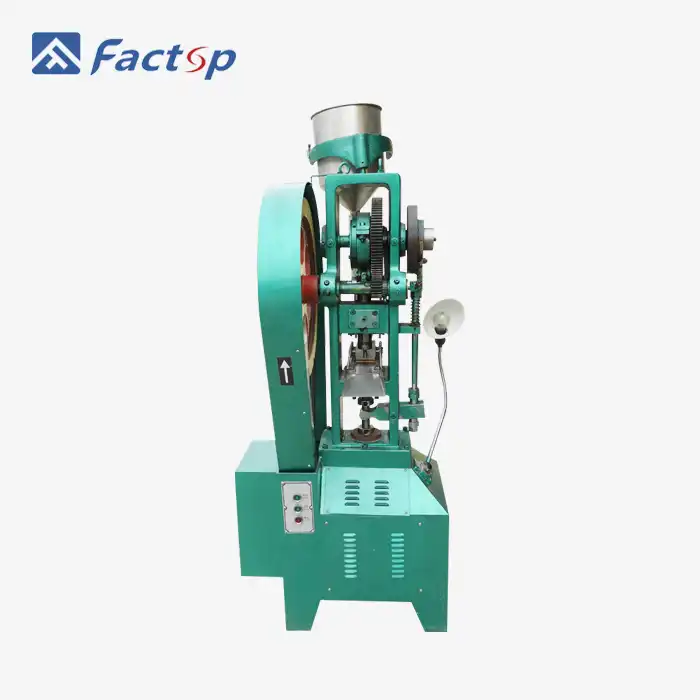
Understanding the Vitamin Tablet Press: Basics and Common Issues
Today, precision pill compression technology is a big part of making medicines and nutraceuticals. There are a few different types of vitamin pill presses, and each one is made for a different set of output needs and operating scales.
Machine Types and Operational Characteristics
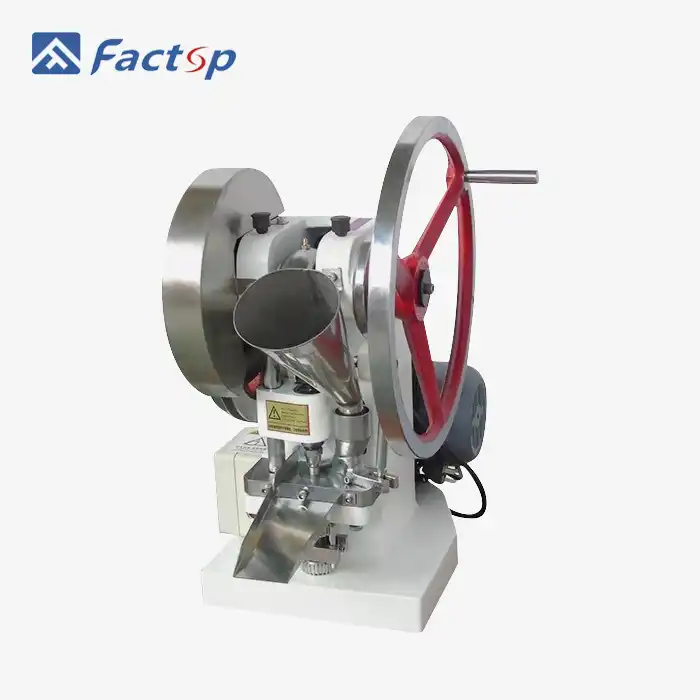
Single-punch pill presses are the basic technique used to make vitamins on a small scale. These machines use a simple vertical compression method with one set of upper and lower punches in a single die station to squeeze powdered mixtures. The machines can make between 500 and 3,000 pills an hour, which makes them good for lab studies and small supplement companies.
Rotary pill presses are the most common way to make vitamins on a big scale. Multiple compression units are set up around a spinning wheel in these high-tech tools, which allows for continuous high-volume production. More advanced rotating systems can make up to 400,000 pills an hour while keeping exact weight controls and hardness standards.
For example, the THDP-6 candy production machine shows how tablets can be made in a variety of ways. This machine can handle pill sizes between 5 and 18 mm, so it can be used for a wide range of vitamin formulas and candy uses. Its CE, GMP, and ISO9001 certifications make sure that it meets international quality standards. This means that food factories, vitamin factories, and nutrition supplement factories can use it.
Critical Machine Components
Understanding the most important parts of a machine helps with fixing and planning upkeep. There are several crushing holes on the die table that determine the end tablet's size and shape. The top and bottom parts of a punch assembly work together to create the crushing force needed to make a tablet. The feed frame evenly spreads the right amount of powder into each die hole, which keeps the weight and density of the tablets constant.
While the tablets are being made, controlled pressure is applied by compression rollers, and the movement of the punch is guided by cam tracks during compression cycles. Material handling systems move powdered mixtures from hoppers to die sites so that production can keep going at a steady rate. Because these parts are all linked, they need organized care to keep working at their best.
Common Operational Challenges
One of the most common production problems in vitamin making is that tablets don't have caps on them. This flaw shows up when tablet surfaces split or crack during compression. This usually happens because the compression speed is too fast, the powder wasn't prepared properly, or machine parts are worn out. Changes in humidity and other environmental factors can make capping more likely in vitamin formulations that are sensitive to moisture.
Problems with weight difference are caused by powder flow features that aren't uniform or calibration issues in the feed system. Tablet sticking happens when squeezed material sticks to punch surfaces, making flaws on the surface and changes in the size of the pieces. These problems usually mean that there isn't enough grease, the tools are dirty, or there are problems with the recipe that need to be fixed right away to avoid batch quality failures.
Effective Maintenance Practices for Vitamin Tablet Presses
Tablet production that works rests on fix plans that cover a lot of ground, Vitamin Tablet Press included. These steps include regular cleaning, planned checks of parts, and repair plans that are based on how the machine is built and what the production needs are.
Daily Cleaning and Lubrication Procedures
Setting tight cleaning routines for every day keeps powder from getting dirty and makes sure that quality standards are met. You should turn off all the power and follow the shutdown steps before you start any repair work. With the right cleaners and lint-free cloths, you can get rid of any powder that is still on the material working parts, die holes, and punch surfaces.
There needs to be a match between what the maker says and how much work is being done in the project plans. A high-speed spinning press needs to be cleaned more often than a single-punch unit because it is putting more stress on the machine and is running at higher temperatures. To keep your bearings, cam tracks, and compression devices in good shape, use oils that are safe for food and do as the repair schedule says.
Documentation is a very important part of successful upkeep. Write down how long it takes to clean, lubricate, and notice any problems that come up during regular upkeep. This information lets you look at trends and find possible problems before they get so bad that they stop production.
Systematic Component Inspections
Routine weekly checks should focus on key wear parts that have a direct effect on the quality of the tablets and the machine's dependability. Check the punch tips for signs of chipping, too much wear, or surface contamination that could change the way the tablet looks. Die holes need to be carefully checked for any marking, changes in size, or material growth that could affect the regularity of the tablets.
During checking stages, compression roller systems need extra care. Check for proper balance, wear on the bearings, and surface conditions that could change how consistent the force is. Vibration tracking can show mechanical problems as they start to happen, before they get so bad that they fail completely or cause quality problems.
Electrical system checks look at how well the motors work, how well the sensors are calibrated, and how well the control panel works. Check that emergency stop devices work properly and that safety interlocks work as they should. These safety-critical parts keep people and tools safe during normal activities and in emergencies.
Preventive Replacement Strategies
Setting up proactive repair plans for parts cuts down on surprise downtime and keeps production quality stable. The most common parts that need to be changed in tablet production are the punch and die tools. Instead of making up random plans for when to replace things, base the gaps on production volume, material properties, and wear patterns that have been seen.
Bearing kits, seals, and gaskets need to be replaced regularly based on what the maker says and how the machine is being used. High-humidity areas may speed up the wear and tear on seals, requiring more frequent repair processes. Keeping enough extra parts on hand makes sure that new parts are always easy to find when they are needed.
According to set maintenance schedules, filter elements, sensors, and calibration standards should be replaced on a frequent basis. Because these parts have a direct effect on measurement accuracy and product quality, it is very important that they work properly to keep output standards.
Systematic Approach to Troubleshooting Common Tablet Press Problems
Structured diagnostic methods that find root causes instead of just fixing signs are what make debugging methods work in the Vitamin Tablet Press. This organized process keeps output from stopping too much while making sure that all problems are fixed.
Symptom Identification and Analysis
A lot of the time, strange behavior in machines shows up as visible signs that help with diagnosis. Strange noise patterns could mean that a bearing is wearing out, something isn't aligned right, or there is foreign matter inside a mechanical assembly. Technicians can find specific problem areas by writing down noise traits, frequency, and operating conditions.
To tell the difference between chance changes and systematic problems in weight variation trends, you need to do a lot of statistical work. Tablet weight data gathered over several production runs can show trends that point to problems with the feed system, formulations that don't match up, or calibration drift. Visualizations of weight trends, like control charts, make it easier to find problems quickly.
A drop in production rate is often a sign of a problem with the machinery or inefficient operations. You can figure out how much productivity is being lost and what needs to be done to fix it by comparing current output rates to past performance data. Rapid changes in the rate usually mean that there are serious issues that need to be fixed right away, while slow drops in the rate could mean that parts are wearing out or the tuning is shifting.
Root Cause Analysis Techniques
Systematic root cause analysis stops problems from happening again by focusing on the main causes instead of the signs. Through a series of questions, the "Five Whys" method urges a deep look into where problems come from. This method shows things that might not be looked at during normal fixing and could be causing the problem.
Material flow analysis looks at how powder is handled and how that affects the steps used to make tablets. Powder that doesn't move well can change weight, make tablets less accurate, and slow down production. Look at measures of particle size distribution, moisture content, and mass density to find formulation-related issues that are hurting production performance.
Checking the balance, looking at the wear patterns, and making sure the working parameters are correct are all parts of mechanical system analysis. With precision measuring tools, you can get a good idea of the sizes, gaps, and working limits of parts. This information records trends in the state of tools and helps with choices about repairs and replacements.
Diagnostic Tools and Documentation
Modern tablet presses have high-tech tracking systems that give real-time information about how the machine is working. Pressure monitors keep track of crushing forces during production rounds. This lets them find changes in force that could hurt the quality of the tablets. Temperature tracking shows the temperature conditions that could change how a material behaves or how well a mechanical part works.
Vibration analysis tools find mechanical problems before they become big enough to break the tools. During launching, baseline sound patterns are set up to serve as guidelines for ongoing condition tracking. Regular measures of shaking allow for more accurate planning of repair schedules and keep major component failures from happening.
When fixing, production records are very helpful for finding out what's wrong. Connecting quality variations to working data, weather conditions, and repair tasks helps figure out what's causing the problem. This historical view helps us come up with better ways to solve problems and stop them from happening.
Safety Guidelines and Best Practices for Long-Term Operation
Maintaining safe working conditions during vitamin tablet press operations protects personnel while preserving equipment integrity. Comprehensive safety programs encompass personal protective equipment requirements, lockout procedures, and emergency response protocols.
Personal Protective Equipment and Procedures
Appropriate personal protective equipment forms the foundation of safe tablet press operations. Safety glasses protect against airborne particles generated during powder handling and cleaning activities. Hearing protection becomes necessary in production environments with high-speed rotary presses that generate significant noise levels during operation.
Respiratory protection may be required when handling certain vitamin formulations or cleaning agents. Dust masks or respirators prevent inhalation of powdered materials that could cause respiratory irritation. Gloves protect hands from chemical exposure while providing improved grip during maintenance activities.
Work clothing should be close-fitting to prevent entanglement in moving machinery components. Avoid loose sleeves, jewelry, or accessories that could be caught in compression mechanisms or rotating assemblies. Steel-toed safety shoes provide foot protection from dropped tools or equipment components.
Lockout/Tagout Implementation
Proper lockout/tagout procedures prevent accidental equipment energization during maintenance activities. Identify all energy sources including electrical power, pneumatic pressure, and stored mechanical energy within compression springs or elevated components. Each energy source requires individual lockout devices and verification procedures.
Multiple technician lockout procedures ensure that equipment remains de-energized when multiple personnel work simultaneously on the same machine. Each technician applies individual locks to the lockout assembly, and equipment cannot be re-energized until all locks are removed. This redundant protection prevents communication failures that could result in serious injuries.
Verification procedures confirm that lockout measures effectively isolate all energy sources. Attempt normal equipment startup procedures to verify that controls remain inoperative. Test mechanical components to ensure that stored energy has been safely released before beginning maintenance work.
Training and Competency Development
Comprehensive operator training programs ensure that personnel understand both operational requirements and safety responsibilities. Training curricula should encompass machine operation, routine maintenance procedures, troubleshooting techniques, and emergency response protocols. Regular competency assessments verify that training objectives have been achieved.
Ongoing education keeps operators informed about equipment updates, procedural changes, and emerging best practices. Industry seminars, manufacturer training sessions, and peer knowledge sharing enhance operational expertise while promoting safety awareness throughout the organization.
Documentation of training completion, competency assessments, and ongoing education activities demonstrates organizational commitment to safety and regulatory compliance. These records support audit activities and provide evidence of personnel qualifications during regulatory inspections.
Conclusion
Maintaining optimal vitamin tablet press performance requires systematic attention to routine maintenance, proactive troubleshooting, and comprehensive safety protocols. Regular cleaning and lubrication procedures prevent equipment deterioration while preserving product quality standards. Systematic component inspections enable early problem detection and preventive replacement scheduling. Structured troubleshooting approaches minimize production disruptions while ensuring thorough problem resolution. Safety guidelines protect personnel while preserving equipment integrity throughout operational lifecycles. Careful equipment selection and supplier partnerships provide the foundation for successful long-term manufacturing operations that meet evolving market demands while maintaining consistent quality standards.
FAQ
1. How often should I perform routine maintenance on my vitamin tablet press?
Daily maintenance should include thorough cleaning and basic lubrication procedures. Weekly inspections should focus on critical components such as punches, dies, and compression mechanisms. Monthly comprehensive maintenance should encompass detailed component inspections, calibration verification, and preventive replacement activities. High-volume operations may require more frequent maintenance intervals depending on production intensity and environmental conditions.
2. What are the most common signs that my tablet press needs immediate attention?
Unusual noise patterns, inconsistent tablet weights, surface defects, or declining production rates indicate developing problems requiring immediate investigation. Excessive powder dusting, abnormal vibration, or control system error messages also warrant prompt attention. Any deviation from normal operational parameters should trigger systematic troubleshooting procedures to prevent quality issues or equipment damage.
3. Can I use the same maintenance procedures for different tablet press models?
While general maintenance principles remain consistent across different equipment types, specific procedures vary significantly between manufacturers and models. Single-punch presses require simpler maintenance protocols compared to complex rotary systems. Always consult manufacturer documentation and follow equipment-specific procedures to ensure proper maintenance and preserve warranty coverage.
Ready to Optimize Your Vitamin Tablet Production with Factop?
Transform your manufacturing operations with reliable, high-performance tablet compression equipment designed for long-term success. Factop specializes in providing comprehensive solutions for vitamin manufacturers, from compact single-punch units to advanced rotary systems. Our experienced team offers complete support including equipment selection, installation, training, and ongoing technical assistance. Contact michelle@factopintl.com today to discuss your specific production requirements and discover how our vitamin tablet press manufacturer expertise can enhance your operational efficiency.
References
1. Smith, J.A., et al. "Pharmaceutical Tablet Press Maintenance and Troubleshooting Manual." Industrial Press Publications, 2023.
2. Thompson, R.K. "Predictive Maintenance Strategies for Tablet Manufacturing Equipment." Journal of Pharmaceutical Engineering, Vol. 45, No. 3, 2023.
3. Martinez, L.C. "Quality Control and Equipment Reliability in Vitamin Manufacturing." Nutraceutical Production Review, 2023.
4. Anderson, M.P., et al. "Safety Protocols for Pharmaceutical Manufacturing Equipment." Industrial Safety Handbook, 2nd Edition, 2023.
5. Chen, W.L. "Troubleshooting Common Tablet Press Problems: A Systematic Approach." Manufacturing Technology Quarterly, Vol. 28, No. 2, 2023.
6. Rodriguez, S.J. "Equipment Selection and Supplier Partnership Guidelines for Tablet Manufacturing." Pharmaceutical Manufacturing Today, 2023.
YOU MAY LIKE