
6 Essential Steps for Precise and Efficient Capsule Filling
2026-04-22 11:00:01
Know how to handle things, make sure everything is ready, and run the machine at its best to fill pills accurately and fast. Whether you are in charge of research labs, making medicines, or health supplements, the quality of your goods and the costs of running your business will depend on the capsule filler machine you choose and how well you follow best practices. Hand-cranked tools can be used for small-batch tasks that make around 800 pills per run. Semi-automatic systems are less expensive and have some automation, while fully automatic systems can handle large amounts of medicinal needs. This guide shows you six important steps you need to take to get the best results, cut down on downtime, and buy things that are right for your business and production level.
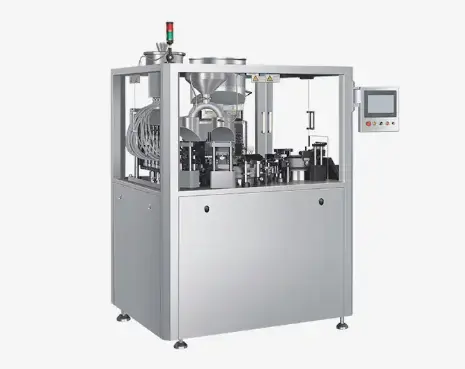
Step 1 – Understanding the Capsule Filling Process
Importance of Capsule Filling Workflow
There are several important steps in the process of packing pills that change both the quality of the result and the speed at which it is made. As soon as the trays are full, the caps and bodies of the empty capsules are split in half. The capsules are then filled with medicine or vitamins, put back together, and sent out. Each step must be carefully managed to avoid mistakes like giving the wrong amount of medicine, pill damage, or contamination. Small changes can get the whole batch thrown out, get you in trouble with the law, and cost a lot of money. If buying teams know a lot about this process, they can find tools with useful features like changeable filling amounts and systems that automatically place the capsules in the right place. These traits lower the risk of infection and treatment by people.
Types of Capsule Filling Machines
There are three main types of capsule filling equipment:
- Manual Machines: These machines are driven by hand and are good for compounding shops and small businesses that make plant supplements. Each cycle makes 300 to 800 pills, which are filled, capped, and separated by hand by operators. For specific formulas, they are a good value for the money.
- Machines that are partly automated: These machines are partly automated, but someone still watches over them. Medium-sized businesses that make fish oil pills and probiotic supplements will love them because they use vacuum systems to keep capsules separate and computer controls to make sure that doses are always correct.
- Fully automatic machines: The best way to make a lot of capsules at once, these systems can make thousands of them an hour. With moving platforms and automatic feeding systems, they make sure they follow FDA rules about making sure dosages are always the same and keeping contamination under control.
Core Components Affecting Efficiency
Key parts of pill-packing tools have a big effect on quality and output. Dosing devices, locking stations, and feeding tools are all very important. Vacuum-assisted feeding, for example, keeps things from getting stuck, and servo-driven dose systems make things more accurate. Quality control is very important, which means that tools must be easy to get to for upkeep, especially when moving between different formulas. Using stainless steel for touch parts helps keep things clean, which protects the quality of the product throughout the production process.
Step 2 – Preparing for Capsule Filling: Raw Material & Machine Setup
Selecting Capsule Materials and Fill Substances
The type of capsule shell you choose has a big impact on how well it works with machines and how stable the product is. The standard in the business is hard gelatin capsules because they are reliable, dissolve quickly, and work with most filling machines. Powders and some granules that are dry work well with them. On the other hand, health product companies that focus on dietary limits can use veggie capsules made from hydroxypropyl methylcellulose (HPMC). However, they may need changes to the temperature control and closing settings.
The properties of fill materials also determine what tools are needed and how they should be used. Simpler dose systems can correctly fill powders that move freely and have consistent particle sizes. But oil-based mixtures, solid or hygroscopic materials, and different ways of dosing them need special tools and sometimes need to be mixed or granulated first. Before buying equipment, it's important to do recipe tests with the providers. Many makers offer free testing services to find problems before you buy the equipment.
Machine Calibration for Dosing Accuracy
Efficient use of a product and following the rules depend on accurate doses. The first step in calibration is making sure that the measurements of the empty box match the machine's requirements. Operators check the sizes of sample pills against the acceptable ranges.
Each type of machine has its own way of calibrating it. For manual systems, workers must use analytical scales to change the height of the tamping plate and check the fill weights. Automatic machines often have self-calibration processes that change the dose mechanisms based on goal weights that are entered. Semi-automatic machines have electronic settings for dosing depth.
Calibration of the locking force is very important to avoid problems. If there isn't enough pressure, capsules may only be partly sealed, and if there is too much force, shells may break. To make sure the locking quality is right, operators do eye checks and pull-apart tests.
Pre-Production Maintenance and Troubleshooting
Unplanned downtime is less likely to happen when repairs are done before they happen. Operators should check the vacuum systems of the capsule filler machine for leaks that could cause feeds to go wrong. It depends on how it was made and when to grease the capsule filler machine. The moving parts of manual capsule filler machines need to be oiled more often than the moving parts of automatic capsule filler machines, so they need more oil.
Following cleaning rules between batches is important to keep things from getting dirty. Laws about drugs say that cleaning has to be recorded and proven, especially when active ingredients are changed. It's easier to clean and check everything carefully when the equipment is easy to take apart. Swab tests are often used by quality control to make sure that all waste is gone before the next production run.
Step 3 – Operating Capsule Filler Machines Efficiently
Step-by-Step Workflow from Loading to Ejection
Capsule refill tools work best when they are properly loaded. In manual methods, people have to put pills in trays and make sure that the caps and bodies face the right way. This job requires a lot of work, and mistakes can happen that can lead to filing problems. Semi-automatic methods, on the other hand, speed up this process with vacuum-assisted rotation.
The filling stage starts once the pills are in the right place. Operators carefully avoid overfilling hoppers with materials so that they don't break down. To get an even spread, manual systems need scraping plates, while automatic machines use exact dose systems to get an even fill.
During the sealing process, controlled pressure is used to join the two halves of the capsule together. People who work by hand line the trays and use press plates. Semi-automatic systems, on the other hand, do the alignment and use air pressure. Fully automatic tools use force tracking to make sure the locks work right. After ejection, the finished pills are sent to bins for gathering. Automatic systems may also check the weights at this point and throw away any pills that don't meet the standards before they are packaged.
Comparing Manual and Automatic Operations
For study labs and new businesses, people who can do things by hand are great because they can deal with small production runs. They slow things down and take a lot of work, though. Systems that are only partially automatic are better because they can quickly switch between tasks and make a lot of pills in an hour, which is good for larger companies.
There is no need for workers when fully automatic tools can process tens of thousands of pills an hour, even though they cost more. This makes sure that quality is always the same. Companies that make drugs have to have them because of strict rules.
Optimizing Machine Capacity Without Compromising Precision
Instead of just focusing on speed, workers need to look for places where things get stuck in order to reach their full potential. So that the work doesn't stop, the machines that feed and collect capsules should work at the same speed. Getting the speed and quality just right will help you avoid making mistakes. Also, using quick-change tools and flexible parts to speed up changeovers cuts down on downtime and makes better use of equipment that is shared between methods.
Step 4 – Advanced Techniques for Improving Precision and Efficiency
Rotary Machine Technology for High-Throughput Production
For pharmaceutical and large-scale nutritional production, rotary capsule filling tools are the most efficient way to make things. These systems handle packages constantly by moving them through stations grouped around a spinning platform. Each station does a different job. At different places, capsules are loaded, separated, filled, locked, and ejected all at the same time. This makes continuous output that is much higher than that of irregular batch machines.
Dosing devices that are managed by servos measure exact amounts as the platform moves, which makes rotating systems very precise. Weight tracking systems make sure that every pill meets the requirements. Faulty units are instantly sent to different areas before they affect good products. When compared to batch systems that move packages between fixed processing stations, the constant motion makes handling less damaging.
When production managers think about buying rotating equipment like capsule filler equipment, they need to decide if the long-term high-volume production is worth the large capital investment. Throughput rates of more than 150,000 pills per hour are good for a pharmacy business that makes widely recommended drugs. If a regional supplement company has seasonal demand trends, semi-automatic equipment might be cheaper, even if it means making fewer supplements at a time.
Automation Integration and IoT-Enabled Monitoring
More and more, modern capsule-packing equipment uses digital connections and automatic process control. Programmable logic controllers (PLCs) direct how machines work. They store recipes for different goods and change settings automatically when the products change. This feature cuts down on human mistakes and speeds up the changeover between production runs.
IoT monitors let you see how well work is going in real time. Weight monitors check the accuracy of dosing all the time instead of just sampling every so often. This lets corrective action be taken right away when trends show drift from goals. Temperature and humidity sensors keep an eye on the external conditions that can change the way powder flows and how well capsules stay together. Vibration sensors find mechanical problems before they become major problems that require unplanned downtime.
The production data gathered by these tools lets evidence-based improvement happen. Manufacturing engineers look at trends in filling accuracy to find ways to improve the formula or make changes to the machine that lower the difference. To make the best preventive maintenance plans, maintenance teams use data on how often equipment is used and problem logs. They do repairs based on real wear patterns instead of random time intervals. Quality assurance teams use production paperwork to make sure they're following the rules and looking into customer complaints.
The benefits of integration go beyond just one machine and cover whole production lines. Capsule filling is coordinated with processing and packing equipment upstream and downstream by connected systems. This keeps production rates even and reduces the amount of work-in-process inventory. This teamwork is especially helpful when making medicines, because regulations limit the amount of time that intermediate goods can be stored before they are finally packaged.
Step 5 – Troubleshooting and Maintenance Best Practices
Diagnosing Common Machine Issues
Capsule jamming ranks among the most frequent operational problems, caused by several factors, including improper capsule orientation, incorrect humidity levels, or worn feeding mechanisms. Operators should immediately stop production when jamming occurs, clear affected capsules, and identify the root cause before resuming. Persistent jamming often indicates capsules have absorbed moisture and become pliable, requiring environmental control adjustments or switching to alternative capsule sources.
Filling inconsistencies appear as weight variation exceeding acceptable limits. Potential causes include powder bridging in hoppers, segregation of multi-component formulations, or dosing mechanism wear. Operators address bridging by installing agitators in hoppers or adjusting hopper angles to promote flow. Formulation segregation requires reformulation or pre-blending steps using ribbon mixers or V-blenders. Mechanical wear necessitates replacement of dosing discs, tamping pins, or auger flights, depending on machine design.
Locking failures manifest as separated capsules or cracked shells. Insufficient locking force allows capsules to pull apart during handling, while excessive force damages capsule integrity. Pneumatic systems may lose pressure due to worn seals or compressor inadequacy. Mechanical locking systems develop play in linkages or wear in contact surfaces. Troubleshooting requires systematic pressure measurement, visual inspection of mechanical components, and adjustment or replacement of worn parts.
Cleaning and Preventive Maintenance Schedules
Regular cleaning maintains product quality and equipment longevity. Daily cleaning protocols remove product residue from hoppers, dosing mechanisms, and capsule contact surfaces. Pharmaceutical operations follow validated cleaning procedures with documented verification, while supplement manufacturers adopt similar practices to prevent allergen cross-contamination and maintain customer trust.
Equipment design significantly impacts cleaning efficiency. Machines with smooth stainless steel surfaces and minimal crevices clean faster and more thoroughly than those with complex geometries or mixed materials. Tool-free disassembly allows operators to access all product zones without requiring maintenance technicians, reducing cleaning time and associated production losses.
Preventive maintenance extends equipment life and maintains performance specifications. Lubrication schedules prevent premature wear of moving components, with specific lubricants selected for food-grade or pharmaceutical compliance. Belt and chain tension requires periodic verification and adjustment to prevent drive failures. Electronic components benefit from regular inspection of connections and replacement of time-sensitive items like vacuum pump filters.
Comprehensive maintenance programs document all activities, creating service histories that inform equipment lifecycle management. Patterns of component failures suggest design limitations or operational issues requiring correction. Maintenance cost tracking enables accurate total cost of ownership calculations when evaluating equipment replacement or production line expansion.
Selecting Suppliers With Robust After-Sales Support
After-sales service quality directly impacts production reliability and long-term equipment costs. Manufacturers should evaluate supplier capabilities during the purchasing process rather than discovering limitations after installation. Technical support availability matters particularly during startup periods when operators encounter unfamiliar equipment behaviors and require rapid assistance.
Spare parts availability prevents extended downtime when components fail. Suppliers maintaining comprehensive parts inventories and offering expedited shipping minimize production interruptions. Equipment using proprietary components creates dependency on single suppliers, while designs incorporating standard industrial components provide parts sourcing flexibility.
Training programs help operators and maintenance personnel maximize the capsule filler equipment's potential. Comprehensive initial training covers routine operation, quality verification, troubleshooting, and basic maintenance. Advanced programs teach production optimization techniques and detailed mechanical servicing. Suppliers offering ongoing training accommodate staff turnover and equipment upgrades.
Warranty coverage and service response commitments provide financial protection during the critical post-installation period. Manufacturers should carefully review warranty terms, noting coverage duration, included components, and response time commitments. Extended warranty options and preventive maintenance contracts deserve consideration when equipment criticality justifies additional investment to minimize downtime risk.
Step 6 – Making the Right Purchase Decision for Capsule Filler Machines
Evaluating Equipment Through Critical Selection Criteria
When selecting capsule filler machines, production capacity is paramount. Manufacturers must forecast their output needs based on current volumes and future growth. Undersized equipment can create bottlenecks, while oversized machines may lead to inefficiencies and higher costs.
Choosing the right type of machine involves balancing automation benefits with budget constraints. Manual machines are ideal for low-volume production with diverse formulations, while semi-automatic systems cater to growing businesses that need partial automation. Fully automatic machines excel in high-volume production settings where efficiency is critical.
Accuracy is crucial, particularly for pharmaceutical manufacturers facing strict dosage regulations. Supplement producers also need reliable equipment but generally have more lenient tolerances. It’s important for machines to exceed minimum accuracy requirements to accommodate process variations.
User-friendliness impacts training and operational efficiency. Machines with intuitive controls reduce errors and help new employees quickly adapt. Clear visual indicators and accessible adjustment points are essential for maintaining quality and responding to material variations.
Comparing Leading Manual, Semi-Automatic, and Automatic Machines
Manual fillers typically range from $300 to $3,000, suitable for specialized markets. Semi-automatic machines cost between $8,000 and $50,000 and offer a balance between labor and automation. Fully automatic machines start at around $60,000 and can exceed $300,000, incorporating advanced features like weight verification and production documentation.
Purchasing Processes and Supplier Engagement
Acquiring equipment begins with detailed specifications encompassing production needs and budget constraints. Involvement from production and quality assurance teams ensures all requirements are considered. Evaluating suppliers involves assessing their manufacturing quality and service capabilities, often through site visits and customer references.
Testing opportunities for capsule filler machines reduce purchasing risks by validating equipment performance. Many suppliers offer trial runs to confirm suitability. Financing options, including leasing and supplier financing programs, can make investments more manageable. Lastly, installation services help ensure a smooth transition from purchase to production.
Conclusion
Mastering capsule filling requires understanding workflow fundamentals, implementing rigorous preparation and maintenance protocols, and selecting equipment aligned with production requirements. Manual machines provide entry-level access and maximum flexibility, semi-automatic systems balance efficiency with investment constraints, and fully automatic equipment delivers pharmaceutical-grade precision at scale. Success depends on matching machine capabilities to specific production demands, maintaining equipment through preventive protocols, and partnering with suppliers offering comprehensive support. These six steps establish the foundation for reliable operations that meet quality standards, optimize costs, and support business growth across pharmaceutical, nutraceutical, and specialty manufacturing applications.
FAQ
1. What factors determine the ideal capsule filler machine type for my production needs?
Production volume represents the primary selection factor. Operations producing fewer than 10,000 capsules daily typically find manual machines sufficient and cost-effective. Mid-volume producers between 10,000 and 100,000 capsules daily benefit from semi-automatic equipment, balancing automation with investment costs. High-volume pharmaceutical and nutraceutical manufacturers exceeding 100,000 daily capsules require fully automatic machines to achieve competitive per-unit costs. Additional considerations include formulation variety, space constraints, budget limitations, and regulatory requirements that may mandate specific quality control features.
2. How often should capsule filling equipment undergo maintenance?
Daily cleaning after production runs prevents cross-contamination and residue buildup. Weekly inspections verify proper lubrication, belt tension, and vacuum system performance. Monthly maintenance includes detailed cleaning of internal components, calibration verification, and replacement of wear items like seals and filters. Annual comprehensive servicing by qualified technicians addresses major system inspection, complete recalibration, and replacement of time-sensitive components. High-volume automatic equipment may require more frequent attention based on utilization intensity and manufacturer recommendations.
3. Can one capsule filling machine handle multiple product formulations?
Manual and semi-automatic machines excel at multi-product applications through quick changeovers and minimal setup requirements. Operators clean product contact surfaces, adjust dosing parameters, and resume production with different formulations. Automatic machines handle formulation changes through stored recipes that adjust dosing depth, locking force, and speed parameters automatically. Significant differences in powder characteristics or capsule sizes may require tooling changes that extend changeover duration, but properly designed equipment supports efficient multi-product operations essential for diverse product portfolios.
Partner With a Trusted Capsule Filler Machine Manufacturer
Selecting reliable capsule filling equipment determines your production success and long-term operational costs. Factop specializes in manufacturing manual, semi-automatic, and fully automatic capsule filler machines designed for pharmaceutical, nutraceutical, and specialty manufacturing applications. Our equipment incorporates precision dosing mechanisms, durable stainless steel construction, and user-friendly controls that accelerate operator proficiency. Beyond machine quality, we provide comprehensive technical support, including installation assistance, operator training, and responsive troubleshooting, to minimize downtime. Our experienced team understands the unique challenges facing production managers and procurement professionals across global markets. Whether you require compact laboratory equipment or high-speed pharmaceutical production lines, we deliver solutions matched to your specific requirements. Contact michelle@factopintl.com to discuss your capsule filling needs and discover how our expertise supports your operational objectives.
References
1. Jones, K. L., & Williams, R. M. (2022). Pharmaceutical Manufacturing Equipment: Selection, Operation, and Maintenance. Industrial Pharmaceutical Press.
2. Thompson, E. A. (2023). Capsule Technology and Drug Delivery Systems. Academic Pharmaceutical Publishing.
3. Martinez, S. J., & Chen, W. (2021). Automation in Nutraceutical Manufacturing: Process Optimization and Quality Control. Health Products Manufacturing Journal, 15(3), 127-145.
4. Roberts, D. P. (2023). Equipment Validation in Pharmaceutical Production: Regulatory Requirements and Best Practices. Compliance Publishing Group.
5. Anderson, T. R., & Kumar, V. (2022). Manufacturing Process Optimization for Oral Solid Dosage Forms. International Journal of Pharmaceutical Manufacturing, 18(2), 89-107.
6. Patterson, M. L. (2024). Capital Equipment Investment Strategies for Growing Pharmaceutical and Nutraceutical Companies. Business Development in Healthcare Publishing.
YOU MAY LIKE