
Best CE Certification China Automatic Tablet Press Machine Manufacturer Guide
2026-04-17 11:00:00
In this guide, the focus is on what global B2B buyers really need to know when sourcing from China: CE certification, machine performance, supplier reliability, maintenance, and procurement risk control, with a fully automatic tablet press as the core reference. For procurement managers, factory owners, engineers, and OEM buyers, the goal is not just to buy a machine. It is choosing a production asset that supports output, tablet consistency, safety standards, and long-term service. That is exactly where a well-qualified Chinese manufacturer can create real value.
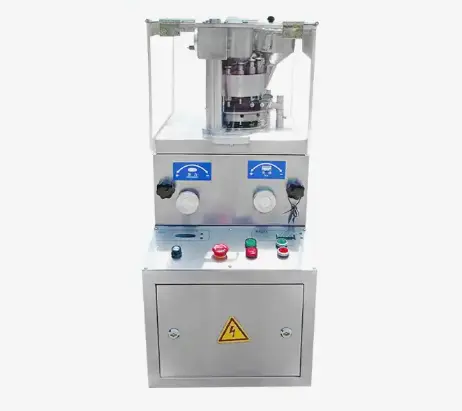
Understanding Fully Automatic Tablet Press Machines
A fully automatic tablet press is designed to turn powder or granules into tablets with minimal manual intervention. It automatically feeds, fills, presses, and ejects tablets. Many more complex models also allow real-time monitoring of pressure, tablet weight, and output accuracy.
What makes a fully automatic model different?
A fully automatic machine provides better output consistency than manual or semi-automatic equipment. Rotating structures with multiple stations enable continuous compression, making them suitable for pharmaceutical plants, nutraceutical manufacturers, food tablet producers, and chemical tablet companies.
The main operational benefits typically include:
- Higher output per hour
- Better tablet weight uniformity
- More stable hardness and thickness control
- Lower labour dependency
- Easier integration with dust collection and downstream packaging lines
In fields where every batch requires identical specifications, this consistency is important. A pharmaceutical company manufacturing paracetamol tablets has different pressure and validation requirements than a laboratory conducting pilot runs, but both can benefit from precise control.
Key features B2B buyers should evaluate
When evaluating machine specifications, factors beyond speed should be considered. Whether the machine fits the formulation, output target, and facility environment determines the soundness of the purchasing decision. Important considerations include turret speed, number of stations, compression force, availability of pre-compression, compatibility with different tooling, dust removal capability, motor control, stainless steel contact parts, and compliance with GMP cleaning standards. Some buyers may also require support for round, oval, or capsule-shaped tablets. Others may need the ability to handle multi-layer tablets or integrate with blister packaging and bottling lines.
How to Choose the Best CE-Certified China Automatic Tablet Press Manufacturer?
When sourcing from China, CE certification for the fully automatic Tablet Press is one of the most important factors to verify, as it indicates that the product meets European safety, health, and environmental standards. However, certification alone is not sufficient. Evidence of the supplier’s ability to deliver product stability, clear documentation, and prompt post-shipment support is also necessary.
What does CE certification mean in procurement?
For B2B buyers in the US or other export-driven regions, CE certification can facilitate international project planning. This is especially relevant when equipment will be installed in facilities serving European customers or other regulated markets. Additionally, CE certification indicates that the manufacturer understands regulatory requirements for controlled equipment, risk management, and technical file organisation. The following documents should always be requested:
- CE declaration and supporting documentation
- Electrical and safety details
- Machine drawings and layout
- FAT or test run evidence
- Material contact part specifications
- Spare parts and maintenance list
How I compare Chinese manufacturers?
A reliable supplier provides more than just a brochure. Indicators of reliability include demonstrated experience in manufacturing, export, and application-specific requirements, as well as a service system that reduces operational risk. Jining Factop Pharmacy Machinery Company is a professional manufacturer that designs and produces pharmaceutical equipment, including grinders, mixers, granulators, packing lines, tablet presses, and capsule filling machines. With skilled bilingual staff experienced in international business, the company has established long-term relationships in Asia, America, Europe, and South Africa.
Based on integrity, innovation, and mutual benefit, Factop is committed to enhancing global cooperation and delivering value to customers worldwide. This type of information matters because many buyers are not looking for a single machine but rather seeking to build a larger solid-dose production line, requiring a supplier who understands upstream ingredient preparation and downstream finished product packaging.
Maximising Performance and Maintenance of Fully Automatic Tablet Press Machines
Maintenance must be integrated into production management for a fully automatic tablet press to perform well. Many buyers focus heavily on price, but long-term yield depends equally on cleaning, inspection, and operator training.
Core maintenance practices that protect uptime
The compression cycle includes filling, compressing, and ejecting. Wear parts and powder contact areas require regular maintenance because powder behaviour affects all three stages. Proper maintenance keeps tablet quality high and prevents unplanned stoppages. A standard operating procedure should incorporate the following points:
- Cleaning – Cleaning should follow a scheduled plan that accounts for the formulation type, dust levels, and production volume. Hygroscopic powders, sticky granules, and fine nutraceutical blends can leave residues that make die filling difficult and weight control challenging. A documented cleaning process with accessible machine areas, stainless steel contact parts, and dust extraction support helps maintain cleanliness and reduces cross-contamination risk in GMP-focused environments.
- Lubrication, tooling checks, and calibration – Scheduled lubrication, machine checks, and calibration are more effective than waiting until output changes. Punches and dies are subject to continuous mechanical stress, and even minor wear can affect hardness, thickness, capping rate, and release quality. Maintaining correct compression force settings and performing regular turret alignment checks reduces waste, extends tool life, and maintains a steady flow over long production runs.
Common issues and how buyers should prepare
Machine jams, weight variations, and automation alarms in a fully automatic tablet press are typically caused by formulation flow problems, worn tooling, incorrect feeding settings, or missed maintenance. Suppliers offering setup assistance, troubleshooting guides, and operator training are preferable. Fast spare parts support is also critical, especially for large operations with delivery obligations and contract manufacturing schedules where equipment downtime is costly.
Fully Automatic Tablet Press vs Other Types: Making the Right Choice
Not all users require the same type of machine. A research centre may prioritise flexibility and small-batch handling, while a large pharmaceutical plant needs continuous high-speed output.
Comparing machine types by use case
A single-punch machine produces one tablet at a time and is suitable for research and development, formulation trials, and small-scale activities. Semi-automatic models offer higher output but still require significant user intervention. Rotary presses with multiple stations are designed for continuous production. For high output, uniform quality, and reduced labour dependence, a fully automatic tablet press is generally the best choice. For mass production, the return on investment (ROI) typically increases because, depending on the model and product, the machine can produce thousands of tablets per minute. Advanced servo-driven control also helps maintain compression accuracy and tablet weight consistency.
How do I match the machine to business goals?
When sourcing equipment for solid pharmaceutical dosage forms, veterinary tablets, disinfectant tablets, milk tablets, throat lozenges, or vitamins, evaluation factors include output targets, batch changeover requirements, regulatory standards, and product compatibility with packaging. A smaller operation might start with moderate-capacity equipment that allows room for expansion. Larger operations typically prioritise service response, high-speed technology, and well-documented quality systems.
Purchasing and Procurement Guide: Acquiring Fully Automatic Tablet Presses from China
Online research is usually the first step in the purchasing process, followed by technical comparison, supplier approval, and price negotiation. In the US market, buyers typically seek a clear answer to which supplier offers the best combination of compliance, performance, and support.
A practical sourcing process
Verified manufacturers, specialised exporters, and distributors capable of providing technical support are reliable sourcing channels. Suppliers who can discuss specific requirements such as tablet formulation type, target output, tooling standards, compression force range, and installation requirements—rather than providing only general brochures—are preferable. During supplier evaluation, the following should be checked:
- Export markets and project experience
- Machine testing process
- Availability of training and commissioning
- Lead time and spare parts support
- Packaging and shipping protection
- Warranty terms
- Ability to support OEM or line integration
Price, used equipment, and total cost
New equipment comes with better documentation, warranty coverage, and faster after-sales service, such as a fully automatic Tablet Press. While used machines may offer initial cost savings, there is often greater uncertainty regarding wear condition, replacement part needs, and compliance records. Total cost is more important to most B2B buyers than the upfront price. Value is determined by stable output, maintenance requirements, training support, and machine lifespan. When negotiating with a Chinese supplier, payment terms, installation planning, replacement parts, punch and die sets, and future expansion options should also be discussed. That approach provides a more complete picture of long-term procurement than comparing quotes alone.
Conclusion
Sourcing a CE-certified tablet press from a Chinese manufacturer is primarily about reducing risk and improving production. Key supplier attributes include high-quality machines, clear compliance documentation, application knowledge, and reliable after-sales support. A well-designed, fully automatic tablet press system can enhance output, tablet accuracy, worker efficiency, and line integration in chemical, food, pharmaceutical, and nutraceutical industries. For global B2B procurement, certification, technical fit, supplier reliability, and lifecycle cost are more important than price alone.
FAQ
1. Why is CE certification important when buying a tablet press?
CE certification indicates that the machine meets European safety and compliance standards. It provides B2B buyers with confidence in the equipment’s safety design, documentation quality, and suitability for international projects.
2. What maintenance challenges are most common with a fully automatic tablet press?
Tool wear, powder buildup, weight variations, and changes in feeder or compression settings are the most frequent issues. Regular cleaning, lubrication, calibration, and operator training can prevent these problems and protect uptime.
3. Can a fully automatic tablet press handle different tablet shapes and sizes?
Yes. Many machines can produce tablets in different shapes, including round, oval, and caplet. Depending on the tooling and machine configuration, some can also produce more specialised shapes. Buyers should verify the shape range, compression force capability, and changeover requirements before purchasing.
Partner with Factop for fully automatic Tablet Press Solutions
If you are looking for a trusted, fully automatic Tablet Press manufacturer, supplier, or machine for sale, Factop is ready to help. Contact our team for model recommendations, technical details, and quotation support tailored to your production goals. Reach out to Factop at michelle@factopintl.com and start your next tablet press project with confidence.
References
1. European Commission, CE Marking
2. U.S. Food and Drug Administration, Guidance for Industry on Oral Solid Dosage Forms
3. World Health Organisation, Good Manufacturing Practices for Pharmaceutical Products
4. International Organisation for Standardisation, ISO 9001 Quality Management Systems
5. Encyclopedia of Pharmaceutical Technology, Tablet Compression and Compaction
6. Remington: The Science and Practice of Pharmacy
YOU MAY LIKE