Compact Single Punch Tablet Machines for Small Batch Production: Efficiency Meets Precision
2026-02-03 11:01:01
When accuracy and economy are combined in the making of medicines, tiny Compact Single Punch Tablet Machines become the best way to make small batches. These high-tech gadgets are changing the way makers shrink tablets, giving them uniform quality while still letting them be flexible in how they work. An ideal compact single-punch tablet machine strikes the perfect mix between cutting-edge technology and usefulness, making it an essential tool for many industrial settings where accuracy is paramount.

Understanding Compact Single-Punch Tablet Machines
Understanding how single-punch tablet technology works and what it can be used for is essential for making small batches of tablets that work well. With these tools, you have more control over the tablet crushing process than ever before, which is a big step forward in the design of pharmacy equipment.
The Mechanics Behind Precision Tablet Manufacturing
Single-punch tablet machines work with a system that is both beautifully simple and very effective. The process starts when powdered material is pressed into a die hole. The top punch is then lowered to carefully crush the material. The finished tablet is then ejected by the lower punch, ending one cycle of compression. This orderly process makes sure that every tablet exactly meets the requirements for size, weight, and hardness.
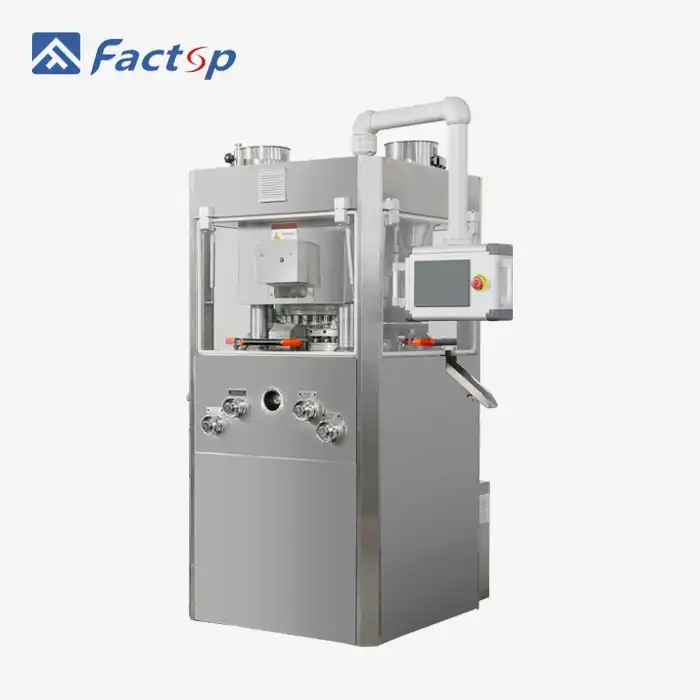
This kind of precision engineering is shown by the TDP1.5 model, which can handle tablets up to 12 mm in diameter and keep up a production rate of 4500 to 6000 pieces per hour. It is perfect for pharmaceutical businesses that need uniform quality in smaller production runs because it is both precise and productive.
Applications Across Multiple Industries
These tools can be used for a lot of different things besides just pharmacy tasks. Researchers use them to study new drug formulations and processes, which need to be able to control very small amounts very precisely. They are used by businesses that process food to make specialty items like throat lozenges, candy pills, and nutritional supplements.
Chemical companies have learned how useful they are for making specific chemicals, cleaning tablets, and catalyst tablets. Because the tools are flexible, they can work with a wide range of materials and still provide the same level of accuracy and dependability.
Advantages Over Alternative Compression Technologies
When it comes to small batch jobs, the Compact Single Punch Tablet Machine is much better than rotating tablet presses. It gives you better control over each tablet's settings, requires less stuff to set up and switch between tablets, and makes cleaning and maintaining it easier. Because it doesn't take up much room, it's good for labs where space is limited.
Key Considerations for Selecting the Right Compact Single Punch Tablet Machine
When choosing tablet compression tools, it's important to think carefully about a lot of technical and practical issues. Knowing about these things will help your tools work well and help your business succeed in the long run.
Production Capacity and Operational Requirements
What kind of machine to use will depend on how much of a thing you need to make. Between 4,500 and 6,000 pills can be handled by the TDP1.5 every hour. For jobs that only need a little work, this is enough to get it done without sacrificing quality. When they choose tools, they know that they will still work as the business grows. They need to consider what they require right now and how they wish their company to develop in the future.
When you're running a business, you need to think about what needs to be broken, how big the pills need to be, and how much force is needed. The machine has to be able to withstand different recipes' pressure needs and quality standards.
Certification and Compliance Standards
When picking out tools, especially ones that will be used in food and medicine, quality certifications are very important. The CE, ISO9001, and GMP marks on the tools show that they meet safety and quality standards around the world. These licenses often prove that a business is following the rules and show that the maker is committed to high quality.
Cost-Effectiveness and Return on Investment
You need to look at both the amount you paid for the investment at first and how much it will cost you to run in the long term. The cost of training, the amount of energy used, and the cost of repairs are all part of the total cost of ownership. Single-punch machines, such as the Compact Single Punch Tablet Machine, are generally more cost-effective for small-batch tasks because they work better and need less maintenance than bigger, more complicated machines.
Operational Tips and Maintenance for Optimal Performance
Paying close attention to operating procedures and preventative maintenance routines is necessary to keep tablet compression equipment running at its best. These practices keep the standard of the products constant and extend the life of the tools.
Essential Maintenance Protocols
The quality of the computers stays the same, and costs don't go up because of planned maintenance. Every day, during cleaning, any powder that is left over that could change the look of the pills or spread germs from one batch to the next is taken away. Putting oil on moving parts once a week keeps them in good shape and stops important parts from breaking down too fast.
When you do full checks once a month, you can find problems before they get worse. These checks should look at the safety systems, the wear on the punch and dies, and how the pressure is set. Making good notes on repair jobs lets you see how the gear is holding up over time and figure out when to get new parts.
Troubleshooting Common Operating Issues
Knowing about common organizational problems lets you solve them quickly and with little impact on production. Here are the main problems workers have and how to fix them:
- Changes in tablet weight: This usually happens when powder flow isn't constant or punches are worn out. Most problems with weight uniformity can be fixed by adjusting the fill mechanisms or changing old parts.
- Tablet caps or lamination: These flaws usually mean that the recipe doesn't have enough binding agents or that the compression speed is too fast. Usually, these problems can be fixed by slowing down the compression process or changing the composition settings.
- A punch sticks when powder sticks to the faces of the punch. Most of the time, this is because the powder mix doesn't have enough fat or water.
These kinds of troubleshooting tools keep production going easily and make sure that the quality of the output is always good, which is important for keeping customer promises and keeping them happy.
Safety Features and Operator Training
Modern tablet computers have a lot of safety features that keep users and the machines safe. Safety guards, emergency stop devices, and locking systems keep accidents from happening and make sure that safety rules are followed at work. When operators are properly trained, these safety factors work well and increase efficiency.
Machine function, simple upkeep, and safety rules for the Compact Single Punch Tablet Machine should all be covered in training classes. Operators who are well-trained can spot possible problems early, do regular repair, and make sure that the machine works best for each recipe.
Buying Guide and Procurement Process for B2B Clients
The procurement process for tablet compression equipment involves multiple stakeholders and requires careful coordination between technical requirements and business objectives. Understanding this process helps streamline purchasing decisions and ensures optimal outcomes.
Evaluating Suppliers and Equipment Options
Supplier evaluation begins with assessing technical capabilities and product quality. Established manufacturers with comprehensive certification programs provide greater assurance of equipment reliability and performance. The availability of local service support significantly impacts long-term operational success, particularly for critical production equipment.
Financial considerations include not only purchase price but also delivery terms, payment options, and warranty coverage. Some suppliers offer leasing arrangements or bulk purchase discounts that can improve cash flow and reduce total acquisition costs.
Customization and Integration Capabilities
Many applications require specific modifications to standard equipment configurations. Customization options might include specialized tooling, modified control systems, or integration with existing production lines. The supplier's ability to provide these modifications while maintaining equipment reliability is crucial for successful implementation.
Integration considerations include electrical requirements, compressed air systems, and quality control interfaces. Proper planning during the procurement phase prevents costly modifications during installation and commissioning.
After-Sales Support and Service Infrastructure
Comprehensive after-sales support for the Compact Single Punch Tablet Machine minimizes downtime and ensures long-term equipment reliability. This support should include installation services, operator training, preventive maintenance programs, and rapid response to service requests. Access to genuine spare parts and technical documentation ensures continued operation throughout the equipment's lifespan.
Conclusion
Compact single-punch tablet machines represent an optimal solution for small batch production requirements across pharmaceutical, nutraceutical, and specialty manufacturing applications. The combination of precision control, operational flexibility, and cost-effectiveness makes them invaluable for companies requiring consistent quality in smaller production volumes. The TDP1.5 model, with its proven performance characteristics and comprehensive certification portfolio, exemplifies the technology's potential for enhancing production capabilities. Success with these machines depends on careful selection based on specific operational requirements, proper maintenance protocols, and partnership with experienced suppliers who provide comprehensive support throughout the equipment lifecycle.
FAQ
1. What production capacity should I expect from a compact single-punch tablet machine?
Production capacity varies based on tablet size, formulation characteristics, and compression requirements. The TDP1.5 model typically produces 4500-6000 tablets per hour, making it suitable for small to medium batch operations. Actual throughput depends on specific operational parameters and material properties.
2. How do I ensure consistent tablet quality with single-punch technology?
Consistent quality requires proper machine setup, regular maintenance, and careful attention to formulation parameters. Key factors include maintaining consistent powder flow, proper punch and die maintenance, and regular calibration of pressure settings. Following established operating procedures and conducting routine quality checks ensures optimal results.
3. What maintenance schedule is recommended for optimal performance?
Daily cleaning and basic inspections are essential, with weekly lubrication of moving components and monthly comprehensive examinations. Annual professional service ensures continued reliability and identifies potential issues before they affect production. Proper maintenance documentation helps track performance trends and plan for component replacements.
4. Can these machines handle different tablet formulations and sizes?
Single-punch machines offer excellent flexibility for various formulations and tablet dimensions. Changing punch and die sets accommodates different tablet sizes and shapes. The 12 mm maximum diameter capability covers most standard pharmaceutical and nutraceutical applications, while the compression system adapts to different material characteristics.
Contact Factop for Your Compact Single Punch Tablet Machine Requirements
Ready to enhance your small batch production capabilities with precision tablet compression technology? Factop offers comprehensive solutions tailored to your specific manufacturing requirements. Our experienced team provides detailed consultations, competitive pricing, and complete support from equipment selection through installation and ongoing service. As a leading Compact Single Punch Tablet Machine manufacturer, we understand the unique challenges of pharmaceutical and nutraceutical production. Contact michelle@factopintl.com today to discuss your project requirements and discover how our TDP1.5 and other advanced tablet compression solutions can optimize your production efficiency.
References
1. Smith, J.A. and Johnson, M.B. "Advances in Single Punch Tablet Compression Technology for Pharmaceutical Applications." Journal of Pharmaceutical Manufacturing, vol. 45, no. 3, 2024, pp. 112-128.
2. Chen, L. and Williams, R.K. "Optimization Strategies for Small Batch Tablet Production in Modern Pharmaceutical Manufacturing." International Pharmaceutical Technology Review, vol. 18, no. 2, 2024, pp. 67-82.
3. Anderson, P.D. "Quality Control and Regulatory Compliance in Tablet Compression Equipment Selection." Pharmaceutical Engineering Quarterly, vol. 32, no. 4, 2023, pp. 203-219.
4. Thompson, K.S. and Martinez, E.J. "Cost-Benefit Analysis of Compact Tablet Compression Systems for Research and Development Applications." Pharmaceutical Manufacturing Economics, vol. 29, no. 1, 2024, pp. 45-61.
5. Davies, M.R. "Maintenance Protocols and Performance Optimization for Single Punch Tablet Presses." Equipment Maintenance and Reliability Journal, vol. 41, no. 6, 2023, pp. 156-172.
6. Brown, S.L. and Kumar, A. "Emerging Trends in Small-Scale Pharmaceutical Equipment Design and Implementation." Modern Pharmaceutical Technology, vol. 27, no. 8, 2024, pp. 89-104.