
Comparison of tablet press machines for laboratory applications
2026-04-24 11:00:00
Picking the correct experimental tablet press machine can greatly improve the study and output abilities of your lab. These specialized machines are the backbone of developing new medicinal formulations. They allow precise control over the properties of tablets and can meet the many needs of small-batch production. Laboratory tablet presses are more flexible and accurate than their high-volume production cousins, making them ideal for research and development settings where formula testing and process improvement are the most important tasks. Learning the differences between the different types of laboratory pill presses will have a big effect on the results of your research and the long-term value of your investment, whether you're making new drug formulations, running test studies, or looking into new delivery methods.
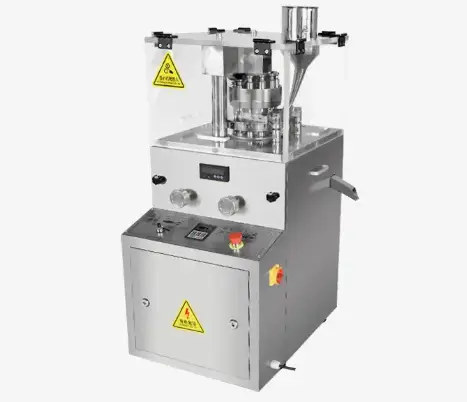
Understanding Experimental Tablet Press Machines
There is a special type of pharmacy equipment called laboratory-scale pill presses that is made for study settings and small-batch production. These tools help experts test tablet designs in a way that is accurate and consistent, bridging the gap between conceptualization and market production.
The Core Purpose in Research Settings
In pharmaceutical research labs, experimental tablet press tools play a number of important roles. Formulation scientists can use them to turn powder blends into solid drug forms while keeping tight control over the compression parameters. In the early stages of drug creation, when researchers have to test how different fillers, binders, and active medicinal ingredients react to being compressed, this feature is very helpful. For dissolving tests, stable studies, and absorption ratings, research institutions use these tools to make uniform tablets without having to buy full-scale production equipment.
Fundamental Operating Principles
The way that laboratory tablet presses crush tablets follows well-known rules in pharmaceutical engineering. The material moves into a die hole, where upper and lower punches use controlled force to press the powder together into a tablet that sticks together. Experimental models are different from production units because they give you more control over the speed of compression, the time of stay, and the amount of force that is applied. A lot of lab models have sensors that record real-time data on things like compression force, punch movement, and release features. This data is very useful for figuring out how formulations work and fixing quality problems.
Critical Features That Define Performance
There are a number of technical differences between basic and advanced laboratory tablet presses. Tooling flexibility is one of the most important things to think about. Good machines can handle a range of die sizes and punch setups without requiring lengthy switching processes. Precision dose systems make sure that all batches of tablets have the same weight, which is needed to follow the rules and collect useful study data. Batch capacity is usually between a few hundred and a few thousand tablets per hour, which is fast enough for research work without having to deal with the hassles of high-speed production tools. Monitoring the compression force, which usually includes digital screens or the ability to log data, lets workers set up repeatable compression routines that can later be used in industrial settings.
Comparing Experimental Tablet Press Machines with Production Models
Scale and Capacity Differences
Machines that make production tablets can make tens of thousands to hundreds of thousands of tablets an hour. These machines have spinning turrets with many compression stations. Lab tools, on the other hand, value precision over speed. Some types can only punch one tablet at a time, and others are small and can handle poor output. The big difference in size between these two types of tools shows that they are meant to do different things. Production equipment is meant to be fast and cost-effective, while testing equipment is meant to be flexible and collect data. When making new drugs, the fact that laboratory presses can only hold smaller amounts is actually a good thing because it cuts down on waste when trying out unstable samples or pricey active ingredients.
Manual Versus Automatic Operation
There is a wide range of laboratory tablet presses, from single-punch units that are completely manual to semi-automated systems with adjustable compression settings. The experimental tablet press machine also falls within this range. Manual machines are easy to use and give direct physical feedback. This lets experienced operators find problems with the recipe by listening to and feeling the compression. Most of the time, these simple models are much cheaper and don't need much training, so they're good for university labs or early-stage research. Semi-automated laboratory presses have adjustable crushing force, speed control, and sometimes automatic filling systems. They still have a small size, which is important for labs that don't have a lot of room. Full production machines have a lot of automated features, such as systems for constant feeding, automatic refusal, and connecting to equipment that works upstream and downstream.
Selection Considerations for Small-Batch Work
There are some things that you should really think about when you look at small-batch production tools. There is more to cost efficiency than just the price of the item itself. It also figures out how much it costs to run the business, fix things, and train new employees. It could cost between $5,000 and $15,000 for a single-punch press. How much a small spinning lab model costs depends on its features and how automated it is. Prices range from $20,000 to $80,000. When tools are used by a lot of people with different levels of knowledge, like in a study, they need to be easy to use. The study question will tell you what amount of clarity is needed. Some types of studies, like absorption studies, need more accurate weight control than simple formulation screening. It's also important that the parts fit together well. For instance, for some uses, you need certain coverings or cutting materials to keep the work from getting dirty or to deal with acidic recipes.
Top Experimental Tablet Press Machines on the Market in 2026
Leading Manufacturers and Their Offerings
The dependability and efficiency of a laboratory tablet press from a number of different makers are well known. Instrumented laboratory presses from European companies like Fette and Korsch are very accurate and can collect a lot of data. However, they usually come at a higher price because they are made with more advanced technology. Cadmach and other Asian makers make options that are both high-performing and low-cost. This means that labs on a tight budget can use advanced tablet compression. Factop has set itself up as a competitive seller by making tools that are built in a way that follows good manufacturing practices (GMPs), are easy for people to use, and have quick expert support.
Price Ranges and Procurement Options
Knowing the investment scene helps buying teams make budgets and come up with new ways to buy things. New single-punch laboratory presses from reliable brands start at about $8,000 to $12,000. More advanced models that measure force and log data cost between $25,000 and $40,000. Small rotary lab presses start at about $35,000 for basic models and go up to over $100,000 for highly automated systems with lots of extra features. Used equipment is an option for buyers who want to save money, but it needs to be carefully inspected to make sure it works and that extra parts are available. Leasing from some providers lets you spread the cost of upgrades over a number of years, which can be a good choice for labs that don't know how their research needs will change or how much money they will have for a project.
User Feedback and Reliability Considerations
Real-world performance data from present users gives us useful information that goes beyond what the maker says. Precision and weight regularity are always praised for well-known names. Standard variations for pill weight are often reported to be less than 1% in laboratories using well-kept equipment. Access to maintenance varies a lot between models. For example, some designs need special tools or plant experts to do regular service, while others let lab workers do standard maintenance with only a little training. Service availability and reaction times have a big effect on how much equipment is used, especially in labs where time-sensitive research projects are being worked on. Users who want less downtime and quick help with problems give better scores to manufacturers with established service networks or technical support teams that respond quickly.
How to Choose the Right Experimental Tablet Press Machine for Your Lab?
Defining Your Laboratory Requirements
Begin by clarifying your primary research focus and production objectives. Formulation development laboratories prioritizing rapid iteration through multiple prototype compositions benefit from machines offering quick changeover between batches and minimal material holdup. Pilot testing environments, preparing for technology transfer to manufacturing, need equipment that can replicate production conditions at a reduced scale, suggesting semi-automated models with instrumentation matching factory presses. Academic research settings often value versatility and ease of use over maximum throughput, making straightforward manual or semi-automated machines more appropriate than complex systems requiring extensive operator training.
Key Selection Criteria Explained
Several technical and practical factors should guide your evaluation process. Compression force capacity determines the range of formulations you can successfully process—most laboratory applications require 5-20 kN for standard tablets, while some specialized applications demand higher forces. Laboratory tablet press machine. Tooling compatibility and availability affect your ability to produce various tablet sizes and shapes; standardized tooling systems reduce costs and simplify inventory management. Control system sophistication ranges from simple mechanical adjustments to fully programmable digital interfaces with recipe storage—more advanced controls improve reproducibility but increase equipment complexity. Maintenance accessibility and parts availability directly impact long-term ownership costs and operational continuity; equipment using proprietary components or requiring factory service for routine maintenance may create unexpected bottlenecks.
Recommendations by User Profile
Different laboratory types benefit from distinct equipment configurations. Small R&D laboratories in startup pharmaceutical companies often thrive with robust single-punch presses offering excellent precision without unnecessary complexity, allowing small teams to develop formulations efficiently with minimal capital investment. Contract research organizations serving multiple clients need versatile equipment handling diverse formulations and production volumes, suggesting compact rotary presses with programmable parameters and comprehensive documentation capabilities. Academic institutions training future pharmaceutical scientists value educational features like transparent safety enclosures and visible compression mechanisms alongside reliable performance, often selecting mid-range equipment balancing capability with approachability.
Future-Proofing Your Investment
Strategic equipment selection anticipates evolving laboratory needs and industry trends. Digital integration capabilities enable data export to laboratory information management systems, supporting modern quality systems and facilitating regulatory submissions. Scalability options matter for growing organizations—equipment from manufacturers offering compatible production-scale machines simplifies technology transfer when successful formulations advance toward commercialization. Regulatory compliance considerations include construction materials meeting pharmaceutical standards, documentation supporting validation activities, and design features accommodating cleaning verification protocols. Supplier stability and long-term parts availability protect your investment; established manufacturers with decades of market presence provide greater confidence regarding continued support than newer entrants with uncertain longevity.
Tips for Operating and Maintaining Your Experimental Tablet Press Machine
Startup and Operating Best Practices
Successful tablet compression begins before powering on the equipment. Review your formulation characteristics and select appropriate compression parameters based on material properties—brittle materials require gentler compression profiles than plastic formulations. Perform pre-operation inspections checking for residual material from previous runs, verifying tooling condition, and confirming proper lubrication of moving components. During startup, begin with conservative compression forces and gradually increase pressure while monitoring tablet quality, watching for signs of capping, lamination, or sticking. Maintain detailed batch records documenting compression parameters, observed tablet characteristics, and any operational anomalies—this information proves invaluable for troubleshooting and scaling activities.
Routine Maintenance Schedules
Establishing consistent maintenance routines prevents unexpected failures and maintains tablet quality. Daily cleaning removes powder residue from compression surfaces, dies, and punches using appropriate brushes and cleaning agents compatible with your formulations and equipment materials. Weekly inspections should verify punch tip condition, examining for wear, chipping, or coating degradation that could affect tablet appearance. Monthly maintenance includes lubricating specified moving parts according to manufacturer recommendations, checking belt tension on motorized feed systems, and calibrating force measurement systems against known standards. Annual comprehensive service by qualified technicians addresses wear components, verifies mechanical alignments, and updates any software systems controlling press operation.
Troubleshooting Common Issues
Recognizing and addressing frequent operational problems of the laboratory tablet press machine minimizes production interruptions. Tablet weight variation beyond acceptable limits often stems from inconsistent powder flow into the die cavity, addressable through improved powder blending, addition of glidants, or adjustment of feed mechanisms. Capping and lamination—where tablet layers separate after compression—typically indicate insufficient binding, excessive compression speed, or trapped air within the tablet structure; solutions include reformulation, reduced compression speed, or implementation of pre-compression stages. Sticking occurs when tablets adhere to punch faces rather than ejecting cleanly, usually resolved through enhanced lubrication, punch surface treatments, or slight compression force adjustments. Excessive punch wear suggests abrasive formulation components or misalignment issues requiring professional service attention.
Conclusion
Selecting the optimal experimental tablet press machine demands careful evaluation of your laboratory's specific requirements, balanced against available equipment capabilities and budget constraints. Laboratory tablet presses serve as essential tools for pharmaceutical development, enabling researchers to transform powder formulations into solid dosage forms with the precision and flexibility necessary for meaningful research outcomes. The investment extends beyond the initial purchase price to encompass operational costs, maintenance requirements, and supplier support quality. By systematically assessing your research objectives, understanding key technical specifications, and partnering with responsive suppliers, you position your laboratory for successful formulation development and seamless progression toward commercial manufacturing.
FAQ
1. What distinguishes experimental tablet presses from production models?
Experimental tablet press machines prioritize precision, flexibility, and data collection over maximum throughput. They process smaller batches measured in hundreds or thousands of tablets per hour rather than the tens of thousands typical of production equipment. Laboratory models often include instrumentation for measuring compression forces and collecting process data, features essential for formulation development but unnecessary in validated production environments. The compact footprint and simplified operation of laboratory presses suit research settings where multiple users with varying expertise levels operate the equipment.
2. Are leasing options available for laboratory tablet presses?
Many suppliers and specialized equipment financing companies offer leasing arrangements for laboratory tablet presses, particularly for higher-value semi-automated and compact rotary models. Leasing spreads costs over several years while preserving capital for other laboratory needs. Some agreements include maintenance coverage and upgrade provisions, attractive features for laboratories anticipating evolving requirements or operating under uncertain research funding. Evaluate the total cost of ownership by comparing leasing expenses against outright purchase, considering tax implications and your organization's equipment lifecycle planning.
3. How can I maintain consistent tablet precision?
Tablet precision depends on equipment condition, formulation characteristics, and operational practices. Perform regular calibration of dosing and compression force measurement systems according to manufacturer specifications. Maintain punches and dies in excellent condition, replacing worn tooling before degradation affects tablet quality. Ensure consistent powder properties through validated blending procedures and appropriate storage conditions. Document compression parameters thoroughly and maintain them consistently across batches. Environmental factors like temperature and humidity can affect powder flow and compaction behavior, so monitor laboratory conditions and account for seasonal variations in formulation development activities.
Partner with Factop for Your Laboratory Tablet Press Needs
At Factop, we understand the critical role experimental tablet press equipment plays in advancing pharmaceutical research and development. Our team brings extensive experience supporting laboratories worldwide with precision tablet compression solutions tailored to diverse research applications. We offer comprehensive consultation services, helping you identify the optimal equipment configuration for your specific formulation challenges, production volumes, and budget parameters. Beyond equipment supply, Factop provides thorough installation support, operator training, and responsive technical assistance, ensuring your tablet press delivers consistent performance throughout its service life. Our experimental tablet press machine portfolio spans single-punch models ideal for early-stage research through semi-automated systems supporting pilot-scale production, all manufactured to GMP standards and backed by our commitment to quality and customer success. Connect with our knowledgeable team at michelle@factopintl.com to discuss your laboratory tablet press requirements and discover why pharmaceutical researchers across America, Europe, and Asia trust Factop as their preferred experimental tablet press machine supplier. Let us help you transform your formulation concepts into precisely compressed tablets supporting your most important research objectives.
References
1. Patel, S., Kaushal, A. M., & Bansal, A. K. (2006). Compression physics in the formulation development of tablets. Critical Reviews in Therapeutic Drug Carrier Systems, 23(1), 1-65.
2. Sun, C. C. (2008). Mechanism of moisture induced variations in true density and compaction properties of microcrystalline cellulose. International Journal of Pharmaceutics, 346(1-2), 93-101.
3. Busignies, V., Leclerc, B., Porion, P., Evesque, P., Couarraze, G., & Tchoreloff, P. (2006). Quantitative measurements of localized density variations in cylindrical tablets using X-ray microtomography. European Journal of Pharmaceutics and Biopharmaceutics, 64(1), 38-50.
4. Leane, M., Pitt, K., Reynolds, G., & The Manufacturing Classification System Working Group. (2015). A proposal for a drug product Manufacturing Classification System (MCS) for oral solid dosage forms. Pharmaceutical Development and Technology, 20(1), 12-21.
5. Malamataris, S., Goidas, P., & Dimitriou, A. (1991). Moisture sorption and tensile strength of some tableted direct compression excipients. International Journal of Pharmaceutics, 68(1-3), 51-60.
6. Hölzer, A. W., & Sjögren, J. (1981). Instrumented single-punch press for tableting studies. International Journal of Pharmaceutics, 9(3), 209-219.
YOU MAY LIKE