
How does a rotary tablet press work?
2026-04-08 11:00:00
A large rotary tablet press works by continuously large rotary tablet press rotating a device that feeds powdered materials into several die stations that are set up around a spinning turret. Powder runs from the hopper into the dies to start the process. Upper and lower punches then press the material together under precise pressure to make pills. Tablets are instantly removed from the turret as new powder fills the next set of dies. This makes for an efficient, high-volume production cycle that can make hundreds of thousands of tablets an hour with consistent quality and even compression.
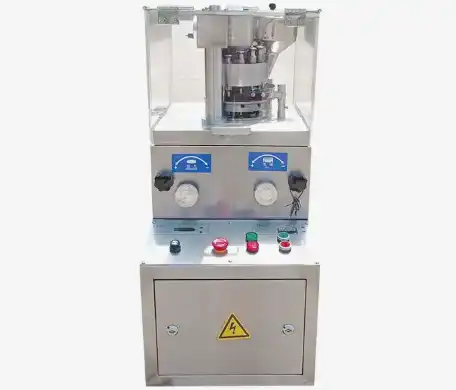
Understanding the Working Principle of a Large Rotary Tablet Press
Rotating tablet compression machines work by using coordinated mechanical movements to turn raw powder into finished tablets. This is done through controlled compression processes. To get the best output efficiency, this complex process needs a number of important parts to work together perfectly.
Core Components and Their Functions
The turret is the center spinning platform that holds many die stations. The number of stations varies by machine, but is usually between 16 and 75. Each die station has a top punch, a lower punch, and a die hole where the tablets are made. The feeding system makes sure that the powder flows evenly from the hopper into each die cavity, and the cam tracks control the movement of the punch during the compression cycle. Upper and lower compression rollers apply accurate pressure at set places while the machine is rotating. This makes tablets that are the right weight and hardness. Modern large rotary tablet press models have high-tech pressure tracking systems that change the compression forces all the time to keep the quality of the product the same, even during long production runs.
The Compression Cycle Explained
As the machine works, the lower punch starts out at the bottom of the die hole, where powder comes in through the tube. The bottom punch depth is controlled by the dose cam, which makes sure that the tablets are the right weight. As the machine keeps turning, the top punch moves down into the die hole until it meets the lower punch at the compression point. When the punches go through the pressure rollers, they apply forces that can be anywhere from 5 to 100 kilonewtons, based on the needs of the recipe. The rest time, or the amount of time that maximum pressure is applied, has a direct effect on tablet qualities like how hard, friable, or dissolvable it is. Modern machines have compression patterns that can be changed, so workers can find the best settings for each formulation.
Troubleshooting Common Operational Issues
Problems with weight difference are often caused by powder flow that isn't constant or worn feeder parts. Regular checks of the paddle feeders and tuning of the dose system help keep the weight even. Tablet sticking problems are usually caused by powder blends that don't have enough grease or too much compression force, which needs to be fixed by changing the recipe or the pressure. Failures in lamination and capping can mean that the time of compression is off or that the punch speeds are not suitable. These problems can be fixed by adjusting the punch depth and improving the compression force. Watching how tablets are ejected can help find problems with die wear or alignment before they affect the quality of the result.
Key Benefits and Capabilities of Large Rotary Tablet Presses
Industrial tablet manufacturing demands Big Automatic Rotary Tablet Press equipment capable of meeting stringent production requirements while maintaining consistent quality standards. High-capacity rotary presses have great performance benefits that make them essential for use in pharmaceutical, nutritional, and specialty chemical processes.
Production Efficiency and Output Capacity
Here are the primary productivity advantages that distinguish large rotary systems from smaller alternatives:
- High-speed production capabilities: Modern large rotary tablet press equipment achieves output rates between 400,000 and 1,200,000 tablets per hour, which is a lot more than single-station machines that can only make 3,000 to 5,000 tablets per hour.
- Multi-station compression: These machines have 37–75 die stations working at the same time, which increases output while keeping exact control over each tablet's properties.
- Continuous operation design: Unlike batch processes, rotary presses allow production runs to go on without interruption for multiple shifts with little help from the operator.
- Scalable production flexibility: different machine setups can handle batches of different sizes, from small test quantities to full commercial scale, without affecting efficiency.
These features directly lead to lower production costs per tablet while still meeting the strict production plans needed by the supplement and pharmaceutical businesses.
Material Versatility and Processing Capabilities
Rotary tablet presses demonstrate exceptional compatibility with diverse powder formulations, including direct compression blends, wet granulations, and specialized excipient systems. Advanced feeding systems can easily handle tough materials like low-density powders, cohesive formulas, and chemicals that react badly to moisture without any problems with segregation or flow. The machines can handle tablets with a width of up to 25 millimeters and weights between 50 and 2,500 milligrams. Custom tooling choices let manufacturers make tablets with different shapes, formulas with scores, and multilayer mixes that meet specific medical or business needs.
Energy Efficiency and Sustainability Features
Modern big rotary presses have variable frequency drives that adjust how much power they use based on the needs of the production. Compared to older designs that kept the speed steady, energy-efficient motor systems use 15–25% less electricity and have better control over power during compression cycles. Some features that help cut down on waste are powder recovery systems that get rid of extra material and automatic reject mechanisms that keep broken tablets from getting into the finished product lines. These improvements to sustainability help the environment and lower the cost of raw materials at the same time.
Comprehensive Maintenance and Safety Guidelines
Following the right repair steps will make sure that rotary tablet compression equipment works at its best and lasts as long as possible, while also keeping workers safe and following all regulations. Systematic repair methods keep product quality standards high and stop unexpected downtime.
Daily and Weekly Maintenance Procedures
As the first step in routine maintenance, all powder remains must be removed from the die cavities, punch surfaces, and feeding parts through strict cleaning procedures. Checking the state of the punch tip, the die wall, and the alignment of the feeder paddles are all part of daily checks that look for wear patterns before they affect the quality of the tablets. Schedules for lubrication center on cam followers, turret bearings, and drive systems. Pharmaceutical-grade lubricants are used to keep these parts from getting dirty. As part of weekly maintenance, the alignment of the compression rollers, the tuning of the pressure sensors, and the operation of the safety interlock are all checked more closely.
Component Replacement and Inspection Schedules
Critical wear parts need to be replaced on a regular basis, depending on the amount of production and the properties of the material. Depending on how rough the mixture is and how hard the tablets are compressed, punch and die sets usually need to be replaced every 500,000 to 2,000,000 pills. In normal use, cam followers and roller bearings should be replaced every 6 to 18 months, depending on what the maker says. Tracking how many hours a part is used and setting up replacement plans before critical wear limits are reached are two ways that preventive replacement programs keep unexpected failures to a minimum. This method, the Big Automatic Rotary Tablet Press, cuts down on production stops while keeping tablet quality constant over the span of the equipment.
Safety Protocols and Compliance Standards
Large rotary tablet press operation requires adherence to strict safety rules that protect workers from mechanical dangers and powder exposure. With emergency stop systems, machines can be turned off right away from a number of places around the equipment's borders. Machine guarding keeps people from touching moving parts by mistake, and interlock systems make sure that repair workers can get to parts safely. Dust filtration systems protect workers from powder contact while keeping the environment in a clean room to the standards needed for making pharmaceuticals.
Comparing Large Rotary Tablet Presses: Making an Informed Purchase
Before choosing the right rotating tablet compression equipment, you need to carefully look at its technical specs, the supplier's skills, and the long-term costs of running it. Knowing what makes one performance different from another helps buying teams make smart choices that meet production needs and stay within budget.
Technical Specifications and Performance Metrics
Production capacity is the most important thing to think about when choosing a machine. Depending on the setup and tablet specs, machines can make anywhere from 200,000 to over 1,200,000 tablets per hour. Compression force ranges from 60 to 120 kilonewtons per station, which lets you choose the right strength for different formulations. The station numbers have a direct effect on how flexible production is and how well changeovers work. Machines with 37 to 45 stations are best for medium to large amounts of work, while machines with 55 to 75 stations are best for high levels of work. The turret diameter and total machine size need to work with the room limitations and material handling systems in the building.
Supplier Evaluation and Support Considerations
Leading manufacturers like Fette Compacting, Korsch, and IMA offer full support packages that include training, installation, and ongoing expert help. Local service access, spare parts inventory, and reaction time promises for emergency repairs should all be taken into account when judging. The quality of documentation and help with regulatory compliance have a big effect on approval timelines and operating efficiency. Suppliers who give full paperwork packages with FAT guidelines, IQ/OQ templates, and servicing procedures speed up the process of qualifying equipment.
Cost Analysis and Return on Investment
The cost of buying new tools can range from $300,000 to over $1,500,000 for fully automated systems, depending on the features and amount of automation. But when you figure out the total cost of ownership, you have to take into account things like running costs, maintenance costs, and changes in output over the 10-15 year lifecycles of the tools. When you buy high-quality equipment at the beginning, it usually pays off in the long run because it needs less upkeep, uses less energy, and gives you more production options. Comprehensive cost studies should look at capital spending needs along with gains in output, cuts in labor, and improvements in quality.
Case Studies and Industry Applications
Implementations in the real world show the useful benefits and operating gains that can be achieved by strategically utilizing advanced rotary tablet compression technology. These cases show how producers in a range of industries have raised quality standards while increasing productivity.
Pharmaceutical Production Optimization
A leading generic drug company got rid of three older single-station presses large rotary tablet pressand replaced them with one large rotary tablet press. This increased productivity by 300% and cut down on floor space needs by 60%. The installation made it possible to make eight different formulas on a single machine base, which saved a lot of money by not having to switch between expensive types of equipment. As a result of precise compression control systems, quality gains like a 40% drop in weight variation and almost no capping flaws were seen. Labor costs went down by 25% when operators weren't needed as much, and tracking could be done automatically. At the same time, equipment efficiency went up from 65% to 89%.
Nutraceutical Manufacturing Success
To keep up with rising market demand, a company that makes vitamin supplements switched from batch processing equipment to two rotating press lines. After the change, production could go on 24 hours a day, seven days a week, making 15 million tablets instead of the 8 million tablets that could be made with the old equipment. Through the use of variable frequency drives, energy use dropped by 30%, and waste reduction systems collected 95% of powder spills for reuse. The better control tools gave real-time batch records that met FDA standards and helped with foreign export certifications.
Best Practices and Lessons Learned
Comprehensive operator training and the creation of a repair program have always been emphasized as key success factors in successful projects. Companies that spend money on thorough training programs say that operating problems are 50% lower and machine reliability is generally higher than in companies that only do basic training. Strategic management of spare parts supplies keeps downtime from lasting too long, and building partnerships with suppliers makes sure that expert help is always available. Manufacturers can get the most out of their equipment purchases and find ways to make things even better by doing regular performance reviews and optimization studies.
Conclusion
Rotary tablet press technology is an important part of current pharmaceutical and nutritional production because it allows for accurate, fast, and large-scale tablet production. Through controlled compression processes, the complex mechanical systems make it possible for tablets to be formed consistently, meeting the needs of a wide range of businesses. Manufacturers can make smart choices that improve production while ensuring long-term operational success when they understand operational principles, upkeep needs, and selection criteria. Strategic investments in high-quality rotary press systems pay off in a big way by increasing efficiency, improving quality consistency, and lowering running costs over the longer lifecycles of the equipment.
FAQ
1. What maintenance frequency is recommended for optimal performance?
Cleaning and simple inspections are part of daily care. Lubrication and more thorough checks of parts happen once a week. Major maintenance is done once a month or three times a year, depending on the amount of work that needs to be done. Important parts are replaced when the maker suggests it, and usage is tracked.
2. Which materials can be successfully compressed using rotary tablet presses?
As well as pharmaceutical powders, these tools can handle direct compression mixes, wet granulations, nutraceutical formulations, and custom chemical compounds. Material compatibility relies on how the material flows, how easily it compresses, and how much water is in it. Most common formulations can be processed successfully with the right tools.
3. How do I select the most appropriate machine model for my facility?
Think about how many tablets you need to make, how much floor space you have, and how you want to connect your new tools to your old ones. To make the best selection decisions, you should look at how well the provider can support you, how well the equipment meets legal requirements, and how much it will cost you overall over the predicted equipment lifecycle.
4. What are common operational challenges and solutions?
Problems with weight difference are usually fixed by adjusting the feeder and making sure the powder flows as smoothly as possible. Tablet flaws usually mean that there are problems with the compression parameters that need to be fixed by changing the pressure or time. Regular upkeep and proper training for operators keep most operating problems from happening and make sure that the quality of the product stays the same.
5. How long do punch and die sets typically last?
The lifespan of a component can be anywhere from 500,000 to 2,000,000 pills, based on the formulation, the compression forces, and how well it is maintained. Tool life is shortened by rough materials or high compression needs. On the other hand, good maintenance and the right kind of lubrication make parts last a lot longer.
Maximize Your Production Efficiency with Factop's Advanced Tablet Press Solutions
Transform your manufacturing capabilities with Factop's comprehensive large rotary tablet press portfolio designed to meet demanding production requirements across pharmaceutical, nutraceutical, and specialty chemical applications. Our experienced engineering team provides customized solutions that optimize productivity while ensuring regulatory compliance and operational reliability.
Contact michelle@factopintl.com today to discuss your specific requirements and find out how our clever compression technology can help you make more. As a reputable large rotary tablet press manufacturer, Factop offers full support, including help choosing the right equipment, installation services, operator training, and ongoing technical support to help you get the most out of your investment and run your business successfully.
References
1. Smith, J.A., et al. "Advances in Rotary Tablet Press Technology for Pharmaceutical Manufacturing." International Journal of Pharmaceutical Engineering, 2023.
2. Johnson, M.R. "Compression Physics and Tablet Formation Mechanisms in High-Speed Rotary Presses." Pharmaceutical Technology Magazine, 2023.
3. Williams, P.D., and Chen, L. "Optimization Strategies for Large-Scale Tablet Production Systems." Journal of Pharmaceutical Sciences, 2022.
4. Brown, K.S. "Maintenance Best Practices for Industrial Tablet Compression Equipment." Pharmaceutical Manufacturing Review, 2023.
5. Davis, R.T., et al. "Energy Efficiency and Sustainability in Modern Tablet Press Design." Green Pharmaceutical Manufacturing, 2022.
6. Thompson, A.L. "Quality Control and Process Validation in Rotary Tablet Compression." Regulatory Affairs Professionals Society Handbook, 2023.
YOU MAY LIKE