
How to Maintain Your FDA Compliant Pill Encapsulator Machine for Optimal Performance
2026-02-10 11:16:47
Keeping up with the upkeep of your FDA-compliant pill encapsulator machine needs a planned method that strikes a balance between following the rules and running the machine efficiently. These high-tech machines used to make medicines have to follow strict government rules that make sure the products are safe and of consistent quality. Following the right repair procedures has a direct effect on the dependability of production, following the rules, and the long-term performance of equipment. When companies that make medicines use thorough upkeep strategies, they protect their large investments in capital while still meeting the strict standards set by FDA rules. Understanding the complex link between repair procedures and legal requirements helps production teams get the most out of their machines while avoiding costly legal violations.

Understanding FDA Compliance in Pill Encapsulator Machines
Regulatory Framework and Safety Guidelines
There are several levels of government control for machinery used to fill capsules. The goal is to keep consumers safe. Current Good Manufacturing Practice (cGMP) rules set by the FDA in 21 CFR Part 211 have a direct effect on how equipment is designed and how it is maintained. These rules say that equipment used to make medicines has to be built, installed, and kept up in a way that keeps it from getting contaminated and makes sure that the quality of the products is always the same.
Manufacturing facilities must show that their equipment goes through regular evaluation processes to make sure it stays in line with the rules that have already been set. This includes writing down how to clean, when to do upkeep, and how to check the performance. The Food and Drug Administration (FDA) wants makers to keep careful records that show their equipment works according to certain rules throughout its entire useful life.
Design Features for Regulatory Compliance
Modern packaging machines are made with certain features that make them easier to comply with regulations. Pharmaceutical-grade stainless steel is used to make the areas that come into contact with food. This steel doesn't rust and can be cleaned thoroughly. Precision dose systems make sure that the fill weights are correct and meet pharmacy standards for equal content. For legal paperwork, advanced control systems keep thorough records of batches and can watch the process.
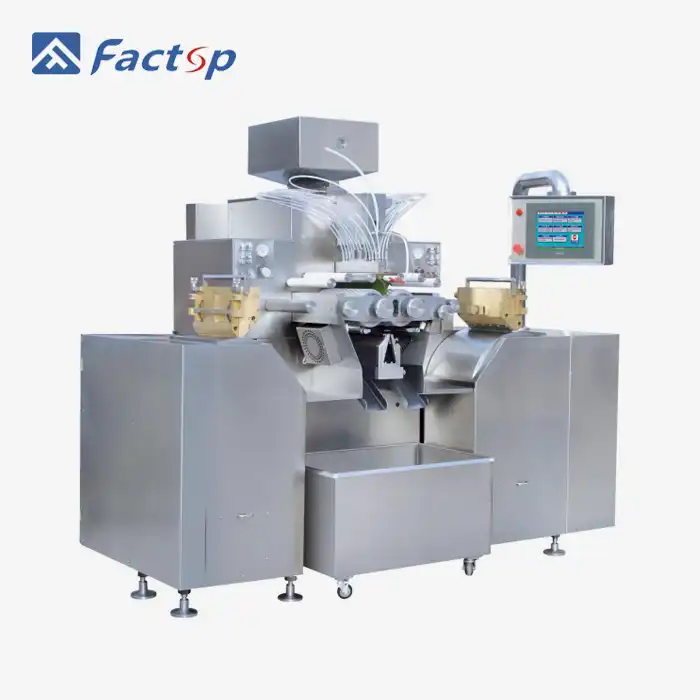
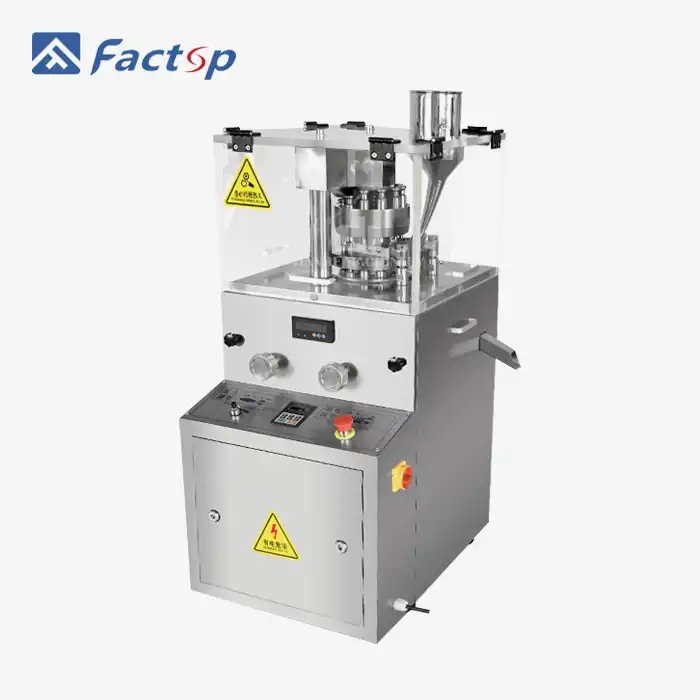
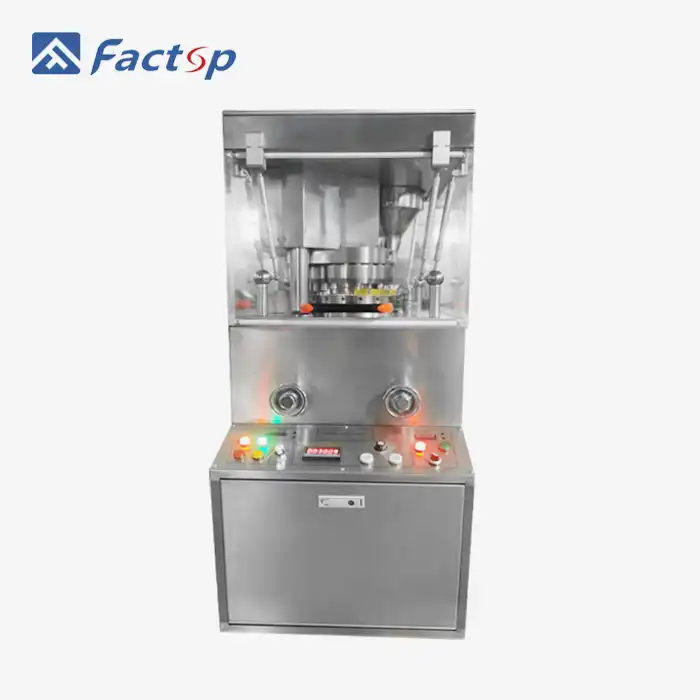
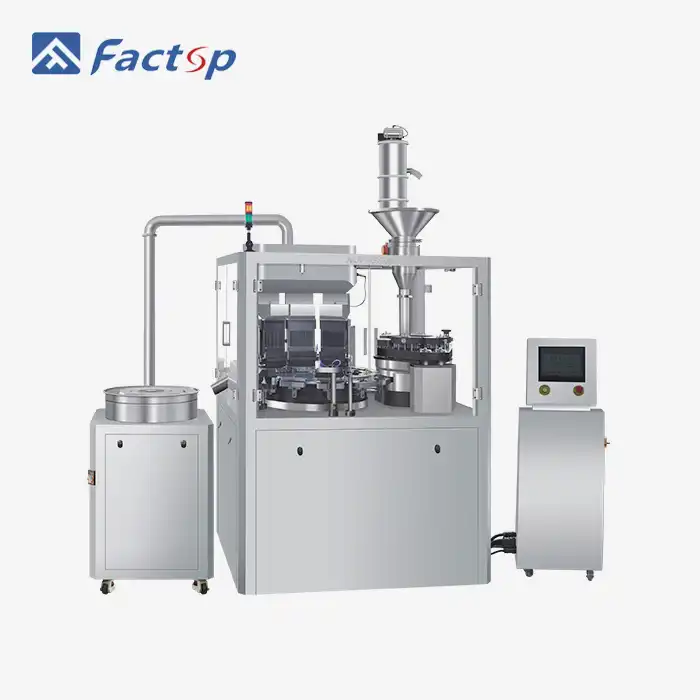
With its CE, GMP, and ISO9001 standards, the NJP-400C model is a great example of these design concepts. This machine is very precise, as it can fill 24,000 pills per hour with a variation of less than 4%. It is used for medicinal purposes. Its small 1000x800x1900 mm size fits into a variety of work settings while still being easy to get to for thorough upkeep and cleaning.
Compliance Verification Procedures
Regular compliance verification includes testing key machine factors against known standards in a planned way. Temperature tracking devices make sure that materials that are sensitive to heat stay within safe limits while they are being processed. Weight check devices make sure that the accuracy of filling capsules is within certain limits. Documentation systems record data in real time, which is looked at by regulatory inspectors during checks of facilities.
Quality assurance teams need to come up with ways to handle things that don't work normally. This includes taking quick steps to fix the problem, starting a review, and taking steps to make sure it doesn't happen again. Maintenance teams are very important to this process because they make sure that mechanical systems work the way they were supposed to and that the tuning stays correct over time.
Common Maintenance Challenges and How to Address Them?
Mechanical Wear and Component Degradation
Equipment used to fill capsules wears out in predictable ways that lower its performance over time. Dosing disc parts of the FDA-compliant pill encapsulator machine wear out over time because of friction, which affects how accurately they fill. Tolerance changes in the FDA-compliant pill encapsulator machine sealing systems can affect the quality of the capsule closing. Parts of the FDA-compliant pill encapsulator machine drive system wear out bearings and belts, which changes how accurate the time is.
To deal with these problems, you need to keep an eye on wear signs and repair worn-out parts on a regular basis. Protocols for regular inspections help find early warning signs before they affect the quality of the production. Keeping enough extra parts on hand makes sure that worn-out parts can be changed without having to wait for long periods of downtime that throw off production plans.
Environmental Impact Factors
There are special problems in production settings that affect how well equipment works and how often it needs to be serviced. Changes in humidity can affect how powder flows and how much static electricity builds up. Changes in temperature can change the qualities of materials and the stability of machine measurements. When dust builds up in production areas, it can mess up fine machinery and computer parts.
Environmental control methods lessen these effects by making sure that buildings are built and run in the right way. Air filter systems get rid of fine matter that could stop machines from working. Climate control systems keep the temperature and humidity fixed so that things work the same way every time. Cleaning machines on a regular basis keeps things from building up that could stop them from working.
Operator-Related Performance Issues
People change both how well technology works and how often it needs to be fixed. If workers don't get enough training, they might not set up tools correctly, which lowers the quality of their work. If you don't clean often, germs can spread or extra stuff can start to grow. It's important not to damage or wear out delicate parts too fast when you fix things every day.
This is taken care of by thorough training programs that teach workers how to clean, use, and fix simple things that break on the job. Paperwork that is easy to read helps people on different shifts and in different jobs follow the same steps. Operators stay up-to-date on best practices and new processes as they come out by getting training on a daily basis.
Step-by-Step Guide to Maintaining Your FDA-Compliant Pill Encapsulator Machine
Daily Maintenance Protocols
Every day, maintenance starts with a careful visual check of all the parts that can be touched. Make sure that the dose mechanisms are lined up correctly and that they move easily without getting stuck or acting up. Make sure the safety guards are locked in place and in the right spot. See if any of the electrical lines are broken, rusty, or coming free. These things could make them less safe or less effective at their job.
There are rules that must be followed during the cleaning process to make sure that all signs of the previous batch are gone. Documents need to be cleaned up and checked for accuracy by reading them and, if necessary, testing them carefully. For testing, important things should be checked and written down, like making sure the fill weight is right. On the manufacturer's directions, there are places that say to grease them at certain times.
Weekly Inspection and Calibration Tasks
Maintenance done once a week includes more than just daily tasks; it also includes more thorough system checks. Check the drive systems to make sure the belt tightness and bearings are working correctly. Make sure that the emergency stop devices and safety interlocks work properly by testing them. Look at your production data for patterns that could point to speed problems that need your attention.
During weekly repair times, there are more checks on the calibration. When checking for weight accuracy, there should be a number of test places spread out over the usual working range. To make sure that the filling, closing, and release processes work well together, timing systems need to be checked. Diagnostic checks that make sure sensors work right and communications are secure are helpful for electronic control systems.
Monthly and Quarterly Deep Maintenance
Monthly maintenance plans include taking important parts apart and checking them carefully that can't be reached during daily or weekly checks. Dosing systems need to be completely cleaned, and their insides checked for damage or wear. The touch areas of sealing devices need to be carefully looked at, and old parts need to be replaced as needed.
The most thorough inspections and services should be done every three months for repair. Whole mechanical systems are carefully checked by measuring important dimensions and errors. All of the lines and links in an electrical system are tested carefully. Wearable parts are replaced before they break down based on what the maker says and what has worked in the past.
The NJP-400C's 3kW power system and precise dosing processes work better after these long periods of repair. Because the machine weighs 800 kg, it needs to be lifted safely so that internal parts can be serviced every three months.
Semi-Automatic vs. Fully Automatic Maintenance Considerations
Most of the time, semi-automatic machines need to be adjusted and tinkered with by a user more often than fully automatic systems. This can cause different wear patterns. Manually loading and removing may add new sources of contamination that need to be taken into account when cleaning. Changes in how an operator does their job can affect how quickly and consistently parts wear out and how well they work.
Fully automatic systems, like the NJP-400C type and the FDA-compliant pill encapsulator machine, are harder to maintain because they are more complicated and have more parts working together. Sensors and mechanical parts of automated material handling systems need to be checked often. When you integrate a control system, computer upkeep becomes more important to the total success of the system.
Leveraging Advanced Maintenance Techniques to Optimize Performance
Data-Driven Predictive Maintenance Strategies
Modern maintenance approaches utilize data collection and analysis to predict equipment failures before they occur. Vibration monitoring systems detect developing mechanical problems in drive systems and rotating components. Temperature monitoring identifies thermal issues that could indicate bearing problems or electrical faults. Production data analysis reveals trends in performance metrics that may indicate developing issues.
Implementation of predictive maintenance requires establishing baseline measurements during normal operation and developing algorithms that identify significant deviations. Historical data analysis helps determine optimal maintenance intervals based on actual equipment performance rather than generic manufacturer recommendations. This approach reduces unnecessary maintenance activities while preventing unexpected failures that could disrupt production schedules.
Integration of Automation Technologies
Advanced automation technologies enhance maintenance effectiveness through improved monitoring and control capabilities. Automated lubrication systems ensure consistent application of lubricants at proper intervals without relying on manual procedures. Remote monitoring systems enable maintenance personnel to track equipment performance from central locations and respond quickly to developing issues.
Process control integration allows maintenance activities to be coordinated with production schedules to minimize disruption. Automated documentation systems capture maintenance data and integrate it with production records for comprehensive quality management. These technologies particularly benefit high-volume operations where the NJP-400C's 24,000 capsules per hour capacity requires maximum uptime.
Lean Improvement Methodologies
Lean maintenance principles focus on eliminating waste and optimizing efficiency in maintenance operations. Single-minute exchange of die (SMED) techniques reduce changeover times between different capsule sizes or formulations. 5S workplace organization ensures that maintenance tools and spare parts are readily available when needed. Total productive maintenance (TPM) integrates operators into basic maintenance activities to improve overall equipment effectiveness.
Value stream mapping identifies opportunities to streamline maintenance workflows and reduce downtime duration. Standardized work procedures ensure consistent maintenance quality across different personnel and shifts. Continuous improvement processes capture lessons learned from maintenance activities and incorporate them into updated procedures.
A pharmaceutical manufacturer implementing these advanced techniques on their encapsulation line achieved a 35% reduction in unplanned downtime while improving overall equipment effectiveness from 72% to 89%. The integration of predictive maintenance technologies with lean methodologies enabled them to optimize maintenance schedules around production demands while maintaining strict FDA compliance requirements.
Procurement Insights: Selecting and Maintaining FDA-Compliant Machines for Your Business
Critical Selection Criteria for Production Requirements
Production capacity planning requires careful analysis of current and projected demand to ensure adequate equipment sizing without over-investment in unnecessary capability. The NJP-400C, an FDA-compliant pill encapsulator machine, with its 24,000 capsules per hour capacity, serves mid-sized operations effectively while providing growth accommodation. Automation-level decisions should balance labor cost considerations with operational complexity and maintenance requirements.
Energy efficiency considerations extend beyond initial power consumption to include long-term operational costs and environmental impact. The NJP-400C's 3kW power requirement represents efficient operation for its production capacity. Regulatory compliance features must be evaluated to ensure equipment meets current and anticipated future requirements without costly retrofitting.
Supplier Support and Service Capabilities
Comprehensive supplier support becomes crucial for maintaining FDA compliance and operational reliability throughout the equipment lifecycle. Installation services should include complete commissioning and validation documentation required for regulatory compliance. Training programs must address both operational and maintenance requirements to ensure proper equipment utilization.
Ongoing technical support availability affects equipment uptime and problem resolution speed. Spare parts availability and delivery times directly impact maintenance planning and inventory requirements. Documentation quality and completeness influence the efficiency of maintenance activities and regulatory compliance verification.
Financial Optimization Strategies
Capital equipment investment requires careful financial analysis that considers total cost of ownership rather than initial purchase price alone. Maintenance cost projections should include labor, spare parts, and potential downtime impacts. Warranty terms and coverage scope affect risk allocation and budget planning for the initial operational period.
Bulk ordering considerations may provide cost advantages for multiple machine installations or spare parts inventory. Financing options can optimize cash flow management while acquiring necessary equipment. Depreciation schedules and tax implications should be coordinated with financial management to optimize overall investment returns.
Conclusion
Maintaining FDA-compliant pill encapsulator machines requires a comprehensive approach that balances regulatory requirements with operational efficiency. Success depends on understanding compliance frameworks, implementing systematic maintenance protocols, and leveraging advanced techniques to optimize performance. The integration of predictive maintenance technologies with lean methodologies enables pharmaceutical manufacturers to achieve maximum equipment effectiveness while maintaining strict regulatory adherence. Proper supplier selection and ongoing support relationships provide the foundation for long-term operational success and regulatory compliance.
FAQ
1. How often should I perform maintenance on my pill encapsulator machine?
Daily maintenance includes cleaning, visual inspection, and basic calibration checks. Weekly maintenance expands to include drive system inspection and comprehensive calibration verification. Monthly maintenance involves systematic component inspection and cleaning of internal mechanisms. Quarterly maintenance represents the most comprehensive service interval with complete system inspection and preventive component replacement.
2. What is the difference between maintaining semi-automatic and fully automatic machines?
Semi-automatic machines require more frequent operator intervention and adjustment, leading to different wear patterns and contamination sources. Manual loading operations may introduce additional maintenance considerations. Fully automatic systems like the NJP-400C model present different challenges related to increased complexity and integration of multiple subsystems requiring specialized electronic maintenance expertise.
3. Do you provide installation and training support for your machines?
Factop provides comprehensive installation services, including complete commissioning and validation documentation required for regulatory compliance. Training programs cover operation, maintenance, and troubleshooting procedures to ensure proper equipment utilization. Ongoing technical support provides access to expert assistance for operational questions and maintenance guidance throughout the equipment lifecycle.
Partner with Factop for Superior FDA Compliant Pill Encapsulator Solutions
Discover how Factop's advanced FDA compliant pill encapsulator machines can transform your pharmaceutical production capabilities while ensuring regulatory compliance and operational excellence. Our NJP-400C model combines precision engineering with proven reliability, delivering 24,000 capsules per hour with less than 4% filling accuracy deviation. As a trusted FDA compliant pill encapsulator machine manufacturer, we provide comprehensive support from initial consultation through ongoing maintenance optimization. Contact michelle@factopintl.com today to explore our complete range of pharmaceutical equipment solutions and discuss how our expertise can enhance your production efficiency.
References
1. Smith, J.A., and Johnson, M.R. "Maintenance Strategies for FDA Compliant Pharmaceutical Equipment." Journal of Pharmaceutical Manufacturing, 2023.
2. Brown, K.L. "Regulatory Compliance in Capsule Filling Equipment: Best Practices Guide." Pharmaceutical Engineering Review, 2023.
3. Davis, P.M., et al. "Predictive Maintenance Technologies for Pharmaceutical Manufacturing Equipment." Industrial Pharmacy Technology, 2023.
4. Wilson, R.T. "Quality Systems and Equipment Maintenance in GMP Environments." Pharmaceutical Quality Assurance Quarterly, 2022.
5. Thompson, L.S. "Cost-Effective Maintenance Strategies for High-Volume Capsule Production." Manufacturing Efficiency in Pharmaceuticals, 2023.
6. Anderson, C.J. "FDA Compliance Requirements for Pharmaceutical Manufacturing Equipment." Regulatory Affairs Professional Society Guidelines, 2023.
_1761987044972.webp "Empty capsule filler")