Choosing the Right High Capacity Pill Encapsulator Machine for Pharmaceutical Production
2026-02-10 11:18:55
There are a lot of things to think about when picking the right high-capacity pill encapsulator machine for making medicines. Some of these are the amount of work that needs to be done, the need for technology, and following the law. Firms can fill a lot of bottles at once and reliably with these high-tech, high-capacity pill encapsulator machine tools. You can use them to make a lot of different things, from easy vitamins and supplements to hard drugs. Procurement teams can make better choices that meet their output goals and price limits when they know the technology specs, working skills, and long-term upkeep needs.

Understanding High-Capacity Pill Encapsulator Machines
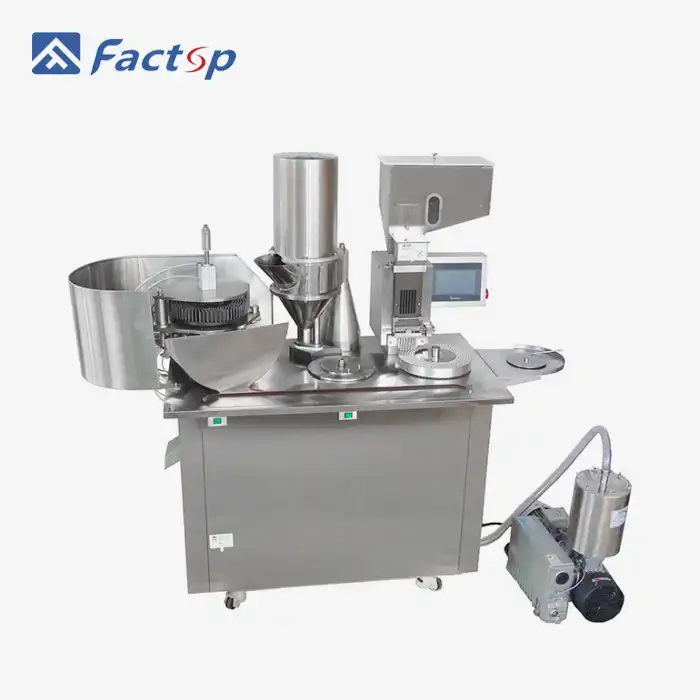
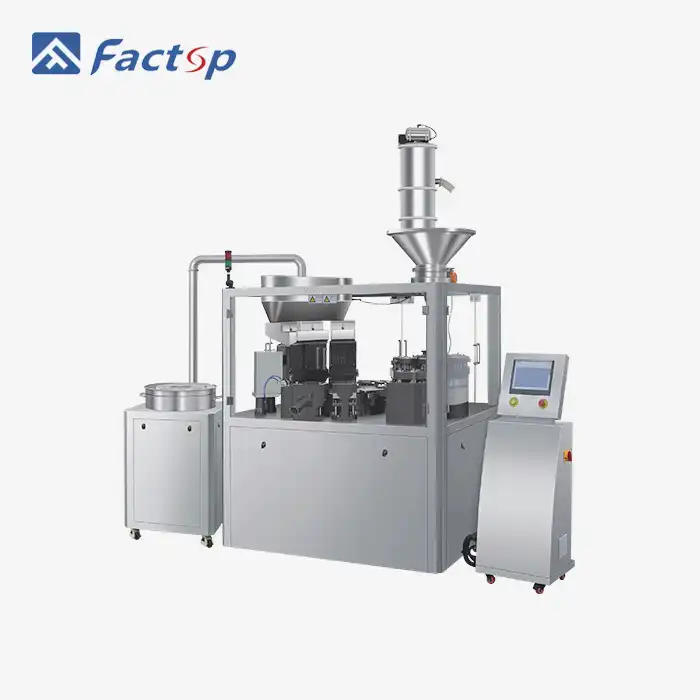
At every step of the creation process, modern drug making needs to be quick and accurate. It is important for businesses that want to make more capsules while still keeping quality high to buy high-capacity pill encapsulator tools. To make these automatic systems work, the capsule halves are carefully split in half and filled with powder, pellet, or liquid mixes. The capsule halves are then closed again to make finished goods that are ready to be packed.
Working Mechanisms and Core Functionality
It is planned that encapsulator tools will first separate and line up the capsules. The machine automatically feeds empty pills into it and sorts them into their body and cap parts at certain points. After that, the filling machine carefully pours the right amount of product into the pill bodies. The amounts are always the same during the production run because more modern models have systems that track the weight of the drugs.
During the closing process, the capsule halves are put back together under controlled pressure. This makes a tight seal that meets pharmacy standards. If quality control monitors find pills that aren't filled properly or are broken, they instantly take them off the production line. This unified method cuts down on waste while keeping the purity of the product during the whole manufacturing process.
Types of Encapsulation Systems
Companies that make drugs can pick from three main types of tools for packing. Handheld machines need someone to help them put in and take out pills, so they work best for research or making few items at a time. When semi-automatic tools are used, the capsules are filled automatically, but someone needs to watch to make sure they are used properly and the quality is checked.
The best way to make capsules is with a fully automatic encapsulator, which does everything from giving you empty capsules to letting you out with finished goods. The best quality control and the fastest flow rates are in these systems. Because of this, they work great in big pharmaceutical factories where speed and reliability are very important.
Criteria for Selecting the Right High-Capacity Pill Encapsulator Machine
People who work in pharmaceutical buying have to think about a lot of things when they pick out packaging tools. The first thing that is thought about when making a choice is how much production capacity is needed, such as from a high-capacity pill encapsulator machine. This is because tools need to be able to meet current demand as well as grow to meet expected future growth. When you're reviewing, you should think about when production is high and when demand changes throughout the year, as this could mean that you need more room.
Production Capacity and Speed Requirements
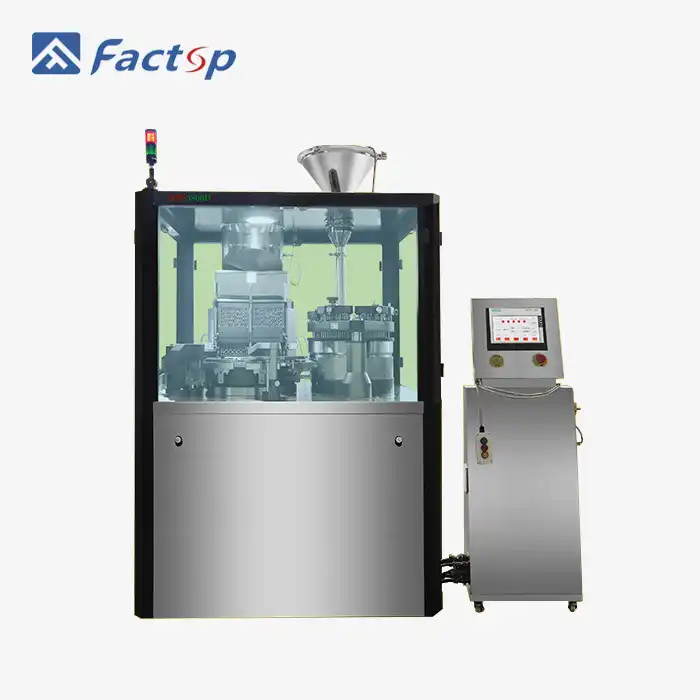
One great example of a high-capacity packing machine is the NJP-400C type. It can make 24,000 pills an hour, which is very fast. This flow level works well for medium- to large-sized drug businesses that need a steady flow of a lot of drugs. Making a list of their daily, weekly, and monthly output goals will help them figure out how much space they need. They should also think about breaks that are planned for fixes and any machine issues that might come up.
Speed standards must be able to match goals for productivity and quality maintenance. When production speeds go up, mechanical parts may be under more stress and need to be fixed more often. We need to think about both short-term and long-term prices, as well as immediate gains in speed, to find the best choice. In this way, output levels can be kept up so that business growth goals can be met.
Automation Level and Integration Capabilities
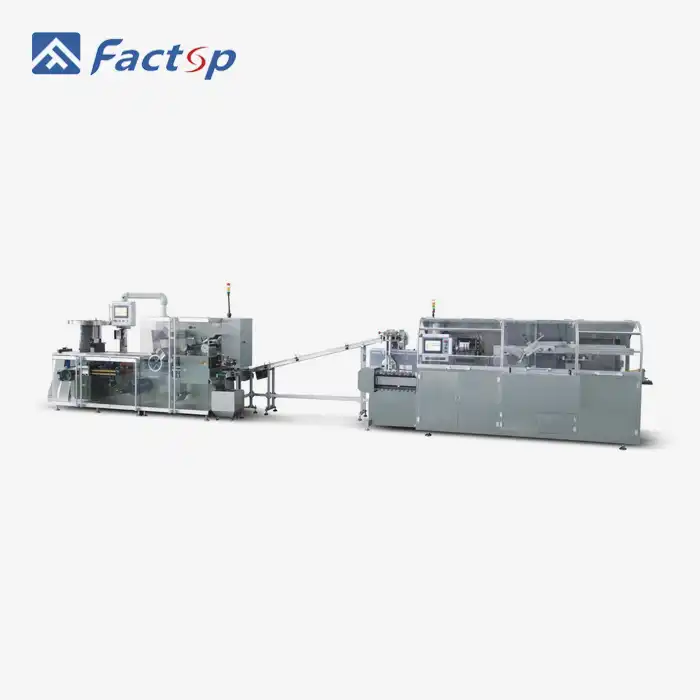
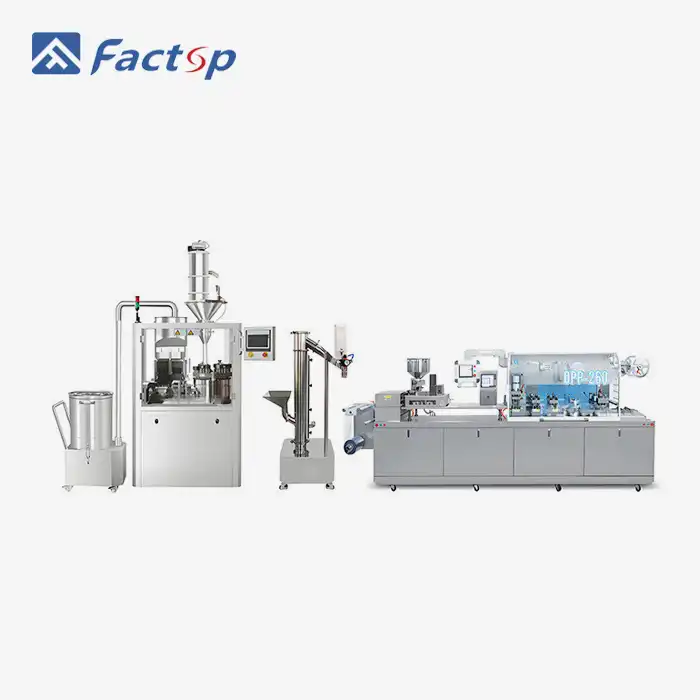
Integrated production systems help modern pharmacy facilities by reducing the need for physical work and the risk of pollution. When it comes to accuracy and tracking, automated encapsulators are better than human ones. It is important that the amount of technology is right for the building's power, the workers' skill level, and the production laws and rules.
It's easier to run things when they are integrated with existing tools for data management, quality control, and production lines. Digital links and ways for tools to talk to each other let you track things in real time and get better results. These parts help companies make drugs that follow the rules, and they also give helpful details about production for projects that always try to make things better.
Quality Certifications and Regulatory Compliance
Drug tools must follow strict rules set by regulatory bodies such as the FDA, EMA, and other foreign groups. The NJP-400C is certified by CE, GMP, and ISO9001, which means it meets important safety and quality tests. These documents prove that the machine can be used to create medicines, which speeds up the process of getting approval from the government.
Quality certifications do more than just approve the tools once; they also keep track of their compliance over time. If a company sells them tools, manufacturers should make sure that the company gives them all the paperwork, test methods, and ongoing help for regulatory checks. Having this paperwork is important for keeping business rights and entering new markets with different rules about paperwork.
Comparing High-Capacity Encapsulator Options Available in the Market
There are a lot of different packaging options on the market for pharmaceutical tools, each one made to fit a different production need or budget. Procurement teams can find tools that best meet their daily needs and long-term strategy goals by understanding the differences between the choices that are out there.
Manual vs. Automatic Capsule Filling Systems
Manual pill-filling systems are used in specific situations where freedom and small batch amounts are more important than high-volume production. These methods let workers quickly change formulas and meet the needs of custom capsules. But human methods don't have the accuracy and speed that are needed for making pharmaceuticals for sale.
Machines that automatically fill capsules have the accuracy and speed needed to make a lot of medicines. The NJP-400C is the best example of this type of machine because it is fully automated, consistently fills with less than 4% error, and is built to run continuously. Automatic systems save money on work, lower the risk of contamination, and make accuracy between batches better.
Performance Specifications and Technical Features
Modern encapsulators have improved features that make production more efficient and improve the quality of the product. Weight-based dose methods make sure that the right amount of powder is poured in, no matter what the weather or powder properties are. The small size of machines like the NJP-400C (1000x800x1900 mm) makes the best use of floor area while still delivering full utility.
Another important factor is power economy. For example, the NJP-400C only needs 3 kW of electricity, even though it can make a lot of things. This efficient process keeps performance steady while lowering energy costs and damage to the environment. The machine's 800 kg weight gives it the stability it needs for precise operation while still making it easy to move and set up.
Leading Manufacturers and Market Positioning
Established makers set themselves apart by coming up with new technologies, offering better customer service, and having global support networks. Factop Pharmacy Machinery Company is a good example of this method because they make a wide range of products, such as pill presses, capsule filling equipment, and other pharmacy machinery. The company's bilingual staff and international relationships make it possible for them to help clients in a wide range of areas around the world.
Differentiating quality goes beyond the specs of the tools, such as the high-capacity pill encapsulator machine, and includes things like service after the sale, availability of extra parts, and expert help. Manufacturers with a history of making pharmaceutical equipment can help with regulatory compliance, test processes, and production efficiency strategies that will help the business succeed in the long run.
Maintenance, Troubleshooting, and Operational Efficiency
Sustainable pharmaceutical production requires comprehensive maintenance strategies that prevent equipment failures and maintain consistent product quality. High-capacity encapsulators operate under demanding conditions that necessitate proactive maintenance approaches and skilled technical support.
Preventive Maintenance Best Practices
Regular maintenance schedules extend equipment lifespan while minimizing unexpected downtime. Daily cleaning procedures remove product residues and prevent cross-contamination between production runs. Weekly mechanical inspections identify wear patterns and component degradation before they affect production quality or safety.
Monthly calibration procedures ensure continued accuracy and compliance with validation requirements. The NJP-400C's precision filling accuracy depends on regular calibration of dosing mechanisms and weight monitoring systems. Comprehensive maintenance logs document all procedures and provide valuable data for optimizing maintenance intervals and predicting component replacement needs.
Common Issues and Resolution Strategies
Capsule filling operations encounter predictable challenges that experienced operators can address quickly. Powder flow issues may arise from environmental humidity changes or ingredient characteristics that affect material handling properties. Proper powder conditioning and storage protocols minimize these disruptions and maintain consistent production flow.
Mechanical wear affects dosing accuracy and capsule sealing quality over time. Regular replacement of wear components according to manufacturer recommendations prevents gradual performance degradation. Training programs ensure operators can identify early warning signs and implement corrective measures before quality issues develop.
Optimizing Production Efficiency
Production optimization involves balancing speed, quality, and equipment longevity to achieve sustainable manufacturing goals. The NJP-400C's 24,000 capsules per hour capacity provides flexibility for adjusting production rates based on specific formulation requirements and quality objectives.
Environmental factors such as temperature and humidity significantly impact encapsulation operations. Climate control systems maintain optimal conditions for powder flow, capsule integrity, and mechanical precision. Monitoring systems track these variables and alert operators to conditions that might affect product quality or equipment performance.
Procurement and Post-Purchase Considerations for B2B Clients
A successful encapsulator purchase plan includes more than just choosing the right tools, such as a high-capacity pill encapsulator machine. It also includes setting up the system, teaching employees, and making plans for long-term assistance. Comprehensive buying strategies that meet current needs while also planning for future growth and technology changes are good for business-to-business clients.
Sourcing Strategies and Pricing Structures
Buying pharmaceutical equipment usually involves a lot of complicated talks about the equipment's specs, when it will be delivered, and what kind of support services will be provided. When you work directly with a maker, you can get better prices, more customization options, and faster access to expert help. Established sellers like Factop offer clear prices and full-service packages that make it easier to decide what to buy.
Leasing choices give businesses that want to keep their cash on hand other ways to get access to new tools. Maintenance services, new technology, and open terms that can adapt to changing output needs are some of the things that can be included in these agreements. Companies that are upgrading whole production lines or adding more facilities can save money by signing bulk purchasing agreements.
Installation and Commissioning Services
Professional installation makes sure that the equipment is set up correctly and works at its best from the start. To properly set up the NJP-400C, you need to know how to do things like mechanical installation, electrical links, and software setup. Installation services given by the manufacturer ensure that the product will work as specified and give building staff useful training opportunities.
Commissioning processes make sure that the technology works as expected and set the standard conditions for its continued use. The steps in these processes create the paperwork needed to follow the rules, and they also set standards for future upkeep and fixing. Full contracting lowers the risks of starting and speeds up the time it takes to start making things.
Warranty and Long-Term Support Arrangements
Warranties on equipment protect against problems with the way it was made and give you peace of mind during the first few weeks of production. Mechanical parts, electrical systems, and program functions should all be covered by a full guarantee. Options for longer warranties may be a cost-effective way to protect important business tools.
Long-term support agreements make sure that you can get professional help, extra parts, and chances to update your equipment throughout its lifetime. Factop's global service network helps clients from around the world quickly and easily, reducing downtime and keeping output going. These connections are very helpful for fixing complicated problems and making process changes.
Conclusion
Selecting the appropriate high-capacity pill encapsulator machine requires careful evaluation of production requirements, quality standards, and long-term operational objectives. The pharmaceutical industry's demanding standards necessitate equipment that delivers consistent performance, regulatory compliance, and operational reliability. Modern encapsulators like the NJP-400C provide the capabilities necessary for competitive pharmaceutical manufacturing while offering flexibility for future growth and product diversification. Successful procurement strategies consider not only immediate equipment needs but also long-term support requirements, regulatory compliance, and integration with existing production systems.
FAQ
1. What distinguishes pill encapsulators from tablet press machines?
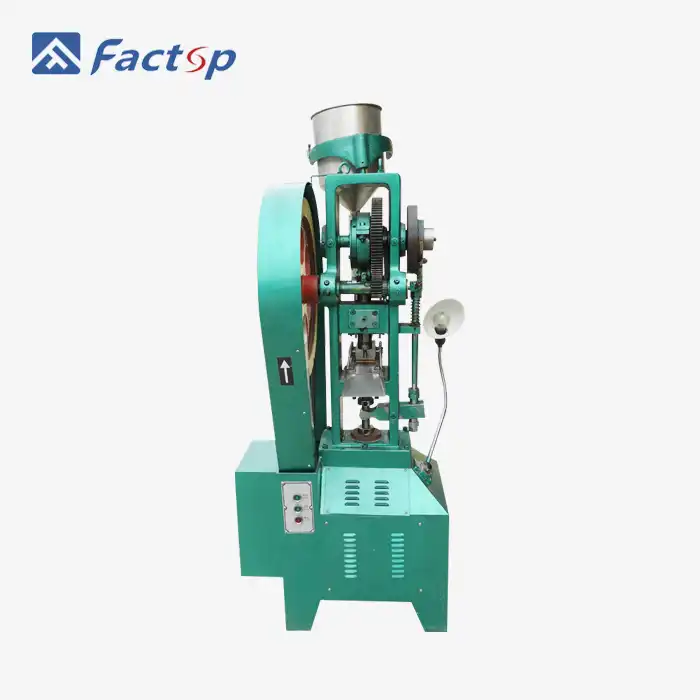
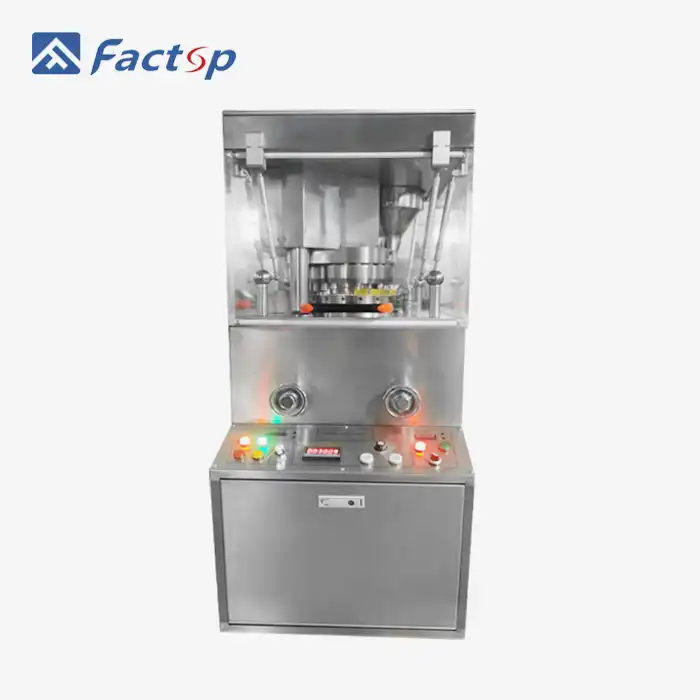
Pill encapsulators fill preformed capsule shells with powder, pellet, or liquid formulations, while tablet press machines compress powdered ingredients into solid tablet forms. Encapsulators maintain ingredient integrity and allow for combination formulations, making them ideal for vitamins, supplements, and sensitive pharmaceutical compounds. Tablet presses create uniform, solid dosage forms suitable for immediate- or extended-release formulations requiring specific compression characteristics.
2. How do I determine the right production capacity for my facility?
Production capacity selection depends on current demand, growth projections, and operational flexibility requirements. Calculate daily production targets based on market demand and batch sizes, then factor in maintenance downtime and peak production periods. The NJP-400C's 24,000 capsules per hour capacity suits medium to large operations requiring consistent high-volume output while maintaining quality standards.
3. What maintenance requirements should I expect with high-capacity encapsulators?
Regular maintenance includes daily cleaning procedures, weekly mechanical inspections, and monthly calibration activities. Component replacement schedules depend on production volume and operating conditions, typically requiring attention to dosing mechanisms, sealing components, and control systems. Preventive maintenance programs minimize unexpected downtime and ensure consistent product quality throughout equipment lifecycles.
4. Which quality certifications are essential for pharmaceutical production?
Pharmaceutical encapsulators require CE marking for European markets, GMP compliance for pharmaceutical manufacturing, and ISO9001 quality management certification. Additional certifications may include FDA validation for US markets and specific regional approvals based on target markets. These certifications ensure regulatory compliance and facilitate market access across diverse international jurisdictions.
5. How important is supplier support for encapsulator operations?
Comprehensive supplier support proves critical for maintaining production continuity and optimizing equipment performance. Essential services include technical support, spare parts availability, training programs, and upgrade opportunities. Factop's global service network provides responsive support that minimizes downtime and ensures long-term operational success for pharmaceutical manufacturers worldwide.
Partner with Factop for Your High Capacity Pill Encapsulator Machine Needs
Factop Pharmacy Machinery Company delivers proven expertise in pharmaceutical equipment manufacturing with comprehensive solutions tailored to your specific production requirements. Our NJP-400C high capacity pill encapsulator machine provides exceptional performance with 24,000 capsules per hour throughput and industry-leading filling accuracy. Connect with our experienced team at michelle@factopintl.com to discuss your encapsulation needs and discover how our equipment can enhance your pharmaceutical production capabilities.
References
1. Smith, J.R., & Williams, K.A. (2023). Pharmaceutical Manufacturing Equipment: Selection Criteria and Performance Optimization. Journal of Pharmaceutical Engineering, 45(3), 112-128.
2. Chen, L., Martinez, R.P., & Thompson, M.D. (2024). Automated Capsule Filling Technologies: Advances in High-Capacity Production Systems. International Pharmaceutical Manufacturing Review, 18(2), 67-84.
3. Anderson, B.K., et al. (2023). Regulatory Compliance in Pharmaceutical Equipment Procurement: Global Standards and Best Practices. Pharmaceutical Regulatory Affairs Quarterly, 31(4), 45-62.
4. Rodriguez, A.M., & Patel, S.N. (2024). Maintenance Strategies for High-Volume Pharmaceutical Production Equipment. Industrial Pharmacy Maintenance Journal, 22(1), 78-95.
5. Kumar, V., Johnson, D.L., & Brown, C.E. (2023). Cost-Benefit Analysis of Automated vs. Semi-Automated Capsule Filling Systems in Pharmaceutical Manufacturing. Pharmaceutical Economics Review, 29(3), 134-149.
6. Wilson, T.K., & Lee, H.S. (2024). Quality Control and Validation Protocols for High-Capacity Encapsulation Equipment. Pharmaceutical Quality Assurance Bulletin, 41(2), 23-39.
YOU MAY LIKE