
Top Maintenance Tips for FDA Compliant Pill Encapsulation Machines in Nutraceuticals
2026-04-20 11:00:00
To keep a capsule filling machine for supplements FDA-compliant, functioning well, and protective of product quality, maintenance focuses on five tasks: thorough cleaning, correct calibration, review of wear parts, smart documentation, and plans for preventive service. In nutraceutical manufacturing, maintenance is more than a technical job. It directly affects bottle fill weight, infection prevention, operational speed, and audit readiness. A well-maintained machine helps protect batch stability, meet GMP requirements, and reduce expensive stoppages. Whether using a semi-automatic unit or a high-output system like the NJP-1200D, the business remains inspection-ready as long as the correct repair schedule is followed.
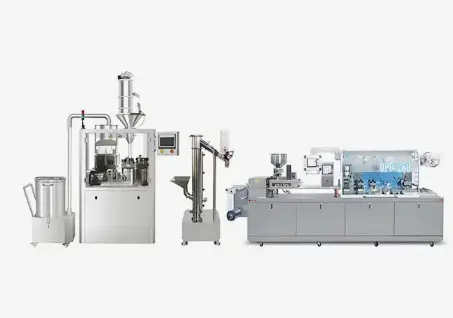
Understanding FDA Compliance Requirements for Pill Encapsulation Machines
Current Good Manufacturing Practices under 21 CFR Part 111 are the first requirement for nutraceutical manufacturers to align with FDA rules. For a business-to-business buyer or plant manager, this means equipment must be easy to clean, fit its purpose, and be maintained in a way that prevents contamination or mix-ups.
Why maintenance matters for GMP compliance?
The capsule filling machine may have direct or secondary contact with the product through its contact parts, powder tracks, and surrounding surfaces. Powder buildup, unchecked lubrication, or calibration drift can lead to cross-contamination, fill variation, and rejected runs. FDA rules about maintenance are closely linked to cleanliness, process control, and recordkeeping.
Documentation is part of maintenance.
Maintenance supports compliance only when it can be shown. Records of when the machine was cleaned, calibrated, fixed, parts replaced, and signed off by the user are required. Clean records demonstrate control during provider reviews or customer audits. Even if the machine appears to work well, poor records create doubt.
Key compliance areas to watch
Several useful checkpoints help keep a team aligned:
- Cleanability and hygienic design matter every day. Contact parts made of stainless steel, smooth surfaces, and dust-excluding features lower the risk of exposure. With automatic systems like the NJP-1200D, clean operation is even more important because high output can quickly magnify small quality problems across a large batch.
- Calibration and fill accuracy support product consistency. Many supplement companies target tight weight tolerances because label claims and customer trust depend on them. Reliable automatic pill fills can be highly accurate, but only if sensors, dosing parts, and moving components function as intended.
Top 5 Maintenance Tips for Enhancing FDA Compliance and Machine Longevity
A maintenance plan that the production team can follow every shift without confusion is the most useful. It is simple, repeatable, and linked to risk.
Clean and sanitise with validated procedures.
Cleaning is the first step. For parts that contact the product—such as hoppers, dosing stations, capsule paths, and dust collection areas—use approved cleaning agents, set contact times, and clear SOPs. When changing recipes, ensure that residue removal falls within acceptable limits. Quick surface wiping is insufficient for supplement manufacturing, especially with fine powders, botanicals, or sticky mixes that adhere to surfaces.
Inspect wear parts before they fail.
Capsule filling devices require precise movement. Inspect vacuum lines, feeds, tamping pins, sealing parts, bushings, and capsule-separation units regularly. Small wear problems typically appear early as powder leakage, broken capsules, inconsistent locking, or higher reject rates. Early detection keeps batch production safe and reduces downtime.
Keep lubrication controlled and documented.
Lubrication reduces friction and extends equipment life, but excess lubricant increases contamination risk. Ensure the team follows the correct lubricant grade, lubrication points and intervals for each machine, including the Capsule Filling Machine for Supplements, and documents all actions. This is especially important for high-speed machines, where excess friction can affect tracking stability and output.
Calibrate for dosage consistency.
In nutraceuticals, fill accuracy affects label claim confidence and customer satisfaction. Ensure that dosing systems, weight control points, and critical monitors are calibrated regularly. If drift appears, investigate the root cause instead of making constant minor adjustments. This saves material and reduces rework.
Train operators to spot small problems early
Good maintenance is not limited to the service team. The operator is the first line of defence. Train operators to recognise unusual noises, powder buildup, improper capsule closure, slow feeds, and changeover issues. Daily operator checks prevent many technical problems from becoming safety issues.
Automation and Technology Upgrades for Streamlined Maintenance
As production volume rises, manual upkeep becomes harder to track. Technology makes a significant difference here.
Real-time monitoring supports predictive maintenance.
Machines equipped with sensors and troubleshooting alerts can detect changes in pressure, unusual vibrations, unstable output, or feeding interruptions before they become failures. This reduces unexpected downtime and gives maintenance teams time to work during scheduled windows. In a controlled setting, avoiding batch loss is much cheaper than correcting it.
Semi-automatic vs fully automatic maintenance demands
Semi-automatic models can be useful and affordable for small businesses, but they depend more on the operator’s skill. Fully automatic systems require more disciplined preventive maintenance and better technical support, but they also require less manual intervention and provide more consistent output. The best choice depends on output goals, staffing, product mix, and growth plans.
Why does the NJP-1200D fit scaling nutriceutical operations?
When evaluating a machine like the NJP-1200D, considerations go beyond speed. Stable operation, easy access for cleaning, accurate dosing, and after-sales support are key. Automatic capsule fillers are useful for supplement manufacturing because they reduce manual labour, improve cleanliness, and support higher output while maintaining control. For business growth, selecting a model that performs well and has broader serviceability saves long-term costs.
Choosing Reliable Suppliers and Service Partners for Your Encapsulation Equipment
Maintenance success depends not only on the machine but also on the support received after installation.
What to look for in a supplier?
A good supplier of a pill encapsulation machine should provide detailed documentation, spare parts access, training, commissioning support, and responsive communication. Warranty clarity is important. The ability to guide a team through installation training, routine maintenance, and troubleshooting is also critical. Reliable support is necessary for buyers in research, food processing, pharmaceuticals, and health products because downtime affects schedules, customer commitments, and operating costs.
Why does a service partnership lower risk?
Working with suppliers who help set up preventive maintenance routines is preferable to those who only react to problems. This includes SOP guidance, parts planning, and technical support either on-site or remotely. A strategic partner reduces lifecycle costs and improves machine performance.
Factop’s value for B2B buyers
Jining Factop Pharmacy Machinery Company is a professional manufacturer of pharmaceutical equipment, including grinders, mixers, granulators, packing lines, tablet presses, and capsule filling machines. With skilled, bilingual staff experienced in global business, the company has built long-term relationships in Asia, America, Europe, and South Africa. Factop focuses on providing stable equipment, clear communication, and service that helps B2B buyers achieve long-term production goals through honesty, innovation, and mutually beneficial cooperation.
For purchasing the NJP-1200D, Factop offers a minimum order of 1 set; payment via T/T, D/P, D/A, or Paypal; shipping options including FOB, CFR, FAS, FCA, CIP, DEQ, DDP, and express delivery; and transport by ocean, land, or air. This flexibility helps both large companies and emerging supplement manufacturers find solutions that fit their budget, shipping timelines, and import strategies.
Practical Maintenance Checklist Tailored for Nutraceutical Pill Encapsulation Machines
Maintenance is consistent across shifts, teams, and audits when a plan is in place. It serves as a tool for effective control, not just paperwork.
Daily checks
At the beginning and end of each workday, operators should check that the area is clean, look for powder dust, ensure lubrication is safe, examine reject levels, and listen for unusual machine sounds. Additionally, fill weight trends should remain stable, and all actions must be recorded.
Weekly and monthly tasks
Regular depth checks help the team identify hidden wear before it affects output. Typical weekly and monthly schedules include the following:
- Weekly work: Closer inspection of dosing systems, capsule feeds, locking mechanisms, vacuum performance, and guards. Reviewing cleaning records, reject trends, and minor stoppage history helps identify patterns. Repeated changeover time should not be accepted as normal output loss when one station keeps having problems; instead, fix the root cause.
- Monthly work: Checking calibrations, replacing certain wear parts based on runtime, inspecting electrical and pneumatic connections, and reviewing preventive maintenance frequency. Keeping spare parts for critical components on hand provides better control over downtime risk, which is helpful when production schedules tighten due to annual supplement demand.
Audit readiness and emergency response
Maintenance records should be organised by date, machine ID (including the pill encapsulation machine), technician, action taken, and verification result. The team should know who stops the line if something goes wrong, how to segregate the product, what documentation should begin immediately, and when QA needs to be involved. A controlled response protects both compliance and customer service commitments.
Conclusion
Well-maintained capsule production becomes predictable rather than reactive. By keeping cleaning rigorous, calibrations correct, wear parts closely monitored, and records complete, both FDA compliance and machine life are protected. For nutraceutical manufacturers, this means better batch stability, less downtime, and greater audit confidence. When choosing a reliable capsule filling machine for supplements, the key question is how well the machine performs month after month under the right maintenance plan.
FAQ
1. How often should a capsule filling machine be cleaned in supplement production?
Areas that contact the product should be cleaned with every batch or product change. The deeper cleaning process depends on formulation risk, powder behaviour, and SOP requirements.
2. What maintenance records matter most during an audit?
The most important records include cleaning logs, calibration reports, repair history, preventive maintenance schedules, parts replacement records, and operator or technician sign-offs.
3. Is a fully automatic machine easier to keep compliant than a semi-automatic one?
A fully automatic machine can improve cleanliness and consistency by reducing manual handling. However, it still requires regular preventive maintenance, calibration, and documented procedures to remain compliant.
4. What should be asked of a capsule-filling machine supplier before purchase?
Key questions include fill accuracy, spare parts availability, training, commissioning, warranty terms, documentation support, service response time, and long-term maintenance requirements for the specific product type and output goal.
Partner with Factop for Pill encapsulation machine Solutions
Want a Capsule Filling Machine for Supplements manufacturer or provider that you can trust and that knows about safety, uptime, and business-to-business service? Get in touch with Factop to talk about the NJP-1200D, spare parts support, planning for upkeep, and shipping choices for your project. Get in touch with michelle@factopintl.com if you want to buy a Capsule Filling Machine for Supplements for sale from a company that offers quick technical help and easy payment terms.
References
1. U.S. Food and Drug Administration, Code of Federal Regulations Title 21 Part 111
2. U.S. Food and Drug Administration, Investigations Operations Manual
3. World Health Organization, WHO Good Manufacturing Practices for Pharmaceutical Products
4. ISPE, Good Practice Guide: Maintenance
5. USP, General Chapters on pharmaceutical compounding and quality practices
6. ICH Q9, Quality Risk Management
YOU MAY LIKE