
Maintenance tips for keeping a laboratory tablet press machine in good condition
2026-04-23 11:00:00
For lab use, keeping a tablet compression press for laboratory in good shape takes careful attention to detail and a set of steps for how to do it. These specialized tools are essential for formulating new drugs and making small batches in chemistry, pharmaceutical, and nutritional labs. Maintenance not only makes equipment last longer, but it also makes sure that tablets are all the same, cuts down on unplanned downtime, and meets quality standards. Working with research teams and production managers has taught me that these precise tools become reliable partners in innovation and quality control when they are maintained regularly.
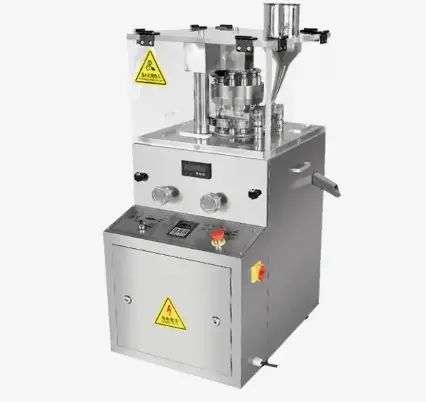
Understanding the Laboratory Tablet Compression Press and Its Maintenance NeedsWhat Makes Laboratory Tablet Presses Unique?
Both in terms of how they are designed and what they can do, laboratory tablet presses are very different from their industrial versions. Production-scale equipment focuses on making a lot of things, while laboratory tools focus on being precise, flexible, and easy to change. Researchers can use these tools to come up with new formulas, try different compression factors, and make small batches of tablets for studies on stability or clinical trials. Knowing this difference helps you set the right goals for upkeep.
Single-punch presses are easy to use and can be controlled by hand, which makes them perfect for exploratory study where parameters need to be changed often. Even when set up in a lab, rotary tablet presses offer higher throughput and can fit more than one work station. Some more advanced models have automatic features like digital force measurement and customizable compression settings, which means they need to be maintained by people who know a lot about them.
Critical Components Requiring Regular Attention
Several important parts of a laboratory pill compression press are constantly under mechanical stress and wear out over time. Punches and dies are the most important parts of making tablets. They come into close contact with powder mixtures thousands of times during operation. Even small scratches on the surface of these tooling parts can ruin the look and structure of a tablet. Regular inspections keep study data reliable and stop broken tablets from getting into the system.
The cam tracks make sure that the punch moves at the right time during the compression stages. Wear on these surfaces changes the compression force patterns and stay time, which in turn changes how hard the tablet is and how quickly it dissolves. In rotary presses, the turret parts must stay perfectly aligned; even small variations cause the weight of the tablets to be spread out unevenly. Motors, belts, and gears are all examples of drive systems that need to be checked for signs of wear or imbalance that could lead to expensive breakdowns.
Why Maintenance Directly Impacts Research Outcomes?
The accuracy needed for the study is maintained by good upkeep practices. Scientists need regular compression conditions to separate random effects while they are developing new formulations. A press that isn't well taken care of adds random factors that can change the results of experiments and waste valuable materials. Calibration drift in force measurement systems can make whole datasets unstable, which could add weeks or months to the time it takes to make a product.
Common Issues Encountered in Laboratory Tablet Presses and Their Causes
Tablet Weight and Hardness Inconsistencies
One of the most common issues with laboratory presses is that the weight of the tablets doesn't stay the same. Usually, this issue is caused by uneven die filling, which can be caused by problems with powder flow or turret error. When the die hole doesn't get the same amount of powder, the pills that come out of it have different weights, even though the crushing force stays the same. Weight differences are often accompanied by changes in hardness. However, hardness changes can also be caused by worn punch faces that no longer distribute pressure evenly.
Environmental humidity changes the properties of hygroscopic mixtures, which leads to changes in powder qualities during compression runs. Changes in temperature can affect how well a lube works and how easily a powder can be compressed. Being aware of these surrounding factors helps tell the difference between problems with machines and problems with formulas that need different answers.
Mechanical Jamming and Production Interruptions
Research processes are slowed down by jams, and expensive tools could be damaged. The main reason for jamming is powder buildup in places with limited space. Small bits build up around the punch lines and inside the die table, making it harder to move the parts until they stop working. When you don't clean well enough between formulation changes, leftover material can harden into layers that get in the way of normal operation.
Parts that are worn or broken make jamming more likely. Punch stems that have flaws on the surface catch on guide surfaces. Die edges that are chipped catch powder instead of letting pills come out easily. When ejection systems get worn out, they can't push tablets out of dies, which means that following punches hit stuck tablets.
Noise, Vibration, and Mechanical Warning Signs
Strange noises or patterns of shaking can be signs of mechanical problems that are getting worse before they break down completely, such as in a tablet compression press for laboratory. Grinding sounds happen when metals touch each other and lubrication has failed, or gaps have stopped up because of wear. When you hear rhythmic clicking, it means that bolts or parts have too much play. Higher amounts of shaking often happen before bearings fail or show that spinning units are not balanced.
If you take care of these warning signs right away, small problems won't get worse and need major fixes. When production managers use condition-tracking methods, they find problems early and schedule repair for planned pauses so equipment doesn't break down during important research stages.
Systematic Maintenance Tips to Keep Your Lab Tablet Press in Top Condition
Daily Cleaning and Inspection Protocols
Daily maintenance begins immediately after each production session. Removing all residual powder from the press prevents cross-contamination and eliminates buildup that compromises mechanical function. Careful attention should focus on the cavities, punch surfaces, and powder feed mechanisms where material tends to accumulate.
During cleaning, visual inspection reveals early wear indicators such as punch face scratches, die bore scoring, or coating damage on stainless steel surfaces. Documenting these observations creates a wear history that predicts replacement needs and identifies formulations causing accelerated component degradation. Compressed air removes loose powder from inaccessible areas, though care must be exercised to avoid driving particles deeper into mechanisms.
Tablet weight and hardness measurements taken from final production batches serve as functional checks. Deviations from expected values prompt deeper investigation before the next compression session. This simple practice catches calibration drift and developing mechanical issues when corrective action remains straightforward.
Weekly Lubrication and Component Verification
Proper lubrication extends component life and maintains smooth operation. Moving parts such as punch guides, cam followers, and drive chains require application of appropriate lubricants at weekly intervals or according to manufacturer specifications. Different press areas demand different lubricant types; food-grade options suit pharmaceutical applications where product contact might occur.
Over-lubrication creates problems equal to insufficient lubrication. Excess lubricant attracts powder particles, forming abrasive pastes that accelerate wear. Application should follow a "less is more" philosophy, using minimal quantities precisely where needed. Wiping away excess material after application prevents accumulation.
Checking fastener tightness prevents loosening that allows component movement and accelerated wear. Vibration during operation gradually loosens screws and bolts despite initial proper torque. A systematic check of critical fasteners each week maintains structural integrity and prevents alignment drift.
Monthly Deep Inspection and Calibration
Monthly maintenance escalates to more comprehensive examination of wear-prone components. Punch and die measurements using precision instruments detect dimensional changes before they affect tablet quality. Micrometers capable of 0.001mm resolution identify wear patterns and guide timely replacement decisions. Maintaining tooling within specification preserves product consistency and protects research data integrity.
Compression force calibration verification ensures measurement accuracy. Using calibrated load cells or force gauges, technicians compare displayed force values against known standards. Discovering and correcting calibration errors maintains the parametric control that formulation scientists require. Modern presses with digital force measurement simplify this process, though verification against external standards remains essential.
Drive system components, including belts, chains, and couplings, receive detailed examination for wear, alignment, and proper tension. These power transmission elements operate under continuous stress and require periodic adjustment or replacement. Catching deterioration early prevents unexpected failures during production runs.
Documentation and Maintenance Record Management
Maintaining detailed maintenance logs creates invaluable historical records. Each cleaning session, lubrication application, part replacement, and calibration check deserves documentation with dates, observations, and actions taken. These records satisfy regulatory requirements in pharmaceutical environments and support warranty claims when equipment issues arise.
Trend analysis using maintenance records predicts future needs and optimizes spare parts inventory. Recognizing that punch sets typically last a specific number of compression cycles allows proactive ordering before stockouts disrupt research schedules. Correlation between formulation types and component wear guides preventive maintenance timing.
Digital maintenance management systems streamline record-keeping and automate reminder schedules. Even simple spreadsheet tracking provides substantial benefits over informal memory-based approaches. Investment in systematic documentation returns dividends through reduced downtime and extended equipment service life.
Best Practices for Safe Operation and Handling During Maintenance
Lockout/Tagout and Energy Isolation Procedures
Safety protocols protect maintenance personnel from injury during service activities on laboratory tablet press machines. Lockout/tagout procedures ensure equipment cannot energize unexpectedly while technicians work on internal mechanisms. Simply switching off power proves insufficient; physical disconnection and locked isolation switches prevent accidental or unauthorized restart.
Compressed air systems, if present, require isolation along with electrical power. Residual pressure can cause sudden component movement during disassembly. Hydraulic systems retain pressure even after shutdown, necessitating careful bleeding before maintenance begins. Establishing and following comprehensive energy isolation procedures eliminates serious injury risks.
Clear communication between operators and maintenance staff prevents coordination failures. Visible tags at isolation points identify who holds lockout authority and why equipment remains disabled. These simple communication tools prevent well-intentioned but dangerous attempts to restore equipment operation while maintenance continues.
Personal Protective Equipment and Hazard Awareness
Appropriate personal protective equipment forms the first defense against maintenance-related injuries. Safety glasses protect eyes from metal particles during cleaning or inspection. Cut-resistant gloves shield hands when handling sharp-edged punches and dies, though thin-profile designs preserve tactile sensitivity needed for precision work.
Powder dust generated during cleaning poses respiratory and skin contact hazards, particularly with pharmaceutical active ingredients or chemical formulations. Dust masks or respirators appropriate for specific materials prevent inhalation exposure. Disposable coveralls contain contamination and simplify cleanup after maintenance completion.
Understanding material-specific hazards guides appropriate precautions. Some chemical formulations require specialized handling due to toxicity or sensitization potential. Material safety data sheets inform protective measure selection and emergency response procedures. Treating all powder residues as potentially hazardous establishes a safety-focused maintenance culture.
When to Seek Professional Technical Support?
Recognizing the limits of in-house capabilities prevents damage from inappropriate repair attempts. Complex issues involving electronic controls, specialized tooling modifications, or structural repairs typically exceed laboratory staff expertise. Manufacturers and authorized service providers possess specialized knowledge, diagnostic equipment, and genuine replacement parts that ensure proper restoration.
Warranty coverage often requires professional service for specific repairs. Attempting these repairs internally may void coverage and eliminate financial protection against defective components. Understanding warranty terms guides appropriate decisions about when to engage manufacturer support services.
Establishing relationships with qualified service providers before emergencies arise ensures a rapid response when critical problems develop. Pre-negotiated service agreements define response times, travel costs, and labor rates, eliminating uncertainty during stressful equipment failures. These partnerships prove especially valuable for laboratories operating specialized or older equipment with limited local support options.
Choosing the Right Tablet Compression Press and Support Services for Long-Term Reliability
Design Features That Simplify Maintenance
Equipment selection decisions profoundly impact long-term maintenance requirements. Modular designs that allow component removal without extensive disassembly reduce service time and skill requirements. Quick-change tooling systems enable punch and die replacement in minutes rather than hours, valuable in research environments requiring frequent formulation changes.
Accessibility to wear components for inspection and service distinguishes well-designed equipment. Presses requiring extensive dismantling to reach basic maintenance points frustrate technicians and discourage proper care. Transparent covers or inspection windows allow visual monitoring during operation without compromising safety or contamination control.
Material selection affects both sanitation and durability. Stainless steel construction resists corrosion from cleaning agents and provides the smooth surfaces necessary for pharmaceutical hygiene standards. Chrome-plated components offer similar benefits at potentially lower costs. Understanding material grades helps evaluate whether equipment meets application requirements and maintenance preferences.
Matching Equipment Capability to Application Requirements
Selecting appropriate press capacity and features prevents both under-specification and unnecessary complexity. Single-punch presses suit early-stage research and educational applications where simplicity and low cost matter most. Rotary laboratory presses justify their higher investment when throughput requirements exceed single-punch capabilities or when researchers need to evaluate production-like compression conditions.
Automation features such as programmable compression profiles and automated data logging enhance research efficiency but require maintenance capabilities matching their sophistication. Laboratory tablet press machine. Electronic control systems need different support skills than purely mechanical designs. Matching equipment complexity to available maintenance resources ensures sustainable long-term operation.
B-type and D-type tooling compatibility affects flexibility and long-term operating costs. B-type tooling, common in pharmaceutical applications for tablets up to 25mm diameter, offers wide availability and competitive pricing. D-type tooling accommodates larger tablet sizes preferred in nutraceutical applications. Some presses accept both tooling standards, providing maximum versatility.
Conclusion
Maintaining laboratory tablet presses in optimal condition requires systematic attention, appropriate resources, and commitment to established protocols. Daily cleaning removes powder residues that cause operational problems. Weekly lubrication and monthly inspections catch developing issues before they escalate into costly failures. Comprehensive documentation creates historical records that guide predictive maintenance and satisfy regulatory requirements. Safety-focused practices protect personnel during maintenance activities. Thoughtful equipment selection and supplier partnerships establish foundations for reliable long-term operation. By implementing these maintenance strategies, research organizations protect their equipment investments while ensuring the consistent performance that quality research demands.
FAQ
1. How often should a laboratory tablet press undergo professional servicing?
Professional servicing intervals depend on utilization intensity and complexity. Lightly used presses performing occasional research batches may need annual professional inspection, while equipment supporting daily production benefits from semi-annual service. Manufacturer recommendations provide baseline guidance, though adjusting frequency based on observed wear patterns optimizes cost and reliability. Preventive service contracts from qualified suppliers often include scheduled inspections that catch problems early, preventing emergency repairs.
2. What indicates that professional service is needed beyond routine maintenance?
Several symptoms signal needs exceeding routine maintenance capabilities. Persistent tablet quality problems despite proper cleaning and calibration suggest mechanical wear requiring expert diagnosis. Unusual noises, vibrations, or operational roughness indicate developing problems. Electronic control malfunctions, force measurement irregularities, or automation feature failures need specialized troubleshooting. Any situation where component replacement or adjustment exceeds user manual guidance warrants professional involvement to prevent damage.
3. What considerations apply when evaluating used tablet presses?
Used equipment purchases offer cost savings but require careful evaluation. Assess maintenance history documentation to understand previous care quality. Inspect wear components such as punches, dies, and turret surfaces for damage or excessive wear. Verify that obsolete models still receive manufacturer support and parts availability. Testing under actual operating conditions before purchase reveals hidden problems. Reputable suppliers refurbish used equipment to known standards, providing confidence unavailable from informal sources.
Partner with Factop for Reliable Tablet Compression Press Solutions
Maintaining peak performance from your tablet compression press for laboratory applications becomes straightforward when you work with experienced manufacturers who understand research and production challenges. Factop Pharmacy Machinery Company specializes in precision tablet presses designed specifically for laboratory environments, combining robust construction with maintenance-friendly features. Our equipment utilizes 316-grade stainless steel construction, ensuring corrosion resistance and simplified cleaning protocols that pharmaceutical and research applications demand.
As a tablet compression press for laboratory suppliers, we provide comprehensive support extending well beyond equipment delivery. Our multilingual technical team offers installation assistance, operator training, and ongoing maintenance guidance tailored to your specific applications. Genuine replacement parts ship rapidly from our inventory, minimizing downtime when component replacement becomes necessary. Whether you need a compact single punch press for formulation development or a sophisticated rotary system for pilot production, our solutions balance capability with practical maintenance requirements.
Contact our team at michelle@factopintl.com to discuss your laboratory tablet press needs. We'll help you select equipment matching your current requirements while accommodating future growth, backed by the responsive support that keeps your research moving forward.
References
1. Armstrong, N.A. (2019). Tablet Manufacturing: Practical Guide to Formulation and Process Development. Pharmaceutical Technology Publications.
2. Patel, S., Kaushal, A.M., and Bansal, A.K. (2020). "Compression Physics in Pharmaceutical Applications: A Review." Journal of Pharmaceutical Sciences, Vol. 109, pp. 1309-1321.
3. Rhodes, C.T. and Porter, S.C. (2018). Encyclopedia of Pharmaceutical Technology: Equipment Maintenance Protocols. Academic Press.
4. International Society for Pharmaceutical Engineering (2021). ISPE Good Practice Guide: Maintenance of Pharmaceutical Manufacturing Equipment, Third Edition.
5. Miller, R.W. (2020). "Preventive Maintenance Strategies for Laboratory Tablet Compression Equipment." Pharmaceutical Engineering Journal, Vol. 40(3), pp. 45-58.
6. European Medicines Agency (2022). Guidelines on Quality Management Systems for Pharmaceutical Equipment: Maintenance and Calibration Requirements. EMA Publishing.
YOU MAY LIKE