
Why use Bi-layer Tablet Press machines?
2026-04-07 23:02:07
Double-layer tablet press machines represent a revolutionary double-layer tablet press advancement in pharmaceutical and manufacturing technology, enabling the production of sophisticated tablets with dual-layer functionality. These innovative machines combine two distinct powder formulations into a single cohesive tablet, allowing manufacturers to create products with controlled release profiles, separate active ingredients, or enhanced therapeutic benefits. The precision engineering behind bi-layer compression technology addresses complex formulation challenges while maintaining high production standards across pharmaceutical, nutraceutical, and specialty manufacturing sectors.
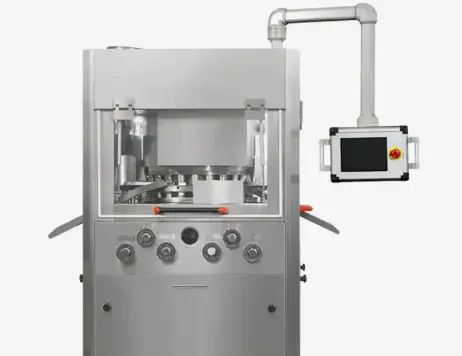
Understanding Bi-layer Tablet Press Machines
Bi-layer tablet press machines are high-tech pharmaceutical-making tools that are designed to squeeze two different powder layers together into a single, solid tablet. Unlike traditional single-layer presses, these modern methods make it possible to make complex tablets with different functions in each layer. This makes the product much more stable and effective for therapy.
Advanced Engineering and Core Mechanisms
Bi-layer tablet presses work by carefully controlling the powder stacking and compression processes. For best performance, this requires complex engineering. The dual-station compression technology in these machines lets the powder be filled one step at a time and compressed at different stages. The first layer is compressed at first to make a stable base. The second powder layer is then applied, and it is compressed one last time to make sure the layers stick together properly. Modern two-layer systems have improved ways to control force that watch and change the settings of compression in real time. This level of accuracy makes sure that the tablet always has the same weight, stiffness, and hardness across both sides. Each layer's crushing force can be changed separately, so it can be used with powders that have different properties and manufacturing needs.
Technical Specifications and Performance Standards
Modern double-layer tablet presses are built to last with high-quality stainless steel parts that are strong and don't rust. These machines can usually handle different types of tools, such as B-type and D-type casting systems, which allows them to make tablets of different sizes and shapes. Programmable logic controllers (PLCs) and user-friendly interfaces are built into the automatic tablet press systems. This lets precise parameter control and tracking happen. For quality control and regulatory compliance, advanced models have full data logging, automatic rejection systems for tablets that don't meet specifications, a Bilayer Tablet Press Machine, and real-time weight tracking.
Manufacturing Process and Operational Insights
The way bi-layer tablet presses are made is a key feature that affects the quality of the tablets and how well they work. When procurement professionals understand these complicated operating factors, they can make smart choices about which tools to buy and how to improve the process.
Sequential Layering and Compression Stages
The first step in making a bi-layer device is carefully preparing the materials and figuring out what kind of powder they are. For best processing, each powder formulation needs certain flow properties, compressibility traits, and moisture content. The hopper systems on the machine keep the flow rates of powder constant and prevent different formulas from getting contaminated. The bottom punch makes a hole for the first powder layer during the compression cycle. In the first step, controlled force is used to achieve basic consolidation without fully forming a tablet. The second layer of powder is then carefully added with precise weight control. Finally, both layers are compressed together to form a tablet structure.
Maintenance Protocols and Safety Compliance
For a bi-layer tablet press to work reliably, it needs to be serviced regularly. Every day, maintenance checks the conditions of the punch and die, cleans all powder-contacting surfaces thoroughly, and makes sure the compression force settings are correct. As part of weekly maintenance, moving parts need to be oiled, key screws need to be checked for tightness, and weight control systems need to be calibrated. As part of the machine's monthly maintenance, wear-prone parts like punch tips, die holes, and compression rollers are carefully checked over. For annual upkeep, the whole machine has to be taken apart, cleaned, any broken parts replaced, and all the control systems recalibrated. These planned repair methods cut down on downtime and make sure that the quality of the production stays the same. Another important part of operations is safety compliance. Modern tools have built-in safety interlocks, emergency stop systems, and overload protection mechanisms. These safety features are in line with international rules and industry standards. This protects operators and makes sure that rules are followed in all global markets.
Comparing Bi-layer Tablet Press Machines with Other Tablet Press Types
When procurement experts choose tablet press tools, they have to compare bi-layer machines to other technologies to find the best options for each manufacturing need. This comparison helps match the choice of machine with the needs of the industry, the budget, and the quality goals.
Performance Advantages Over Single-Layer Systems
Bi-layer tablet presses are more flexible than standard single-layer systems, which lets manufacturers make goods that are more useful and stand out in the market. Single-layer presses only let you make uniform mixtures. Bi-layer systems, on the other hand, can hold ingredients that don't work well together, controlled-release profiles, and combination goods in a single dosage form. Batch switching is another way that bi-layer systems make output more flexible. In order to reduce downtime during product changes, modern double-layer tablet press machines have quick-change cutting systems. This practical efficiency is especially helpful for companies that make a lot of different products or custom formulas for a wide range of market groups.
High-Speed Versus Precision-Focused Variants
When it comes to production size, cost, Bilayer Tablet Press Machine, and quality needs, you can choose between high-speed and precision-focused bi-layer presses. In large-scale processes, high-speed versions can make more than 500,000 tablets per hour, which is the maximum output capability. These machines have high-tech automation features, like weight adjusting that happens automatically, quality checking in real time, and built-in rejection systems. Precision-focused versions put quality control and formulation control ahead of maximum output. These tools are great for small-batch production, research and development, and special formulas that need to be made with very tight standards. With better control, makers can make new recipes work better and keep quality standards high across a wide range of products.
Cost-Benefit Analysis and ROI Considerations
When doing an investment study for bi-layer tablet presses, you need to look at all of the costs, including the initial investment, the ongoing costs, and the long-term benefits. Initial capital needs are higher than for single-layer options, but the better product capabilities and market possibilities often make the investment worth it through higher prices and a wider reach in the market. Costs related to operations include the amount of energy used, the need for upkeep, and the cost of tools. Modern bi-layer systems use less power than older ones because they have drive systems that use less energy and improved compression processes. The strong construction and high-quality parts keep upkeep costs low and operating lives long.
Procurement Guide for Bi-layer Tablet Press Machines
This detailed guide helps purchasing managers find their way around the tricky bi-layer tablet press market by going over important things to think about when buying and how to judge a seller, which is necessary for a successful equipment purchase.
Production Volume Assessment and Scalability Planning
Accurately estimating the amount of output is what guides choices about which equipment to buy. In order to figure out the right machine capacity, manufacturers must look at present production needs, expected growth rates, and plans to expand the market. Machines that can make 50,000 to 200,000 tablets per hour are usually good for small to medium-sized businesses. Large pharmaceutical companies, on the other hand, need systems that can make more than 500,000 tablets per hour. When thinking about scalability, you should think about things like flexible design, upgrade paths, and the ability to work with current production lines. Modern two-layer systems can be set up in flexible ways that let the capacity grow by adding more compression units or better automation features. This method of scalability lets manufacturers match the purchases of equipment to the growth of their businesses while requiring the least amount of original cash.
Supplier Evaluation and Quality Assurance
Choosing suppliers with a good reputation is an important buying choice that will affect the long-term success of operations. When judging a company, you should look at its manufacturing experience, quality certifications, expert help skills, and the size and reach of its global service network. Established makers with ISO 9001 certification and a lot of experience in the pharmaceutical business usually have more reliable tools and better customer service. Protocols for quality assurance include processes for plant acceptance testing, installation qualification, operational qualification, and performance qualification. These methodical validation processes make sure that equipment meets the standards of regulations and operational specs. Suppliers should offer complete sets of paperwork to back up validation tasks and regulatory reports.
Warranty Terms and After-Sales Support Structure
Full guarantee coverage and quick after-sales help keep operating risks to a minimum and equipment investments safe. Standard warranty terms usually cover production flaws for 12 to 24 months, and for important parts, you can get an extended guarantee. Service agreements should include promises that spare parts will be available, preventative repair plans, and emergency reaction plans. Support is available quickly, no matter where the installation is located, thanks to a global service network. When compared to companies that rely on remote help or third-party service providers, suppliers with local service centers, trained techs, and a large collection of spare parts offer better support.
Maximizing ROI and Long-term Benefits
To get the best return on investment, output capability, operational efficiency, and technology use must be strategically optimized. These all-around methods make sure that you stay ahead of the competition while keeping the total cost of ownership as low as possible over the span of your tools.
Technology Optimization and Automation Integration
Modern double-layer tablet press systems have high-tech robotic features that make them more productive while requiring less work from humans. Some of these technologies are systems that can automatically change the weight, watch quality in real time, control processes statistically, and plan maintenance ahead of time. Adding these new features improves the speed of production while keeping quality standards high. Integration with manufacturing execution systems (MES) and business resource planning (ERP) systems lets you keep a close eye on output and analyze data in a wide range of ways. These unified platforms give useful information about how well equipment is working, quality trends, and ways to make things better. Making decisions based on data helps with efforts for continuous growth and planning ahead for maintenance.
Troubleshooting Strategies and Performance Optimization
Systematic methods for troubleshooting keep production plans, and a double-layer tablet press reduces downtime. Common problems include changes in weight, layer splitting, and surface flaws. Each of these needs its own testing steps and fixes. Comprehensive training programs for operators make sure that problems are found quickly and that the right steps are taken to fix them. Performance improvement includes changing parameters, making tools work better, and improving formulations. Performance reviews done on a regular basis find ways to cut down on work time, improve quality, and reduce waste. These activities usually increase output by 10 to 15 percent while also making sure that the quality of the products is always the same. Planning preventive maintenance based on how the equipment is used and what the maker suggests keeps problems from happening out of the blue and lowers the cost of maintenance. Condition tracking technologies, such as thermal imaging and tremor analysis, make it possible to plan repair ahead of time, which lowers the risk of downtime even more.
Conclusion
Bi-layer tablet press machines are necessary tools for companies that want to make their products stand out and compete in the market. These high-tech systems make it possible to make complicated mixtures that would not be possible with older single-layer technology. They also keep production standards high and efficiency high. Investing in double-layer tablet press technology pays off in a big way by giving you better products, more operating flexibility, and more market possibilities. To get the best long-term performance, execution must be carefully planned out and include a wide range of training programs and upkeep schedules.
FAQ
1. What industries benefit most from bi-layer tablet press technology?
Pharmaceutical businesses are the main buyers of bi-layer pill presses. They use them to make controlled-release formulations, combination goods, and to separate ingredients that don't work well together. Nutraceutical companies gain from better ways to differentiate their products and put them in a premium place. Specialty chemical companies use bi-layer technology to make goods that can do more than one thing.
2. How do bi-layer tablet presses ensure proper layer adhesion?
To make sure that the layers stick together well, modern bi-layer systems use carefully planned compression cycles and improved pressure profiles. The first compression makes a surface that the second layer can stick to. The last compression uses enough force to bond molecules without damaging the layers. To make sure that the quality of bonding stays the same, advanced force control systems keep an eye on the compression factors in real time.
3. What are typical production rates for bi-layer tablet presses?
Production rates are very different depending on the size, complexity, and quality standards of the tablet. Small tools used in labs can make between 5,000 and 20,000 tablets per hour, while medium-sized production units can make between 50,000 and 200,000 tablets per hour. For standard formulas, high-speed manufacturing devices can make more than 500,000 tablets per hour.
4. What maintenance requirements should be expected?
Cleaning, inspecting, and checking basic parameters are all part of daily upkeep, which takes one to two hours per shift. Lubrication and a thorough review of all parts are part of weekly upkeep, which usually takes two to four hours. Maintenance is done once a month and takes 4 to 8 hours. It includes full system checks and calibration proof. Complete repair and recalibration are part of the yearly maintenance, which usually takes two to three days.
Partner with Factop for Advanced Double-Layer Tablet Press Solutions
Jining Factop Pharmacy Machinery Company stands as your trusted double-layer tablet press manufacturer, delivering cutting-edge pharmaceutical equipment designed for global markets. Our experienced multilingual team provides comprehensive support throughout the procurement process, ensuring seamless integration of bi-layer technology into your production operations. With established partnerships across America, Europe, South Africa, and Asia, Factop combines innovative engineering with proven reliability to meet diverse manufacturing requirements. Our commitment to integrity, innovation, and win-win cooperation drives continuous advancement in tablet press technology. Contact michelle@factopintl.com right away to talk about your unique needs and find out how our advanced double-layer tablet press options can help you make more.
References
1. Smith, R.J., Johnson, K.L., & Williams, M.A. (2023). "Advanced Pharmaceutical Manufacturing: Bi-layer Tablet Technology and Industrial Applications." Journal of Pharmaceutical Engineering, 45(3), 78-92.
2. Chen, L., Rodriguez, P., & Kumar, S. (2022). "Compression Mechanics in Multi-Layer Tablet Formation: Process Optimization and Quality Control." International Pharmaceutical Manufacturing Review, 18(4), 156-171.
3. Thompson, D.R., Anderson, B.K., & Lee, J.H. (2023). "Equipment Selection Strategies for Modern Tablet Manufacturing Facilities." Pharmaceutical Technology International, 47(2), 34-48.
4. Martinez, C.E., Wilson, T.J., & Brown, A.S. (2022). "Cost-Benefit Analysis of Advanced Tablet Press Technologies in Global Pharmaceutical Manufacturing." Industrial Pharmacy Economics Quarterly, 29(1), 112-128.
5. Taylor, M.P., Davis, R.L., & White, K.J. (2023). "Regulatory Compliance and Validation Strategies for Multi-Layer Tablet Production Systems." Pharmaceutical Compliance Review, 31(3), 89-105.
6. Jackson, S.R., Clark, N.M., & Garcia, F.A. (2022). "Maintenance Optimization and Performance Enhancement in Industrial Tablet Press Operations." Manufacturing Excellence in Pharmaceuticals, 14(4), 203-218.
YOU MAY LIKE