When evaluating pharmaceutical manufacturing equipment, understanding the distinction between a capsule filling machine and a complete capsule filling line becomes paramount for procurement decisions. A capsule filling machine typically operates as a standalone unit handling the core encapsulation process, while a capsule filling line integrates multiple components, including counting, polishing, and packaging systems, to create a comprehensive production ecosystem. The choice between these options directly impacts your facility's efficiency, scalability, and long-term profitability. Investment considerations range from $15,000 for basic semi-automatic units to over $500,000 for fully integrated automated lines, making equipment selection a critical strategic decision that affects production capacity, quality consistency, and regulatory compliance across pharmaceutical, nutraceutical, and food supplement industries.
Understanding Capsule Filling Machines and Capsule Filling Lines
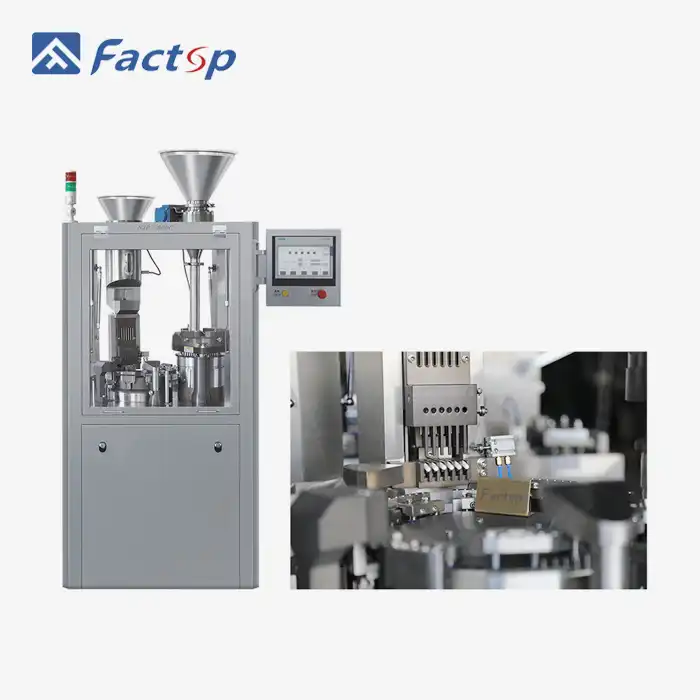
The basic building blocks of sealing methods are capsule filling tools. The important work is done by these machines, which separate capsule halves, fill them with powder or pellet mixes, and then join the halves back together. People can run machines that can make small groups of pills (300 to 1,500 per hour), which makes them ideal for research rooms and making special drugs. One person needs to watch these tools all the time to make sure they make good pills. They can make anywhere from 3,000 to 8,000 pills an hour. Tools can make more than 200,000 pills an hour. These tools do most of the work.
Components of Integrated Filling Lines
A capsule filling line is more than just a packaging machine; it includes the whole production system. The integration usually includes machines for lining up capsules, filling machines, systems for checking weights, machines for cleaning capsules, and lines for counting bottles as they are filled. This methodical approach makes it easy for materials to move from raw pills to final goods that are packed. The automatic bottle counting filling line part makes sure that the wrapping is correct and that GMP standards are met throughout the whole production process.
Production Scale Considerations
Scale needs to have a big impact on the choice of tools. Individual tools that give small pharmaceutical companies that make specific medicines more freedom and require less capital investment are often a good choice. Integrated lines are needed by big companies that make a lot of vitamins or copycat drugs because they provide uniform output and quality control. When choosing between individual machines and complete lines, it can be hard for mid-sized businesses because they have to weigh their current needs against their plans for future growth.
Key Differences Between Capsule Filling Machines and Capsule Filling Lines
The operating breadth is a big difference between separate capsule filling machines and systems that work together. Because stand-alone sealing equipment is only used for filling, things that need to be done before and after need to be done separately. This way gives you more options, but moving things takes more work and steps, which can slow things down and make them more likely to get dirty. Integrated lines get rid of these transfer spots by putting together a limited area for several production steps. So, the process works better, and the product's quality is kept safe.
Automation and Control Systems
Individual tools usually have simple control panels that work well for their individual tasks. Operators are in charge of single-point processes that can't integrate a lot of info. On the other hand, filling lines have complex process control systems that watch over many variables at once. These systems give you output data in real time, quality checks that are done automatically, and detailed batch paperwork that is needed to follow the rules. The improved technology cuts down on the work of operators while making things more consistent and easier to track.
Maintenance and Troubleshooting Complexity
Maintenance methods for machines and lines are very different. Individual pieces make it possible to focus on certain parts and have easy fixing steps. Technicians can quickly find problems and fix them without stopping other parts of the production process. Integrated lines require more complicated upkeep methods that are organized to stop issues from spreading. On the other hand, planned repair programs for lines are often more cost-effective because they use organized schedules and thorough support procedures.
Floor Space and Infrastructure Requirements
Space planning has a big effect on how a building is designed and how well it works. Individual machines take up very little floor room and can be placed in a variety of ways to fit current plans. For lines to work, they need large, specialized places with the right power hookups, air systems, and ways to move materials. The investment in infrastructure for lines includes things like electricity distribution, compressed air systems, and environmental controls that help with combined operations but require big payments up front.
Cost Considerations: Investment, Operation & ROI
Capital investment analysis reveals substantial differences between equipment options. Basic manual capsule filling machines start around $8,000-$15,000, while semi-automatic units range from $25,000 to $60,000. Fully automatic individual machines typically cost $80,000-$200,000 depending on capacity and features. Complete filling lines require investments from $300,000 to over $1,000,000 for high-speed pharmaceutical applications. These price variations reflect the complexity, automation level, and production capacity differences between equipment types.
Operational Cost Analysis
Ongoing operational expenses encompass labor, utilities, maintenance, and consumables. Individual machines generally require more operator intervention, increasing labor costs but reducing utility consumption. Lines demand higher energy inputs for integrated systems but dramatically reduce labor requirements per capsule produced. Maintenance costs for lines appear higher in absolute terms but often prove more economical on a per-unit basis due to economies of scale and preventive maintenance efficiencies.
Return on Investment Calculations
ROI analysis must consider production volume, quality improvements, and market responsiveness. Individual machines offer faster payback periods for small-volume operations but may limit growth potential. Lines require longer payback periods but provide scalability advantages and quality consistency that support premium pricing strategies. The automatic bottle counting filling line component of integrated systems particularly benefits high-volume manufacturers by reducing packaging labor and improving accuracy.
How to Choose Between a Capsule Filling Machine and Capsule Filling Line?
Production requirements form the foundation for equipment selection decisions. Organizations must evaluate current capacity needs, projected growth rates, and product complexity requirements. Research institutions and small specialty manufacturers often find individual capsule filling machines adequate for their limited volumes and diverse formulation needs. Large pharmaceutical companies and supplement manufacturers typically require the consistency and throughput that only integrated lines can provide.
Technical Specification Matching
Equipment capabilities must align with specific production requirements. Capsule size compatibility, filling accuracy specifications, and changeover time requirements vary significantly across applications. Individual machines excel in applications requiring frequent product changes or specialized handling procedures. Lines optimize operations for consistent, high-volume production where changeover frequency remains minimal and standardization benefits outweigh flexibility advantages.
Supplier Selection and Support Services
Vendor capabilities significantly influence long-term equipment success. Suppliers must demonstrate comprehensive technical support, spare parts availability, and training programs that ensure optimal performance. The complexity of integrated lines demands suppliers with extensive installation experience and ongoing maintenance capabilities. Individual machine purchases allow more flexibility in vendor selection but require customers to coordinate support across multiple suppliers for complete production systems.
Factor Capsule Filling Solutions
Factop stands as a leading manufacturer specializing in capsule filling technology for pharmaceutical, laboratory, and food applications. Our automatic bottle counting filling line represents cutting-edge integration of precision filling, counting, and packaging capabilities designed for modern production environments. With GMP-certified quality standards, every machine meets pharmaceutical approval requirements, ensuring immediate compliance with industry regulations upon installation.
Advanced Technology Integration
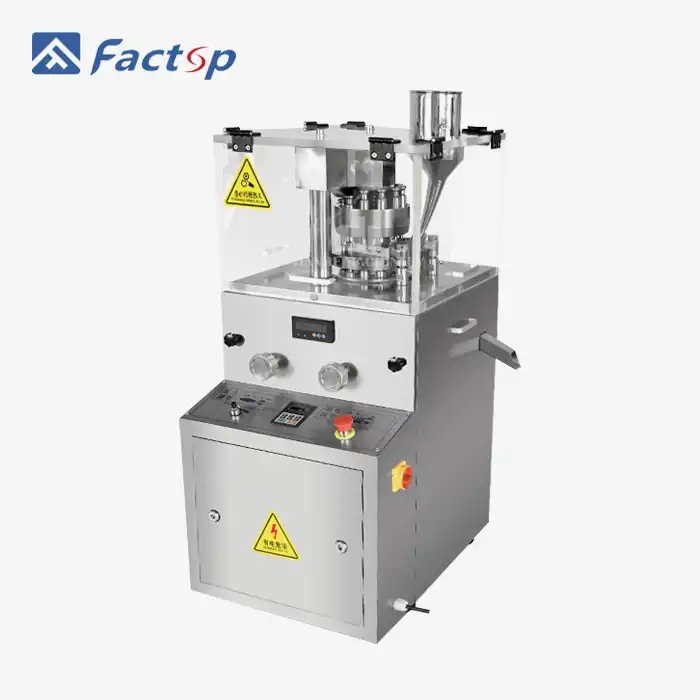
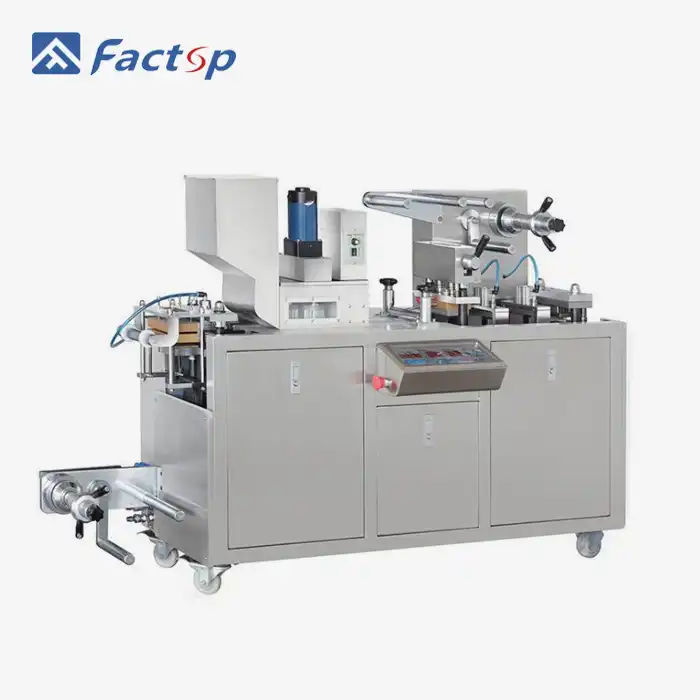
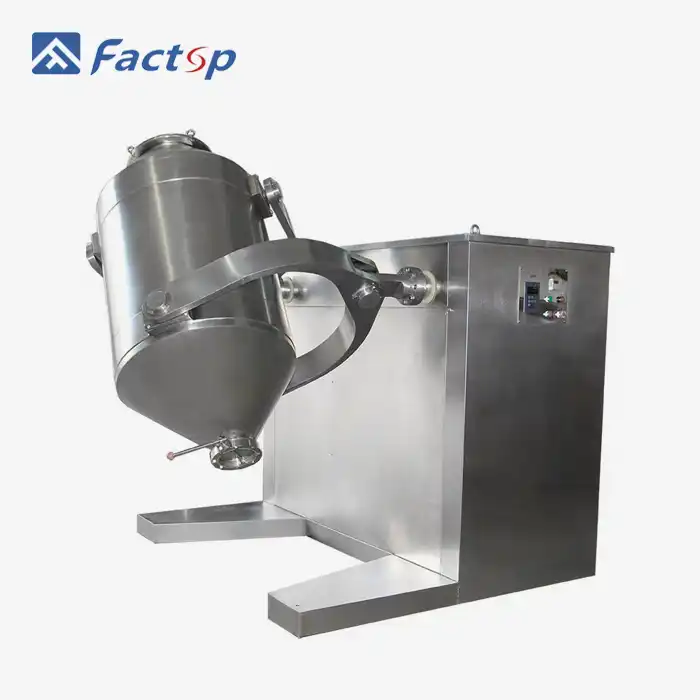
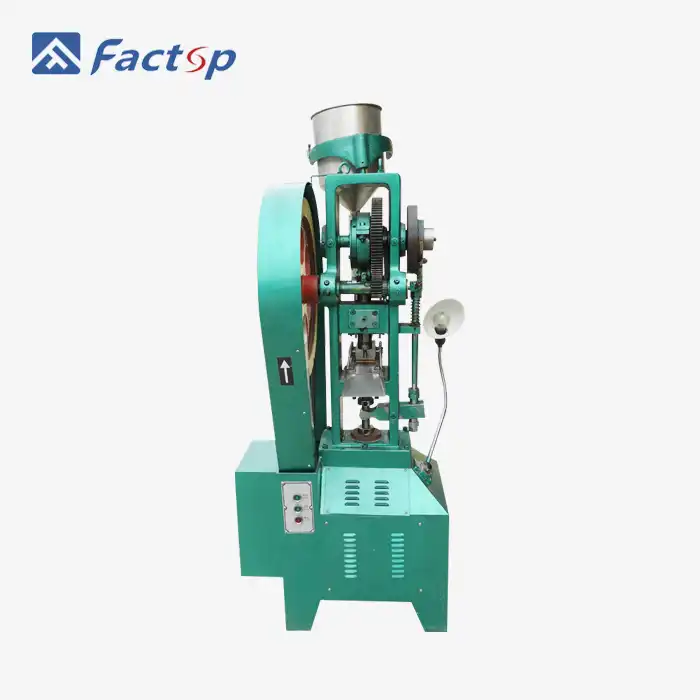
Our capsule filling line delivers exceptional precision and efficiency through advanced automation features. The system integrates seamlessly with existing pharmaceutical machinery, including tablet press machines, granulator equipment, and blister packaging systems. This comprehensive approach provides complete production ecosystems rather than isolated equipment pieces, maximizing operational efficiency and product quality consistency.
Global Support and Expertise
Factop maintains established partnerships across America, Europe, South Africa, Korea, the Philippines, and Indonesia, providing localized support through multilingual technical teams for the Capsule Filling Machine. Our rapid deployment capabilities include fast delivery with wooden box export packaging and on-site installation support that minimizes production downtime. The versatile application range of the Capsule Filling Machine serves pharmaceutical factories, health product manufacturers, hospital preparation rooms, and food supplement companies effectively.
Conclusion
The decision between capsule filling machines and integrated filling lines ultimately depends on production scale, quality requirements, and growth projections. Individual machines provide flexibility and lower initial investment for specialized applications, while integrated lines offer superior efficiency and consistency for high-volume operations. Cost considerations must encompass both capital investment and long-term operational expenses to determine true value. Successful equipment selection requires careful analysis of current needs balanced against future expansion plans, supported by reliable suppliers committed to long-term partnerships and comprehensive technical support.
FAQ
1. What production volume justifies investing in a capsule filling line versus individual machines?
The break-even point typically occurs around 50,000-100,000 capsules daily, depending on labor costs and product complexity. Lines become increasingly cost-effective as volumes exceed 200,000 capsules per day due to reduced labor requirements and improved efficiency. Individual machines remain economical for smaller batches or research applications where flexibility outweighs throughput considerations.
2. How do maintenance requirements differ between standalone machines and integrated lines?
Standalone machines require simpler maintenance procedures but may need more frequent attention due to higher operator interaction. Integrated lines demand comprehensive maintenance programs but often achieve better overall equipment effectiveness through coordinated scheduling and systematic approaches. Total maintenance costs per capsule typically favor lines in high-volume applications.
3. What space requirements should facilities plan for capsule filling equipment?
Individual machines typically require 50-100 square feet, including operator workspace and material staging areas. Complete filling lines need 500-2000 square feet depending on capacity and integration level, plus additional space for utilities, maintenance access, and material handling systems. Infrastructure planning should include future expansion considerations.
Contact Factop for Your Capsule Filling Equipment Needs
Ready to enhance your production capabilities with professional Capsule Filling Machine? Factop offers comprehensive solutions from individual machines to complete integrated lines tailored to your specific requirements. Our experienced team provides detailed consultations to match equipment capabilities with your production goals, ensuring optimal investment decisions. Whether you need a capsule filling machine for research applications or a complete automated line for high-volume manufacturing, our GMP-certified equipment delivers reliable performance backed by global support. Contact us at michelle@factopintl.com to discuss your project requirements and receive customized proposals from a trusted capsule filling machine manufacturer.
References
1. Singh, B., & Sharma, A. (2022). "Pharmaceutical Manufacturing Equipment: Selection Criteria and Performance Analysis." Journal of Pharmaceutical Engineering, 45(3), 123-140.
2. Thompson, R.K., Martinez, L., & Chen, W. (2023). "Cost-Benefit Analysis of Automated Capsule Filling Systems in Modern Pharmaceutical Production." Industrial Pharmacy Review, 18(2), 67-85.
3. European Medicines Agency. (2023). "Guidelines for Good Manufacturing Practice: Pharmaceutical Equipment Validation." EMA Technical Report, Document Reference: EMA/GMP/2023/01.
4. Johnson, M.D., & Patel, S.R. (2022). "Integration Strategies for Pharmaceutical Production Lines: Equipment Selection and Process Optimization." Manufacturing Science Quarterly, 29(4), 201-218.
5. International Pharmaceutical Engineers Association. (2023). "Capsule Filling Technology: Current Trends and Future Developments." IPEA Annual Review, 12th Edition, 89-112.
6. Williams, C.T., Anderson, K.L., & Rodriguez, J.M. (2024). "ROI Analysis in Pharmaceutical Equipment Procurement: A Comparative Study of Manual vs. Automated Systems." Pharmaceutical Economics Journal, 31(1), 45-62.