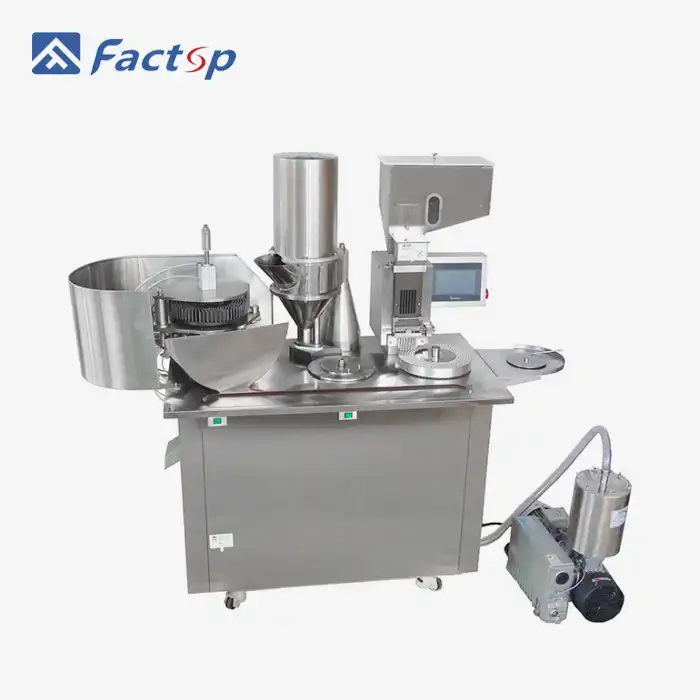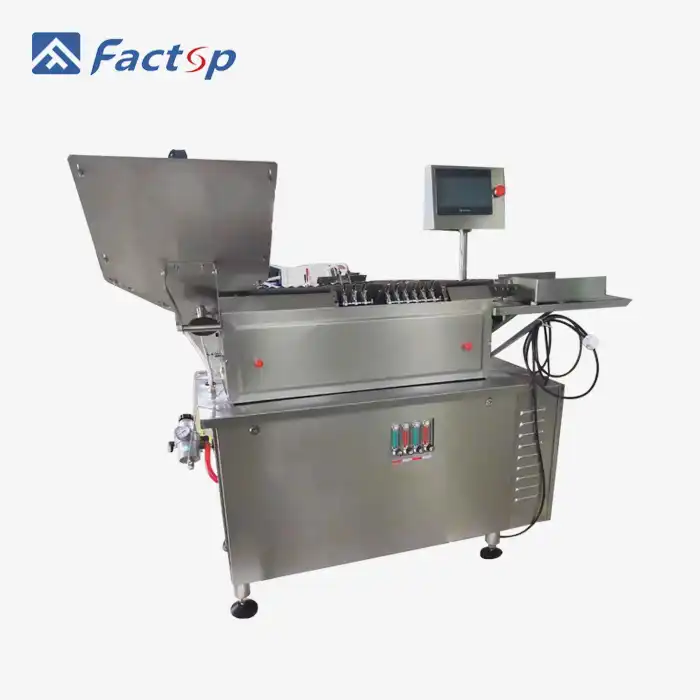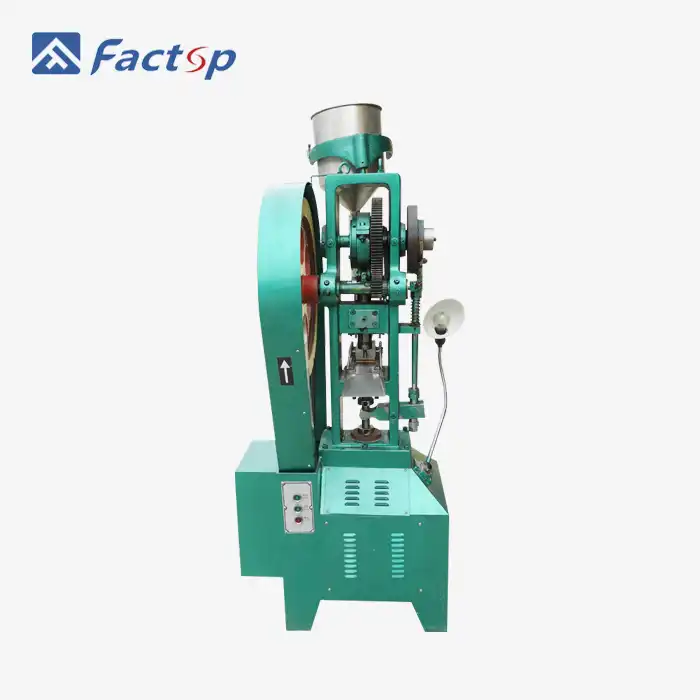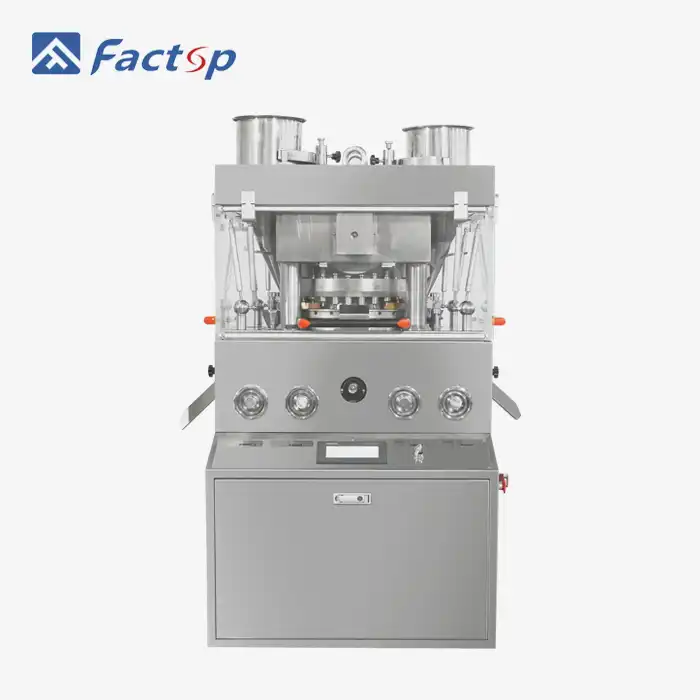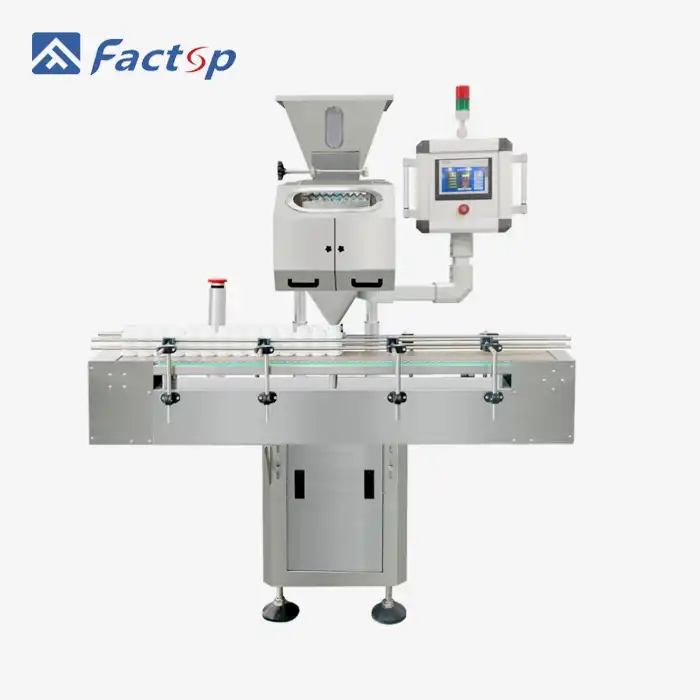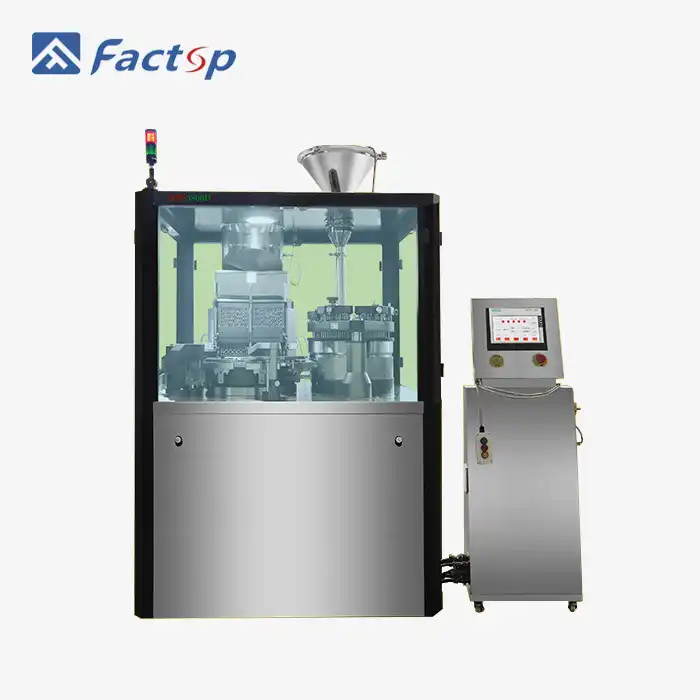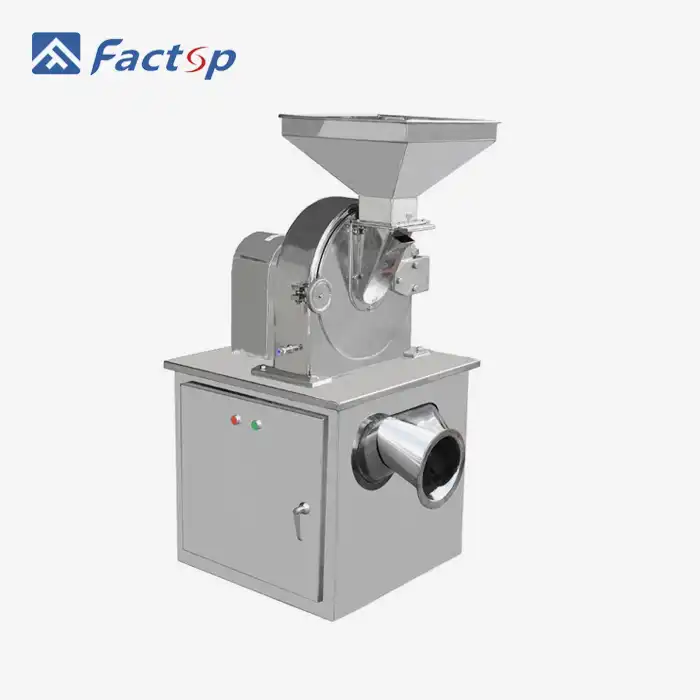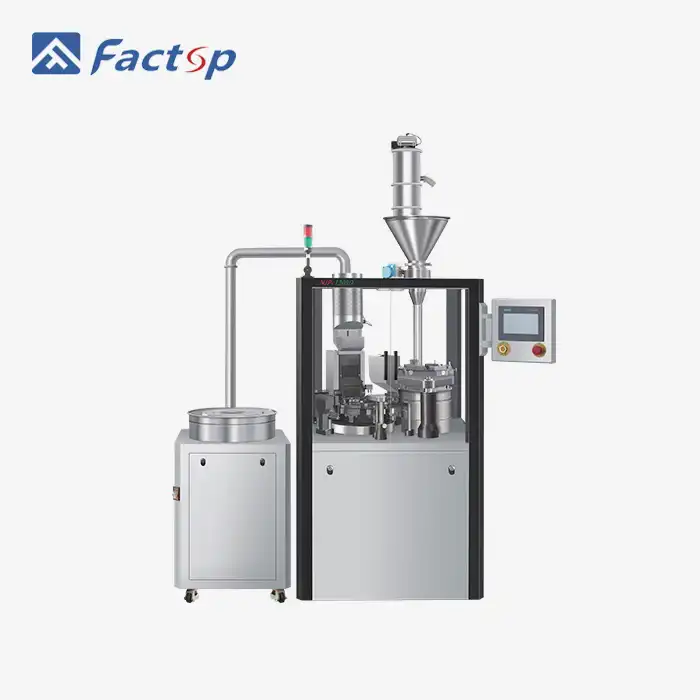
When shopping for a small tablet press machine for medical uses, you should think about price, quality, and how well it works. These days, tiny tablet presses can make accurate goods and are still cheap enough for small businesses, research labs, and growing drug companies. When you use these tools, you can regularly make pills from a lot of different recipes, like traditional drugs and health supplements. These tools are important in the pharmacy business of today, which is very competitive. When hiring workers know what they are and how they can help a business, they can make decisions that help the company meet its short-term goals and grow in the long term.
Understanding Small Tablet Press Machines: Features and Operating Principles
Highly advanced engineering goes into making compact tablet compression equipment that uses controlled pressure to turn powdered formulas into uniform tablets. These machines use basic compression principles along with new technologies that make sure the quality of the output is always the same and the machines are always reliable.
Core Components and Design Architecture
Precision-engineered hoppers for feeding materials, hardened steel dies for forming tablets, upper and lower punches for applying compression force, and release mechanisms for removing final products are the most important parts of these pharmaceutical-making machines. Each part goes through a lot of quality checks to make sure it fits correctly and will last for a long time when it's constantly being used.
Modern small-scale tablet presses are made up of separate parts that can be easily replaced and fixed. The hopper systems have anti-bridging features that keep the flow of powder even, and the die and punch parts use advanced metals to keep them from wearing out and keep the tablet specs over long production runs.
Operating Principles and Process Control
There are three separate steps in the tablet compression process that must be carefully coordinated for the best results. If you use gravity or force, powder mixtures can move from the hopper into the die hole during the filling step. During the compression phase, the upper punch moves and applies controlled pressure. This makes chemical bonds within the powder structure. During the discharge phase, the made tablet is taken out, and the die is set up for the next turn.
To keep quality standards constant, advanced control systems keep an eye on important factors like release force, difference in tablet weight, and compression force. These systems change their settings naturally to account for changes in the climate and the properties of the materials being used, making sure that solid production results are achieved.
Safety Mechanisms and Operator Protection
Modern equipment for compressing tablets has many safety features that are meant to keep workers safe while keeping production going smoothly. Emergency stop devices let you turn off the machine right away, and interlocking safety guards keep people from getting to moving parts while the machine is running. Overload safety systems keep things safe by stopping too much compression force that could damage tools or make places dangerous.
Benefits of Using Small Tablet Press Machines in Pharmaceutical Applications
Pharmaceutical companies are becoming more and more aware of the strategic benefits that small pill pressing equipment, such as the Small Tablet Press Machine, offers in a variety of production situations. These perks aren't just lower costs; they also include more operating freedom, better quality, and easier compliance with regulations.
Cost Efficiency and Space Optimization
Pharmaceutical companies that want to get the most out of their capital investments should look into small-scale pill-crushing tools. Because they cost less to buy at first than big production lines, smart tablet manufacturing is open to smaller businesses and research centers. The costs of running the business stay low because it needs less maintenance and energy.
One more big benefit is that more rooms can be used, which is great for homes with limited floor space. These small groups don't need any big changes to the buildings or extra money to be spent on infrastructure. They can work with the way things are made now. There are a lot of models that can be moved around and set up in different ways as your production needs change.
Production Versatility and Formulation Flexibility
In today's world, small tablet presses can easily switch between different medicinal formulas and tablet shapes. The machinery can handle different types of powder, from straight compression mixes to granulated formulas. This means that makers can use the same machinery to make more than one product line.
Manufacturers can make small amounts of products for clinical studies, unique medicines, or market testing at a low cost when they can change the batch size. This feature is especially useful for contract manufacturers who work with many clients whose needs change in terms of production rate and product specs.
Quality Consistency and Regulatory Compliance
Precision engineering makes sure that tablets have the same weight, toughness, and size, which is required by strict pharmaceutical standards. Modern tracking systems give accurate quality data in real time, which helps with statistical process control projects and meeting the requirements for legal paperwork.
Because of how the tools are made, it is easier to follow the strict cleaning and sanitizing steps needed for medical uses. Surfaces that are smooth, parts that are easy to get to, and few cracks all help to make sure that Good Manufacturing Practices are followed. Cross-contamination between product runs is also less likely with these traits.
Comparison and Decision-Making: Choosing the Right Small Tablet Press Machine
There are a lot of things to think about when picking the best tablet compression tools, including a small tablet press machine. These things should affect both your short-term work needs and your long-term strategy goals. It's smart to know the differences between the different kinds of machines, such as a small tablet press machine, and how they are set up before you buy one.
Production Capacity and Throughput Considerations
Small tools are handy these days, and they don't take up much room. The ZP-7B model shows how this works. There are a lot of different ways to use it, from small study groups to big business groups. It can make up to 13,000 pieces an hour. The 2.2 kW source has a lot of power that can damage things.
Thought about when people want something the most, when you might need to change things, and when you might need to grow before you start making it. If a company has tools that work well at different stages of production, they don't need to spend a lot of money on too-big machines. They can do what they want now.
Automation Levels and Operator Requirements
The amount of technology in equipment has a big effect on how efficiently operations run and how many workers are needed. Manual processes give you the most freedom and the lowest start-up costs, but they need skilled workers to get regular results. Semi-automatic systems combine the need for human input with mechanical accuracy, and fully automatic equipment reduces the amount of work that needs to be done while increasing regularity.
The easy-to-use controls on current small presses mean that workers can get good at them quickly with little training. Control systems that are easy to use, have clear screens, and follow logical steps make production processes more efficient and reduce the chance of user mistakes.
Electrical Requirements and Installation Flexibility
Power system connectivity is an important thing to think about when buying things and making installations abroad. When you put equipment that comes in different voltages, like 110V, 220V, and 380V, you can use it in a variety of building electrical systems without having to make expensive changes to the power.
This electricity flexibility is especially useful for businesses that have more than one place or are thinking about moving their equipment. The ability to work well with different power situations guarantees steady performance no matter where the installation is located.
Procurement Guide: How to Buy Affordable Small Tablet Press Machines?
Successful procurement of tablet compression equipment, including the Small Tablet Press Machine, requires systematic evaluation of suppliers, equipment specifications, and support services. Understanding the procurement process helps buyers secure optimal equipment solutions while avoiding common purchasing pitfalls.
Supplier Evaluation and Quality Assurance
Reputable manufacturers provide comprehensive documentation, including CE certification, GMP compliance, and ISO9001 quality system registration. These certifications demonstrate adherence to international quality standards and regulatory requirements essential for pharmaceutical applications. Verification of supplier credentials and manufacturing capabilities ensures long-term equipment reliability and support availability.
Quality assurance extends beyond initial certifications to encompass ongoing supplier performance and customer satisfaction records. Established manufacturers with proven track records in pharmaceutical equipment provide greater confidence in equipment performance and support service quality.
New Equipment Advantages and Support Services
New equipment purchases provide maximum warranty coverage, the latest technological features, and complete documentation packages. Comprehensive support services, including installation guidance, operator training, and technical documentation, ensure successful equipment implementation and optimal performance achievement.
Professional installation support and commissioning services help buyers achieve operational readiness quickly while ensuring proper equipment setup. Technical training programs enable operators to maximize equipment capabilities while maintaining quality standards and safety protocols.
International Shipping and Documentation
Export packaging using protective wooden boxes ensures equipment arrives in optimal condition regardless of shipping distances or handling conditions. Proper packaging prevents damage during transportation while facilitating customs clearance and delivery scheduling.
Complete documentation packages, including FAT testing reports, certification documents, and operating manuals, support customs processing and internal quality systems. These documents provide essential information for equipment validation and regulatory compliance verification.
Conclusion
Affordable small tablet press machines provide pharmaceutical manufacturers with cost-effective solutions for precision tablet production across diverse applications. Modern compact equipment delivers impressive production capabilities while maintaining quality standards essential for pharmaceutical operations. The combination of advanced engineering, user-friendly operation, and comprehensive support services makes these machines valuable investments for companies seeking reliable tablet manufacturing capabilities. Careful evaluation of equipment specifications, supplier credentials, and support services ensures successful procurement decisions that support long-term operational success.
FAQ
1. What production capacity can I expect from compact tablet pressing equipment?
Modern small tablet press machines typically produce between 5,000 and 15,000 tablets per hour, depending on tablet size, formulation characteristics, and machine specifications. The ZP-7B model achieves a maximum output of 13,000 pieces per hour while maintaining consistent quality standards. Production rates vary based on compression requirements and material properties.
2. What maintenance requirements should I expect for these machines?
Regular maintenance includes daily cleaning procedures, weekly lubrication schedules, and monthly inspection protocols. Quality manufacturers provide detailed maintenance manuals with specific schedules and procedures. Proper maintenance ensures optimal performance, extends equipment lifespan, and maintains regulatory compliance. Most routine maintenance tasks require minimal time and standard tools.
3. What safety features are essential for pharmaceutical tablet press operations?
Critical safety features include emergency stop systems, interlocked safety guards, overload protection mechanisms, and operator training requirements. Modern equipment incorporates multiple safety layers, including pressure monitoring, automatic shutdown systems, and clear operational indicators. Proper training and adherence to safety protocols ensure safe operation and regulatory compliance.
4. How do I ensure regulatory compliance when purchasing tablet press equipment?
Equipment should include CE certification, GMP compliance documentation, and relevant quality certifications. Verify supplier credentials and request complete documentation packages, including FAT testing reports and validation protocols. Quality manufacturers provide comprehensive documentation supporting regulatory compliance and equipment validation requirements.
Partner with Factop for Your Small Tablet Press Machine Needs
Factop combines manufacturing excellence with comprehensive customer support to deliver optimal tablet pressing solutions for pharmaceutical applications. Our experienced team provides personalized consultation services, helping you select equipment that matches your specific production requirements and budget considerations. Contact our technical specialists at michelle@factopintl.com for detailed product information, customized quotations, and equipment demonstrations. As a trusted Small Tablet Press Machine supplier, we offer complete support from initial consultation through ongoing technical assistance, ensuring your investment delivers maximum value and operational success.
References
1. Smith, J.A., and Johnson, M.R. "Pharmaceutical Tablet Press Technology: Modern Applications and Quality Control." International Journal of Pharmaceutical Manufacturing, 2023.
2. Chen, L., Wang, K., and Thompson, D. "Cost-Effective Tablet Manufacturing Solutions for Small and Medium Pharmaceutical Companies." Pharmaceutical Engineering Review, 2023.
3. Rodriguez, P.M., and Anderson, S.K. "Regulatory Compliance in Pharmaceutical Equipment Procurement: A Comprehensive Guide." Journal of Pharmaceutical Compliance, 2023.
4. Williams, R.T., Brown, A.L., and Davis, C.H. "Quality Assurance in Small-Scale Tablet Production: Equipment Selection and Validation." Pharmaceutical Quality Systems, 2023.
5. Kumar, S., Liu, H., and Martinez, E.J. "Energy Efficiency and Sustainability in Compact Pharmaceutical Manufacturing Equipment." Green Pharmaceutical Manufacturing, 2023.
6. Taylor, M.S., and Wilson, K.R. "Global Trends in Pharmaceutical Equipment Procurement and Technology Transfer." International Pharmaceutical Trade Review, 2023.