How Does a Pill Tablet Maker Work? Exploring the Technology Behind Pharmaceutical Tablet Press Machines
2026-02-05 11:29:32
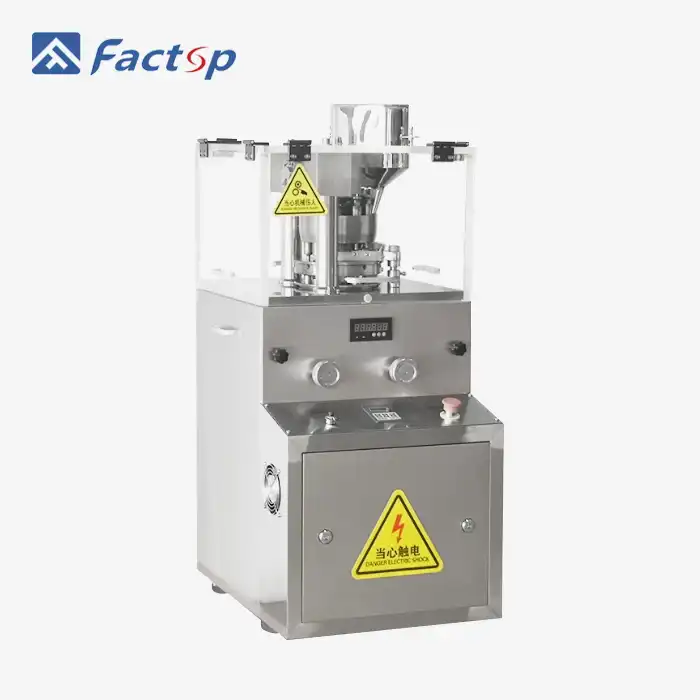
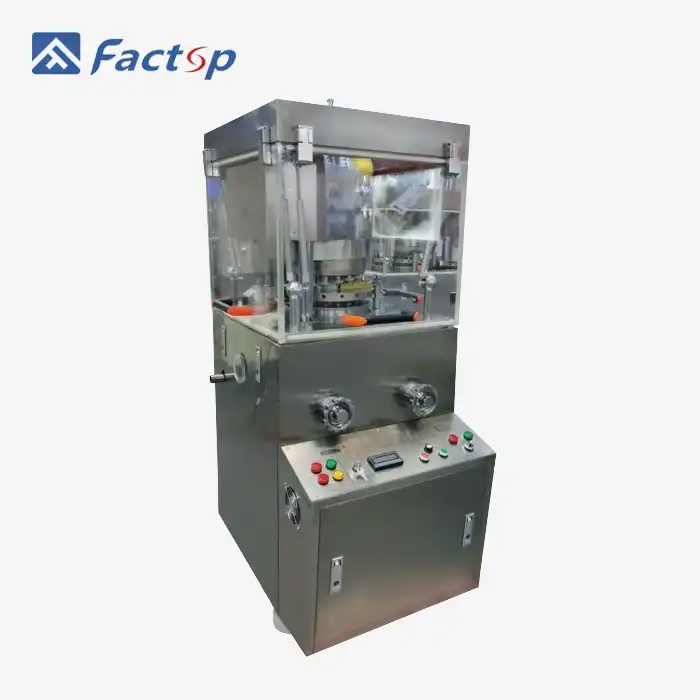
A pharmaceutical tablet press machine has a complex system for compression that turns powders or grains into solid tablets of regular quality and exact dimensions. Filling dies with set amounts of material, using controlled crushing force through the upper and lower punches, and then ejecting the final tablets is how it all works. Modern pharmaceutical tablet press machines, like the ZPTX15D model, have advanced automatic features that allow them to make up to 45,000 tablets per hour while still meeting the high-quality standards needed in pharmaceutical manufacturing settings.

Understanding Pharmaceutical Tablet Press Machines: Technology and Components
Tablet compression technology is a complex piece of engineering that reflects decades of progress in making medicines. These tools are both mechanically precise and highly automated, so they can produce the same results in a wide range of production settings. By understanding the main parts, you can see why these systems are so important in today's pharmacy businesses.
Core Components and Their Functions
There are five important parts that work together perfectly to make up the base of any method for making tablets. The punch system has upper and lower punches that apply precise compression forces, which can be anywhere from 5 to 100 kN based on the properties of the material. Die shapes, sizes, and end measurements of tablets are determined by the molds called dies. Modern machines can handle pill sizes of up to 50 mm, which makes them useful for a wide range of medicinal uses.
The filling device uses controlled volumetric or gravimetric methods to make sure that the powder is evenly spread in each die hole. Modern models have force-feeding methods that keep the fill weights constant and stop material from crossing. The cam-controlled actions of the compression station apply set pressure levels, and the release system takes out finished tablets without damaging or contaminating them.
Step-by-Step Working Principles
When powder moves from the bin into the feed frame assembly, the process of making tablets starts. Material moves into each die cavity through actions that are perfectly timed and linked with the spinning of the turret. The fill level is controlled by the lower punch places, which has a direct effect on the regularity of pill weight. When the top punch makes the first touch, it removes air and starts the process of pre-compression.
Right after this comes the main compression, which uses all the force needed to reach the goal hardness and density. Because the compression force levels can be programmed, they can be changed to fit different formulas. The lower punch moves up during release, while the upper punch moves back. This pushes the finished tablet to the surface level, where the take-off blade removes it.
Single Punch vs. Rotary Press Operations
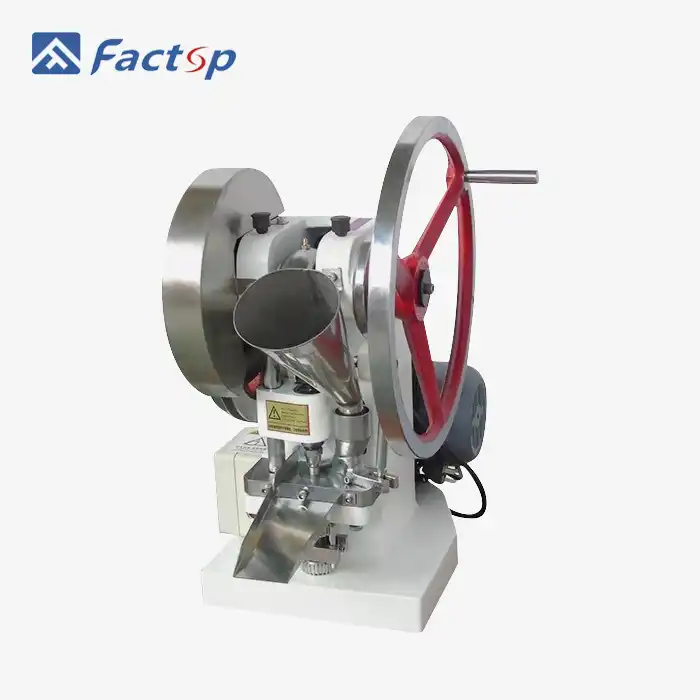
Single-punch machines work best for small-batch production and lab work where freedom and quick changes are important. These units only work on one tablet at a time, which gives you more power over how each tablet works. They are especially useful for research centers that are doing composition studies or small-scale production runs.
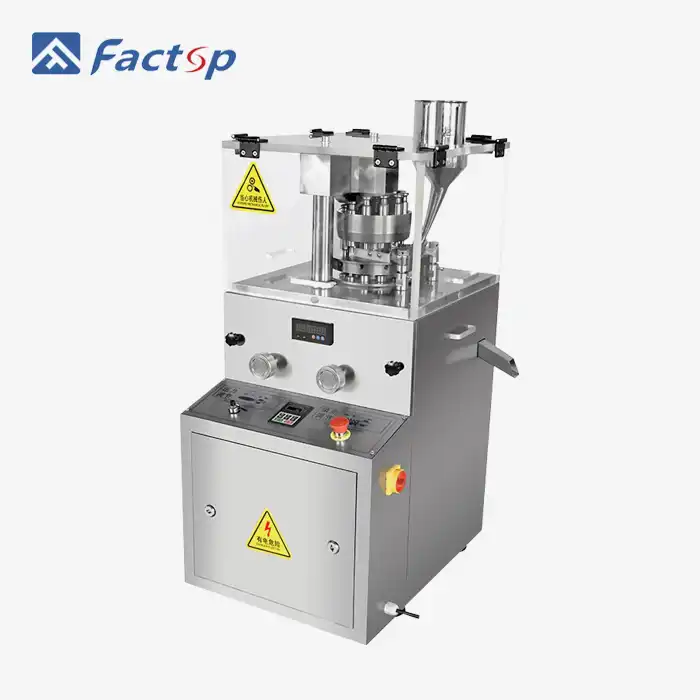
There are several punch stations set up in a circle turret shape on rotary tablet presses. This way of thinking about design is shown by the ZPTX15D model, which allows ongoing output by compressing at multiple places at the same time. The circular motion makes a steady flow of production, which is perfect for large-scale manufacturing where output needs to be regular.
Types of Pharmaceutical Tablet Press Machines and Their Operational Differences
Different pharmaceutical uses have very different manufacturing needs, so different pharmaceutical tablet press machine setups are needed to get the best production results. Choosing between different types of presses has a direct effect on prices, quality of products, and the ability to make things in a variety of ways. When buying, teams look at tool choices; knowing these differences helps them make smart decisions.
Manual vs. Automatic Operation Categories
Because the person using it has to be involved in every step of the production process, hand tablet presses work best for small projects or jobs that need to be overseen by a person. These tools let you change every part the most, but it's hard to add more to something with them. Because operators add material, start compression cycles, and take out finished tablets by hand, output is lower but process control is better.
Automatic systems use sensors, programmable logic controllers, and human-machine interfaces to work on their own after certain settings are set. The ZPTX15D has devices that automatically check the weight, control the pressure, and throw away broken tablets. These features cut down on the amount of work that needs to be done while keeping quality standards high over long production runs.
Production Scale Considerations
A low-speed press can make between 5,000 and 20,000 pills per hour. If you need to be careful with recipes or small stores, these are good. That's a good range of speeds for medium-speed units, which can handle between 20,000 and 60,000 tablets per hour. A high-speed rotating press can make more than 100,000 tablets an hour. If a big drug company makes well-known medicines, this is enough.
How hard the machine is to keep up and how often it needs to be fixed are directly related to how much it can make. A machine can work faster if it has better tools, more advanced control systems, and strict maintenance plans that keep it in good shape. The amount of energy used goes up as speed does. That changes how much it costs to keep the machine running for its whole life.
Advantages and Limitations Analysis
Rotary presses are more efficient at making things because they can work continuously and have more than one pressing station. They work great in high-volume settings where constant output is very important. On the other hand, these systems need a big starting investment and a lot of technical know-how to run and maintain. Product changeovers can take a long time to set up, which makes them less useful for making regular recipe changes.
Single-punch machines are the most flexible way to make small batches of products and come up with new products. Because changeover times are short, it is easy to go from one recipe to another. Because they cost less at first, companies and study centers are interested in them. However, their small production capacity makes them hard to use on a large scale, and operating them by hand makes each unit more expensive.
Maintenance, Troubleshooting, and Safety Precautions for Optimal Operation
Proactive repair plans have a big effect on how long equipment lasts and how reliably it can be used in pharmaceutical manufacturing settings. The pharmaceutical tablet press machine, put under a lot of mechanical stress, needs to be taken care of regularly to keep it from breaking down without warning. Comprehensive repair plans lower the total cost of ownership and make sure that the quality of the product stays the same over the life of the equipment.
Essential Maintenance Routines
As part of daily upkeep, the equipment is cleaned thoroughly so that different types of products don't get contaminated. Validated chemicals should be used to clean all touch surfaces, but especially punch tips and die holes, where material buildup can lower the quality of tablets. According to the maker, lubrication points need to be checked. These points are usually bearing sets, cam tracks, and drive systems.
Every week, checks look at how manufacturing parts are wearing, how well the pressure sensors are calibrated, and how well the machines are aligned. Punch and die sets wear down over time, which changes the size of tablets and means they need to be replaced every so often. To keep the material flow rates steady, the feeding system needs to be cleaned and adjusted. Maintaining records of all repair tasks helps companies follow the rules and spot problems early on, before they stop production.
Common Troubleshooting Solutions
Material flow problems frequently occur when powder characteristics change or feeding systems become misaligned. Insufficient material flow into die cavities results in underweight tablets and requires feed chute adjustment or material property evaluation. Excessive material spillage indicates feed frame misalignment or improper speed settings that need correction.
Punch depth variations create tablet weight inconsistencies and require tooling inspection and potential replacement. Worn punches and dies affect compression uniformity and tablet surface quality. Sticking problems in lower punches typically result from material buildup and inadequate cleaning procedures. Regular tooling maintenance prevents these issues and maintains production quality standards.
Safety Protocol Implementation
Operator training classes should teach students how to use safety gear correctly, how to shut down a machine in an emergency, and how to follow the safety rules that are specific to that machine. Safety interlocks in the ZPTX15D make sure it doesn't work when the guards are open. This keeps people from getting hurt by parts that move. Emergency stop buttons let you turn off the power right away if something bad happens.
The lockout/tagout method keeps repair work safe by making sure that tools don't start up by accident while they are being worked on. People who work with big machine parts need to know how to lift them safely. Operators get new safety training on a daily basis, which keeps them up to date on best practices and changes to the rules that affect places where drugs are made.
How to Choose the Right Pharmaceutical Tablet Press Machine for Your Business?
Equipment selection decisions impact manufacturing capabilities and operational costs for years beyond the initial purchase of a pharmaceutical tablet press machine. Successful procurement requires thorough analysis of current production needs, future growth projections, and technical specifications that align with product requirements. The evaluation process should consider both quantitative performance metrics and qualitative factors affecting long-term success.
Production Requirements Assessment
Batch size analysis determines whether single-punch or rotary-press configurations better serve your operations. Small batches under 10,000 tablets favor single-punch machines offering quick changeovers and minimal material waste. Large batches exceeding 100,000 tablets benefit from rotary press efficiency and automated operation capabilities. The ZPTX15D's 45,000 tablets per hour capacity serves medium to large batch requirements effectively.
Tablet specifications, including diameter, thickness, and hardness requirements, influence machine selection significantly. Maximum tablet diameter capabilities vary between models, with the ZPTX15D accommodating up to 50 mm tablets. Compression force requirements depend on formulation characteristics and target hardness specifications. Future product development plans should consider machines offering flexibility for new tablet designs.
Cost-Benefit Analysis Framework
Initial purchase price represents only one component of total ownership costs over the equipment lifecycle. Energy consumption varies significantly between machine types and affects operational expenses. Maintenance costs, including spare parts, technical service, and planned downtime, impact profitability calculations. Training requirements for operators and maintenance personnel add hidden costs often overlooked during initial evaluations.
Return on investment calculations should incorporate productivity gains, quality improvements, and reduced labor requirements. Financing options may improve cash flow management during equipment acquisition. The 25-day delivery time for the ZPTX15D enables rapid production startup compared to longer lead times for custom configurations.
Technology Integration Considerations
Modern tablet presses integrate with manufacturing execution systems and quality management databases, enabling real-time production monitoring and automated batch record generation. Touchscreen interfaces simplify operator interactions while reducing training requirements. Data connectivity supports Industry 4.0 initiatives and predictive maintenance programs that optimize equipment utilization.
GMP compliance requirements mandate specific design features, including documentation capabilities, cleaning validation support, and audit trail functionality. The ZPTX15D meets GMP standards through appropriate material selection, surface finishes, and control system design. Optional equipment, including dust collectors and tablet dedusters, enhances compliance with pharmaceutical manufacturing regulations.
Industry Applications and Future Trends in Tablet Press Technology
The pharmaceutical tablet press machine industry continues evolving through technological advancement and changing market demands. Smart manufacturing concepts integrate artificial intelligence and machine learning to optimize production processes automatically. These developments reshape how manufacturers approach tablet production, quality control, and operational efficiency.
Smart Manufacturing Integration
Internet of Things connectivity enables real-time monitoring of critical process parameters, including compression forces, tablet weights, and machine health indicators. Predictive analytics identify potential equipment failures before they occur, reducing unplanned downtime and maintenance costs. Cloud-based data storage facilitates remote monitoring and technical support, particularly valuable for global pharmaceutical operations.
Machine learning algorithms optimize production parameters automatically based on historical performance data and quality outcomes. These systems adapt to material variations and environmental changes without operator intervention. Automated quality control systems reject defective tablets immediately, maintaining consistent product quality throughout production runs.
Sustainability and Energy Efficiency
Environmental regulations and corporate sustainability goals drive demand for energy-efficient manufacturing equipment. Modern tablet presses incorporate variable frequency drives and energy recovery systems that reduce power consumption significantly. The industry trend toward green manufacturing includes recyclable tooling materials and reduced waste generation through improved process control.
Modular machine designs enable capacity expansion without complete equipment replacement, extending useful life and reducing environmental impact. Sustainable manufacturing practices include solvent-free cleaning systems and reduced material waste through precise dosing controls. These initiatives align with pharmaceutical industry commitments to environmental stewardship.
Emerging Technology Trends
Continuous manufacturing processes challenge traditional batch production methods through integrated systems combining granulation, compression, and coating operations. These technologies reduce production time and facility space requirements while maintaining quality standards. Flexible manufacturing systems accommodate multiple product lines on single equipment platforms.
Advanced materials including ceramic tooling components extend service life and reduce replacement frequency. Nano-coating technologies improve tool surface properties and reduce sticking problems. These innovations enhance productivity while reducing operational costs over the equipment lifecycle.
Conclusion
Pharmaceutical tablet press machines represent sophisticated engineering solutions that transform raw materials into precise therapeutic products through controlled compression processes. Understanding the technology behind these systems enables informed decision-making for procurement professionals evaluating equipment options. The choice between single-punch and rotary-press configurations depends on production requirements, batch sizes, and operational flexibility needs.
Modern tablet presses integrate advanced automation features that enhance productivity while maintaining strict quality standards required in pharmaceutical manufacturing. Proper maintenance and troubleshooting procedures ensure reliable operation and extend equipment lifecycles. The industry continues evolving through smart manufacturing integration and sustainability initiatives that reshape traditional production approaches.
Selecting the right equipment requires comprehensive analysis of production needs, cost considerations, and technology requirements. Factop's ZPTX15D model offers proven performance with GMP compliance and flexible configuration options. The pharmaceutical industry's future depends on continued technological advancement and strategic equipment investments that support growing global health needs.
FAQ
1. What maintenance intervals are recommended for pharmaceutical tablet press machines?
Daily cleaning and lubrication checks ensure optimal performance and prevent contamination issues. Weekly inspections should include tooling wear assessment, pressure calibration verification, and mechanical alignment checks. Monthly maintenance involves comprehensive system evaluation, spare parts inventory review, and documentation updates. Annual overhauls include major component inspection and replacement planning.
2. What are the operational advantages of automatic over manual tablet presses?
Automatic presses deliver consistent tablet quality through precise parameter control and reduced human variability. Production rates increase significantly while labor costs decrease through reduced operator requirements. Automated quality monitoring systems detect and reject defective tablets immediately. Documentation capabilities support regulatory compliance through automated batch record generation.
3. How flexible are tablet press machines for different pharmaceutical formulations?
Modern tablet presses accommodate various formulation types through adjustable compression parameters and interchangeable tooling systems. Quick changeover capabilities enable efficient production transitions between different products. The ZPTX15D supports tablets up to 50 mm in diameter with customizable pressure profiles. Material compatibility extends to standard pharmaceutical excipients and active ingredients.
Contact Factop for Your Pharmaceutical Tablet Press Machine Requirements
Ready to enhance your pharmaceutical manufacturing capabilities with reliable, high-performance pharmaceutical tablet press machine technology? Factop delivers comprehensive solutions tailored to your specific production requirements and quality standards. Our ZPTX15D model offers proven performance with a 45,000-tablet-per-hour capacity and GMP-compliant design features that meet stringent pharmaceutical regulations.
Our experienced team provides complete support throughout the equipment lifecycle, from initial consultation through installation, training, and ongoing maintenance services. Whether you're seeking a pharmaceutical tablet press machine supplier for new facility development or production expansion, Factop offers innovative solutions that optimize manufacturing efficiency and product quality. Contact michelle@factopintl.com to discuss your requirements and receive a customized proposal that addresses your specific operational needs.
References
1. Patel, S., Kaushal, A.M., and Bansal, A.K. "Compression Physics in the Formulation Development of Tablets." Critical Reviews in Therapeutic Drug Carrier Systems, Vol. 23, No. 1, 2006.
2. Armstrong, N.A. "Tablet Manufacture by Direct Compression." Pharmaceutical Technology, International Journal of Pharmaceutical Compounding, 2008.
3. Leane, M., Pitt, K., and Reynolds, G. "A Proposal for a Drug Product Manufacturing Classification System for Oral Solid Dosage Forms." Pharmaceutical Development and Technology, Vol. 20, No. 1, 2015.
4. Rajesh, B.V., Reddy, P.S., and Srinivas, P. "Pharmaceutical Tablet Compression Tooling and Equipment: A Comprehensive Review." Journal of Pharmaceutical Sciences and Research, Vol. 8, No. 4, 2016.
5. Shi, L., Feng, Y., and Sun, C.C. "Material Properties and Tablet Compaction Behavior of Pharmaceutical Powders." International Journal of Pharmaceutics, Vol. 521, 2017.
6. Yu, L.X. and Kopcha, M. "The Evolution of Pharmaceutical Quality by Design." Pharmaceutical Research, Vol. 34, No. 12, 2017.
YOU MAY LIKE