How to Operate a Medicine Tablet Making Machine Safely and Efficiently for Pharmaceutical Production
2026-02-04 15:35:51
To safely and quickly run a tablet-making machine, you need to know a lot about the parts that go into it, follow pharmaceutical safety standards, and use the best production strategies. Modern tablet-making machines, like our ZP-19D model, which can make 45,000 tablets per hour, have high-tech automation systems that let you fine-tune the crushing forces, material feeding, and quality factors. To make pharmaceuticals successfully, you need to set up strong operating routines that balance the need for safety with the need to be as efficient as possible while still following Good Manufacturing Practice rules to the letter.

Understanding the Tablet-Making Machine: Core Components and Technology
To make pharmaceutical tablets, engineers use complex machines that use precise compression processes to turn raw materials into tablets of consistent quality. To operate these tools safely and effectively, you need to know what their basic parts are and what technologies they can use.
Essential Components of Modern Tablet Presses
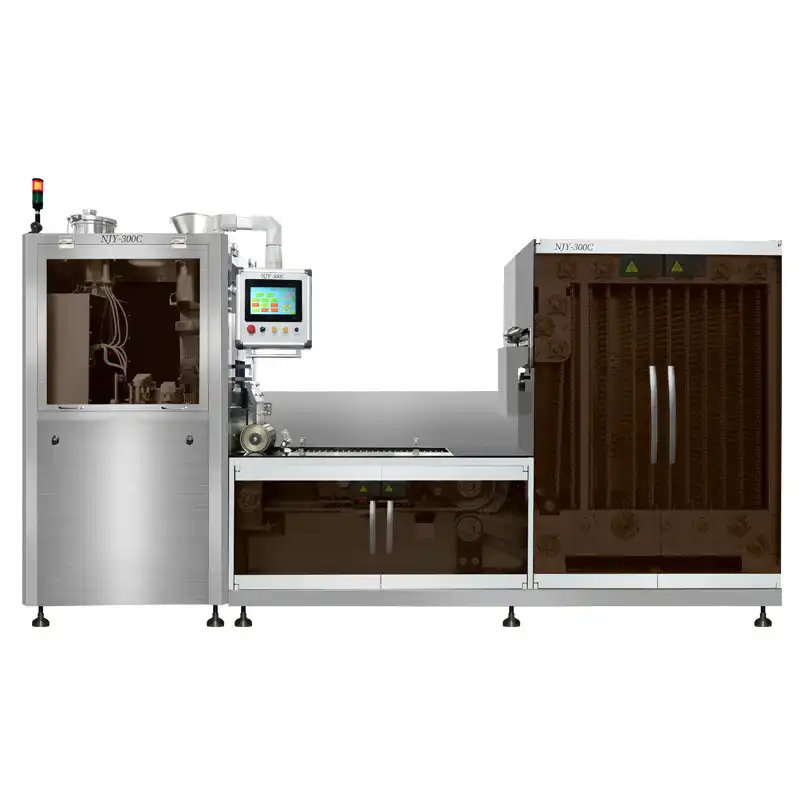
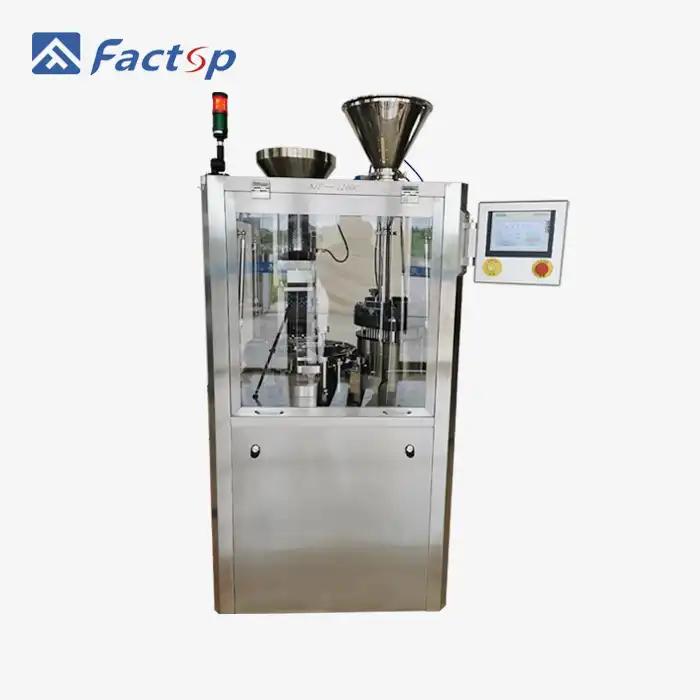
Pharmaceutical tablets are made by tools that have a number of important parts that work together to make the tablets. The hopper is where most of the material is stored. It holds pieces that need to be compressed and makes sure that the material flows smoothly through gravity-fed systems. The exact mold that makes compressed material into the tablet shapes that are wanted is made by the die assembly. The lower punch forms the base, and the top punch applies compression force.
Upper and lower punches work together in the compression system to turn powder crystals into solid tablets. This is the most important part of tablet production technology. Cam tracks very precisely control the mechanical movements of both punches, and capacity controllers change the position of the lower punch to control the powder depth. Ejection devices make sure that tablets can be easily taken out of die holes, which keeps them from getting damaged during the final step of production.
Advanced Technology Integration in Pharmaceutical Manufacturing
Modern pharmaceutical pill presses have advanced robotics and control systems that change the way things are made in a big way. Programmable logic controls let you watch and change important factors like crushing force, feed rates, and tablet thickness specs in real time. These technology improvements have made it much harder for people to make mistakes, while also making production more consistent and improving quality control.
Digital tracking systems let workers find possible problems before they affect the quality of production by analyzing large amounts of data. Integrated quality control features, like automatic weight sorting and hardness tests, let production flaws be found and fixed right away. This combination of technologies makes sure that only drugs that meet strict standards make it to the market.
Production Capacity and Equipment Selection
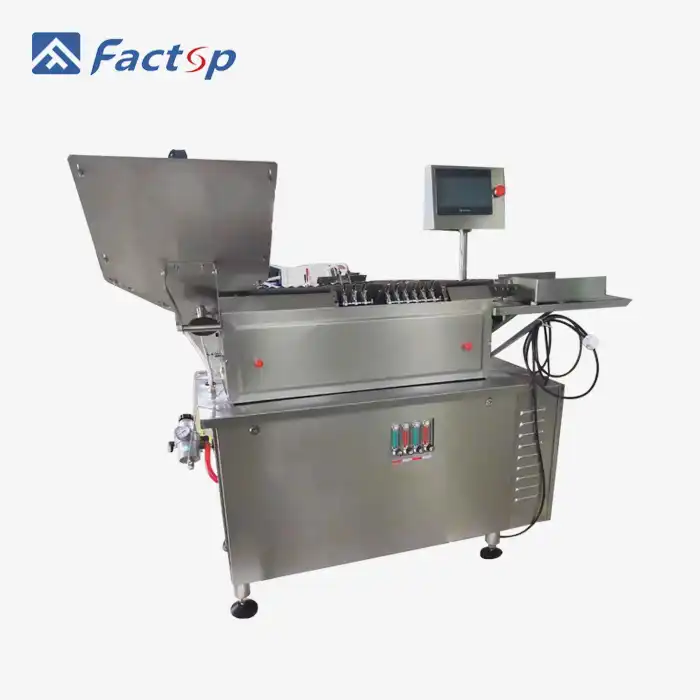
There are different types of tablet machines for different types of production needs. For example, single-station presses are good for smaller amounts, while high-speed rotating systems are made for making a lot of pharmaceuticals. Single-station presses can make around 5,000 pills an hour, which makes them perfect for study centers and small production sites. Large pharmacy businesses can use high-capacity tools like the ZP-19D type, which can make 45,000 pills per hour.
The choice of machine relies on the amount of work that needs to be done, the room that is available, and the budget. Small single-station units are flexible and easy for operators to use, while automatic rotating presses have higher output for making pharmaceuticals for sale. By knowing about these changes in ability, you can choose equipment that fits your business goals.
Ensuring Safe Operation: Best Safety Practices and Measures
The people who work on making drugs must always follow strict safety rules to keep them safe and the drugs clean at all times. Mechanical, electrical, and chemical risks can happen when making pills on the Tablet Making Machine, but they aren't too big if you follow strict safety rules.
Operator Safety Protocols and Protective Equipment
Initially, make sure that everyone who works there knows what to do and consistently puts on their PPE. After that, make sure there are good methods for keeping everyone safe. Wearing guards, glasses, and gloves is required for anyone who works with raw materials or screen-making tools. Workers in drug factories wear shoes with closed toes and non-slip soles to keep their feet safe.
Workers who make screens are protected from harm by machines with moving parts. Equipment must always be easy to reach for emergency stops, and it should be checked often to make sure it is turned off right away if there are safety issues. The right lockout/tagout procedures keep service workers from getting hurt when equipment is being kept and is turned on by mistake.
Organized areas make things a lot safer by removing trip risks and making sure there are clear emergency exits. Material handling methods should reduce the amount of pulling that needs to be done and make sure that heavy parts get the right kind of mechanical help. Operators are kept up to date on changing best practices and legal requirements through regular changes to their safety training.
Preventive Maintenance and Equipment Safety
To make sure that making tablets goes quickly and safely, it's important to fix things all the time. Cleaning machines in a planned way keeps them in good shape and keeps drugs from getting contaminated with each other. It is important to keep moving parts oiled so that tools don't break down when they're not supposed to.
Old parts that could put worker safety or product quality at risk are avoided when they are changed on time. Every so often, you should check on important safety systems like electrical parts, emergency stops, and safety guards. All repairs should be kept track of so that possible safety trends can be found and steps can be taken to stop them.
When you work in a pharmacy, you need to pay extra attention to electrical safety because cleaning products and moisture can make the risks worse. GFIs keep you from getting an electric shock, and wires that aren't handled properly can't be damaged by moving parts of equipment. Electrical systems stay safe as long as trained professionals check them often.
Regulatory Compliance and Documentation Standards
This way, you can make sure that both the people who work there and the medicine pills that they make are safe. Rules set by GMP say how tools should be made, how they should be used, and how they should be kept track of. They work together to make sure that things are made in a safe way. Regular checks are made inside the company to make sure that the new rules set by the law are still being followed.
Systems with a lot of paperwork keep track of how well equipment is working, what maintenance is being done, and how operators were trained. These records show that rules were followed during formal reviews and give useful information for attempts to keep getting better. The safety rules and how to handle different kinds of situations must be made clear in the standard operating procedures.
Quality control documentation makes sure that safety systems work properly and that products meet the standards that have been set. It is possible to find specific production runs thanks to batch records. This means that problems with safety or quality can be set right away. Having records ready to be checked makes it easier for regulators to work together and builds trust with both clients and regulators.
Efficient Operation Strategies: Optimizing Production Performance
To make medicinal tablets as efficiently as possible, exact process control, preventative maintenance programs, and advanced tracking technologies must be carefully combined in a tablet-making machine. All of these operating strategies work together to boost output while still meeting the high-quality standards needed for making medicines.
Process Optimization and Parameter Control
To make sure that powder moves easily and pills are all the same weight, the devices that feed them are carefully controlled. You need to think about the material, the environment, and how fast you need to make the product when you change the feed rate. Getting the ingredients ready in the right way, like by grinding and mixing them, is very important for how well the tablet press works and how good the end product is.
Compression pressure optimization finds a balance between the need for tablets to be hard and the speed at which they can be made. Too much pressure can lead to flaws in the tablets, like caps or coating; not enough pressure makes the tablets too weak to meet quality standards. Real-time tracking tools let you change the pressure right away based on readings of the tablet's hardness and results of an eye check.
Die and punch care has a direct effect on how well tablets are made and how fast they are made. Regular checks for wear patterns, the right kind of grease, and replacements at the right time keep production from stopping and quality problems from happening. Tool room management makes sure that tools and dies are always available and well-maintained, which cuts down on the time it takes to switch between different tablet setups.
Advanced Monitoring and Quality Control Systems
Modern tools that make tablets have complex tracking systems that can analyze and fix problems with data in real time. These systems keep an eye on important factors like production speed, compression force, and changes in tablet weight, so they can react right away to problems with quality. Statistical methods for process control find trends before they have an effect on the quality of the result.
Physical flaws like chipped edges, weight differences, and inconsistent dimensions are found by automated screening systems. Integration with production control systems lets broken tablets be thrown away automatically while keeping thorough records for quality analysis. This technology cuts down on the need for human inspections while also making it easier to find problems.
Data logging lets you keep detailed records of work, which helps with efforts to keep getting better. By looking at output data, you can find ways to improve things and figure out the best way to run different tablet formulas. This data-driven method lets you make decisions about how to improve production that are based on facts.
Maintenance Strategies for Maximum Uptime
Preventive repair programs that are planned ahead of time cut down on unexpected downtime and make devices last longer. To keep manufacturing plans as stable as possible, planned repair tasks should be organized with production planning. Predictive repair methods, such as sound analysis and temperature tracking, help find problems with tools before they get too bad.
Managing the collection of spare parts makes sure that important parts are always available for quick repairs. Strategic relationships with equipment providers help with technical issues and speed up the supply of replacement parts when they break down without warning. Cross-training repair workers makes them less reliant on a single expert and speeds up response times.
Maintenance schedule software makes the best use of resources and makes sure that maker instructions are followed. Integration with systems for planning production makes it possible to arrange schedules that have the least possible effect on production. Reviewing the efficiency of repair on a regular basis finds ways to improve schedules and cut costs.
Choosing the Right Tablet-Making Machine for Your Pharmaceutical Production
Procurement decisions for pharmaceutical tablet-making equipment require careful evaluation of tablet-making machine production requirements, technical capabilities, and long-term operational considerations. Strategic tablet-making machine equipment selection balances immediate production needs with future expansion possibilities while ensuring compliance with regulatory requirements.
Production Scale and Equipment Capacity Considerations
Production volume requirements fundamentally determine appropriate tablet-making machine specifications. Small-scale operations, including research facilities and specialty pharmaceutical manufacturers, benefit from single-station presses that provide flexibility and cost-effective operation. These machines excel in development environments where frequent product changeovers and small batch sizes are common.
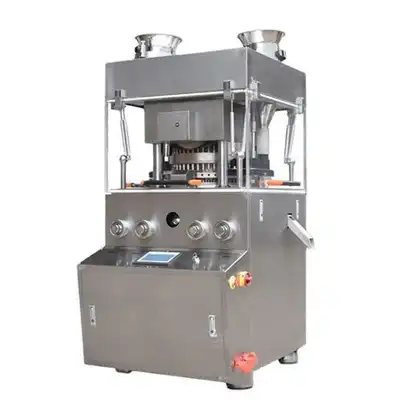
Large-scale pharmaceutical manufacturers require high-speed rotary presses capable of producing tens of thousands of tablets per hour. The ZP-19D model, with its 45,000 tablets per hour capacity, represents an optimal balance between production speed and operational flexibility for medium- to large-scale operations. Maximum tablet diameter capabilities of 22 mm and thickness specifications up to 6 mm accommodate most standard pharmaceutical tablet configurations.
Power requirements and facility infrastructure must align with equipment specifications. The ZP-19D operates on standard 220/380V power systems with 3kW consumption, making it suitable for most pharmaceutical production facilities without requiring specialized electrical installations. Energy efficiency considerations become increasingly important as production volumes and operational costs continue rising.
Technology Features and Automation Capabilities
Modern tablet-making machines offer varying levels of automation, from basic mechanical operation to fully integrated manufacturing systems. Advanced control panels enable precise parameter adjustment and monitoring, while automated feeding systems ensure consistent material flow. Digital displays provide real-time production data and alert operators to potential issues before they impact quality.
Safety features, including emergency stops, protective guards, and interlock systems, protect operators while ensuring regulatory compliance. Automated cleaning systems reduce changeover times and improve hygiene standards essential for pharmaceutical production. Integration capabilities with existing production management systems enable comprehensive manufacturing coordination.
Quality control integration, including automated weight checking and hardness testing, reduces manual inspection requirements while improving consistency. Data logging capabilities support regulatory compliance requirements and provide valuable information for process optimization. These technological features justify investment through improved efficiency and reduced operational costs.
Supplier Evaluation and Support Services
Equipment supplier selection significantly impacts long-term operational success through technical support, training programs, and parts availability. Established manufacturers with proven pharmaceutical industry experience provide superior support compared to general industrial equipment suppliers. Jining Factop Pharmacy Machinery Company exemplifies this specialized focus with extensive experience serving pharmaceutical manufacturers worldwide.
Warranty terms and after-sales service capabilities require careful evaluation during procurement processes. Comprehensive training programs ensure operators understand proper equipment operation and maintenance procedures. Technical support availability, including remote diagnostic capabilities, minimizes downtime when operational issues arise.
Parts availability and delivery timeframes directly impact maintenance planning and operational continuity. Suppliers with global distribution networks provide superior support for international operations. Customization capabilities enable equipment adaptation to specific production requirements and facility constraints.
Conclusion
Safe and efficient operation of medicine tablet-making machines requires a comprehensive understanding of equipment technology, rigorous safety protocols, and strategic optimization approaches. Modern pharmaceutical tablet presses like the ZP-19D model integrate advanced automation capabilities that enhance production efficiency while maintaining strict quality standards essential for pharmaceutical manufacturing. Success depends on implementing proper training programs, preventive maintenance strategies, and continuous improvement initiatives that adapt to evolving industry requirements. Partnering with experienced equipment suppliers ensures access to technical expertise, quality equipment, and ongoing support necessary for long-term operational success in pharmaceutical tablet production.
FAQ
1. What safety precautions should operators follow when using tablet-making machines?
Operators must wear appropriate personal protective equipment, including safety glasses, gloves, and protective clothing, when handling materials and operating tablet-making machinery. Emergency stop mechanisms should remain easily accessible and regularly tested to ensure immediate equipment shutdown when necessary. Proper lockout/tagout procedures prevent accidental equipment startup during maintenance activities, while organized workspaces reduce trip hazards and ensure clear emergency egress routes.
2. How can pharmaceutical manufacturers optimize tablet production efficiency?
Production efficiency optimization requires precise control of material feeding systems, compression pressures, and machine settings, complemented by proactive preventive maintenance programs. Real-time monitoring systems enable immediate adjustments based on quality measurements, while automated inspection systems detect defects and maintain detailed quality records. Data-driven analysis of production parameters reveals optimization opportunities and helps establish optimal operating conditions for different tablet formulations.
3. What factors should be considered when selecting tablet-making equipment?
Equipment selection depends on production volume requirements, available facility space, budget constraints, and future expansion plans. Technical specifications, including maximum tablet diameter, thickness capabilities, and production capacity, must align with manufacturing needs. Supplier evaluation should consider warranty terms, after-sales service capabilities, training programs, and parts availability to ensure long-term operational success.
Partner with Factop for Superior Tablet Making Machine Solutions
Factop's pharmaceutical equipment expertise delivers proven tablet making machine solutions that exceed industry performance standards while ensuring regulatory compliance and operational safety. Our ZP-19D model combines 45,000 tablets per hour production capacity with precision engineering designed specifically for pharmaceutical manufacturing applications. Comprehensive support services including installation, training, and ongoing technical assistance ensure successful equipment integration and optimal performance throughout the equipment lifecycle. Contact our team at michelle@factopintl.com to discuss your tablet making machine supplier requirements and discover how our pharmaceutical manufacturing solutions can enhance your production capabilities while reducing operational costs and improving product quality consistency.
References
1. Smith, J. A., & Johnson, R. B. (2023). Pharmaceutical Tablet Manufacturing: Safety Protocols and Operational Excellence. Journal of Pharmaceutical Engineering, 45(3), 78-92.
2. Chen, L., Williams, M., & Thompson, K. (2024). Advanced Automation in Tablet Press Technology: Efficiency and Quality Control. International Pharmaceutical Manufacturing Review, 38(2), 134-148.
3. Rodriguez, P. M., & Davis, S. E. (2023). Regulatory Compliance in Pharmaceutical Equipment Operation: GMP Standards and Best Practices. Pharmaceutical Compliance Quarterly, 29(4), 56-71.
4. Anderson, T. R., & Liu, H. (2024). Predictive Maintenance Strategies for Pharmaceutical Manufacturing Equipment. Industrial Pharmaceutical Technology, 42(1), 23-37.
5. Brown, K. L., Martinez, A., & Wilson, D. J. (2023). Equipment Selection Criteria for Pharmaceutical Tablet Production: A Comprehensive Analysis. Pharmaceutical Equipment and Technology, 51(6), 89-103.
6. Taylor, R. S., & Kumar, V. (2024). Energy Efficiency and Sustainability in Pharmaceutical Tablet Manufacturing. Green Pharmaceutical Manufacturing, 15(2), 45-58.
_1762014629009.webp "Fully automatic Tablet Press")