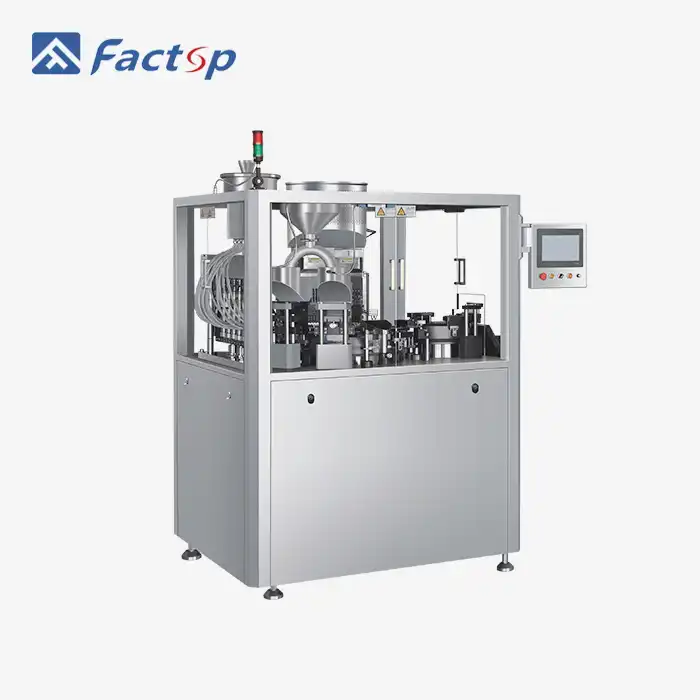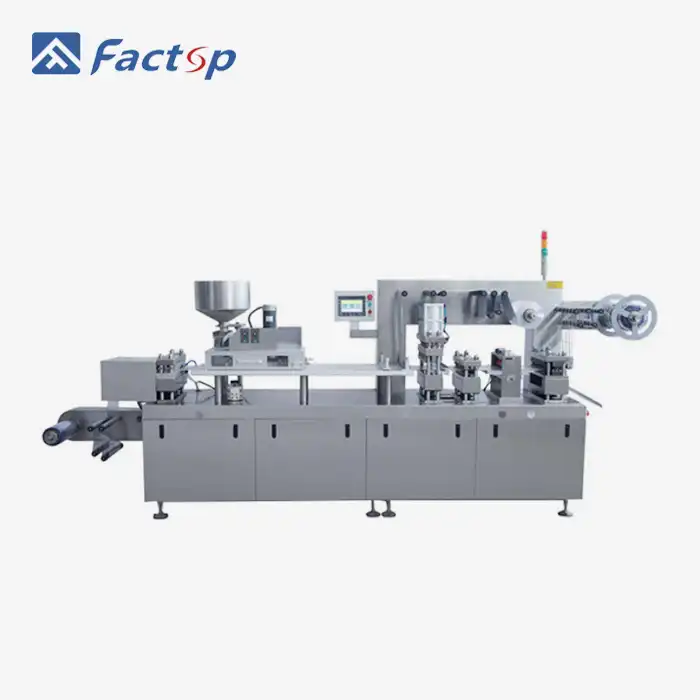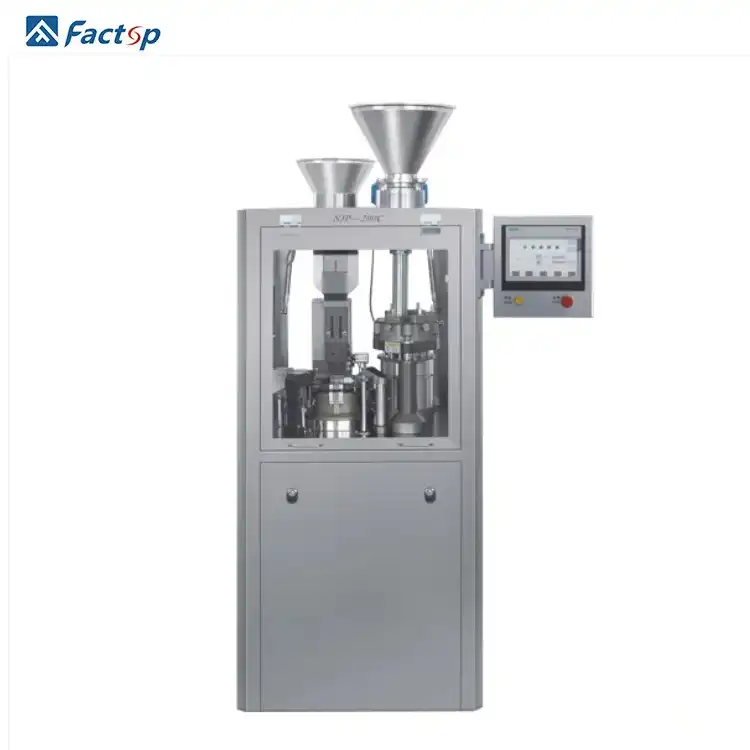
Maintaining and Troubleshooting Your Tablet Die Press Machine: Essential Tips for Longevity and Efficiency
2026-02-09 17:28:20
When you buy a tablet die press machine, you're putting a lot of money into your factory skills. Skilled techs need to service and fix these high-tech items on a regular basis so that they always work the same way. How fast and well you can make things, how good the products are, and how much it costs to make everything depend on how well you take care of your tablet press tools. A high-speed rotating system for mass production or a single-punch unit for study? Make sure you follow the right steps for maintenance and repairs to get the most out of your tools.

Understanding Your Tablet Die Press Machine: Parts, Functions, and Operating Principles
Core Components and Their Critical Functions
There are several systems inside a pill compression machine that work together to turn powdered medicines into solid dosage forms. The upper and lower cuts, dies, and the compression chamber make up the tooling system. This is what makes a tablet press work. The top punch applies controlled pressure from above, and the lower punch supports the tablet and makes it easier to remove. Because their holes are so carefully made, dies determine the end form, size, and thickness of the tablet.
It's also very important that the feeding method keeps the quality of the work the same. The powder flows into the die hole through this part. This makes sure that every tablet has the same fill weight. New automatic pill presses, like the ZP-5B model, have improved feed systems that can work with different kinds of powder and give you exact control over how the powder is distributed.
Compression rollers or cams move the punches through their cycle of compression, providing just the right amount of pressure for tablets to form properly. To keep tablets from breaking and equipment from getting damaged, these parts must stay perfectly aligned and work smoothly. The cam tracks control the timing of the punch movement, which makes sure that the compression cycles happen at the same time and make tablets that are the same hardness and look.
Operating Principles of Different Press Types
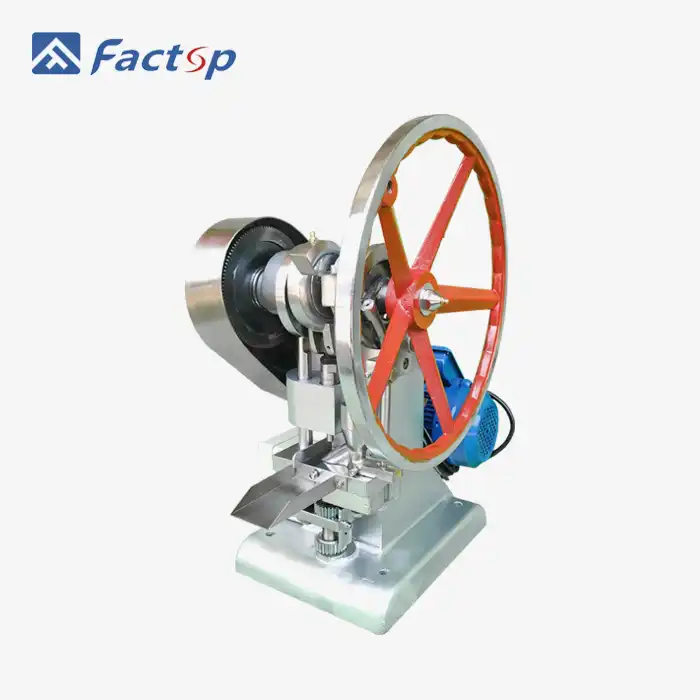
One simple idea behind single-punch tablet presses is that they use one set of tools to make one tablet per turn. These tools work best in labs and small-batch production, where control and freedom are more important than output number. This group is well represented by the ZP-5B model. Its construction of iron and stainless steel allows it to withstand a maximum pressure of 60 KN, making it ideal for use in research labs and specialized pharmaceutical settings.
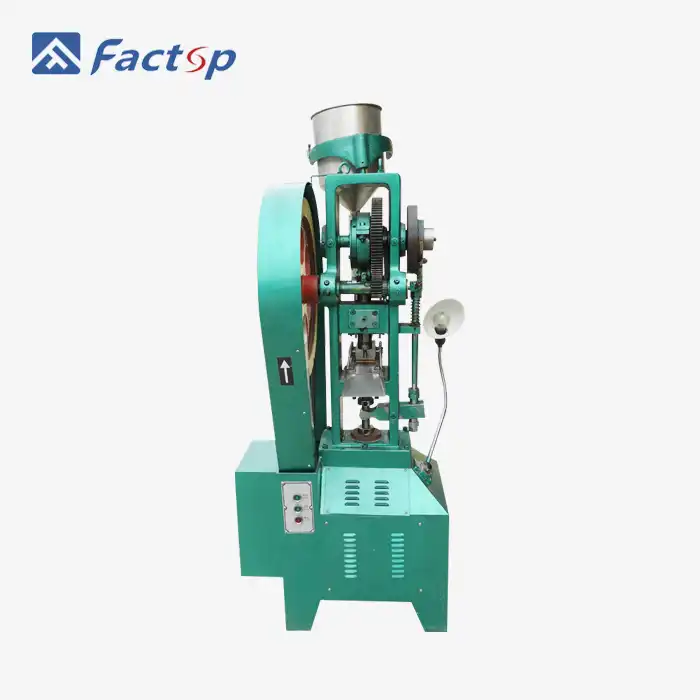
Rotary tablet presses work in a different way because they have several places set up around a revolving wheel. Each station has a full set of punches and dies, so tablets can be made continuously while the turret turns. This arrangement makes it possible to make a lot more while keeping the crushing force the same at all sites. The amount of mechanization in rotating systems lowers the need for human input and raises the quality of the output.
Multi-layer tablet presses make things even more complicated by letting you make tablets with different layers. To make sure that the layers form correctly and the materials stick together, these systems need precise time and material handling. Knowing these differences in how things work helps production managers choose the right repair plans and ways to fix problems for each type of equipment.
Essential Maintenance Tips to Maximize Efficiency and Longevity
Daily and Weekly Inspection Protocols
To make sure the tablet die press machine always works, the first thing that needs to be done is to set up detailed repair plans. Checks should be done every day on parts that can be seen and issues that need to be fixed right away. In order to make sure the tablet is good, check the punch and die for signs of damage, wear, or material growth. For smooth powder flow, make sure the feeding system is lined up properly and that it works well. Check to see if there are any blocks or odd patterns of material spread.
As part of weekly repair tasks, machines are checked for damage in more detail. To get rid of powder leftovers and other possible contaminants, clean all machine parts carefully using the right chemicals and methods. Check the compression force values to make sure they meet the production requirements for the current formulas. Check the amount of grease in all the right places, but pay extra attention to cam tracks and bearing systems that are put under a lot of mechanical stress while they're working.
It is important to follow safety rules when fixing things. Make sure that all power sources are off and locked down using the right lockout/tagout procedures before you start any repair work. When maintainers clean tools or work with chemicals, they should wear the right safety gear, such as safety glasses, gloves, and clothes that protect them.
Lubrication Best Practices and Component Replacement
Some tools last longer and work better even when things get tough in the workplace if you clean and oil them the right way. Use oils that have been allowed by the company that made them and can be used in places where drugs are made. Having too much lube can be just as bad as not having enough. When there is too much lube, noise, or powder buildup, it can make it hard for the machine to work.
Here are some important places to clean that should be done often:
- High-grade bearing grease should be put on the cam tracks and rolling parts as directed by the maker. It is done about every 500 to 1000 hours of use, but it depends on the weather and how much is being made.
- Gears, chains, and other parts of the drive system need to be properly oiled so that they don't wear out too fast and the tablet production speeds stay the same.
- With a little grease on the die and punch guides, they won't stick, and the area where the tablets are made stays clean.
- Depending on the type of material, the amount being made, and the way the machine is being used, it is necessary to change certain parts. Every 500,000 to 2,000,000 pills, you need to switch out the punches and dies to make the mix rough and hard. Before you start working, check your tools several times and always have extras on hand to make sure everything goes smoothly.
You can find tech problems early on, before they get too bad, if you keep an eye on shake and warmth. Get the information while the machine is running to start. After that, keep an eye out for any big changes. These sounds could be caused by a broken part, a machine that isn't set up correctly, or some other technical issue that needs to be fixed right away.
Troubleshooting Common Tablet Die Press Machine Issues
Identifying and Resolving Production Quality Problems
Tablets that aren't up to par usually have clear flaws that point to specific technical or functional problems. When the weight changes, it generally means that the powder fill isn't steady. It's possible that the feeder isn't lined up correctly, the die holes are worn, or the punch depth settings are off. Most of the time, capping and lamination issues are brought on by too much crushing force, not enough rest time, or problems with the material's makeup that change how it sticks together.
Picking and sticking can happen on the surface of tablets when powder sticks to the punch faces. This can make the tablets' surfaces rough or broken. Most of the time, this issue gets worse over time as tools break down or get jammed with stuff. Cleaning and greasing the parts on a daily basis will help you avoid most surface-related quality problems. You might need to get new tools or change the method if the issues keep happening.
When the roughness of different production runs is different, it means that the compression force has changed. This could be because the cam tracks are worn, the hydraulic pressure has changed, or important parts have been worn down over time. Keeping an eye on the compression force during the whole production process helps find issues quickly, before they hurt the product or the machinery too much.
Systematic Problem Resolution Methodology
An organized method that reduces downtime and ensures complete problem resolution is used for effective fixing. First, look for problems that are easy to see, like material jams, damage that can be seen, or wear patterns that don't seem right. Carefully write down your observations so you can keep track of problems that keep happening and find possible root causes that might not be obvious at first.
All of the major sections should be carefully checked during the review phase. Check the powder flow and balance in the feed system, look for damage or wear on the tools, and make sure that all the mechanical changes stay within the limits set by the manufacturer. When working with electrical systems, you need to pay attention to the settings for the controls, how the sensors work, and any error codes or warning lights that might give you troubleshooting information.
Analysis is the process of connecting noticed symptoms with possible root causes based on how the machine is built and how it works. If the weight changes and powder spills around the die table, it means there are problems with the feeder. On the other hand, tablets that are flawed at all stations suggest problems with the composition or the surroundings, not the machines. This methodical technique stops changes that aren't needed and could cause new issues while not addressing the main ones.
Understanding the connection between Tablet Die Press Machine settings and product traits is often necessary for successful fixing in the real world. A drug company that had problems with tablets being too hard or too soft found that the problem was caused by worn cam followers that let the punch position change slightly. By replacing these parts, the quality problem was fixed and the crushing force became uniform again. This shows that thorough analysis leads to good answers.
Upgrading and Optimizing Performance for Competitive Advantage
Technology Enhancement Opportunities
Modern tablet press technology offers significant opportunities for performance improvement through targeted upgrades and optimization strategies. Automatic die alignment systems eliminate manual setup time while ensuring precise tooling positioning that improves tablet quality consistency. These systems pay for themselves through reduced setup time and fewer rejected tablets during production changeovers.
Advanced process control systems monitor critical parameters continuously and make real-time adjustments to maintain optimal production conditions. These upgrades particularly benefit high-volume operations where small improvements in efficiency translate to substantial cost savings over time. Integration with plant-wide manufacturing execution systems provides comprehensive production data that supports continuous improvement initiatives.
Energy efficiency improvements reduce operating costs while supporting sustainability goals that increasingly influence purchasing decisions. Variable frequency drives on main motors reduce power consumption during low-speed operation, while improved bearing designs decrease mechanical losses. These modifications typically recover their investment through reduced energy costs within two to three years of implementation.
Retrofitting existing equipment often provides a better return on investment compared to complete replacement, especially for machines with solid mechanical foundations. Upgrading control systems, adding monitoring capabilities, and improving automation features can extend equipment life while improving performance and reducing operating costs.
Production Capacity and Quality Optimization
Optimizing press parameters requires understanding the relationship between machine settings and tablet characteristics for specific formulations. Compression force, dwell time, and turret speed interact to determine final tablet properties, and small adjustments can significantly impact both quality and production rate. Developing parameter profiles for different products enables quick setup changes while maintaining consistent quality standards.
Tooling selection significantly influences both production capacity and tablet quality. Choosing appropriate punch tip configurations, die designs, and coating options for specific formulations optimizes performance while extending tooling life. Working with experienced tooling suppliers ensures selection of optimal designs that balance production requirements with maintenance considerations.
Process analytical technology integration enables real-time quality monitoring that reduces waste while ensuring consistent product quality. Near-infrared spectroscopy, tablet hardness testers, and weight checking systems provide immediate feedback that allows operators to make necessary adjustments before producing significant quantities of out-of-specification material.
Procurement and Supplier Considerations for Tablet Die Press Machines
Evaluating Machine Types and Production Requirements
To choose the right tablet press tools for your Tablet Die Press Machine, you need to carefully look at your current production needs and your plans for future growth. Single-punch machines, like the ZP-5B type, work best for study and small-batch production where control and freedom are more important than high-volume output. Most of the time, these machines can handle batches of a few hundred to several thousand pills. This makes them perfect for clinical study materials and custom formulas.
When production rates are too high for single-punch tools to handle, rotary tablet presses become useful. Depending on how they are set up and the details of the tablets, these systems can make anywhere from 10,000 to over 1,000,000 tablets per hour. Figuring out how much volume you need helps you choose the right machine size and setup, which strikes a balance between original cost and operating efficiency.
Beyond basic capacity needs, the production setting affects the choice of tools. To meet the standards for pharmaceutical manufacturing, cleanroom setups need to have certain design elements and surface finishes. For example, the chemical industry might need special coats and materials that don't react with harmful chemicals. On the other hand, food production needs materials that are safe for food and are easy to clean.
Supplier Evaluation and Risk Mitigation
When screening possible providers, you need to look at their professional skills, quality systems, and service facilities in detail. ISO 9001 certification is a basic level of quality security, but for pharmaceutical uses, you may need to get extra certifications like FDA registration and cGMP compliance. Looking at source audit reports and customer references can help you figure out how well they actually do in tough production settings.
Here are the most important factors for evaluating suppliers that will help you reduce the risks of buying things:
- Technical support skills, such as technical knowledge, application knowledge, and repair help, that make sure the equipment is installed and used correctly.
- The availability of spare parts and how well they are delivered, since production delays caused by missing parts can cost thousands of dollars an hour in lost time.
- Training programs and good documents that teach your repair staff how to take care of tools properly and fix common problems
- Warranty terms and service reaction times that protect against broken equipment and make sure that operating problems are fixed quickly
Buyers can make smart choices that combine original cost with long-term operating success and risk management after looking at these important factors.
Customization choices let you get the most out of your tools for specific uses while avoiding the need for expensive changes after delivery. Talking about specific needs during the buying process makes sure that the tools you receive are ready to meet your production needs. Alternative forms of financing, like lease agreements or longer payment terms, can help you better control your cash flow while getting the work tools you need.
Conclusion
Proper maintenance and troubleshooting of tablet die press machines directly impacts production efficiency, product quality, and manufacturing costs. Understanding your equipment's components and operating principles enables the development of effective maintenance protocols that prevent costly breakdowns while extending equipment life. Systematic troubleshooting approaches minimize downtime when issues arise, while strategic upgrades can improve performance and competitive positioning. Selecting the right equipment and supplier partnership sets the foundation for long-term operational success in demanding production environments.
FAQ
1. How often should I perform maintenance on my tablet press machine?
Maintenance frequency depends on production intensity and operating conditions. Daily visual inspections and basic cleaning should occur after each production run. Weekly deep cleaning and lubrication typically suffice for moderate use, while high-volume operations may require more frequent attention to critical components. Monitor equipment condition continuously and adjust maintenance schedules based on observed wear patterns and performance indicators.
2. What are the key differences between manual and automatic tablet presses?
Automatic tablet presses like the ZP-5B model feature powered operation, integrated counters, and consistent compression force control that reduces operator variation and improves production consistency. Manual presses require operator intervention for each tablet cycle, limiting production speed but offering precise control for research applications. Automatic systems excel in production environments where consistency and efficiency matter most.
3. When should I replace punches and dies in my tablet press?
Replace tooling when tablets show surface defects or dimension variations, or when visual inspection reveals significant wear, chipping, or damage to punch tips or die surfaces. Production volume guidelines suggest replacement after 500,000 to 2,000,000 tablets, but actual replacement timing depends on formulation characteristics, operating conditions, and quality requirements. Maintain spare tooling inventory to minimize production interruptions.
Partner with Factop for Superior Tablet Die Press Machine Solutions
Maximize your tablet production capabilities with Factop's precision-engineered equipment and comprehensive technical support. Our experienced team understands the unique challenges of pharmaceutical, nutraceutical, and chemical manufacturing, providing tailored solutions that optimize efficiency while ensuring consistent quality standards. Contact michelle@factopintl.com today to discuss your specific production requirements and discover how our tablet die press machine manufacturer expertise can enhance your manufacturing operations.
References
1. Smith, J.A. and Johnson, R.B. "Maintenance Strategies for Pharmaceutical Manufacturing Equipment." Journal of Pharmaceutical Engineering, Vol. 42, No. 3, 2023, pp. 15-28.
2. Anderson, M.K. "Troubleshooting Guide for Tablet Compression Systems." Industrial Manufacturing Technology Review, Vol. 18, No. 7, 2022, pp. 45-62.
3. Williams, S.T., Chen, L., and Brown, D.F. "Optimization of Tablet Press Operations for Enhanced Productivity." Pharmaceutical Manufacturing International, Vol. 29, No. 4, 2023, pp. 112-125.
4. Thompson, R.J. "Preventive Maintenance Protocols for Tablet Manufacturing Equipment." Process Engineering Quarterly, Vol. 35, No. 2, 2022, pp. 78-91.
5. Davis, K.L. and Martinez, P.A. "Component Lifecycle Management in Pharmaceutical Production Systems." Manufacturing Excellence Journal, Vol. 14, No. 6, 2023, pp. 203-218.
6. Lee, H.S., Kumar, V., and Wilson, T.R. "Advanced Troubleshooting Techniques for Modern Tablet Presses." Pharmaceutical Technology Today, Vol. 31, No. 5, 2022, pp. 167-182.
YOU MAY LIKE