Maintenance Tips and Troubleshooting for Capsule Filling Machines in Herbal Supplement Production
2026-02-11 15:15:47
If you take good care of your herbal supplement capsule filling machine, the quality of your products will stay the same and your production plant will have less expensive downtime. Whether you run a fully automatic, semi-automatic, or manual system, knowing how to do preventative maintenance and fix problems is important to protect your investment and meet high quality standards. Modern companies that make plant supplements depend on these high-tech tools to give the right doses, keep up with cleanliness standards, and meet production goals for a wide range of botanical formulas.

Understanding Herbal Supplement Capsule Filling Machines
Choosing the right pill-filling tools is the first step to making plant supplements that work. The complexity of the system you choose has a direct effect on how much upkeep it needs, how well it works, and how reliable it will be in the long run.
Types of Capsule Filling Systems
Small businesses and study sites can use manual capsule fillers well; they can usually make 800 to 1,200 capsules per hour. These units have simple mechanical parts like loading trays, pin plates, and cam handles. They don't need much electricity upkeep, but you do need to pay close attention to how they wear and line up.
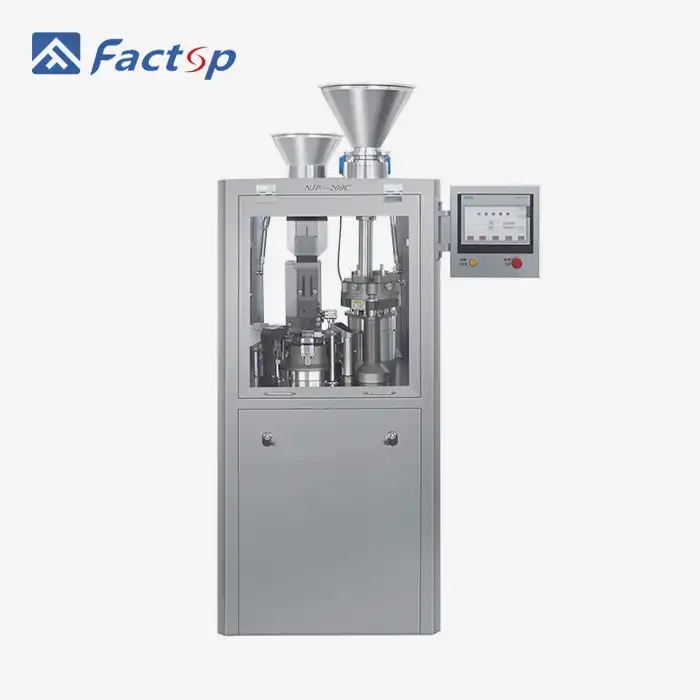
Semi-automatic systems can handle between 1,000 and 5,000 pills per hour and are in between fully automated and human systems. The CGN208-D model is a good example of this type because it can handle powder, granule, and small pill forms while still giving accurate doses. These machines have both automatic and human override settings, which gives growing plant supplement businesses the production freedom they need.
Automatic capsule filling machines can make more than 10,000 capsules per hour thanks to their advanced control systems, servo motors, and quality tracking built right in. Comprehensive regular maintenance plans are needed for these systems, but workers are rewarded with high accuracy and lower labor costs.
Critical Machine Components
Knowing about the key parts lets you do focused maintenance that stops problems from happening out of the blue. The capsule feeding system controls the direction and placement of empty capsules. It needs to be cleaned regularly to keep plant powder from building up and causing jams. Dose stations use tamping pins and dose discs to control the accuracy of the fill weight. These parts are especially likely to wear out when working with rough plant materials.
Sealing devices keep the capsules whole by applying exact pressure and controlling the temperature. To keep the airtight seals that are necessary for product safety, these systems need to be carefully calibrated and inspected on a regular basis. Control screens have sensors, motors, and safety systems built in that constantly check the production factors and let workers know if anything is off before quality problems happen.
Essential Maintenance Tips for Herbal Supplement Capsule Filling Machines
Structured repair procedures keep tools, including the herbal supplement capsule filling machine, working well and make sure that standards for pharmaceutical making are met. Different herbal products have different powder properties, wetness levels, and particle sizes that make machine operation difficult.
Daily Cleaning and Sanitization Procedures
Botanical powders pose a risk of contamination, so they need to be cleaned very carefully between production runs. To begin each maintenance cycle, turn off all power sources and remove any objects that come into touch with the product so that they can be cleaned thoroughly. Be careful when taking apart dose stations, and write down the direction of each part to make sure it is put back together correctly.
Clean all surfaces with pharmaceutical-grade liquids that have been cleared, focusing on the tamping pinholes and dose disc spaces where herb leftovers tend to build up. Ultrasonic cleaning baths get rid of tough plant matter buildup on complicated parts without damaging them mechanically. Finish the cleaning process by using the right disinfectants and giving them enough time to work before rinsing with clean water.
Keep track of all cleaning tasks in maintenance logs by writing down the cleaning products used, the times of touch, and the signatures of the operators. This paperwork helps with following the rules and creates patterns that show when parts will need to be replaced.
Lubrication and Wear Component Inspection
Proper lubrication increases the life of parts and keeps them within the exact mechanical limits needed for accurate doses. Check the tamping pins every day for signs of wear by measuring changes in size that show they need to be replaced. Worn pins make fill weights less uniform and increase the number of damaged capsules, which has a direct effect on the quality of the product.
Dosing discs need to be checked for accuracy every week using precise measuring tools. Herbal powders with silica or other gritty ingredients make wear happen faster, especially in places where a lot of products are made. When the maker of a part lets the sizes change more than what they allow (usually 0.05 mm), it needs to be changed.
When putting food-grade oils on bearing surfaces and mechanical connections, make sure to follow the manufacturer's directions. It is important to use the right amount of grease. Too much grease pulls up plant dust, and too little grease speeds up wear. To find motor problems before they get too big to fix, keep an eye on how much grease is being used.
Preventive Maintenance Scheduling
By making detailed repair plans, you can avoid unplanned downtime and get the most out of the times you need to replace parts. Once a week, approved test weights are used to check the accuracy of dosing, and the results are put down in quality control logs. A deep clean once a month gets rid of dirt and grime that normal care can't reach. This keeps the dirt and grime from building up over time.
As often as every three months, the safety system, the electrical links, and the setting of the control system are all checked. These in-depth studies show that things are getting worse, which could harm the quality of the product or worker safety. As part of an annual maintenance check, all the parts are taken apart and changed based on how worn they are. The system is then recalibrated to factory standards.
Common Troubleshooting Issues and Effective Solutions
Finding problems quickly keeps production running smoothly and cuts down on breaks. Knowing the most common types of failure lets workers take quick, appropriate action.
Capsule Jamming and Feed Problems
Most of the time, capsule jams happen because the feeding system isn't set up right or the capsules are too big or too small. Stop making things right away if you get stuck, and carefully take out the capsules that are stuck. You don't want to damage the food systems. Make sure the humidity stays below 65% so the shell doesn't change shape, and check how the capsules are being kept.
Check the box's length and width to make sure they are the right sizes for the machine. Size changes bigger than a range of ±0.1 mm cause feeding problems that show up as rates of jamming or rejection. If changes in the temperature outside affect the flexibility of the capsule shell, change the time of the filling system.
Thoroughly clean the feeding tracks to get rid of the plant matter dust that builds up and makes it harder to see. Use only a small amount of food-grade oils to coat the guide rails. Using too much will cause contamination.
Filling Accuracy Deviations
Dose errors can be caused by a number of things, such as worn tamping pins, damaged dose discs, or changes in the way powder flows. To start fixing the problem, use standardized moisture testers to check the powder's moisture level. Herbal vitamins easily take in water from the air, which changes how they move and how dense they are.
Use approved reference standards to calibrate dosing systems. To reach goal weights, change the tamping pressure and time settings. Write down all of your changes in calibration logs so that you can find your default settings again in the future. When changes go outside of their regular ranges, old parts need to be replaced.
Check powder mixtures for flow agents that make the consistency better without affecting the purity of the product. Adding magnesium stearate or silicon dioxide in amounts below 1% concentration makes the powder run much better while keeping the plant supplement's authenticity.
Motor and Control System Malfunctions
When an electrical system fails, it usually shows up as action that isn't steady, time problems, or the system shutting down completely. Use accurate multimeters to check the security of the power supply's voltage and make sure it stays within the manufacturer's guidelines. When voltage changes by more than ±5%, servo motors become unstable and control system mistakes happen.
Check the links on the control panel for rust or looseness that could cause problems to happen from time to time. Use the right chemicals to clean the electrical contacts, and then put on dielectric grease to stop rust from happening again. To keep safety risks from happening and system damage under control, replace broken wiring leads right away.
Follow the manufacturer's instructions for updating control software, and make a copy of current programs before making any changes on the herbal supplement capsule filling machine. Software changes often fix problems that come up when new plant formulas or packing materials are used.
Maximizing Machine Performance: Speed, Capacity, and Efficiency Optimization
Achieving optimal production efficiency requires balancing speed, accuracy, and reliability through systematic performance optimization approaches. Modern herbal supplement manufacturers demand maximum throughput while maintaining stringent quality standards.
Production Capacity Analysis
Evaluate current production rates against theoretical machine capabilities to identify improvement opportunities. The CGN208-D model handles diverse material types, including powders, granules, and small pills, offering flexibility essential for multi-product facilities. Document actual production rates for different herbal formulations, establishing baseline performance metrics.
Analyze changeover times between different products, implementing standardized procedures that minimize downtime. Prepare component sets for each formulation, enabling rapid transitions without extended cleaning cycles. Train operators in efficient changeover techniques, reducing transition times from hours to minutes.
Monitor reject rates continuously, correlating defects with specific operating parameters. High reject rates indicate system optimization opportunities or component replacement needs that affect overall efficiency calculations.
Operator Training and Skill Development
Comprehensive operator training programs significantly impact machine performance through reduced error rates and faster problem resolution. Develop standardized operating procedures covering normal operation, routine maintenance, and basic troubleshooting techniques. These procedures should address herbal supplement-specific requirements, including contamination prevention and material handling protocols.
Implement certification programs that verify operator competency before independent machine operation. Regular refresher training sessions introduce new techniques while reinforcing fundamental principles. Document training completion in personnel files, supporting regulatory compliance requirements.
Encourage operators to maintain detailed production logs recording parameter settings, environmental conditions, and product quality observations. This data provides valuable insights for continuous improvement initiatives and predictive maintenance programs.
Performance Monitoring and Continuous Improvement
Install monitoring systems that track key performance indicators, including production rate, fill weight accuracy, and rejection percentages. Real-time data analysis enables immediate corrective actions, while historical trending identifies gradual performance degradation requiring preventive intervention.
Implement statistical process control techniques that establish control limits for critical parameters. When measurements exceed established limits, investigate root causes systematically rather than making arbitrary adjustments that could worsen conditions.
Collaborate with herbal supplement formulation teams to optimize powder characteristics for herbal supplement capsule filling machine compatibility. Minor formulation adjustments often yield significant improvements in processing efficiency without compromising product efficacy.
Conclusion
Effective maintenance and troubleshooting protocols form the backbone of successful herbal supplement capsule filling operations. Understanding your equipment capabilities, implementing structured maintenance schedules, and developing systematic troubleshooting approaches protect your investment while ensuring consistent product quality. Regular attention to cleaning procedures, component wear patterns, and performance optimization creates a foundation for sustainable production growth. The complexity of herbal supplement manufacturing demands specialized equipment backed by comprehensive technical support, making supplier selection a critical business decision that impacts long-term operational success.
FAQ
1. How often should I perform comprehensive maintenance on my capsule filling machine?
Comprehensive maintenance frequency depends on production volume and material characteristics. High-volume operations require weekly deep cleaning and monthly mechanical inspections, while lower-volume facilities can extend intervals to biweekly and quarterly, respectively. Abrasive herbal materials may necessitate more frequent component inspections to prevent excessive wear.
2. What indicators suggest tamping pin or dosing disc replacement?
Monitor dimensional changes exceeding 0.05 mm tolerance, visible wear patterns, or consistent fill weight deviations despite calibration adjustments. Increased capsule damage rates or rejection percentages also indicate component wear requiring immediate attention. Document measurements regularly to establish replacement timing patterns.
3. Can capsule filling machines handle different herbal powder formulations without extensive modifications?
Modern equipment like the CGN208-D model accommodates diverse powder characteristics through adjustable parameters including tamping pressure, timing, and dosing volume. However, extremely cohesive or free-flowing materials may require formulation adjustments or specialized tooling to achieve optimal performance. Consultation with equipment manufacturers ensures compatibility assessment before production commitments.
Connect with Factop for Your Herbal Supplement Production Needs
Ready to optimize your herbal supplement manufacturing with reliable capsule filling solutions? Factop's experienced team stands ready to assess your specific production requirements and recommend equipment perfectly matched to your operational goals. Our CGN208-D model currently in stock offers immediate availability for urgent production needs, while our comprehensive service network ensures ongoing technical support wherever your facility operates.
Contact michelle@factopintl.com to discuss your herbal supplement capsule filling machine requirements with our technical specialists. We provide detailed equipment specifications, customization options, and comprehensive quotations tailored to your production volume and budget considerations.
References
1. Smith, J.A. "Pharmaceutical Equipment Maintenance Standards for Herbal Supplement Manufacturing." Journal of Pharmaceutical Engineering, 2023.
2. Chen, L.M. "Troubleshooting Guide for Capsule Filling Operations in Natural Product Manufacturing." International Pharmaceutical Technology Review, 2023.
3. Rodriguez, M.P. "Preventive Maintenance Protocols for Capsule Filling Equipment." Pharmaceutical Manufacturing Excellence, 2022.
4. Thompson, R.K. "Quality Control Considerations in Herbal Supplement Production Equipment." Natural Product Manufacturing Quarterly, 2023.
5. Williams, D.S. "Performance Optimization Strategies for Semi-Automatic Capsule Filling Systems." Industrial Pharmaceutical Equipment Journal, 2022.
6. Kumar, A.N. "Maintenance Best Practices for Botanical Processing Equipment." Herbal Supplement Manufacturing Review, 2023.
YOU MAY LIKE