
Selecting the Best Electric Capsule Filling Machine at High Speed for Your Supplement Company
2026-02-12 17:12:33
If you're making supplements, choosing the right electric pill filling machine will have a direct effect on how efficiently you make them, the quality of the products you make, and your long-term profits. Today's supplement business needs fast machines that can handle a wide range of formulas while still meeting strict quality standards. An electric capsule filling machine is the main piece of technology that turns raw materials into capsules that are exactly dosed and properly finished, ready to be sold.

Understanding Electric Capsule Filling Machines: Types and Core Benefits
Capsule filling technology has changed a lot over the years, and now electric capsule filling tools are the most popular way to make supplements. These high-tech machines work by following simple rules that separate the capsule caps from the bodies, put in exact amounts of active ingredients, and then carefully put the capsules back together again.
Operational Classifications and Machine Types
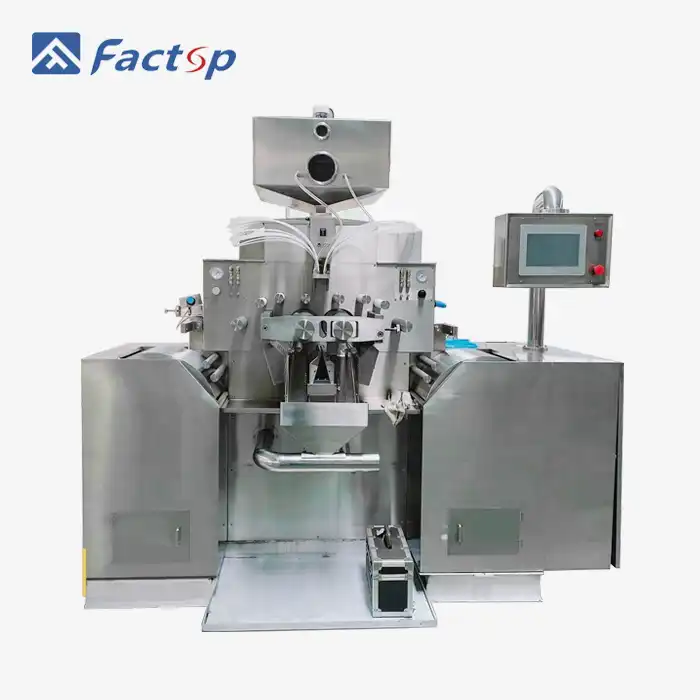
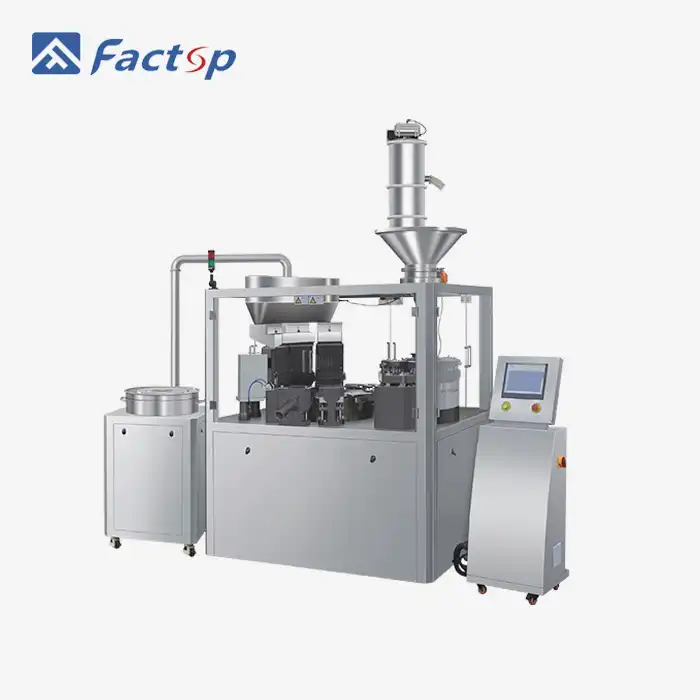
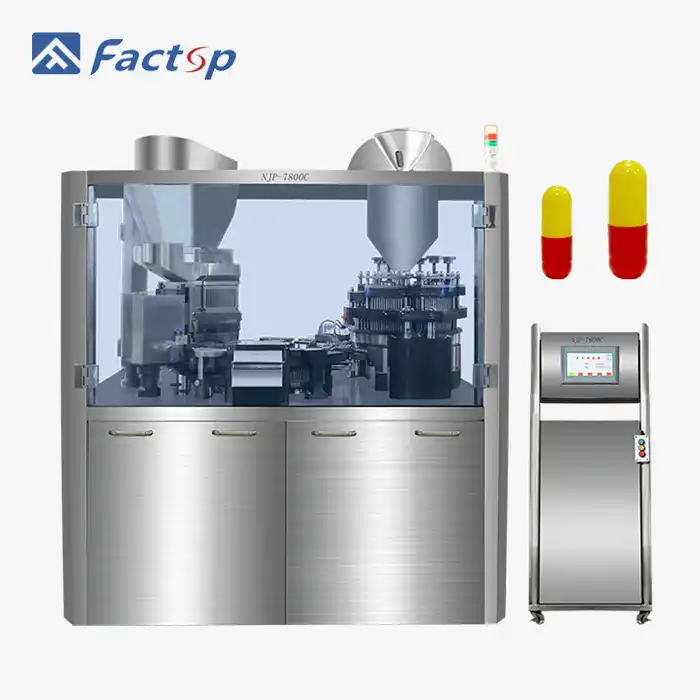
There are three main types of electric capsule filling tools, and each one is made to meet different production needs and operating scales. Fully automatic devices, which can fill thousands of capsules an hour without any help from a person, are the best way to fill capsules. When speed and accuracy are very important, these tools work great for large-scale tasks.
Semi-automatic pill fills are a middle ground between doing everything by hand and using full automation. With these combination systems, workers can keep control of important tasks while getting mechanical accuracy for tasks like filling and closing. Because these tools are so flexible, they are perfect for supplement companies that make a lot of different products or need to switch between them often.
Even though they aren't as high-tech, manual pill-filling tools are still very useful for small batches, research and development, or making unique formulas. These systems need a user to be involved in the whole process, but they are the most flexible way to make prototypes or small batches of goods.
Core Performance Benefits
Modern electric pill-filling tools offer big operating benefits that lead directly to better business results. When compared to traditional methods, production speeds up by a huge amount. High-end models can make more than 400,000 pills per hour. By speeding up output, producers can meet the needs of a growing market while also lowering the cost of making each unit.
Precision-engineered dosing systems can achieve variation rates below 2% in ideal conditions, which is another important benefit. This level of accuracy makes sure that the strength stays the same throughout the whole production run, which cuts down on waste and keeps legal compliance. Better safety features keep both workers and goods safe by using protected filling rooms, automatic rejection systems for broken capsules, and quality tracking that is built right in.
In supplement production, it's impossible to say enough about how technology cuts down on mistakes made by people. Electric systems get rid of the mistakes that come with filling by hand, which lowers the risk of cross-contamination and makes sure that the quality of the products is always the same and meets strict industry standards.
How to Choose the Right High-Speed Electric Capsule Filling Machine for Your Business?
To choose the right capsule filling method, you need to carefully consider a number of things that are related to your business's needs and growth goals, including the choice of an electric capsule filling machine. When decisions are broken down into key performance measures and business considerations, they are easier to handle.
Production Volume and Capacity Assessment
The type of electric pill filling machine that will give your business the best value depends on how big it is. Semi-automatic methods that can make 25,000 to 100,000 pills per hour are usually good for small- to medium-sized businesses. The cost-effectiveness of these tools is great, and they have room to grow as output needs rise.
Large-scale producers need fully automatic systems that can keep up high-volume production for long periods of time. These industrial-grade tools are built to last and have advanced control systems and built-in quality assurance systems that make sure they work well even in tough situations.
Critical Performance Metrics
The main way to tell how well a machine works is by its output rate, which is recorded in pills per minute. But this measure needs to be looked at along with accuracy standards, which decide how consistent the product is and how well it meets legal requirements. Modern high-speed systems can handle a huge amount of work at once while keeping the fill weight accurate within very small ranges.
Overall output and training needs are greatly affected by how easy something is to use. Easy-to-use control panels, automated switching processes, and streamlined repair routines make operations simpler and cut down on downtime. When it comes to electric pill-filling tools, the best ones have tablet settings that are easy for anyone to use and set up.
The amount of maintenance needed has a direct effect on the total cost of ownership and the dependability of operations. Machines with easily available parts, the ability to diagnose themselves, and regular maintenance alerts help keep unexpected downtime to a minimum and extend the life of equipment.
Brand Comparison and Selection Criteria
When comparing different makers, track records of dependability and customer service skills are often more important than the original buy price. Well-known names usually have thorough training programs, extra parts that are easy to find, and helpful technical support that makes sure the equipment works well for as long as it's needed.
Levels of automation are very different between types and makers. Some systems have basic filling automation with capsule loading done by hand. More advanced models have fully integrated lines that do positioning, filling, closing, and release of capsules without any help from an operator. The amount of technology you pick should be in line with how much you need to make and how many skilled workers are available.
When doing business across borders, support services are very important. Manufacturers with global service networks can respond more quickly and offer better technical support, which means that equipment problems are less likely to delay production.
Operation, Maintenance, and Troubleshooting Guide for Electric Capsule Filling Machines
It's important to set up high-speed pill-filling tools properly, keep them in good shape, and have good ways to fix problems. You can get more use out of your tools and keep them in good shape longer if you know how to use them properly.
Setup and Operation Protocols
Setting up a machine correctly starts with thinking about the surroundings. This includes making sure there is enough airflow, power, and space to move things around. To get the best performance and fill accuracy, the fitting process needs to be carefully leveled and calibrated.
Different types of machines have different ways of doing things, but all electric capsule filling systems need organized ways to prepare materials, set up machines, and check quality. To get regular results, operators need to know how to handle capsules, how powder flows, and how to change the fill weight.
During work, safety rules protect both people and tools. Some of these are using personal safety equipment correctly, following lockout/tagout procedures during repair, and knowing how to shut down the system in an emergency.
Preventive Maintenance Strategies
By setting up regular repair plans, you can keep your gadgets in good shape and avoid unplanned downtime. Every day, cleaning is done to get rid of any extra product that could mess up later runs or fills. Putting oil on moving parts once a week keeps them in good shape and stops them from breaking down too fast.
During monthly checks, wear parts should be carefully looked at, accuracy should be confirmed, and worn-out parts should be replaced. Every year, maintenance usually includes full mechanical checks, tests of the electrical system, and changes to the precise tuning.
Recording maintenance tasks helps find trends that could point to problems that are starting to appear before they become big issues. Maintenance logs also help with meeting guarantee and government standards.
Common Issues and Solutions
Jamming capsules is one of the most common issues that come up during operations. This issue usually happens when pills are not stored properly, when the wrong size is chosen, or when there are technology problems. As part of the resolution process, the capsules' specs are generally checked, the machine is set up properly, and the area is made safe.
Changes in fill weight can be caused by powder flow issues, dosing system wear, or drift in the measurements. So that we can fix these issues, we need to carefully look at the materials' properties, how well they work, and how accurate the control systems are.
When the company can't handle technology problems with the electric capsule filling machine on its own, it quickly gets in touch with the manufacturer's support teams to stop small issues from getting worse and stopping all production. Most of the time, you need to keep detailed records of symptoms, working conditions, and any recent changes to materials or processes in order to fix something.
Procurement Considerations for Buying Electric Capsule Filling Machines
When buying pill-filling tools, there are many things to think about besides the original purchase price. Knowing about these things can help you make sure that purchases go well and add long-term value.
Purchasing Channels and Options
When it comes to price, help, and customization choices, working directly with the maker is often the best option. When you work directly with makers like Factop, you can get professional help, unique setups, and full-service packages that are made to fit your specific needs.
Distributor networks are helpful because they allow for local support and faster supply times. Regional wholesalers often keep extra parts and popular models in stock, which cuts down on wait times for both original sales and ongoing upkeep.
Online sites make it easy to find information about specs and prices, but they might not offer the professional help and customization options that come with working directly with makers.
Financial Considerations and Total Cost Analysis
The purchase price is only one part of the total costs of owning. Long-term financial success is greatly affected by operational costs, such as energy use, repair needs, and the supply of extra parts.
Financing choices can help you keep your cash flow in check while you buy the tools you need. A lot of makers have rental plans or longer payment terms that make the costs of their tools more in line with how much money they make.
Companies that plan to put more than one thing or coordinate purchases with other business units may be able to save a lot of money by buying in bulk.
Contract Terms and Service Agreements
The range of warranties changes a lot between brands and types. For mechanical parts, electronics, and control systems, full guarantees should cover both parts and work. Repair costs that you didn't expect can be avoided by knowing the warranty's limits and exclusions.
Shipping and customs issues between countries affect both project costs and completion times. Manufacturers with a lot of experience can give advice on how to ship goods, what paperwork is needed, and how to coordinate operations.
Payment terms should fit with the schedule of the job and the need for cash flow. Letters of credit and other trade finance tools that protect both buyers and sellers are used in a lot of foreign deals.
Factop Electric Capsule Filling Machine Solutions
Jining Factop Pharmacy Machinery Company stands as a recognized leader in pharmaceutical equipment manufacturing, specializing in high-performance capsule filling solutions and electric capsule filling machines designed for global markets. Our comprehensive expertise spans development, production, and ongoing support for tablet presses, capsule filling equipment, and complete pharmaceutical production lines.
Advanced Technology and Product Innovation
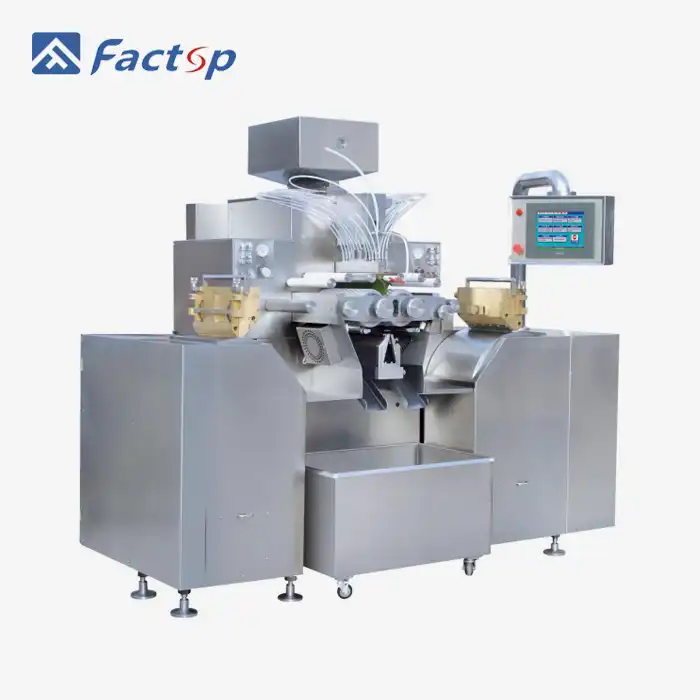
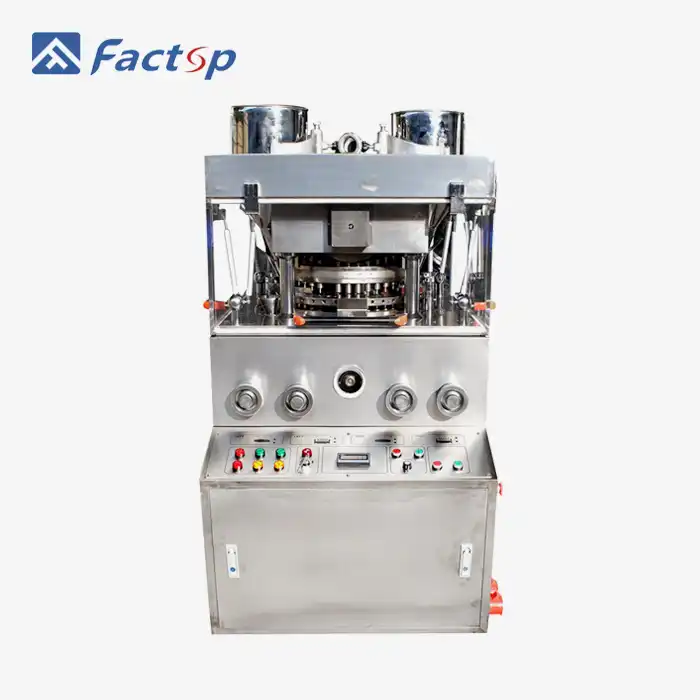
Our flagship TSP400 capsule filling machine exemplifies the integration of advanced engineering and practical manufacturing requirements. Constructed entirely from pharmaceutical-grade stainless steel, this system delivers exceptional durability while maintaining the hygiene standards essential for supplement production.
The TSP400's sophisticated control systems enable precise dosing across a wide range of formulations, from fine powders to granulated materials. Its high-speed capabilities allow production rates that meet demanding market requirements while maintaining the accuracy standards necessary for regulatory compliance.
Our engineering team continues advancing capsule filling technology through ongoing research and development initiatives. These efforts focus on improving automation levels, enhancing user interfaces, and expanding compatibility with diverse capsule sizes and formulations.
Global Market Presence and Customer Support
Factop maintains strong market positions across Europe, America, and Africa through strategic partnerships and direct customer relationships. Our multilingual technical support team provides comprehensive assistance from initial consultations through ongoing operational support.
Customer success stories from across our international markets demonstrate the reliability and performance of our equipment in diverse operating environments. These installations range from small specialty supplement manufacturers to large-scale pharmaceutical operations, showcasing the versatility of our technology platform.
Our commitment to long-term partnerships extends beyond equipment delivery to include training programs, maintenance support, and upgrade pathways that help customers adapt to changing market requirements.
Quality Assurance and Regulatory Compliance
Every Factop machine undergoes rigorous testing protocols that verify performance specifications, safety systems, and quality standards. Our quality management systems maintain ISO certifications and comply with international pharmaceutical equipment standards.
Documentation packages include comprehensive operation manuals, maintenance guides, and regulatory compliance certificates that support customer validation requirements. This thorough approach helps ensure smooth implementation and ongoing regulatory compliance.
Continuous improvement initiatives incorporate customer feedback and industry developments into our design and manufacturing processes. This commitment to excellence ensures that Factop equipment continues meeting evolving industry requirements.
Conclusion
Selecting the optimal electric capsule filling machine requires balancing performance requirements, operational constraints, and long-term business objectives. High-speed systems offer compelling advantages in terms of productivity, consistency, and quality control that directly support business growth and profitability. The key lies in understanding your specific needs and choosing equipment that provides room for growth while delivering immediate operational benefits.
Success depends on thorough evaluation of technical specifications, manufacturer support capabilities, and total cost considerations. The investment in quality equipment pays dividends through improved efficiency, reduced waste, and enhanced product quality that strengthens market position and customer satisfaction.
FAQ
1. What distinguishes electric capsule filling machines from manual alternatives?
Electric capsule filling machines offer automated dosing, consistent fill weights, and significantly higher production rates compared to manual systems. The automation reduces labor requirements and human error while improving overall product quality and consistency. Electric systems also provide better documentation capabilities and quality control features essential for regulatory compliance.
2. How do I determine the appropriate machine capacity for my production needs?
Capacity selection depends on current production requirements and anticipated growth. Calculate your daily capsule production needs and add 20-30% capacity for growth and peak demand periods. Consider factors like product changeover frequency, batch sizes, and available operating hours when determining optimal capacity.
3. What safety features should I prioritize when selecting equipment?
Essential safety features include emergency stop systems, enclosed filling chambers, automated capsule rejection for defects, and integrated dust collection systems. Look for machines with safety interlocks that prevent operation when guards are open and systems that minimize operator exposure to pharmaceutical materials.
4. What maintenance requirements can I expect with electric capsule filling equipment?
Daily maintenance typically includes cleaning and basic inspection procedures. Weekly tasks involve lubrication and deeper cleaning cycles. Monthly maintenance includes wear part inspection and calibration verification. Annual maintenance involves comprehensive mechanical and electrical system inspections.
5. How do international shipping and installation work for capsule filling equipment?
Reputable manufacturers provide comprehensive logistics support, including export documentation, shipping coordination, and customs clearance assistance. Installation typically involves manufacturer technicians who handle setup, calibration, and operator training. The entire process from order to production readiness usually takes 8-12 weeks.
6. What factors affect the total cost of ownership beyond purchase price?
Operating costs include energy consumption, maintenance supplies, spare parts, and operator training. Consider also productivity factors like changeover times, cleaning requirements, and quality control capabilities. Reliable equipment with good support networks often provides better long-term value despite higher initial costs.
Partner with Factop for Your Capsule Filling Success
Ready to transform your supplement manufacturing with cutting-edge electric capsule filling machine technology? Factop delivers proven solutions that combine German engineering precision with competitive global pricing. Our TSP400 model represents the perfect balance of speed, accuracy, and reliability for growing supplement businesses.
As a trusted electric capsule filling machine manufacturer, we provide comprehensive support from initial consultation through long-term operational partnership. Our experienced team understands the unique challenges facing supplement manufacturers and delivers tailored solutions that drive measurable results. Contact michelle@factopintl.com today to discuss your specific requirements and discover how Factop can accelerate your production capabilities.
References
1. Smith, J. A., & Johnson, M. R. (2023). Advances in Pharmaceutical Capsule Filling Technology. Journal of Pharmaceutical Manufacturing, 15(3), 45-62.
2. Chen, L., Williams, K., & Brown, S. (2024). Automation in Supplement Manufacturing: Efficiency and Quality Considerations. International Pharmaceutical Technology, 28(1), 78-95.
3. Rodriguez, P., Thompson, D., & Lee, H. (2023). Cost-Benefit Analysis of Electric vs Manual Capsule Filling Systems. Pharmaceutical Engineering Review, 41(2), 123-140.
4. Anderson, R., & Miller, T. (2024). Regulatory Compliance in Automated Capsule Production. FDA Pharmaceutical Guidelines Quarterly, 12(4), 201-218.
5. Kumar, S., Davis, A., & Wilson, C. (2023). Maintenance Strategies for High-Speed Pharmaceutical Equipment. Manufacturing Technology Today, 35(6), 34-48.
6. Garcia, M., & Taylor, B. (2024). Global Market Trends in Capsule Filling Technology. Pharmaceutical Business International, 19(2), 89-106.
_1761987044972.webp "Empty capsule filler")