How to Choose the Best Pill Encapsulation Machine for Your Small Business
2026-02-12 17:13:15
Before you buy a pill packing machine for your small business, you should think about how much it can make, how much you can spend, and how the business can grow in the future. This is true whether you're making nutraceuticals, food supplements, or medicines. The right capsule tools and pill encapsulation machine will make or break your business and the products you make. There are a lot of useful details in this guide, including types of machines, performance needs, and ways to judge sellers. This is done to help you choose a purchase that fits the needs of your business.

Understanding Your Small Business Needs and Decision Scenarios
When looking for capsule tools, small companies in the pharmaceutical, nutrition, and health supplement industries face unique problems. Basically, the type of tools that will work best for your business depends on what you need to make.
Assessing Production Volume Requirements
The most important thing to think about when buying tools is how much they can make. Small businesses that have been around for a while may need machines that can make 100,000 to 500,000 units per day. New businesses usually start out making between 5,000 and 50,000 pills per day. You won't have to spend too much on capacity that you don't need if you know how your demand is expected to grow and what kind of machines you need.
Lack of funds often forces small businesses to decide between meeting present wants and making plans for future growth. Most tools that fill capsules partially automatically cost between $3,000 and $15,000. Businesses that don't need to make a lot of pills should choose these. Systems that are fully automatic need a lot of money and have a higher output. They cost between $20,000 and $100,000.
Evaluating Product Specifications and Material Compatibility
The machine needs to be able to do certain things for every recipe. It's important to make sure that the dose of powdered vitamins stays between 2 and 5 percent, and oil-filled pills need to be sealed in a certain way so they don't leak. There are more than just fill chemicals that are materially compatible. Case in point: most standard machines can handle gelatin capsules just fine, but HPMC veggie capsules might need different settings or special tools.
Which machine you choose will also depend on the types of goods you sell. When a business makes more than one recipe, it needs tools that can quickly switch between them and have different amount settings. The people who make a single product can change it so that it works best for certain needs without changing the things that make it useful in other cases.
Exploring Types and Features of Pill Encapsulation Machines
If you know the differences between the different kinds of machines, like the pill encapsulation machine, you can get the right tools for your wants and your growth goals. Each type has its own perks that depend on the size and complexity of your business.
Manual and Semi-Automatic Encapsulation Systems
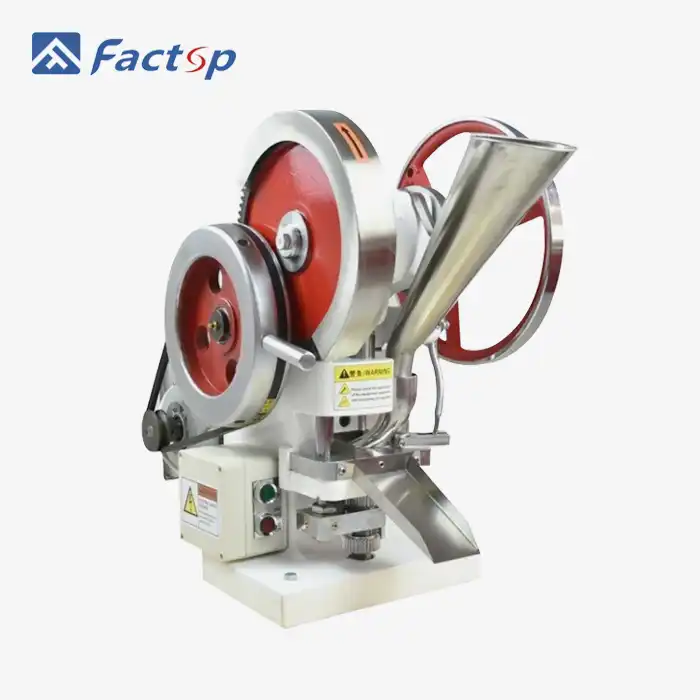
Small businesses can start out by using manual packaging tools to test the market or make one-of-a-kind goods in small amounts. For loading, separating, filling, and combining capsules, these devices need to be operated by a person. Even though they require a lot of work, they give you great control over the quality of each pill and require very little cash.
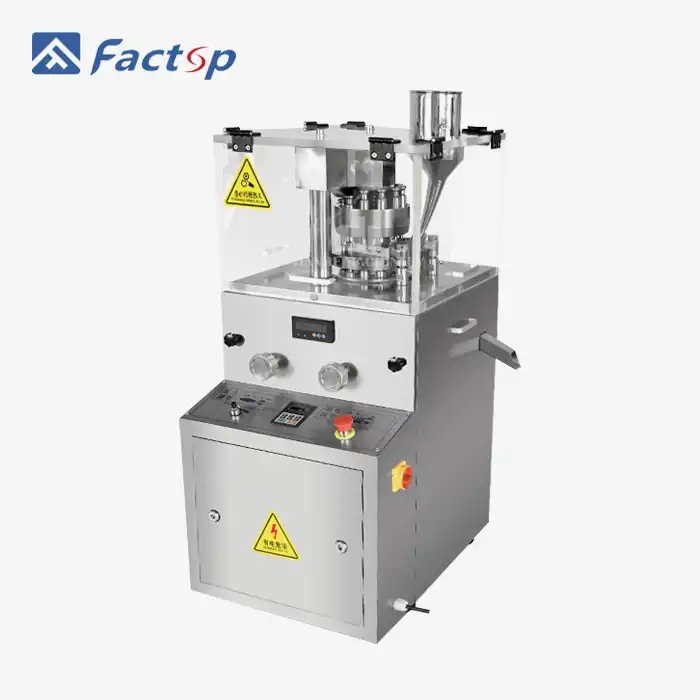
Semi-automatic pill fills are a middle ground between doing everything by hand and using full automation. The filling process is done automatically by these tools, but a person is still needed to handle the capsules and check the quality. They can make between 1,000 and 25,000 pills per hour, which means they can be used in small- to medium-sized businesses.
This group is led by the NJP-1200D model, which provides dependable performance for companies needing steady output without the difficulty of full automation. This kind of equipment is a great deal for businesses that need to make 50,000 to 200,000 pills every day while staying within their budgets.
Fully Automatic Encapsulation Solutions
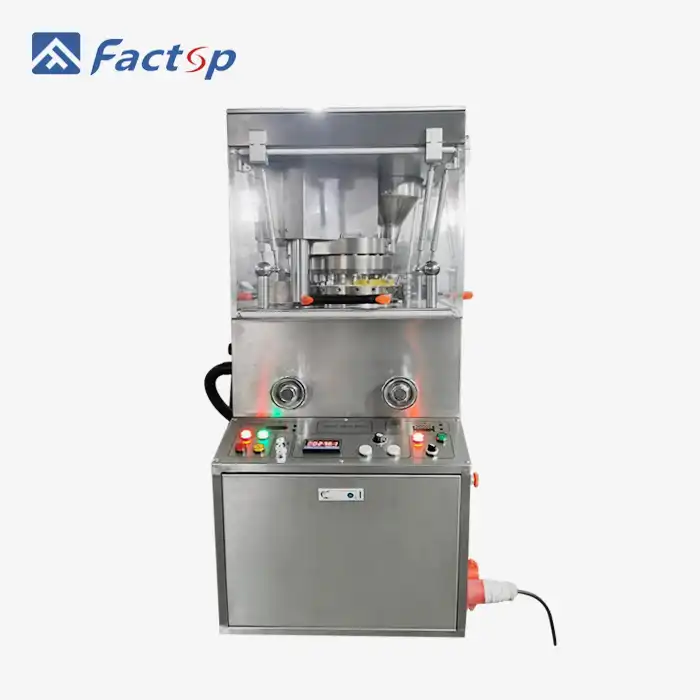
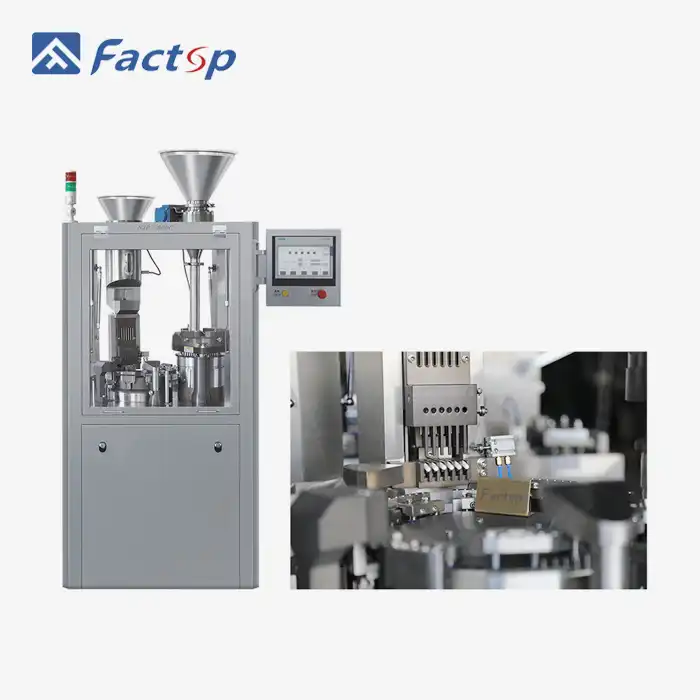
Fully automatic systems take care of the whole packaging process, from separating the capsules to ejecting them at the end. It is possible for these tools to make more than 100,000 pills per hour while still giving exact doses. More advanced models have systems that check the weight, make sure the capsules are oriented correctly, and automatically reject units that aren't working.
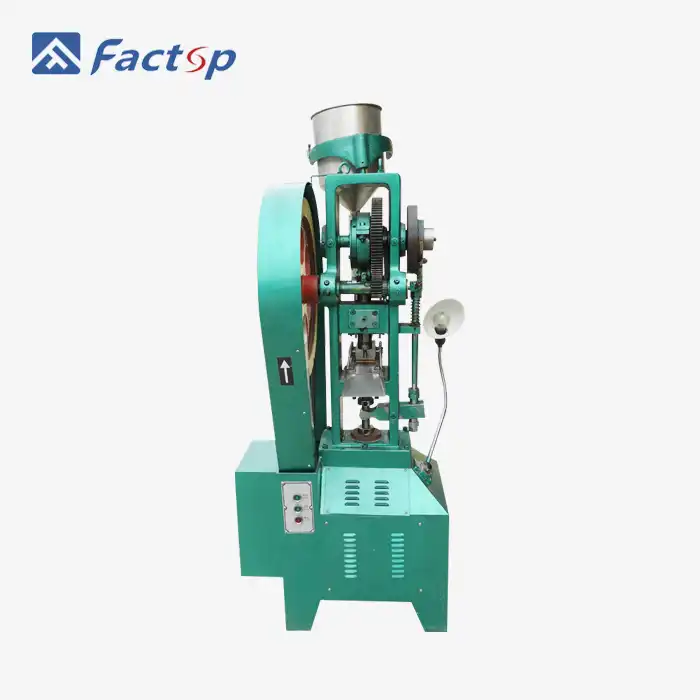
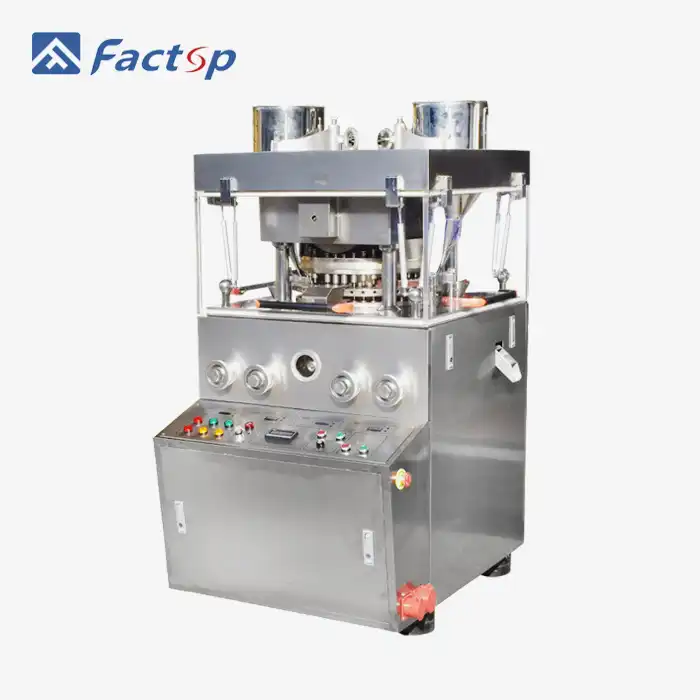
Rotary sealing machines are the most advanced tools for automating tasks. Multiple machines do operations like separating capsules, filling them, tamping them down, and joining them at the same time, which creates a constant flow of production. These systems are very efficient for high-volume processes, but they require a lot of money to set up.
When labor costs are more than 15-20% of production costs or when regular quality needs are higher than what can be done by hand, it makes sense to buy automatic equipment. These systems can also be expanded easily, which is useful for companies that want to grow quickly.
Comparing Market Options and Top-Rated Machines in 2026
The market for sealing tools has a wide range of choices at different price points and levels of functionality. Learning about the top makers and how they place their products helps you evaluate sellers and choose tools that meet your needs.
Leading Manufacturers and Product Offerings
Bosch Packaging Technology and other well-known companies control the high-end market with complex automatic systems made for medicinal uses. Precision, compliance, and integration are what their machines are known for, but they charge a lot for them—often more than $150,000 for full systems.
Mid-market sellers, like AIPAK and other similar companies, focus on making effective semi-automatic tools that can be used in small businesses. These companies usually have models that cost between $8,000 and $40,000, come with good technology help, and are delivered on time.
Factop Machinery is a great choice for small businesses that want to buy high-quality tools at a reasonable price. Their wide range of solutions includes manual, semi-automatic, and automatic options made just for businesses that are growing. The company's global relationship network and diverse customer service team make sure that customers in all areas can rely on the company's services.
Cost Analysis and Hidden Expenses
The costs of buying equipment are only a small part of the total costs of owning it. Installation and testing usually add 5–10% to the initial investment. Depending on how complicated the system is, operator training can add another 2–5%. Annual repair contracts usually cost between 8 and 12 percent of the value of the equipment but are necessary to keep it running at its best.
The price and availability of spare parts have a big effect on long-term operating costs. Machines that use standard parts make it easier to find replacement parts and plan for upkeep. Custom-designed solutions might work better, but they make you reliant on a few providers for ongoing help.
Different types of machines use very different amounts of energy. A pill encapsulation machine using a manual system doesn't need much power, but an automatic system can use 5 to 15 kW while it's running. Figuring out the yearly cost of energy helps figure out the real costs of running a business and its effect on the world.
Maintenance, Troubleshooting, and Operational Best Practices
Proper upkeep practices make sure that equipment lasts longer and that the quality of the products stays the same. Using organized methods to take care of your machines will protect your investment and cut down on unplanned downtime.
Preventive Maintenance Strategies
Maintenance plans that work are built on daily cleaning schedules. If you let powder dust and pill trash build up, they can damage machines and spread germs. Setting up cleaning plans that work with production cycles keeps machines in good shape without stopping work.
When to lubricate a machine depends on the type of machine and how often it is used. Moving parts on semi-automatic equipment usually need to be checked once a week, while high-speed parts on automatic systems may need to be oiled every day. Using oils that the maker recommends keeps the guarantee valid and stops wear and tear before it happens.
Using standards for inspecting components helps find problems before they stop production. Wear parts like tamping pins, dosing discs, and closing mechanisms are checked once a month so that they can be replaced during planned breaks instead of having to be fixed quickly during production runs.
Common Troubleshooting Solutions
The most common problem with all types of machines is that capsules get stuck. Usually, this problem is caused by differences in pill quality, wrong machine settings, or not cleaning well enough. Jamming problems can be avoided by using reliable pill sources and following the right storing methods.
Inconsistent fill weights are often a sign of worn dose discs or issues with powder flow. Regular calibration checks with approved weights make sure that the accuracy requirements are met and that any component wear and tear is found before it affects the quality of the product. Powder flow properties are also affected by things in the environment, such as humidity and temperature.
Manufacturers of machines usually include repair tools that explain how to fix common problems. Increasing internal knowledge through operator training cuts down on the need for calls to outside service providers and speeds up response times for small changes.
Procurement and After-Sales Support Considerations
Successful equipment procurement, such as for a pill encapsulation machine, extends beyond product specifications to encompass vendor evaluation, financing options, and ongoing support capabilities. These factors significantly influence long-term satisfaction and operational success.
Vendor Evaluation and Selection Criteria
Vendor stability and market presence indicate their ability to provide long-term support. Companies with established track records and global service networks offer greater confidence for ongoing parts supply and technical assistance. Evaluating vendor financial stability helps ensure continued support throughout equipment lifespan.
Technical support quality varies significantly between suppliers. Vendors offering multilingual support, remote diagnostics capabilities, and rapid response times provide advantages for maintaining operational continuity. Local service availability reduces downtime costs and improves maintenance scheduling flexibility.
Factop Machinery distinguishes itself through comprehensive customer support, including installation supervision, operator training, and ongoing technical assistance. Their global partnership network ensures local support availability while maintaining direct manufacturer relationships for complex technical issues.
Financing and Delivery Considerations
Payment terms significantly impact cash flow for small businesses. Suppliers offering flexible arrangements, including T/T, D/P, and D/A options, provide greater financial flexibility. Understanding Incoterms like FOB, CFR, and DDP helps evaluate true delivered costs and responsibility allocation.
Delivery scheduling affects production planning and market entry timelines. Standard equipment typically ships within 4-8 weeks, while customized systems may require 12-16 weeks. Planning procurement timelines around business development schedules prevents costly delays in product launches.
Transportation options, including ocean, land, and air freight, offer different cost and timing trade-offs. Ocean freight provides cost advantages for standard deliveries, while air transport enables rapid deployment for urgent requirements. Minimum order quantities of one set make encapsulation equipment accessible for small business budgets.
Conclusion
Selecting the optimal pill encapsulation machine requires balancing current production needs against future growth projections while maintaining budget discipline. Manual and semi-automatic systems provide excellent starting points for small businesses, offering flexibility and reasonable investment requirements. As production volumes increase, transitioning to automatic equipment becomes economically justified and operationally necessary. Vendor selection should prioritize technical support quality, parts availability, and long-term stability over initial price considerations. Proper maintenance practices and operator training protect equipment investments while ensuring consistent product quality that builds customer trust and market success.
FAQ
1. What production capacity should I expect from different machine types?
Manual encapsulation machines typically produce 500-2,000 capsules per hour depending on operator skill and product complexity. Semi-automatic systems achieve 1,000-25,000 capsules hourly, while fully automatic equipment can exceed 100,000 units per hour. Choose capacity based on current demand plus 25-50% growth allowance to avoid premature equipment obsolescence.
2. How do I ensure consistent capsule quality across production runs?
Consistent quality depends on proper machine calibration, quality raw materials, and standardized operating procedures. Regular weight checks using certified standards maintain dosing accuracy, while visual inspections catch defective capsules before packaging. Environmental controls for temperature and humidity help maintain powder flow characteristics and capsule integrity.
3. What maintenance requirements should I budget for encapsulation equipment?
Budget 8-12% of equipment value annually for maintenance, including parts, labor, and service contracts. Daily cleaning requires 30-60 minutes depending on machine complexity, while weekly maintenance adds 2-4 hours for lubrication and adjustments. Plan major component replacements every 12-24 months based on production volume and material characteristics.
Partner with Factop for Your Encapsulation Equipment Needs
Discover how Factop can transform your small business production capabilities with our comprehensive range of encapsulation solutions. Our experienced team understands the unique challenges facing growing businesses and provides tailored equipment recommendations that balance performance requirements with budget considerations. As a leading pill encapsulation machine manufacturer, we offer the NJP-1200D and other proven models backed by global technical support and competitive pricing. Contact michelle@factopintl.com today for personalized consultation and detailed product specifications.
References
1. Smith, J.R., "Industrial Capsule Filling Technology: Principles and Applications," Pharmaceutical Manufacturing Review, 2024.
2. Anderson, M.K., "Small Business Equipment Selection in Pharmaceutical Manufacturing," Journal of Industrial Pharmacy, 2023.
3. Chen, L.W., "Automation Trends in Capsule Filling Operations," International Pharmaceutical Equipment News, 2024.
4. Rodriguez, P.A., "Cost-Benefit Analysis of Encapsulation Equipment for SMEs," Manufacturing Technology Quarterly, 2023.
5. Thompson, R.J., "Quality Control Systems in Capsule Manufacturing," Pharmaceutical Quality Assurance Handbook, 2024.
6. Williams, K.S., "Maintenance Best Practices for Pharmaceutical Processing Equipment," Industrial Maintenance Today, 2023.
YOU MAY LIKE