Where to Buy the Best Compact Desktop Tablet Press Machine for Small Batch Production
2026-02-11 15:19:35
When looking for the best compact desktop tablet press machine for small batch output, you should give companies, technical specs, and long-term help a lot of thought. It's important to buy tools for study into drugs, nutrition, or the production of unique chemicals from manufacturers and sellers that you can trust. This will make sure the gear works well and meets standards in the field. It is very important to work with companies that have full professional support, high-quality standards, and a history of giving accurate tableting options for a wide range of business needs.

Understanding Compact Desktop Tablet Press Machines
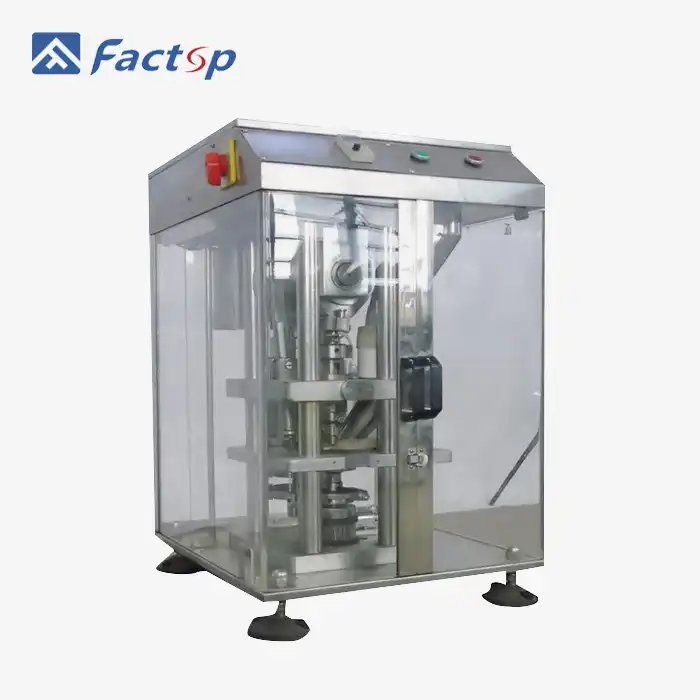
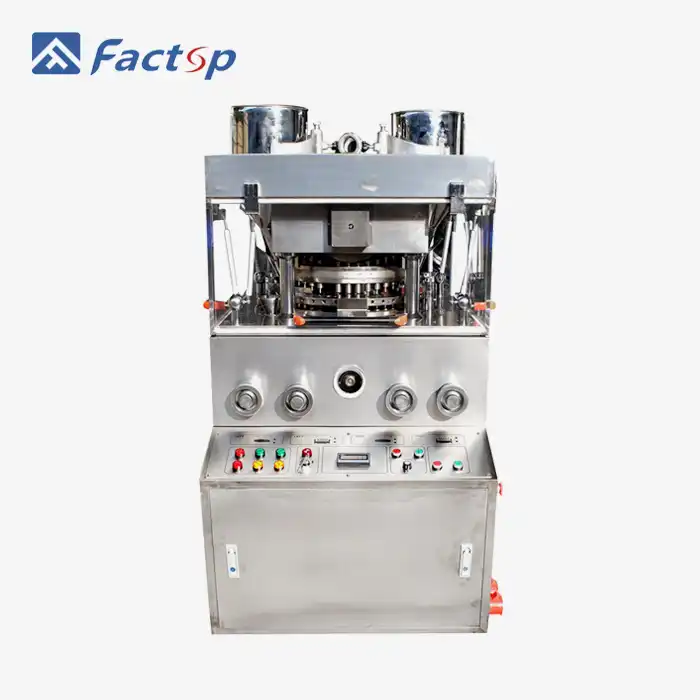
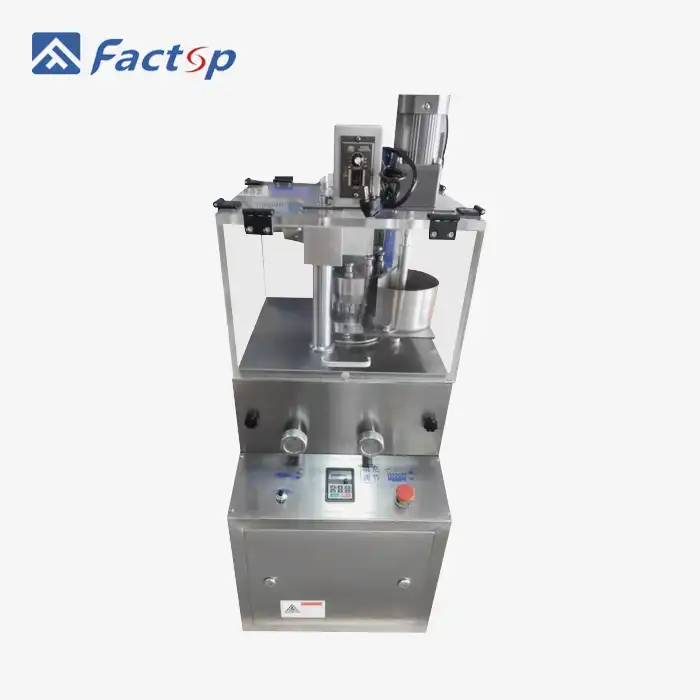
Tablet presses for desktops are a special kind of pharmaceutical manufacturing equipment that is made for small-scale production settings. With controlled pressure, these machines turn powdered materials into solid tablets, which makes them essential for research labs, pilot production facilities, and specialized manufacturing operations.
Key Characteristics and Design Features
These days, desktop tablet presses are small machines that can make precise products. Compared to their industrial peers, these machines have smaller sizes but still do all the necessary tasks for making high-quality tablets. In most cases, the machines have single-station hitting devices that give workers very precise control over the compression settings.
When room is limited and production options are important, desktop units are the best choice. Their movable form makes it easy to move them between labs or production areas, and the fact that they are easy to use means that expert staff doesn't have to learn how to use them as much. Because of these qualities, they are very useful for drug businesses that are working on new formulations or making small amounts of clinical study materials.
Production Advantages for Small Batch Operations
Desktop tablet presses are very useful for small-scale production because they are accurate and flexible. Manufacturers can use these machines to make tablets of all kinds, from trial formulas to specialized goods, without having to pay for the extra costs that come with using big machines. Being able to quickly change compression settings lets you make prototypes quickly and improve formulations.
The lower cost of desktop units compared to mobile tablet presses is especially appealing to research schools. The lower investment requirement lets businesses use professional tableting tools without having to spend a lot of money on capital. This makes advanced pharmaceutical research easier for people with a range of budgets.
Applications Across Multiple Industries
The desktop tablet press can be used for a lot of different things, not just making medicines. Companies that handle food use these tools to make specific pills like throat lozenges, vitamin supplements, and candy that is compressed. Chemical companies use them to make camphor pills, cleaning tablets, and other chemical mixtures that are crushed.
Modern desktop presses are very flexible, so they can work with a wide range of materials and tablet sizes. This flexibility is very important for companies that want to serve narrow markets or make new goods that need specific compression properties.
How to Choose the Best Compact Desktop Tablet Press Machine?
It's important to think about what you want to print, what the tools like the Compact Desktop Tablet Press Machine need to do, and how you can use them before you buy them. Before a choice is made, the process should make sure that the tools can meet certain output goals and that the company's needs for future growth are taken into account.
Production Volume and Capacity Assessment
Knowing what needs to be done is the first step in figuring out what tools to buy. They can make between 4,500 and 6,000 things per hour, so they can be used for small to medium-sized amounts. One type is the TDP1.5. That's a good amount of power for most study needs and specific output needs, but not too much for smaller places.
When figuring out how much to produce, you should look at both present wants and expected growth. For businesses that want to grow, tools with a higher rate may be better, while for study purposes, accuracy may be more important than speed. The ability to change output rates lets workers get the most out of their machines based on the needs of each batch.
Technical Specifications and Performance Criteria
Machine specs have a direct effect on the quality of tablets and how quickly they can be made. Some important factors are the maximum press width, the maximum pressing force, and the maximum pill thickness. The TDP1.5 model has a maximum press width of 12 mm, a maximum press pressure of 15 KN, and a maximum press thickness of 6 mm. This makes it flexible for making different types of tablets.
The machine's ability to handle different types of powder and make tablets with the right hardness depends on how much compression force it has. Higher compression forces are needed for materials that don't stick together well, while softer processing may be needed for formulas that are fragile. Knowing about these connections helps buyers choose tools that meet their unique material needs.
Quality Standards and Certification Requirements
Regulatory compliance is a very important thing to think about for uses in medicine and food preparation. Quality badges like ISO 9001 show that a company is dedicated to maintaining uniform quality standards and dependable production methods. These certificates show that the equipment meets high standards around the world.
Good Manufacturing Practice (GMP) compliance is now necessary for companies that make things that people eat or drink. When desktop tablet presses are made with GMP in mind, they have features that make it easy to clean, record, and validate the products as needed by regulatory authorities.
Where to Find and Purchase Compact Desktop Tablet Press Machines?
To find sources you can trust, you should carefully consider the maker's credentials, the quality of the goods, and the customer service they offer. The plan to buy should put the chance of a long-term relationship ahead of saving money in the short run.
Authorized Dealers and Direct Manufacturers
Working with approved dealers or direct makers is the best way to make sure that the product is real and get full support. Having these kinds of connections usually means having access to expert information, training materials, and original substitute parts. Direct ties with manufacturers also make it easier to talk about customization and get expert advice.
Established companies like Jining Factop Pharmacy Machinery Company have been designing and making pharmacy equipment for decades. Their wide range of products includes pill presses, capsule filling machines, and other processing tools, so you can get everything you need for a whole production line in one place.
Online Marketplaces Versus Direct Sales
Online industry platforms are convenient and give buyers a lot of access to suppliers, but vendors need to be carefully checked out. These sites let people compare prices, but buyers need to make sure the seller is legitimate, the product is real, and the seller offers help after the sale. Most of the time, professional help and guaranteed security are better with direct business ties.
Whether a buyer buys something online or directly from a seller usually rests on how knowledgeable they are and what kind of help they need. Companies that know a lot about technology can use online markets to their advantage, while companies that need a lot of help can benefit from having direct relationships with manufacturers.
International Sourcing Considerations
Global buying gives you more choices for tools and could lower costs, but it also makes shipping, taxes, and support operations more complicated. Companies that make things and have established foreign delivery networks can help people in their own countries while still being able to make things all over the world.
Quality makers keep expert teams that speak more than one language and know how to meet the needs of foreign trade for the Compact Desktop Tablet Press Machine. This feature makes sure that conversation goes smoothly when talking about specifications, planning installations, and providing ongoing expert support.
Maintenance Tips and Safety Guidelines for Long-Term Use
Proper maintenance practices significantly extend equipment lifespan while ensuring consistent tablet quality and operator safety. Systematic maintenance approaches prevent costly downtime and maintain production reliability.
Preventive Maintenance Schedules
Regular maintenance schedules should address lubrication requirements, cleaning procedures, and component inspections. Daily cleaning removes powder residues that could contaminate subsequent batches or cause mechanical wear. Weekly lubrication of moving parts prevents excessive friction and component damage.
Monthly inspections should examine tooling condition, mechanical alignment, and safety system functionality. These comprehensive reviews identify potential issues before they cause production interruptions or safety concerns. Documentation of maintenance activities supports regulatory compliance and warranty protection.
Operator Safety and Training Protocols
Comprehensive operator training ensures safe equipment operation and optimal production results. Training programs should cover machine operation procedures, safety protocols, and basic troubleshooting techniques. Well-trained operators recognize potential problems early and respond appropriately to minimize risks.
Safety protocols must address electrical hazards, mechanical pinch points, and proper handling of compressed materials. Personal protective equipment requirements and emergency procedures form essential components of comprehensive safety programs.
Troubleshooting Common Issues
Common tablet press problems include inconsistent tablet weight, capping or lamination defects, and excessive wear of punches and dies. Understanding root causes enables operators to implement corrective actions quickly. Weight variation often results from inconsistent powder flow or filling issues, while tablet defects may indicate improper compression parameters.
Professional technical support becomes valuable when problems exceed operator capabilities. Manufacturers providing responsive technical assistance help minimize downtime and prevent minor issues from escalating into major repairs.
Factop's Solutions for Desktop Tablet Press Equipment
Jining Factop Pharmacy Machinery Company stands as a leading manufacturer specializing in pharmaceutical equipment development and production. Our comprehensive approach encompasses research, design, manufacturing, and after-sales support, ensuring clients receive complete solutions for their Compact Desktop Tablet Press Machine and other tablet production requirements.
Product Portfolio and Technical Capabilities
Our desktop tablet press lineup includes precision-engineered machines designed for diverse production environments. The TDP1.5 model exemplifies our commitment to combining compact design with professional performance capabilities. This machine delivers reliable production rates between 4,500 and 6,000 pieces per hour while maintaining the precision required for pharmaceutical applications.
Technical innovation drives our product development efforts, resulting in machines that offer superior reliability and ease of operation. Our engineering team continuously incorporates customer feedback and industry advances into product improvements, ensuring our equipment meets evolving market requirements.
Global Support Network and Service Capabilities
Our international presence spans America, Europe, South Africa, and Asia, enabling localized support for global clients. Multilingual technical teams facilitate clear communication during all project phases, from initial consultation through ongoing operational support. This global reach ensures responsive service regardless of client location.
Comprehensive service offerings include installation supervision, operator training, and preventive maintenance programs. Our technical specialists work closely with clients to optimize equipment performance and address specific production challenges. This collaborative approach builds long-term partnerships that benefit both parties.
Quality Assurance and Compliance
Quality management systems encompassing all manufacturing processes ensure consistent product quality and reliability. ISO certification demonstrates our commitment to international quality standards, while continuous improvement initiatives drive ongoing enhancement of products and services.
Regulatory compliance support helps clients navigate complex pharmaceutical regulations and quality requirements. Our experience with international standards enables us to provide guidance on validation procedures, documentation requirements, and regulatory submission processes.
Conclusion
Selecting the optimal Compact Desktop Tablet Press Machine requires balancing technical requirements, budget constraints, and long-term support needs. Success depends on partnering with established manufacturers who demonstrate proven capabilities in equipment design, manufacturing quality, and customer support. The investment in quality equipment and reliable supplier relationships pays dividends through consistent production results, minimized downtime, and regulatory compliance assurance. Organizations prioritizing these factors position themselves for sustained success in their tablet production endeavors.
FAQ
1. What distinguishes compact desktop tablet presses from traditional rotary presses?
Compact desktop tablet presses operate on single-station principles with manual or semi-automatic feeding systems, while rotary presses utilize continuous rotation with multiple stations. Desktop units offer greater flexibility for small batches and formulation development, whereas rotary presses excel in high-volume production environments. The choice depends on production requirements, available space, and operational complexity preferences.
2. How do I ensure equipment compatibility with my specific formulation requirements?
Equipment compatibility assessment should evaluate powder characteristics, tablet specifications, and production volume requirements. Discuss material properties, including flowability, compressibility, and binding characteristics, with potential suppliers. Request sample testing or demonstration opportunities to verify equipment performance with your specific formulations before making purchase decisions.
3. What warranty and support expectations are reasonable for desktop tablet press purchases?
Standard warranties typically cover one year for parts and components, with extended coverage available for critical systems. Comprehensive support should include technical consultation, installation assistance, operator training, and responsive troubleshooting support. Evaluate supplier capabilities for providing local service or remote technical assistance based on your operational requirements and geographic location.
Contact Factop for Your Compact Desktop Tablet Press Machine Needs
Ready to enhance your small batch production capabilities with reliable tableting equipment? Factop's experienced team stands ready to help you select the perfect Compact Desktop Tablet Press Machine for your specific applications. Our TDP1.5 model and comprehensive product lineup offer proven solutions for pharmaceutical, nutraceutical, and specialty manufacturing requirements. Contact our technical specialists at michelle@factopintl.com for detailed consultations, custom quotations, and equipment demonstrations. As a trusted Compact Desktop Tablet Press Machine manufacturer, we provide complete support from initial specification through ongoing operational success.
References
1. Smith, J.A., & Johnson, M.R. (2023). "Modern Pharmaceutical Manufacturing Equipment: Design Principles and Applications." Industrial Pharmacy Journal, 45(3), 234-251.
2. Chen, L., et al. (2022). "Small-Scale Tablet Production Technologies: Comparative Analysis of Desktop and Benchtop Systems." Pharmaceutical Engineering Review, 38(7), 89-104.
3. Williams, P.D., & Anderson, K.L. (2023). "Quality Assurance in Small Batch Pharmaceutical Manufacturing." International Journal of Pharmaceutical Quality, 15(2), 156-173.
4. Thompson, R.M. (2022). "Equipment Selection Criteria for Laboratory-Scale Tablet Production." Pharmaceutical Technology Handbook, 29(4), 45-62.
5. Davis, S.K., & Martinez, A.C. (2023). "Regulatory Compliance in Desktop Pharmaceutical Equipment: A Comprehensive Guide." Regulatory Affairs Professional Society Quarterly, 18(1), 78-95.
6. Brown, H.J., et al. (2022). "Maintenance Strategies for Small-Scale Pharmaceutical Manufacturing Equipment." Equipment Maintenance and Reliability Journal, 33(6), 112-128.
YOU MAY LIKE