The Rise of Chinese Capsule Filling Technology in Africa
The rise in the number of Chinese capsule filling machines in Africa's pharmaceutical business is a sign of how global trade and manufacturing are evolving. China has become one of the best places to get pharmaceutical machinery in the previous ten years. This is because it has a strong manufacturing base that lets it create high-quality equipment at reasonable prices. This development came at the same time that Africa was trying to enhance its own pharmaceutical industry. As a result, Chinese suppliers and African buyers have been able to work together in a way that benefits both sides.
Factors Driving Adoption
Several important things have led to the widespread use of Chinese capsule filling machines in Africa:
- Cost-effectiveness: Chinese companies offer more advanced features for less money than companies in the West.
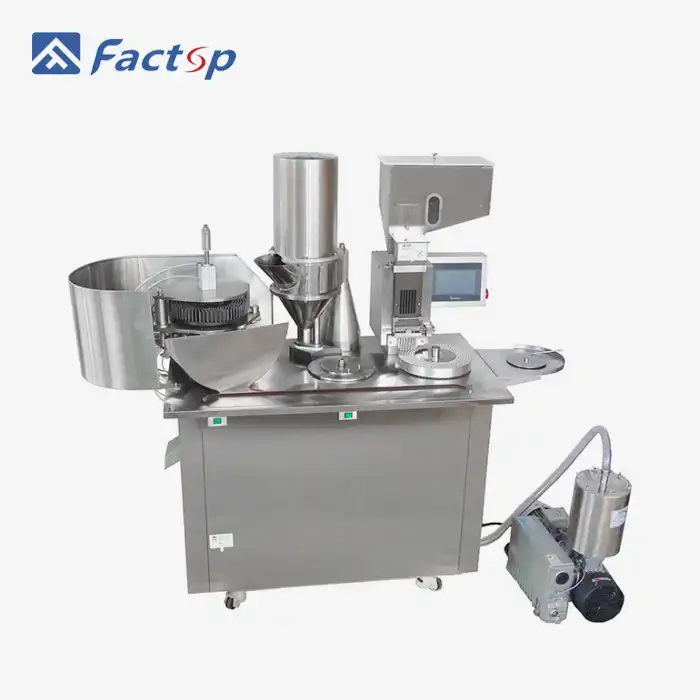
- Versatility: A lot of Chinese versions, such as semi-automatic capsule filling machines, can fill capsules of different sizes and with different materials.
- Scalability: The equipment comes in a range of sizes, from tiny to industrial, so businesses may start small and grow as needed.
- developments in technology: Recent developments in accuracy and output have brought them closer to high-end Western brands.
- After-sales support: Chinese providers often offer full training and maintenance services.
- Impact on Local Production
The arrival of affordable Chinese capsule filling machines, including the semi-automatic capsule filling machine, has transformed drug manufacturing in Africa. It has enabled smaller companies to enter the market and allowed larger ones to expand. This increased capacity has facilitated the production of a broader range of medicines locally, reducing reliance on imports and potentially lowering costs for consumers.
Also, the fact that these machines are easy to get has led to new ideas for how to make and transport drugs. African pharmaceutical businesses can now try out different kinds of capsules and fillings to make goods that fit the wants and tastes of their customers. This adaptability is quite important for a continent with a wide range of healthcare problems and patient groups.
Overcoming Challenges and Ensuring Quality
There have been some problems with the use of Chinese capsule filling machines in Africa, but overall, it has been a good thing. People have highlighted concerns regarding quality control and following the rules, especially at the beginning of this movement. But both Chinese companies and African government agencies have done a lot to fix these problems.
Quality Assurance Measures
Several steps have been taken to make sure that capsule filling equipment is safe and reliable:
- Strict quality control: The best Chinese companies have spent money on cutting-edge quality management systems and gotten international certifications.
- Regulatory alignment: More and more, Chinese vendors are making their products meet global pharmaceutical standards, such as GMP requirements.
- Collaborative initiatives: Partnerships between Chinese equipment makers and African pharmaceutical associations have led to solutions that are made just for the needs of the people in those countries.
- Training programs: Operators generally get full training to make sure they know how to handle and care for the equipment correctly.
Taking Care of Maintenance and Support
One of the first things that worried people about using Chinese technology was whether spare parts and technical assistance would be easy to find. But a lot of Chinese manufacturers have dealt with this by:
- Establishing local service centers in key African markets
- Providing help and troubleshooting from a distance
- Working with local distributors to make sure there is always a supply of spare parts
- Offering a lot of documentation and user guides in several languages
These efforts have enhanced the reliability and longevity of Chinese capsule filling machines, including the semi-automatic capsule filling machine, in African pharmaceutical facilities.
Future Prospects and Sustainability
As Africa's pharmaceutical industry grows, its relationship with Chinese suppliers of equipment is set to change. There are a number of trends and things to think about that will affect the future of this partnership:
Technology Transfer and Local Manufacturing
More and more people are interested in technology transfer agreements between Chinese companies and African countries. These projects are meant to make it possible to make pharmaceutical equipment, like semi-automatic capsule filling machines, in the area. These kinds of arrangements could lead to:
- Creation of jobs in the African manufacturing sector
- Less dependency on imports and reduced prices for equipment
- Quicker access to technical support and spare parts
- Making equipment fit the special needs of a local area
- Goals for Sustainable Development
The partnership between African drug companies and Chinese equipment providers is in line with a number of Sustainable Development Goals (SDGs), including SDG 3 (Good Health and Well-being) and SDG 9 (Industry, Innovation, and Infrastructure). This alliance helps to achieve larger health and economic development goals by making it easier for people to get the medications they need and by strengthening local production capabilities.
Emerging Technologies
As the pharmaceutical business adopts ideas from business 4.0, Chinese companies are adding new technologies to their capsule-filling machines. More and more products have features like IoT connectivity, data analytics, and AI-driven quality control. These new ideas will help African pharmaceutical production become even more efficient and make better products.
Combining these technologies could lead to:
- Monitoring in real time and maintenance that is planned ahead of time
- Better quality control and traceability
- Better planning for the production and use of resources
- More consistent methods for filling capsules, including those using the semi-automatic capsule filling machine
As African pharmaceutical companies start using these new technologies, they will be better able to compete in global markets and meet strict international quality standards.
Conclusion
African drug stores rely on Chinese equipment for capsule filling, mainly semi-automatic machines. This is an example of how manufacturing around the world is changing and how Africa's healthcare system is growing. Thanks to this relationship, more medicine has been made in the area, healthcare has become easier to get, and new ideas have been encouraged in pharmaceutical manufacturing across the whole continent.
Pharmaceutical companies, study groups, and health product makers in Africa who want to boost their production capabilities can get a lot of new ideas from Jining Factop Pharmacy Machinery Company. We are pros at making high-quality capsule filling machines and other pharmaceutical equipment. This means that we are ready to meet your manufacturing needs. Because we value honesty, creativity, and working together for everyone's gain, we can tailor our solutions to meet the needs of the African market.
No matter if you're a big company looking for quick, automatic tools or a small to medium business seeking affordable, adaptable options, Factop has the perfect answer for you. Our team is experienced in worldwide trade and can help you with anything from picking out the right tools to offering after-sales service.
If you want more information on how our capsule filling tools can help your business and the growth of Africa's pharmaceutical industry, please contact us. Let's work together to make healthcare on the continent better and more available.
FAQs
Q1: What are the primary benefits of Chinese capsule filling machines for African drug companies?
A: Chinese capsule filling machines have a number of important benefits for African pharmaceutical companies: 1. Cost-effectiveness: Machines that work well at prices that are competitive. 2. Flexibility: Can handle different sizes of capsules and filling materials. 3. Scalability: You can choose from equipment that is small-scale to industrial-grade. 4. Technological advancements: Recent advances in production and precision. 5. Full support after the sale: Training and maintenance services are often included.
Q2: How do Chinese companies make sure that their capsule filling machines work well?
A: Chinese producers make sure their products are of high quality by using strict quality control techniques. 2. Getting certifications from other countries. 3. Making sure that items meet worldwide pharmaceutical standards, such as GMP requirements. 4. Working with African pharmaceutical groups to find solutions that work for them. 5. Giving operators full training and documentation.
Q3: What changes do you think will happen in the future between African pharmaceutical markets and Chinese equipment suppliers?
A: Future changes could include: 1. More agreements for technology transfer to allow for local manufacturing in Africa. 2. Adding sophisticated technologies like IoT, AI, and data analytics to machines. 3. More ways to customize equipment to match the needs of a certain area. 4. More attention on sustainability and aligning with the SDGs. 5. Better local support networks and quicker access to spare components.
Semi Automatic Capsule Filling Machine Suppliers | Factop
Looking for reliable and efficient semi-automatic capsule filling machines for your pharmaceutical or health product manufacturing needs? Jining Factop Pharmacy Machinery Company is your trusted partner in advancing your production capabilities. Our range of high-quality, versatile capsule filling equipment is designed to meet the diverse requirements of Africa's growing pharmaceutical industry.
With our commitment to innovation, quality, and customer satisfaction, we offer: - Cutting-edge semi-automatic capsule filling machines suitable for various production scales - Customizable solutions to meet your specific manufacturing needs - Comprehensive after-sales support and training - Competitive pricing without compromising on quality
Take the next step in optimizing your capsule production process. Contact us today at michelle@factopintl.com to discuss how our semi-automatic capsule filling machines can enhance your operations and contribute to the growth of Africa's pharmaceutical sector. Let Factop be your partner in achieving manufacturing excellence and improving healthcare accessibility across the continent.
References
1. African Pharmaceutical Market Outlook 2023: Growth Trends and Investment Opportunities. (2022). African Business Magazine.
2. Zhang, L., & Wang, H. (2021). The Impact of Chinese Pharmaceutical Equipment on Global Health Systems. Journal of International Health Affairs, 15(3), 78-92.
3. Ouma, K., & Ndemo, B. (2020). Technology Transfer in African Pharmaceutical Manufacturing: Challenges and Opportunities. African Journal of Science, Technology, Innovation and Development, 12(5), 551-563.
4. World Health Organization. (2022). Local Production of Medicines and Health Technology Products in Africa: Progress Report.
5. Li, X., & Chen, Y. (2023). Innovation and Quality Improvement in Chinese Pharmaceutical Equipment Manufacturing. International Journal of Pharmaceutical Technology, 45(2), 210-225.
6. African Union Development Agency. (2022). Pharmaceutical Manufacturing Plan for Africa: Implementation Progress and Future Directions.
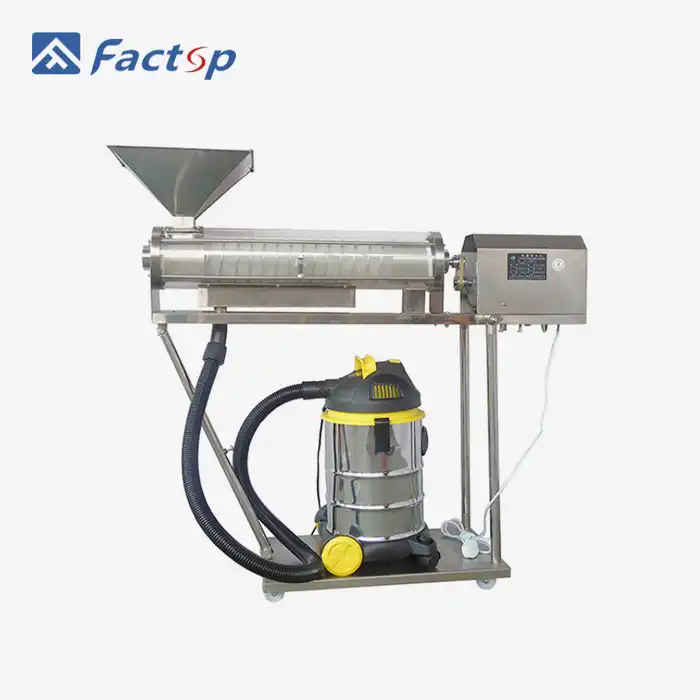
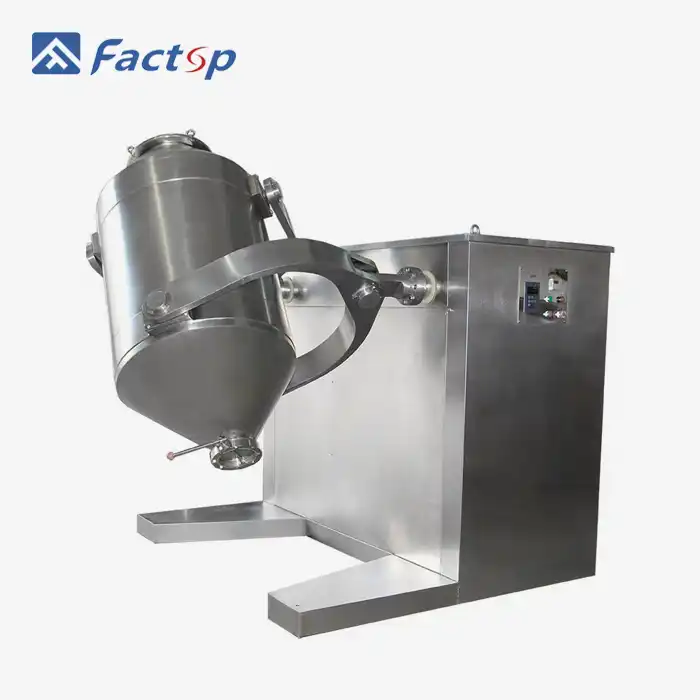
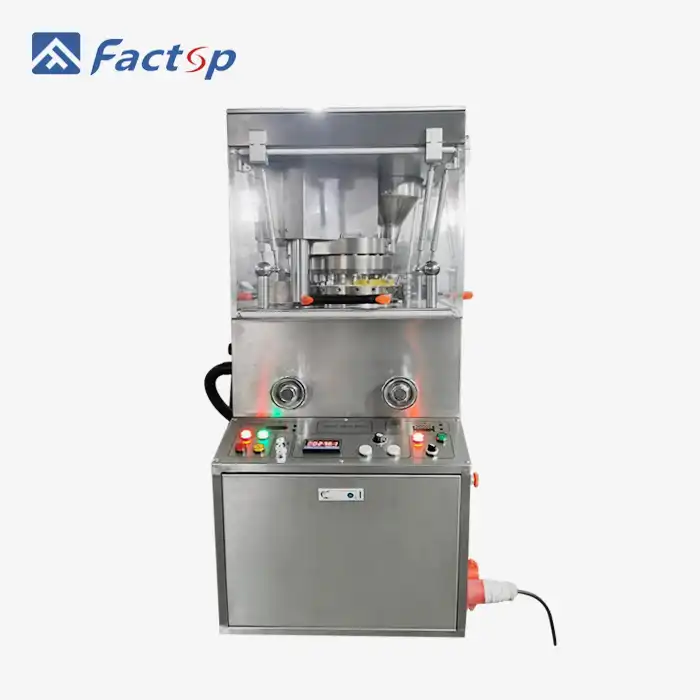
_1762014629009.webp "Fully automatic Tablet Press")