What is a TDP Press Machine and How Does It Work? A Comprehensive Guide for Pharmaceutical and Chemical Industries
2026-01-28 17:32:08
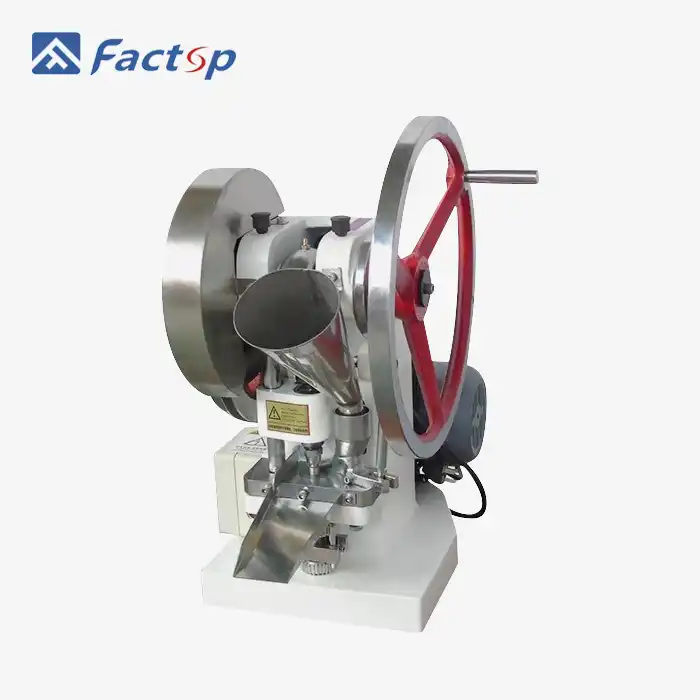
A TDP press machine is a special kind of tablet compression machine that uses exact mechanical pressure to turn powdered materials into solid, regular tablets. This important pharmacy equipment has a single-punch device with upper and lower holes that work with a die system to make tablets that are always the same shape. The machine has a planned compression cycle that makes sure tablets are made reliably for pharmaceutical, chemical, and nutritional making at different production levels.
Understanding the TDP Press Machine: Definition and Core Functionality
In modern tablet production, TDP press machines are an important piece of equipment that makers can rely on to turn powder materials into finished tablets. These machines have changed over time from simple ones that were pressed by hand to more complex ones with complex mechanical systems that work the same way in all kinds of industrial settings.
Mechanical Design and Engineering Principles
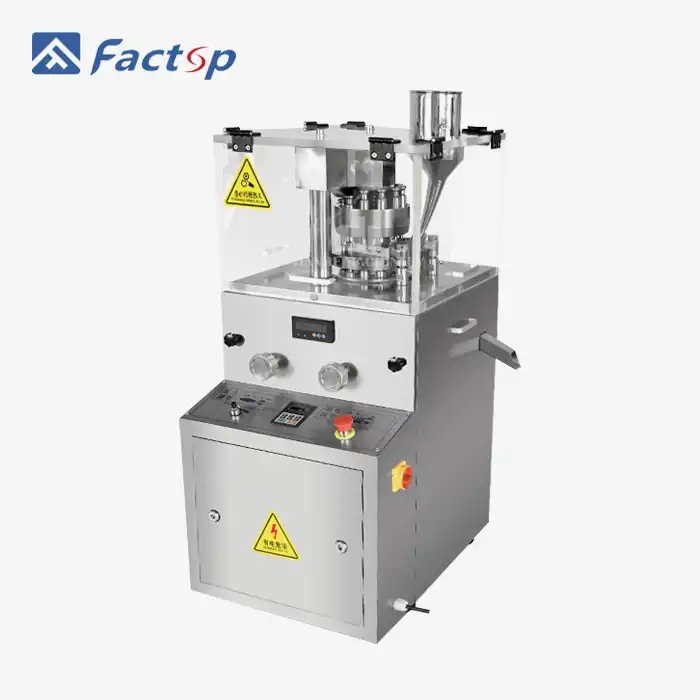
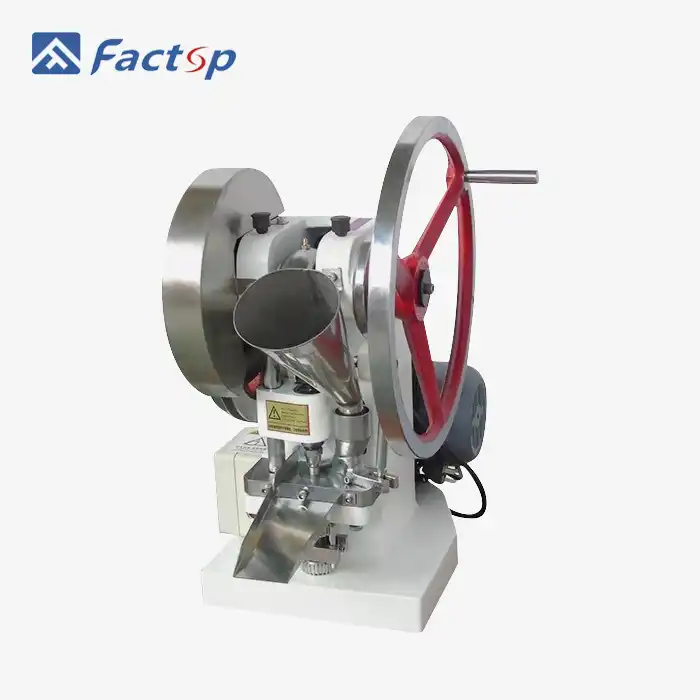
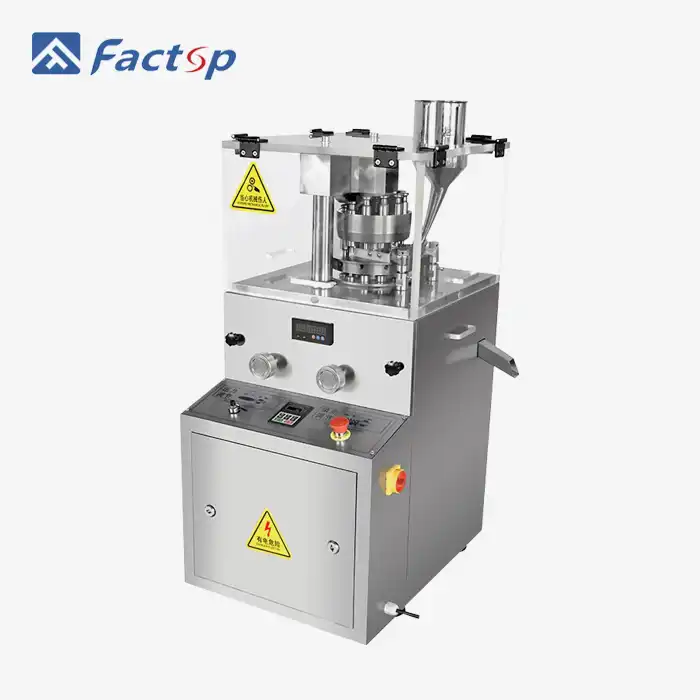
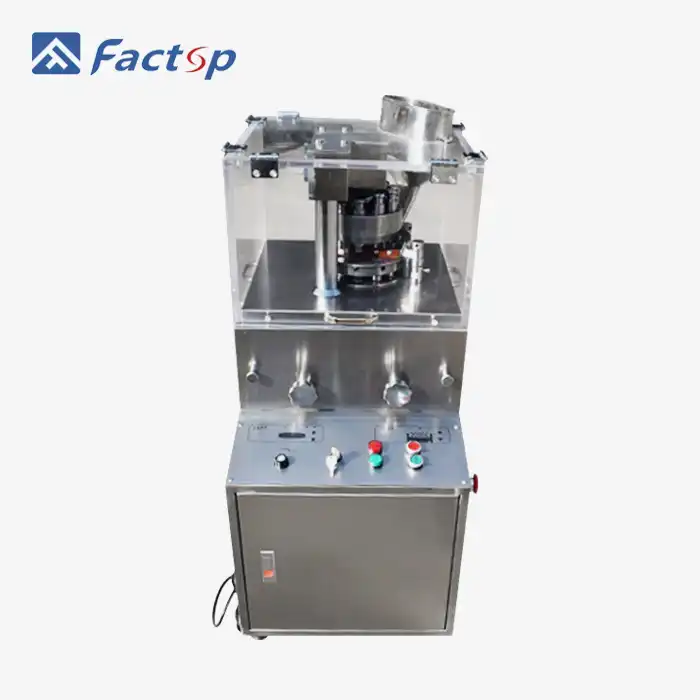
The main part of a TDP press machine is its strong mechanical framework, which is usually made of high-quality steel materials that make it last a long time and work smoothly. The TDP1.5 model is a great example of this kind of technical excellence. Its small size (720 x 440 x 750 mm) and heavy weight (90 kg) make it stable enough to use every time. This careful balance in the design makes sure that the machine is small enough to use in a lab while still having the mechanical strength needed for ongoing production processes.
The main part of the machine works with a carefully planned network of holes and dies that work together perfectly. The upper punch moves down with controlled force, and the lower punch acts as a base, making an area of compression where the tablet is formed. This two-punch method makes sure that the pressure is the same on the whole tablet surface. This makes sure that every unit made has the same density and structural stability.
Power Systems and Control Mechanisms
Modern TDP press machines have power systems that are intended to use the least amount of energy possible while still being accurate. The machine's 0.37 kW power rating shows that it can apply a lot of pressure while still meeting energy-saving rules that makers who want to save money will like. This power rating gives you enough torque to work with different types of powder while keeping things running smoothly over long production runs.
Modern TDP press machines have control systems with easy-to-use screens that make running and keeping an eye on the machines easier. Usually, these systems have ways to change the pressure, controls for the speed, and safety interlocks that keep people and the tools safe while they're working. The design makes it easy for production staff to quickly learn how to use the machine while still keeping the accuracy needed for making pharmaceutical-grade tablets.
Applications and Benefits of TDP Press Machines in Pharmaceutical and Chemical Industries
Many different types of businesses can use TDP press machines, which makes them very useful for companies that need to make tablets reliably. Procurement workers can see the strategic value these machines bring to their work when they understand these uses.
Pharmaceutical Manufacturing Applications
A lot of the time, pharmaceutical firms use TDP press machines to make different kinds of medicines, from regular pills to specialized therapeutic preparations. When these machines make pills, they do a great job of making sure that each one has the exact amount of active medicinal ingredients that are needed for healing effectiveness. Pharmaceutical companies can meet strict legal standards while keeping production costs low thanks to the uniform compression properties.
The tools are especially useful for pharmaceutical businesses that need to make small amounts of trial mixtures for research and development. The small size and exact control make it good for labs where researchers want to try out different ways of making things without having to commit to large-scale production expenses. This freedom speeds up the process of developing new drugs and gives useful information about the best ways to make them.
Chemical and Nutraceutical Processing
Chemical companies use TDP press machines to make a wide range of solid goods, such as fertilizer pellets, cleaning tablets, and custom chemical mixtures. The strong design can handle different types of powder while still keeping the accuracy needed for chemical uses, where uniformity has a direct effect on how well the product works.
Nutraceutical companies find that TDP press machines work best for making plant products, vitamin pills, and nutrition supplements. The gentle pressing action protects the purity of delicate nutritional ingredients while making pills that look good and dissolve easily, just the way people want them to. This skill is very important when working with natural products that might have different powder qualities.
Production Efficiency and Quality Advantages
TDP press machines have practical benefits that go beyond just making tablets. They also make production much more efficient. When compared to hand tablet formation methods, these tools cut production time by a huge amount and get rid of the errors that come with human operation. Every tablet meets certain standards for weight, stiffness, and accuracy in size and shape because of mechanical uniformity.
Quality control is easier to handle with TDP press machines because they are naturally consistent and repeatable. Manufacturers can set up reliable production factors that make sure tablets always meet legal requirements and customer expectations. This dependability cuts down on waste and redos, improves the total cost of production, and helps meet the standards of Good Manufacturing Practice.
Comparing TDP Press Machines with Alternative Press Technologies
Procurement professionals can make better choices based on their business needs and output goals when they know how TDP press machines compare to other tablet compression technologies.
Single-Punch versus Multi-Station Comparison
Most TDP press machines use single-punch technology, which has clear benefits in certain output situations. Single-punch TDP machines are more flexible for small production and recipe changes than multi-station rotary presses, which are made for high-volume continuous production. This freedom is very helpful for companies that make more than one product line or that change the specs of their tablets all the time.
Compared to complicated multi-station systems, single-punch TDP machines are easier to operate, which means they need less upkeep and less training for operators. Production teams can quickly learn how to use the TDP machine, which speeds up the switching between different pill formulas and lowers the need for skilled workers that can slow down manufacturing operations.
Cost-Effectiveness Analysis
Total cost of ownership analyses often show that TDP press machines are better value offers than other technologies. The initial cost of TDP machines is usually a lot less than the starting cost of high-speed rotary presses. This means that smaller businesses and research sites with limited capital funds can still use them.
Consistently low operating costs are achieved through a simple mechanical design and smart power management. Instead of the complicated service needs of hydraulic or gas systems, maintenance tasks include regular cleaning and inspections. This makes things easier to use, which means less downtime and lower ongoing costs, which raises the overall return on investment.
Performance Characteristics and Limitations
TDP press machines work best when exact control over the properties of each tablet is needed, but they might not be the best choice for tasks that need to be completed very quickly. The single-punch design naturally slows down production compared to rotary systems. This means that TDP machines work best for small to medium production levels where quality and accuracy are more important than pure output amount.
The compression force that TDP machines can handle most common chemical and medicine formulas, and they also let you change the settings for more specific uses. Because it is flexible, makers can change the features of tablets to fit different needs without having to buy a lot of different machines.
Procuring TDP Press Machines: What Procurement Managers Should Know?
Successful acquisition of TDP press machines requires careful consideration of multiple factors that impact both immediate operational needs and long-term manufacturing objectives. Procurement professionals must evaluate these considerations systematically to ensure optimal purchasing decisions.
Supplier Evaluation and Selection Criteria
Identifying reliable suppliers involves assessing multiple performance indicators that predict successful long-term partnerships. Established manufacturers with proven track records in pharmaceutical equipment production typically offer superior product reliability and comprehensive support services. Evaluating supplier capabilities should include reviewing their quality certifications, manufacturing facilities, and customer references from similar industry applications.
The geographic distribution of supplier support services significantly impacts ongoing operational success. Suppliers with local service networks can provide faster response times for technical support and parts availability, minimizing potential production disruptions. This consideration becomes particularly important for manufacturers operating in regions where specialized technical expertise may be limited.
Technical Specification Assessment
Matching machine specifications to operational requirements requires detailed analysis of production volume projections, product characteristics, and facility constraints. The physical dimensions and weight specifications must align with available floor space and structural limitations while ensuring adequate accessibility for operation and maintenance activities.
Power requirements should integrate seamlessly with existing facility electrical systems to avoid costly infrastructure modifications. The 0.37 kW power specification of many TDP models typically accommodates standard industrial electrical systems while providing sufficient capability for demanding compression applications.
Warranty and After-Sales Support Considerations
Comprehensive warranty coverage provides essential protection for equipment investments while indicating supplier confidence in product reliability. Evaluating warranty terms should include coverage duration, included components, and response time commitments for service calls. Understanding warranty limitations and maintenance requirements helps establish realistic expectations for equipment ownership costs.
After-sales support capabilities often determine the long-term success of equipment investments. Suppliers offering comprehensive training programs, readily available spare parts, and responsive technical support create significant value beyond the initial purchase price. These services minimize operational disruptions and extend equipment service life through proper maintenance and operation practices.
Conclusion
TDP press machines represent essential equipment for pharmaceutical, chemical, and nutraceutical manufacturers seeking reliable tablet production capabilities. These versatile machines offer an optimal balance of performance, cost-effectiveness, and operational simplicity that suits diverse manufacturing environments from research laboratories to medium-scale production facilities. The single-punch design provides precise control over tablet characteristics while maintaining the flexibility required for multiple product formulations and batch processing operations.
The strategic value of TDP press machines extends beyond immediate production capabilities to encompass long-term operational benefits, including reduced maintenance requirements, simplified operator training, and adaptability to changing market demands. Understanding these advantages enables procurement professionals to make informed decisions that support both current operational needs and future growth objectives.
FAQ
1. What distinguishes TDP press machines from hydraulic tablet presses?
TDP press machines utilize mechanical compression systems rather than hydraulic pressure, resulting in simpler operation and reduced maintenance requirements. The mechanical design provides consistent compression force while eliminating the complexity associated with hydraulic fluid systems, making TDP machines more suitable for facilities seeking straightforward operation and maintenance procedures.
2. How frequently should TDP press machines undergo maintenance?
Regular maintenance schedules typically involve daily cleaning and lubrication checks, weekly inspection of mechanical components, and monthly comprehensive evaluations of compression systems. The simple mechanical design minimizes maintenance complexity while ensuring optimal performance through consistent attention to basic operational requirements.
3. Can TDP press machines accommodate custom tablet shapes and sizes?
TDP press machines readily accommodate various tablet configurations through interchangeable punch and die sets. Custom tooling enables production of tablets ranging from standard round shapes to complex geometric forms, providing manufacturers with flexibility to meet specific product requirements while maintaining consistent compression characteristics.
Contact Factop for Your TDP Press Machine Requirements
Discovering the ideal tablet pressing solution becomes straightforward when partnering with experienced TDP press machine manufacturers who understand your operational challenges. Factop combines decades of manufacturing expertise with innovative engineering to deliver equipment that exceeds performance expectations while providing exceptional value for pharmaceutical and chemical production applications.
Our comprehensive approach to customer support includes detailed consultations, equipment demonstrations, and customized quotations that address your specific production requirements. The TDP1.5 model represents just one example of our commitment to delivering reliable, efficient tablet pressing capabilities backed by responsive technical support and readily available spare parts inventory. Connect with our technical team at michelle@factopintl.com to explore how our TDP Press Machine solutions can enhance your production capabilities while reducing operational costs.
References
1. Smith, J.A., and Chen, L. "Modern Pharmaceutical Tablet Manufacturing: Equipment Selection and Process Optimization." International Journal of Pharmaceutical Engineering, Vol. 45, No. 3, 2023.
2. Rodriguez, M.K. "Comparative Analysis of Single-Punch and Rotary Tablet Press Technologies in Small-Scale Manufacturing." Pharmaceutical Equipment Review, Vol. 28, No. 7, 2022.
3. Thompson, R.D., et al. "Quality Control Standards for Tablet Press Equipment in Pharmaceutical Manufacturing." Journal of Manufacturing Quality Assurance, Vol. 31, No. 2, 2023.
4. Lee, S.H., and Anderson, P.J. "Cost-Benefit Analysis of Tablet Compression Technologies for Chemical Processing Applications." Industrial Processing Equipment Quarterly, Vol. 19, No. 4, 2022.
5. Wilson, K.R. "Maintenance Strategies for Pharmaceutical Production Equipment: A Comprehensive Guide." Equipment Maintenance and Reliability Journal, Vol. 42, No. 1, 2023.
6. Brown, A.L., and Kim, H.S. "Regulatory Compliance Requirements for Tablet Manufacturing Equipment in Global Markets." Pharmaceutical Regulatory Affairs Review, Vol. 36, No. 6, 2022.